
Stay where the adventure begins – in the heart of the Dolomites.
Few mountain ranges in the world rival the Dolomites when it comes to beauty and variety. Stretching across northern Italy, this UNESCO-listed landscape combines rugged limestone peaks, alpine meadows, and charming villages that seem straight out of a picture book.
The vastness of this landscape and variety of location can be confusing for first time visitors. And it’s true that the Dolomites offer something for every traveler. But the choice can get overwhelming and where you stay will shape your entire experience.
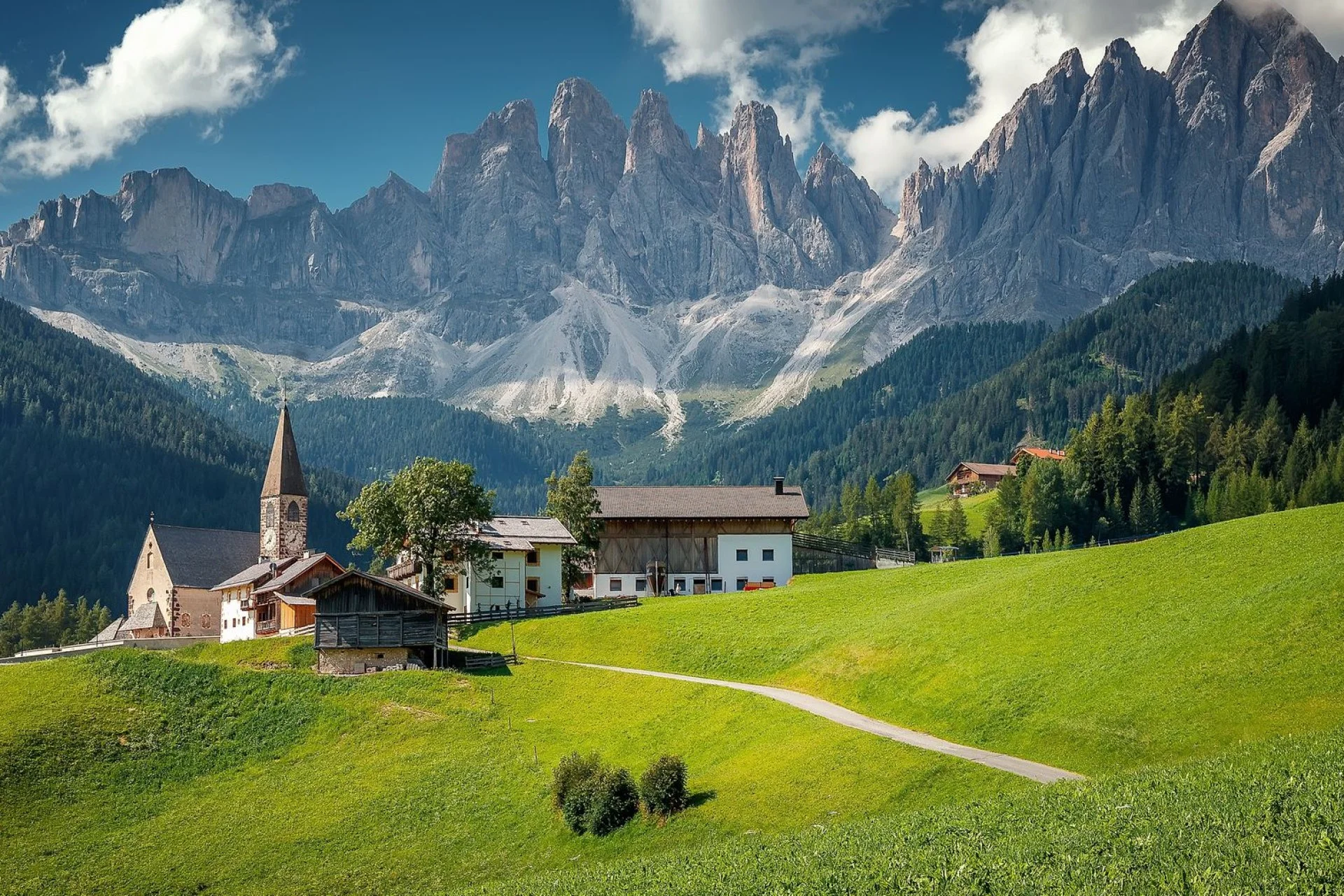
Your choice of base determines not only your access to trails, lifts, and scenery – but it will also determine the type of activities, culture and cuisine available to you.
Before you book, it’s worth taking a moment to understand the region’s layout and the character of its main towns. Let’s explore where to stay, what to expect, and how to match your accommodation to your travel style.
Where to Base Your Dolomites Adventure
When planning your Dolomites itinerary, one of the biggest questions is: Where should I stay? Unlike other destinations where a single city serves as the hub, the Dolomites are a patchwork of towns, valleys and peaks spread across three regions – Veneto, Trentino-Alto Adige/Südtirol, and Friuli Venezia Giulia.
Explore the best towns and villages across the region in our guide to the Best Towns in the Dolomites.
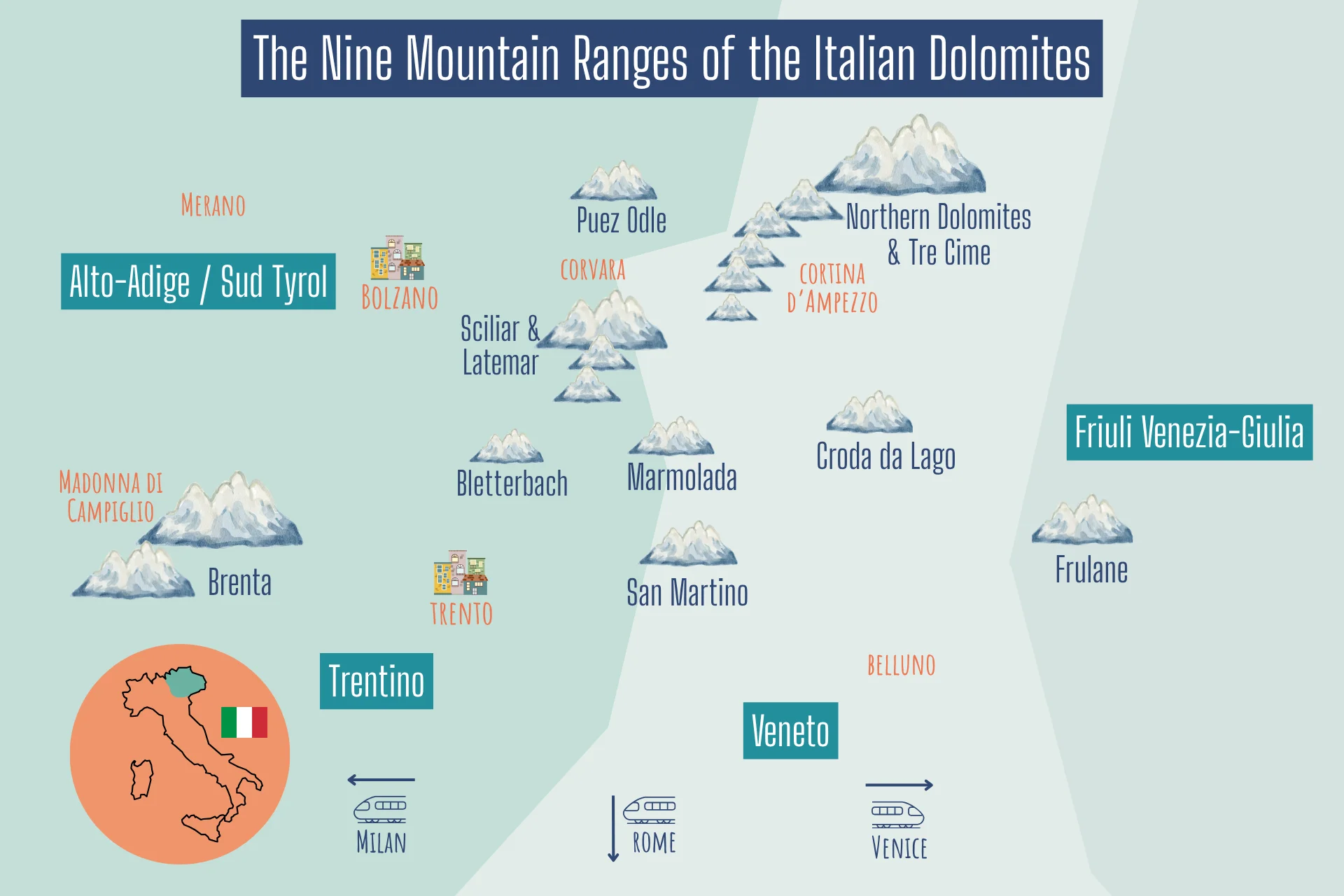
Top Towns for Every Traveler
If you’re new to the Dolomites, you need to imagine the region as a collection of distinct areas that are separated by mountainous terrain.
Due to the challenging terrain, even places that are short in distance may take a couple of hours journey time. Where you base yourself will determine how long you spend on the road each day. That’s why your base is an important decision.
There are dozens of towns, and several main areas to choose from.
Cortina d’Ampezzo (Belluno Province)
Often called “The Queen of the Dolomites,” Cortina is chic and central – a rare mix of natural grandeur and Italian rustic charm. It’s surrounded by some of the range’s most iconic peaks, including the Tofane (3244 meters), Tre Cime di Laverado and Cinque Torri, and offers easy access to hiking trails, via ferratas, and winter ski slopes.
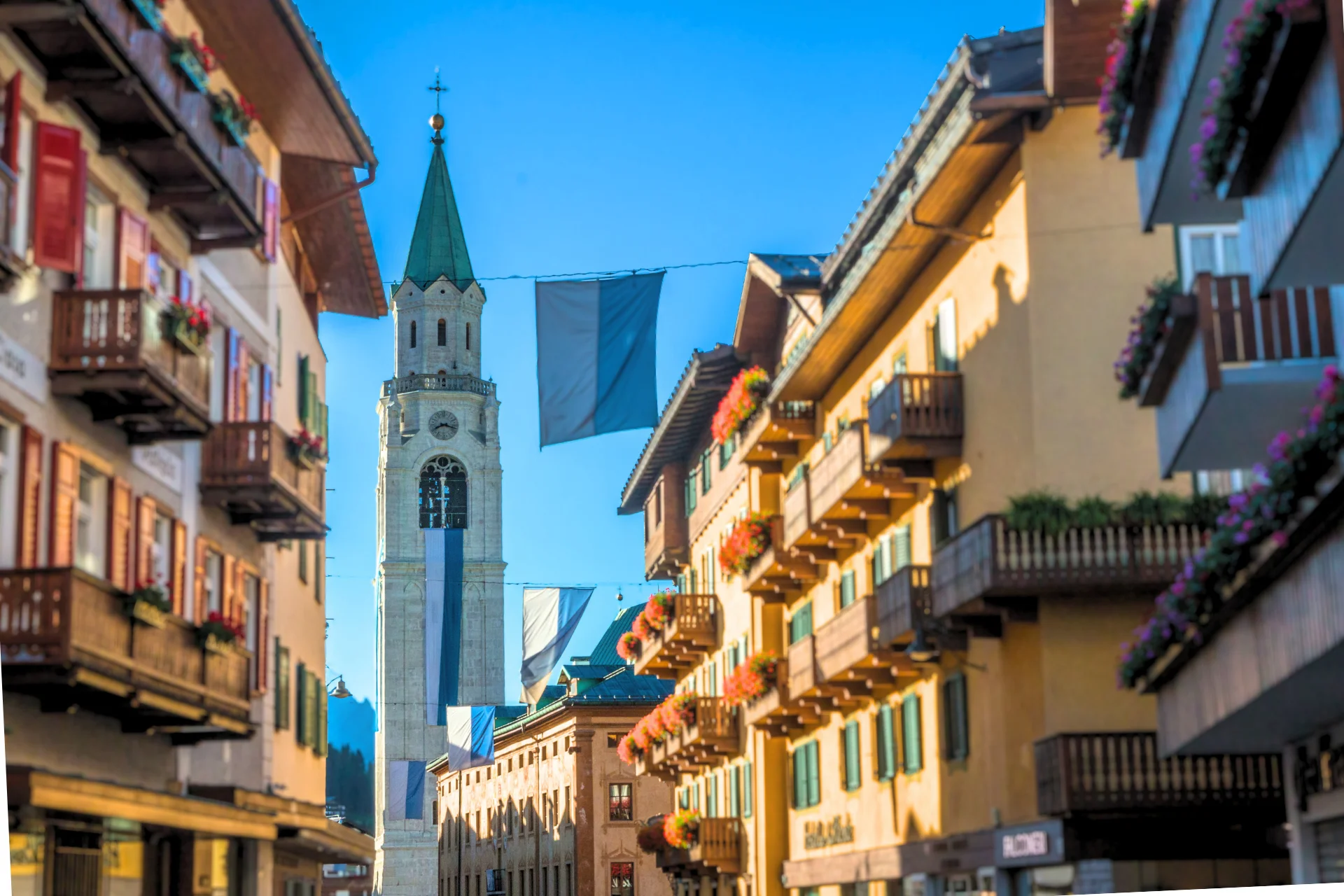
The town’s stylish shops, cafés, and historic hotels make it ideal for travelers who want both adventure and elegance in one place. The 2026 Winter Olympics will also be hosted here and will inevitably make this an even more desirable location to visit.
Learn more about whether Cortina d’Ampezzo is the right base for your Dolomites adventure.
Ortisei (Val Gardena, South Tyrol)
Ortisei blends alpine tradition with contemporary comfort. The town’s pedestrian zone is lined with boutiques, art galleries, and family-run hotels, while its mix of Ladin, German, and Italian influences adds a rich cultural flavor.
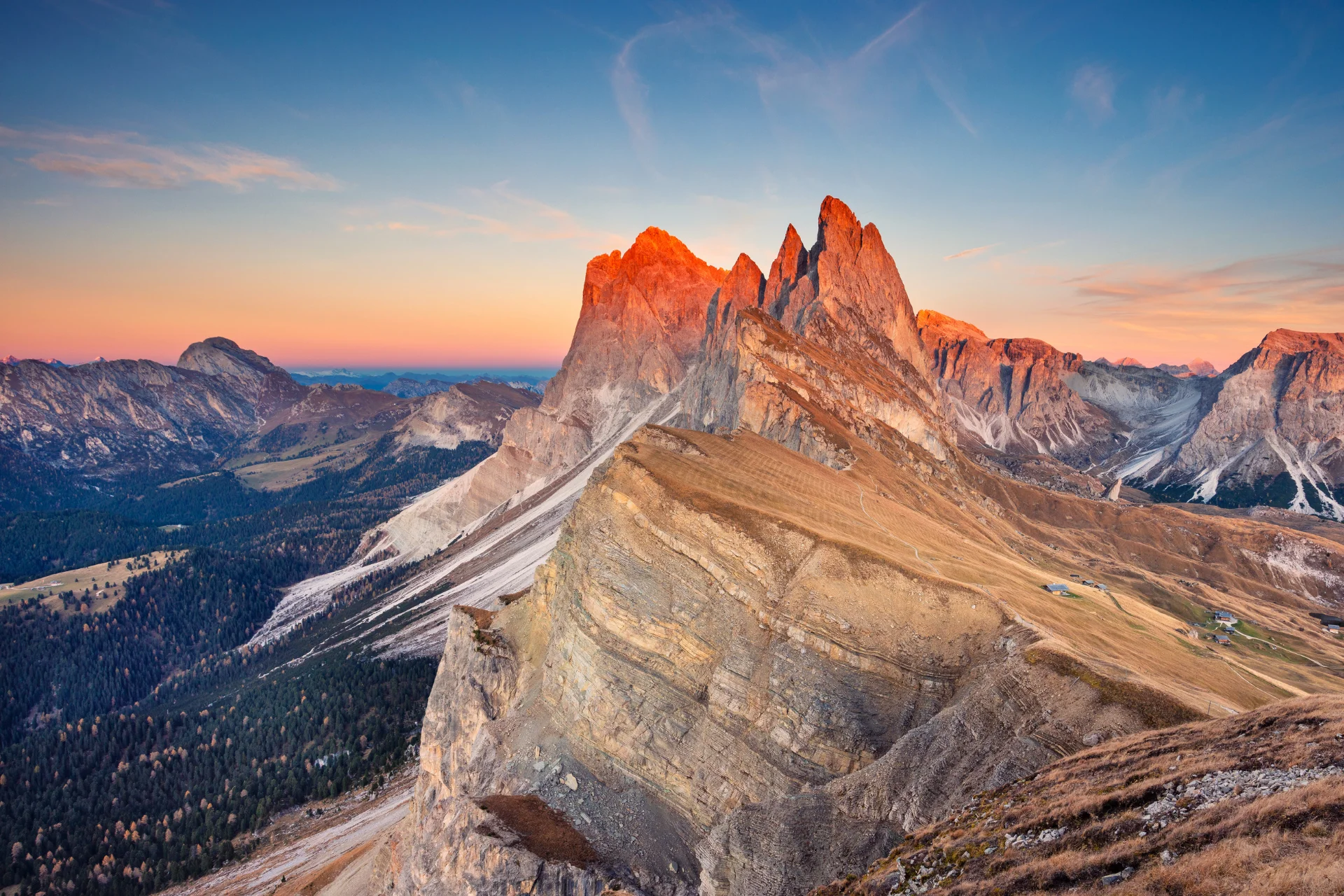
Nestled in the heart of Val Gardena, you’ll find direct lift access to the Seceda ridgeline, one of the Dolomites’ most breathtaking viewpoints – as well as connections to the Sella Ronda circuit (hiking cycling and skiing routes).
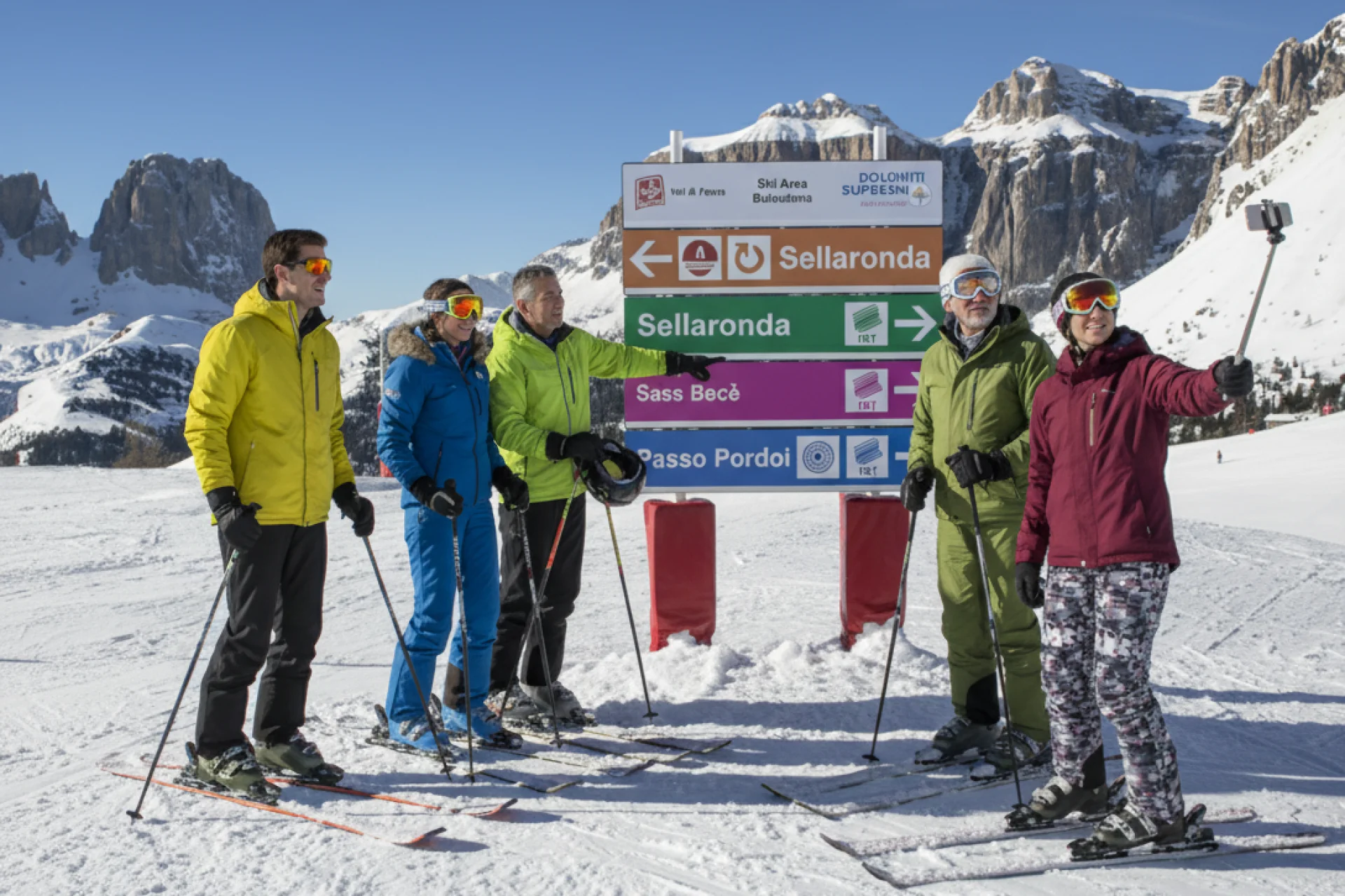
And if that’s not enough, Val Gardena has two more surprises. Closeby, there are the picturesque towns of Santa Cristina and Selva.
- Selva is a paradise for active travelers. With direct access to the Sella Ronda and mountain trails, it’s made for skiers, hikers, cyclists and anyone craving a physical challenge and fresh alpine air from dawn to dusk.
- Santa Cristina feels quieter and more local – a perfect midpoint between Ortisei’s energy and Selva’s adventure. It’s a fantastic choice for couples or families wanting a peaceful base with authentic mountain character
Discover more in our guide to Val Gardena and its three towns: Ortisei, Santa Cristina, and Selva.
Canazei (Val di Fassa, Trentino)
Vibrant and energetic, Canazei is the jewel of Val di Fassa and a Dolomites’ ultimate playground for active travelers. In summer, hikers and cyclists fill the mountain trails; in winter, skiers take advantage of quick access to the Sella Group and Marmolada massifs that form part of Dolomiti Superski areas.
The grand scenery surrounding Canazei makes this a popular area and access to Marmolada (the highest peak in the Dolomites at 3343 m) is another reason to venture here.
The town has a lively après-ski scene, excellent wellness hotels, and a youthful energy that makes it perfect for couples and friends who want variety without losing the alpine feel.
Corvara and Colfosco (Alta Badia)
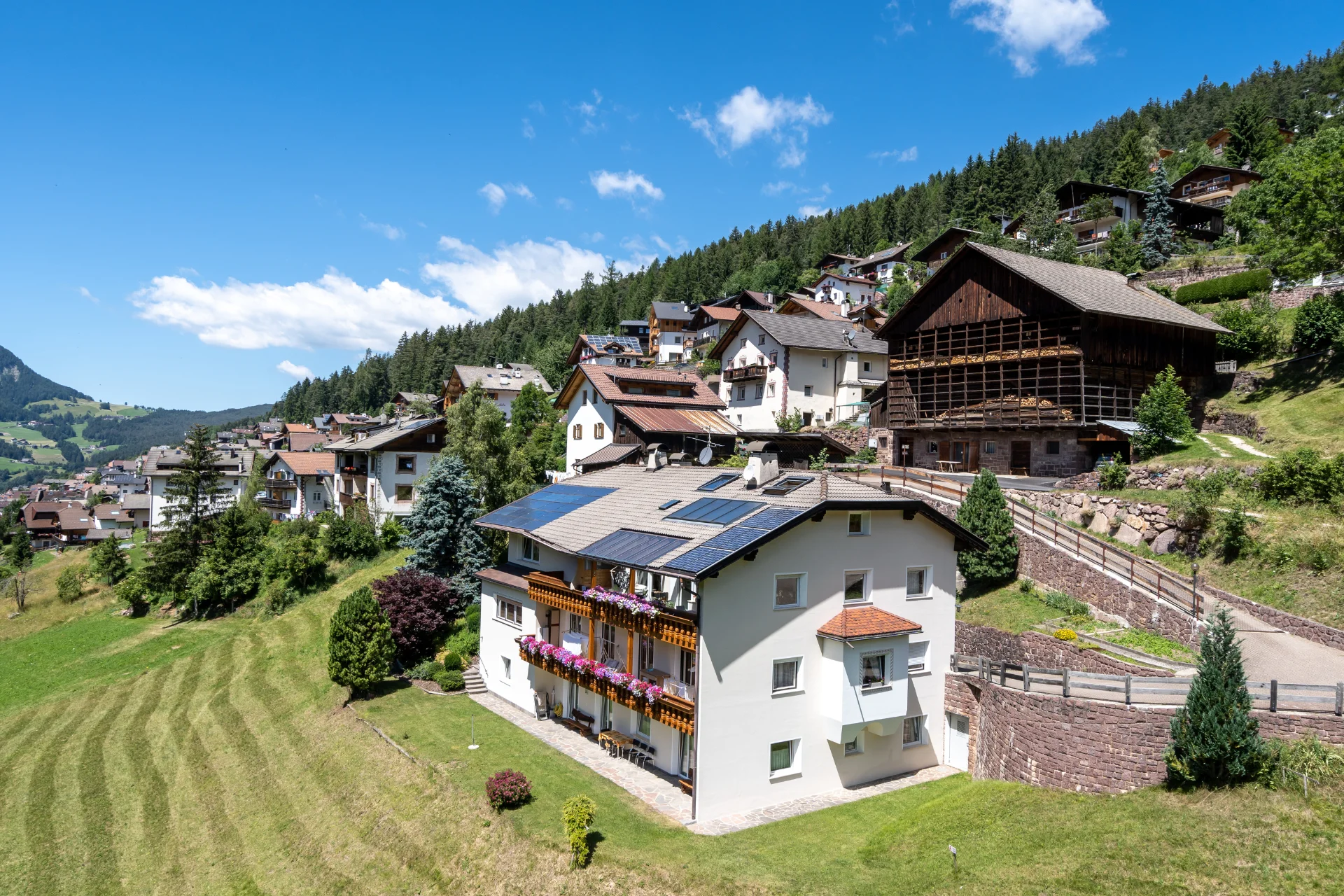
For those seeking tranquility and refinement, Corvara and Colfosco are two neighboring gems in Val Badia. The area is known for its impeccable hospitality, polished yet personal service, and world-class dining, including several Michelin-starred restaurants.
At the same time, these towns retain a strong Ladin heritage, with wooden chalets, local festivals, and friendly mountain culture at every turn. It’s an ideal base for travelers who want comfort, scenery, and authenticity in equal measures with the added benefit of being close to the city of Bolzano.
San Candido and Dobbiaco (Three Peaks Area)
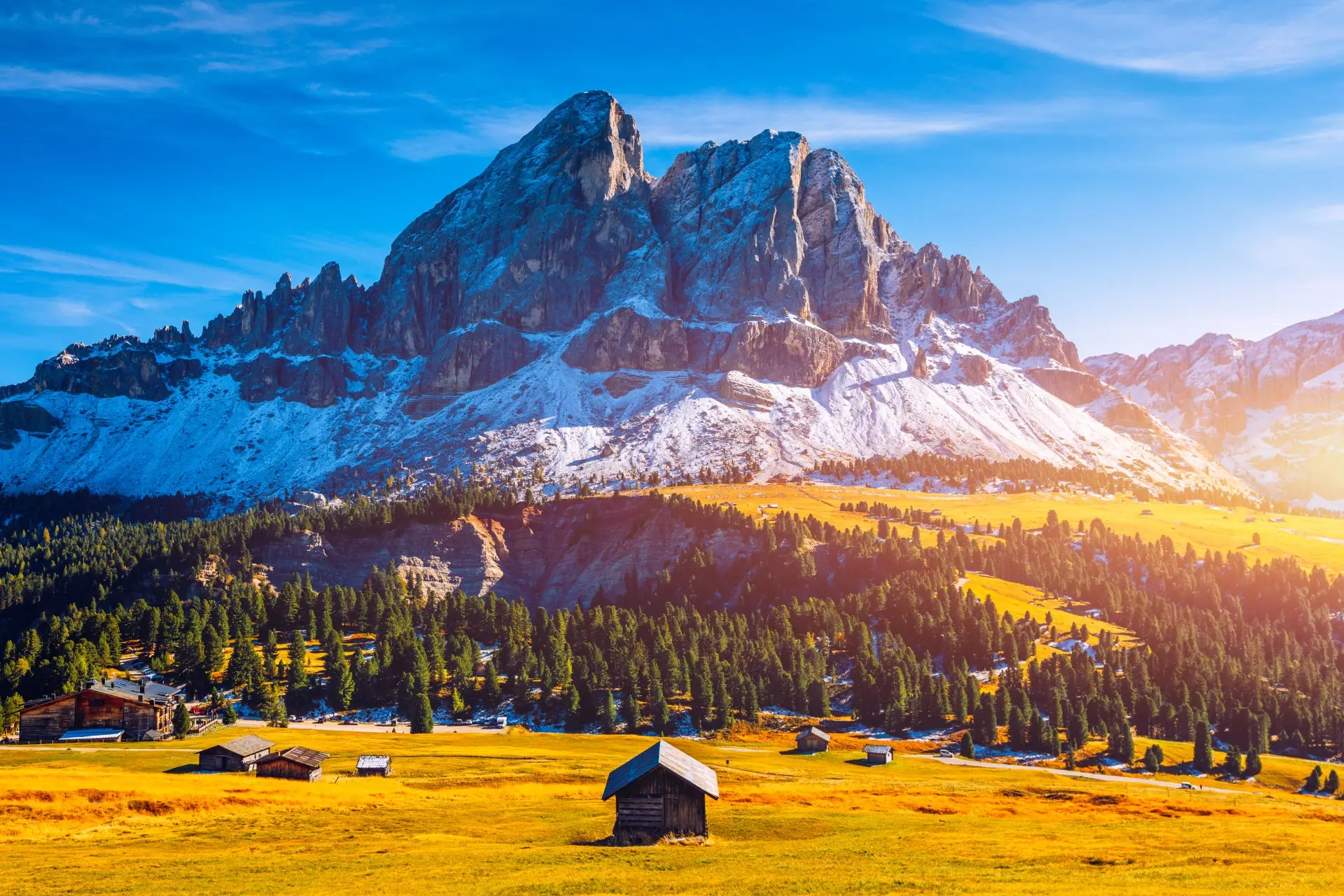
In the quieter northeast corner, near the Tre Cime di Lavaredo, lie the charming twin towns of San Candido and Dobbiaco. These are perfect for families and those who love a slower pace, scenic walks, small-town warmth, and easy connections to the Dolomites’ most photogenic landscapes. Both towns offer cozy hotels, family-run guesthouses, and great access to public transport for exploring nearby lakes and trails.
Madonna di Campiglio (Brenta Dolomites, Trentino)
Set apart, to the west of the main Dolomite valleys, but equally spectacular is Madonna di Campiglio. This fashionable town is the heart of the Brenta Dolomites, and its walkable center, excellent hotels, and calm atmosphere make it a superb choice for travelers seeking adventure with a touch of refinement.
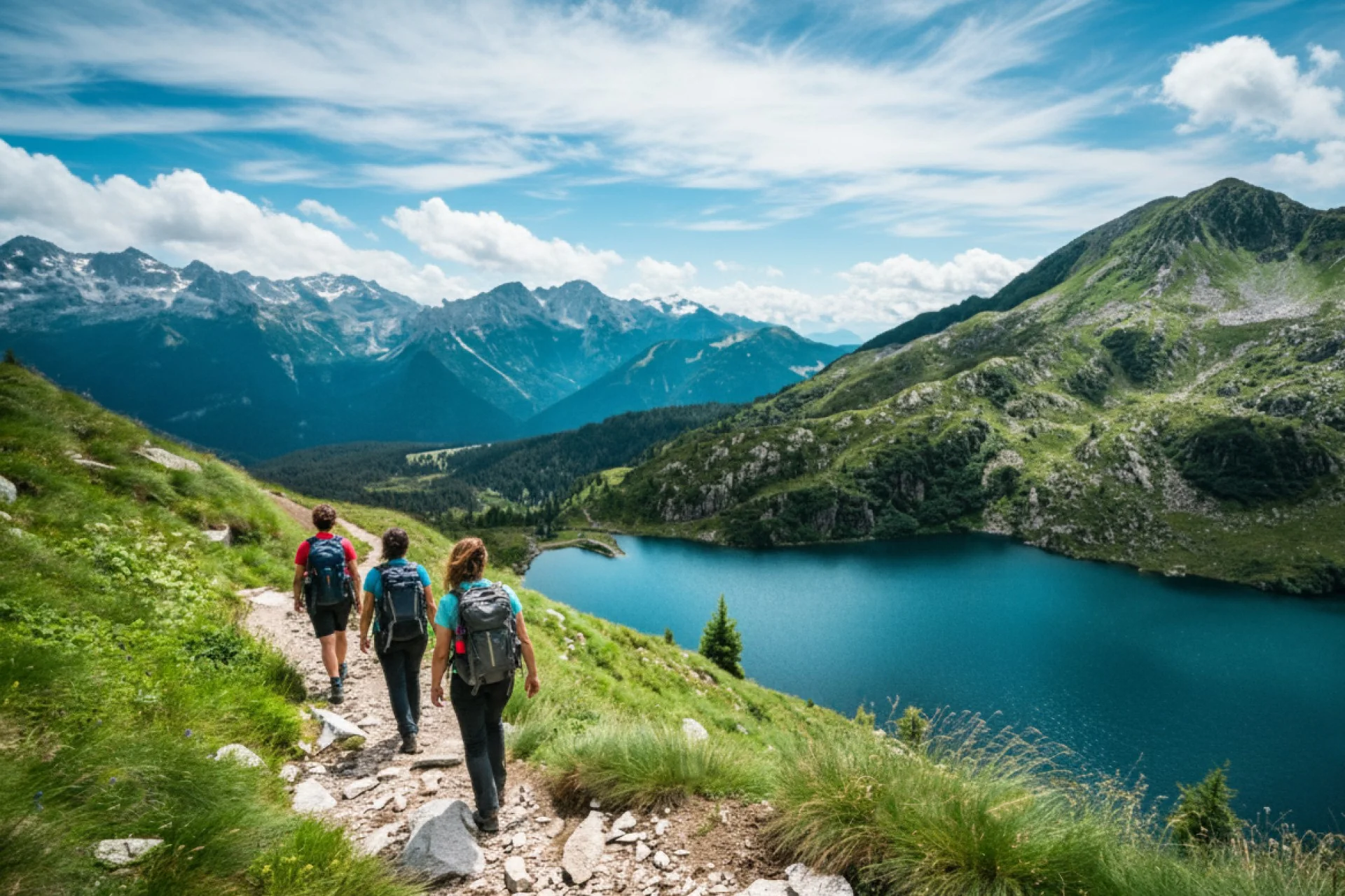
In winter, it connects to over 150 km of slopes across Folgarida, Marilleva, and Pinzolo making up the Skirama area. And in summer, the surrounding Adamello Brenta Nature Park offers hiking and biking trails through forests, waterfalls, and serene alpine lakes. It’s not hard to imagine why Madonna di Campiglio attracts visitors from more than 60 countries.
Choosing Your Base for Specific Interests
Your ideal town depends on what kind of adventure you’re after. The Dolomites may look compact on a map, but driving between valleys can take longer than you expect—so picking the right area for your main activity pays off.
The Best Towns for Hiking Enthusiasts
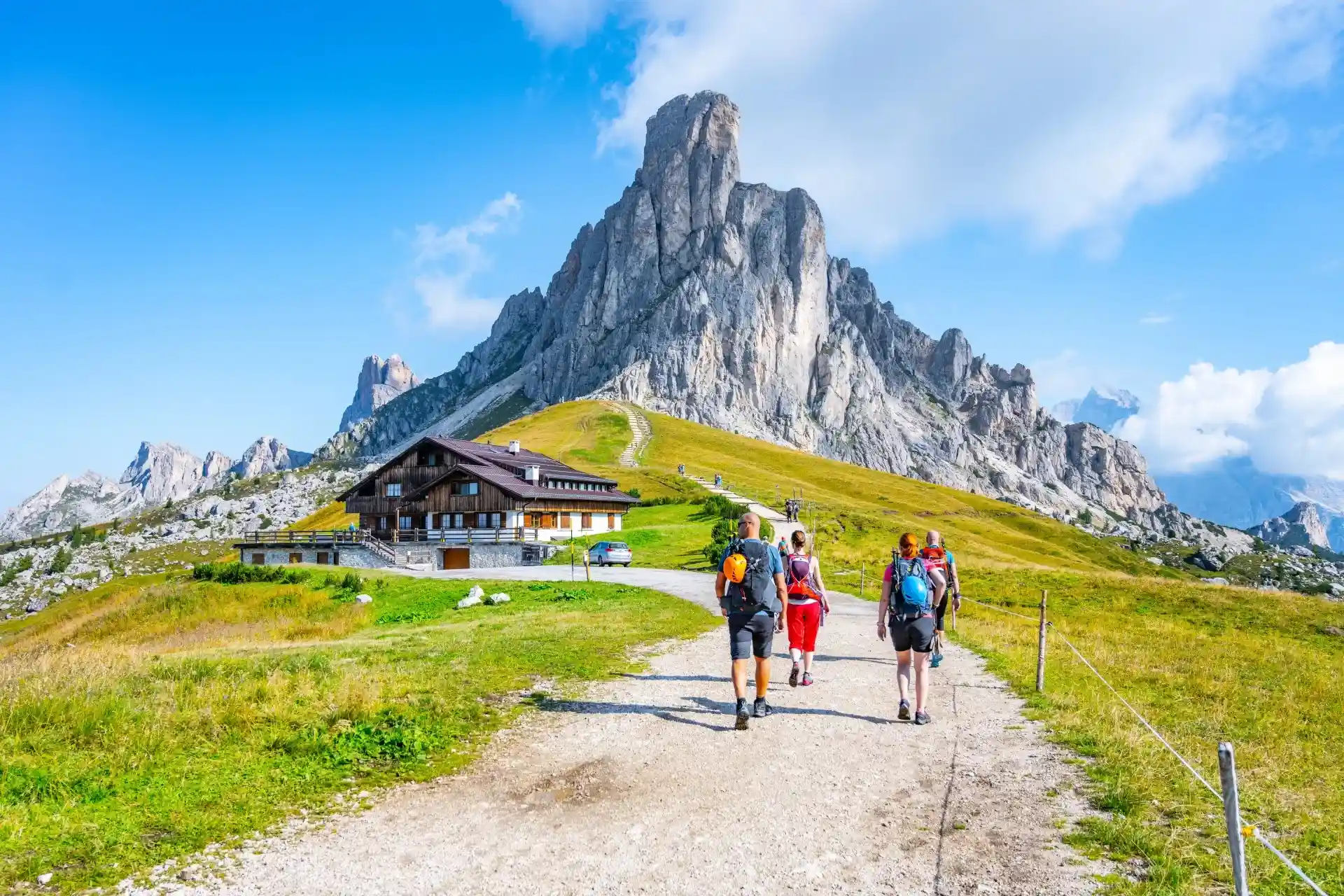
For hikers and via ferrata lovers, towns like Madonna di Campiglio, Ortisei, Corvara, and San Candido offer direct access to trailheads and chairlifts. From Ortisei, you can reach Seceda and the Odle ridgeline within minutes, while Corvara places you at the foot of the Sella Group’s iconic limestone towers.
Find the perfect base for your trekking holiday in our guide to the Best Towns for Hiking in the Dolomites.
Where to Base Yourself for the Best Cycling Routes
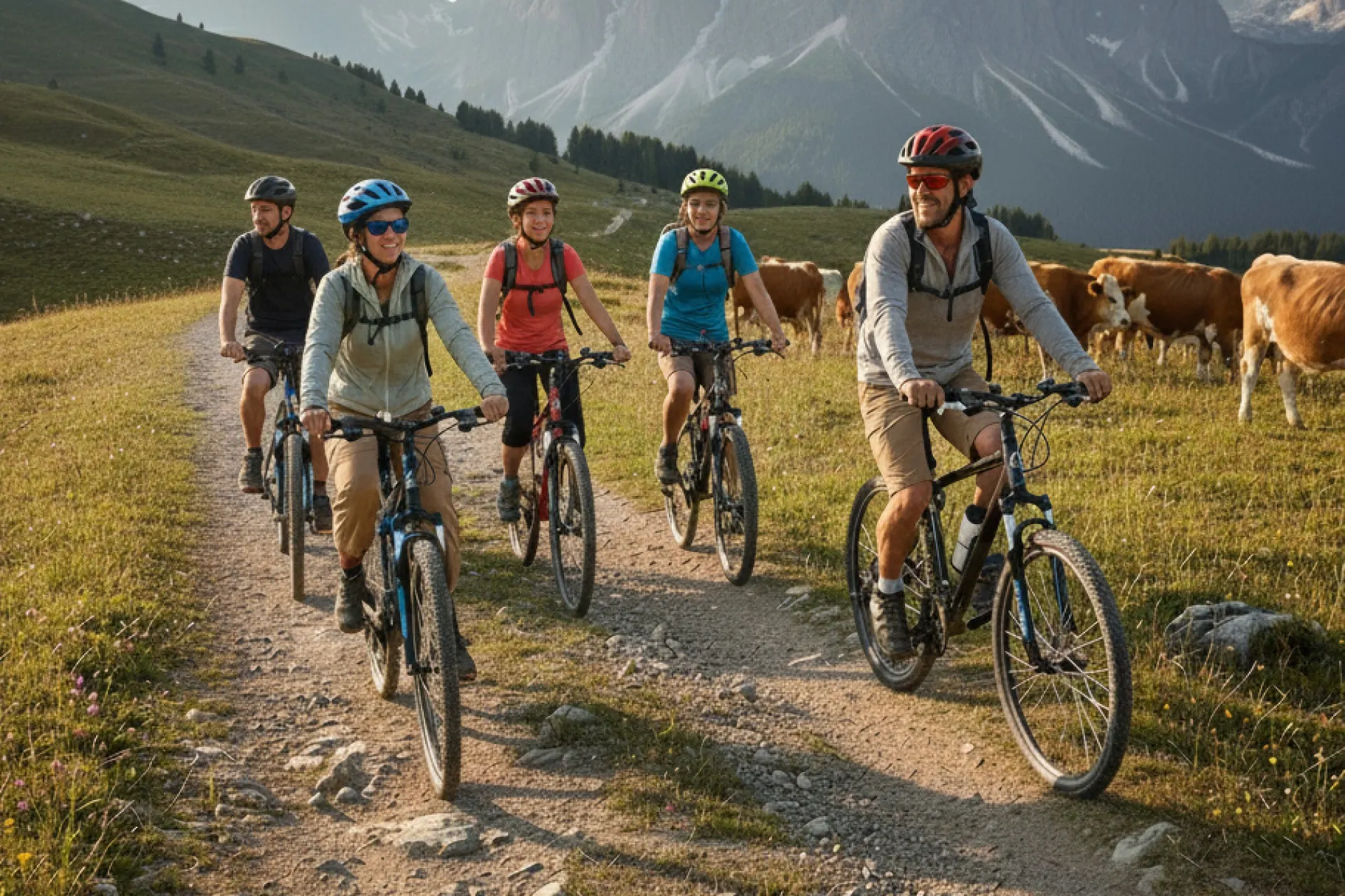
For cyclists, the Dolomites offer distinct epicenters tailored to various pursuits:
- Corvara and Selva di Val Gardena are the premier choices for conquering high-alpine road passes, particularly the legendary Sellaronda circuit. Selva further boasts status as an “Approved Bike Area” with extensive road and mountain bike infrastructure.
- Cortina d’Ampezzo and Dobbiaco are ideally situated for challenging ascents like the route to Tre Cime di Lavaredo, or for accessing less strenuous, scenic rail-trail paths.
These hubs provide immediate proximity to the region’s renowned cycling routes. For more in depth information take a look at our Ultimate Guide to Mountain Biking in the Dolomites.
The Best Base for Skiing and Snowsports
When winter blankets the Dolomites in snow, resorts like Selva in Val Gardena, Canazei in Val di Fassa, and Cortina d’Ampezzo come alive. Together they form part of the Dolomiti Superski network – 12 ski areas linked by lifts and runs totaling more than 1,200 km. These well-connected hubs offer ski-in/ski-out hotels, lively après-ski scenes, and effortless access to neighboring valleys.
In the Brenta Dolomites, Madonna di Campiglio combines refined charm with 150 km of well-groomed pistes that form the Skirama area.
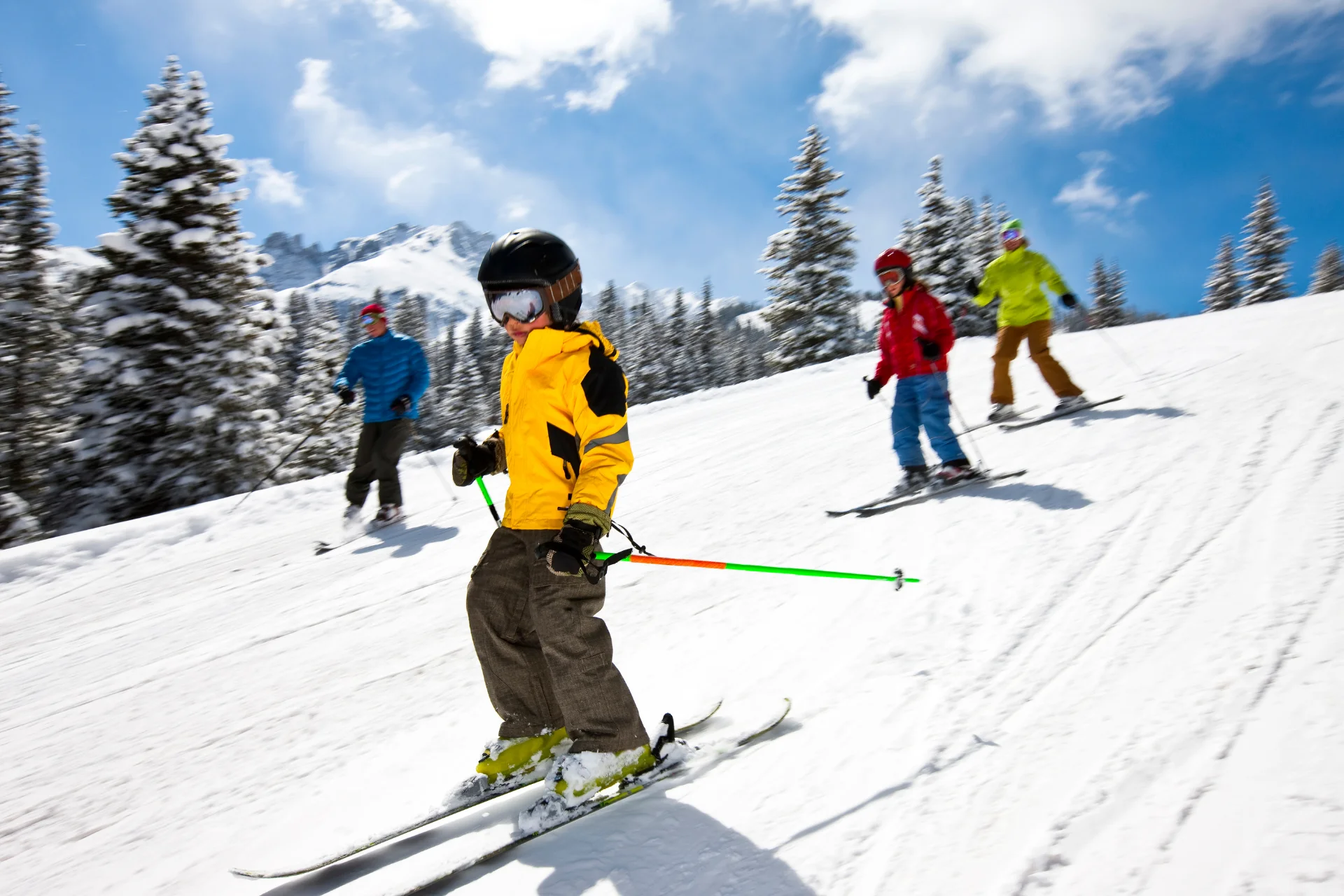
For a quieter escape, Alpe di Siusi (Seiser Alm) has gentle runs across Europe’s largest high-altitude meadow – ideal for beginners, cross-country enthusiasts, and those who love open views and calm surroundings.
Beyond these famous names are other outstanding bases that suit travelers seeking comfort and authenticity without the high-end price tag. San Vigilio di Marebbe, in the Plan de Corones (Kronplatz) – Northern Dolomites area, features wide, sunlit slopes perfect for families and intermediates, paired with friendly, mid-range lodging.
Together, these resorts showcase the Dolomites’ incredible variety; world-class skiing, warm hospitality, and options to fit every traveler’s style and budget.
Discover: The Best Places to Stay for Skiing and Snowsports in the Dolomites.


Ideal Towns for a Family Holiday
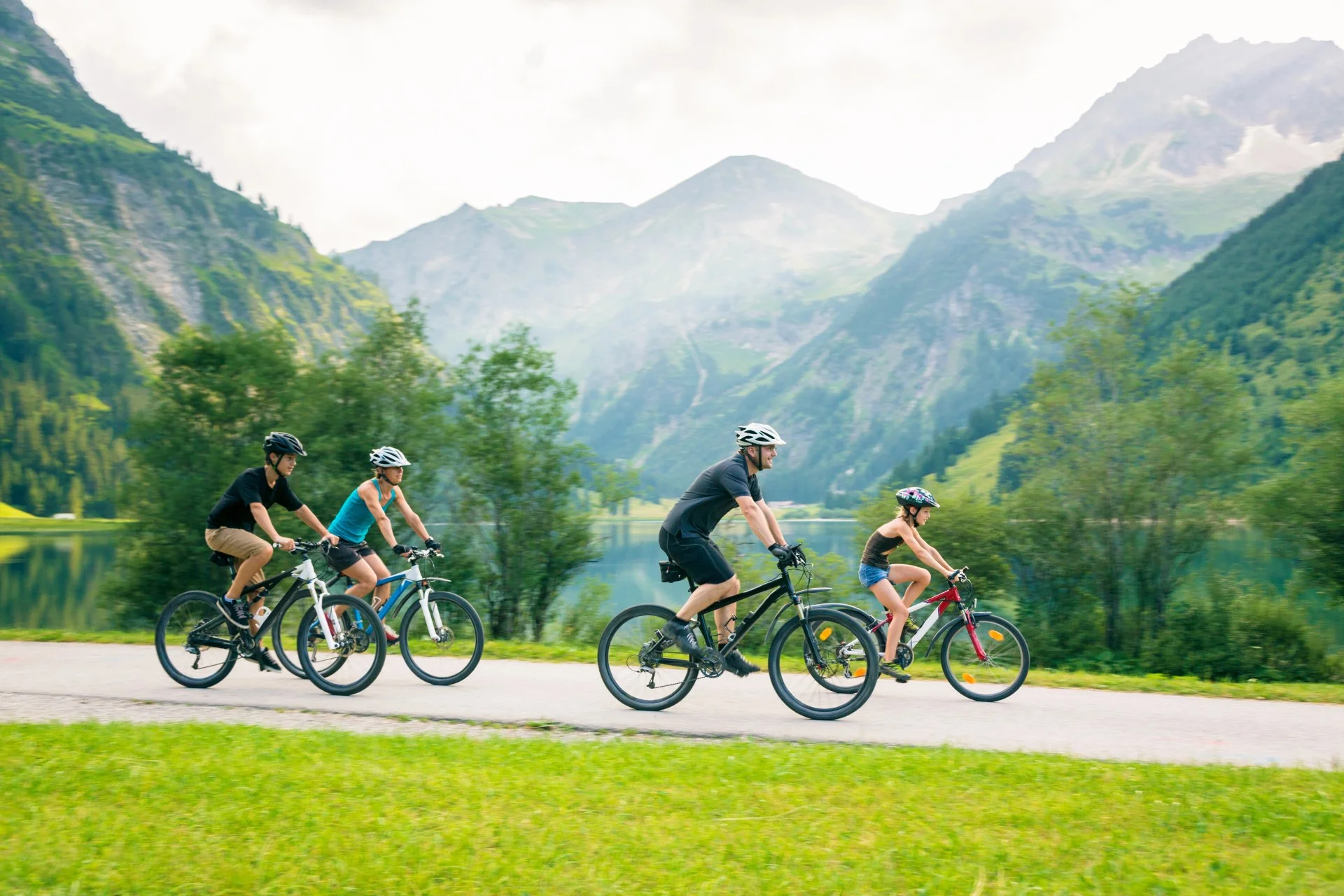
For families, a great base combines comfort, safety, and easy activities for all ages. Alpe di Siusi (Seiser Alm) and San Vigilio di Marebbe meet those criteria with an abundance of gentle hiking paths, open meadows, playgrounds, and welcoming family hotels.
Kids can enjoy alpine farms, beginner-friendly activities, and adventure parks while parents soak in mountain views.
See our full guide to the Family-Friendly Towns of the Dolomites.
Finding Your Perfect Accommodation Style
Once you’ve chosen your base, the next step is finding your ideal stay. The Dolomites are refreshingly diverse when it comes to accommodation, ranging from stylish five-star retreats to cozy mountain huts. You can enjoy a spa indulgence, family comfort, or authentic local hospitality – whatever fits your mood, group, and budget.
Discover the full range of options in our guide to the Best Hotels in the Dolomites: from Luxury Retreats to Cozy Mountain Lodges.
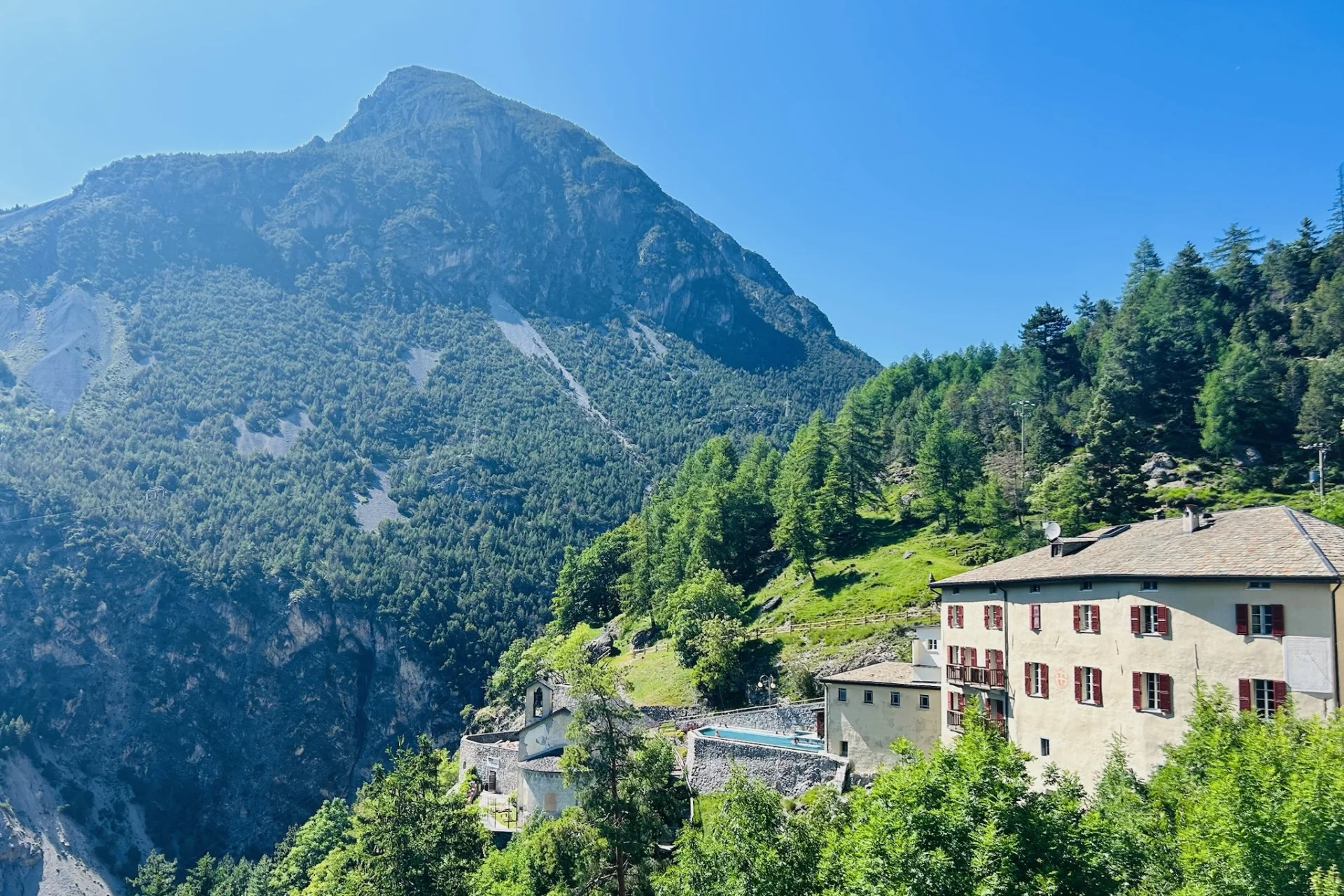
Traditional Hotels and Unique Stays
The Dolomites’ hotel scene has evolved from simple mountain lodges into a network of character-filled properties. Expect a blend of Alpine tradition and modern design, with local wood interiors, panoramic saunas, and menus rooted in Ladin and Italian cuisine.
Luxury, Boutique, and 5-Star Experiences
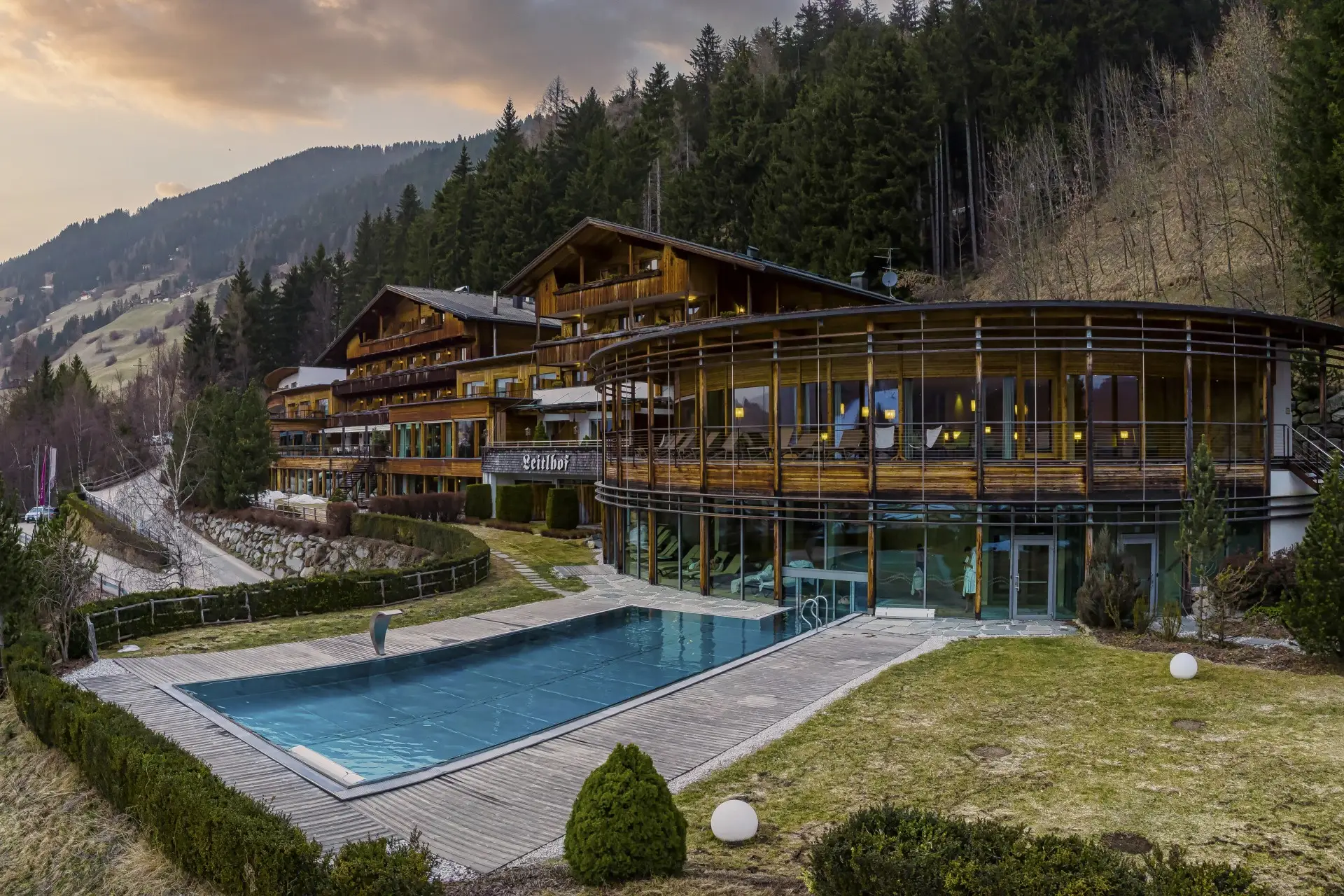
For those who love attention to detail, the region is dotted with boutique and luxury hotels that rival Europe’s best mountain resorts. Many combine sustainable architecture with spa facilities, gourmet dining, and artful design that pays homage to the landscape.
You’ll find elegant stays in Corvara, Cortina d’Ampezzo, and Ortisei, where hospitality has been refined over generations.
Explore our guide to the Best Boutique Hotels in the Dolomites for a curated selection of the most impressive and design-forward properties.
The Best Family-Friendly Hotels
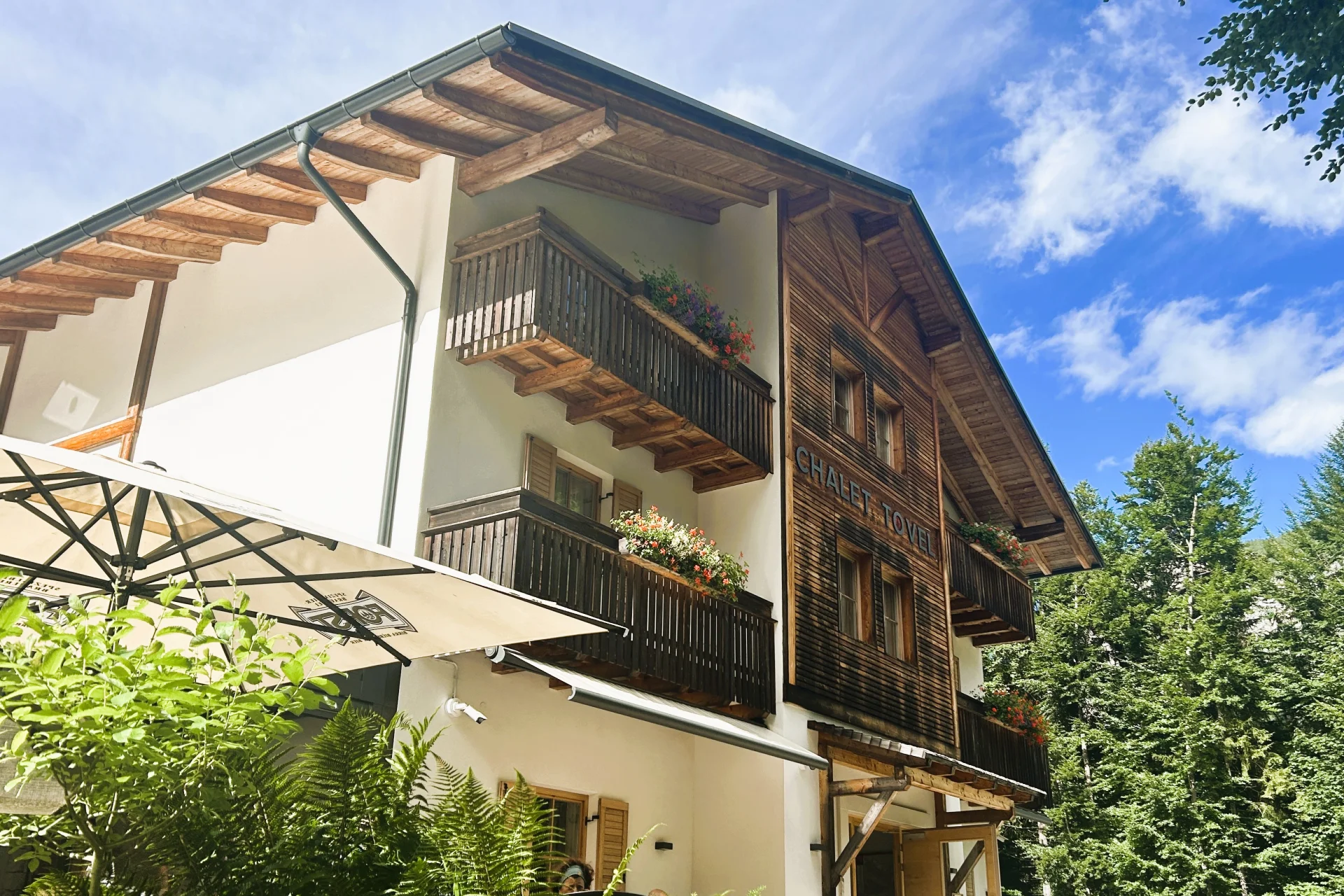
If you’re traveling with kids, comfort and convenience come first. The Dolomites excel at creating family-friendly environments.
Alpe di Siusi, San Candido, and Val di Fassa, in particular have many hotels that specialize in family packages and easy access to beginner-friendly trails and slopes.
Find your perfect family stay in our guide to the Best Family Hotels in the Dolomites.
Wellness and Relaxation: Spa Hotels
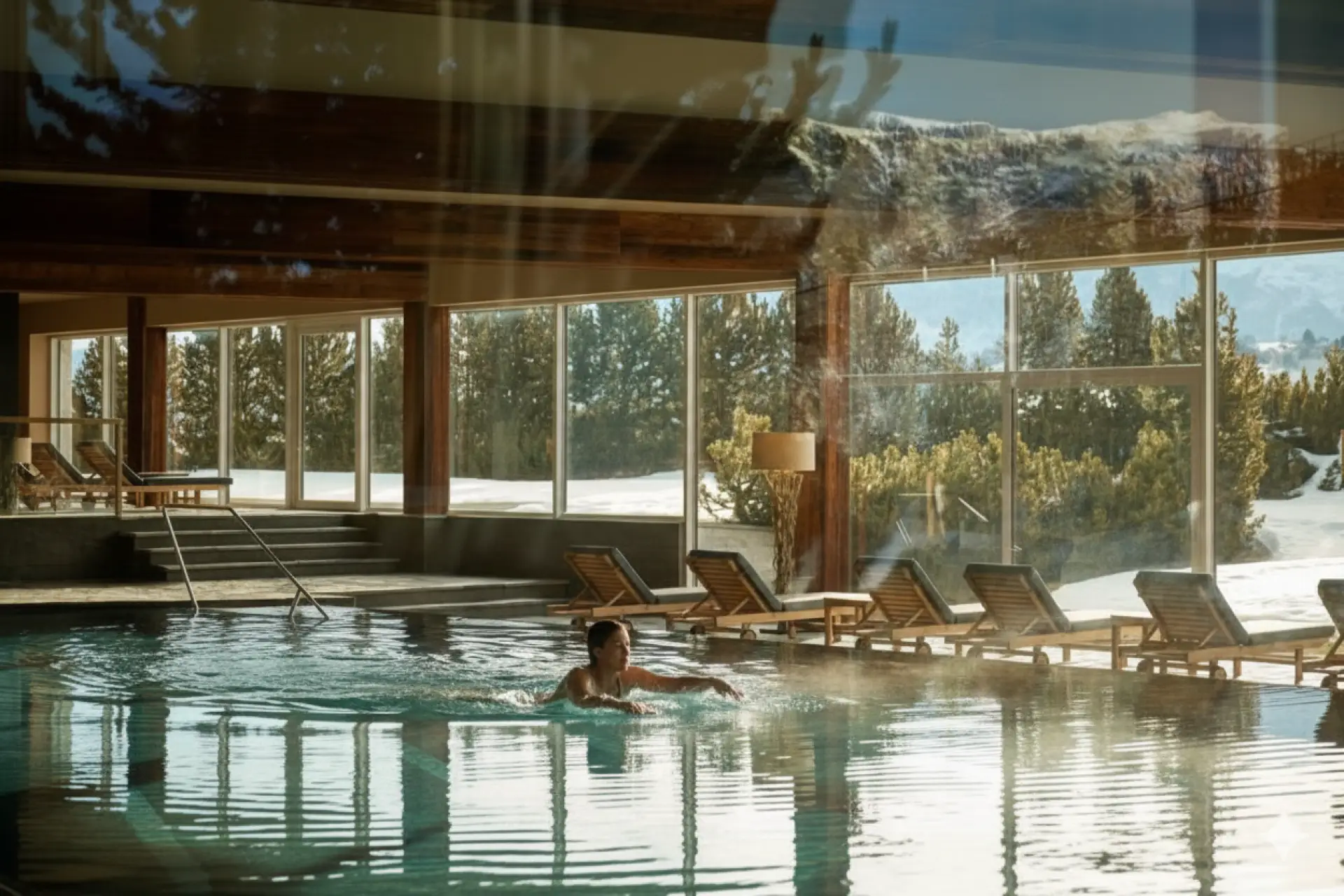
After long days exploring the trails or carving through fresh powder, few things feel better than a sauna with a view of the peaks. Many Dolomites hotels feature expansive wellness centers with heated pools, salt grottos, and panoramic relaxation rooms.
Destinations like Val Badia, Alta Pusteria, and Cortina are home to world-class spa hotels designed for both rest and recovery.
See our round-up of the Best Spa Hotels in the Dolomites for Ultimate Wellness.
All-in-One Stays: The Best Resorts
If you like having everything in one place – dining, activities, and stunning views, resorts in the Dolomites provide full-service comfort without losing their alpine charm. Many are ski-in/ski-out or situated directly along summer hiking routes.
Look for standout options in Madonna di Campiglio, San Cassiano, and Canazei.
Explore our guide to the Best Resorts in the Dolomites to see which locations offer the right mix of relaxation and adventure.
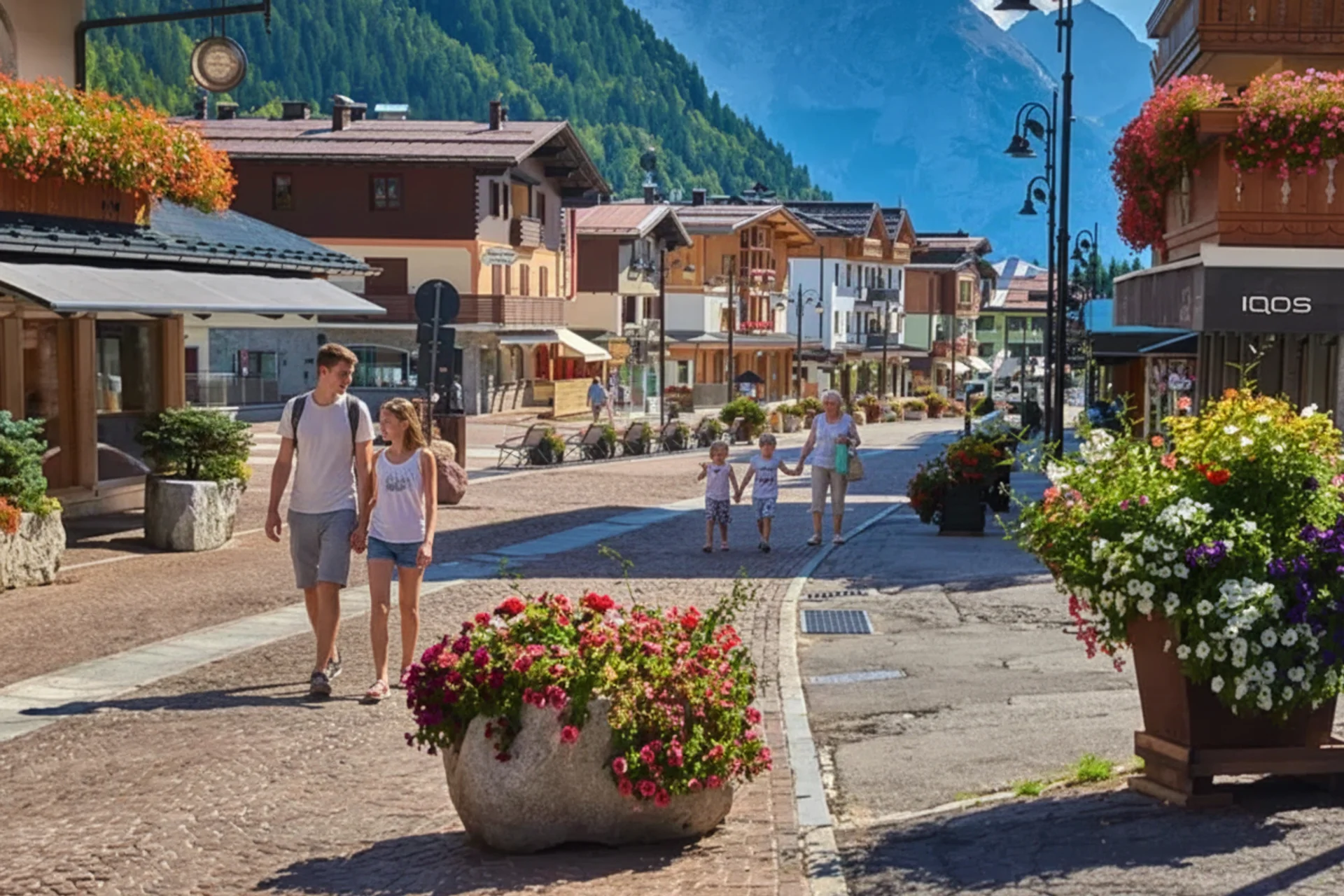
Authentic Stays: Agriturismo and Rifugios
To experience the Dolomites’ authentic culture, you can’t beat an agriturismo – a working farm that welcomes guests for overnight stays and home-cooked meals. You’ll wake to fresh milk, homemade jam, and comforting views of grazing cows in alpine meadows.
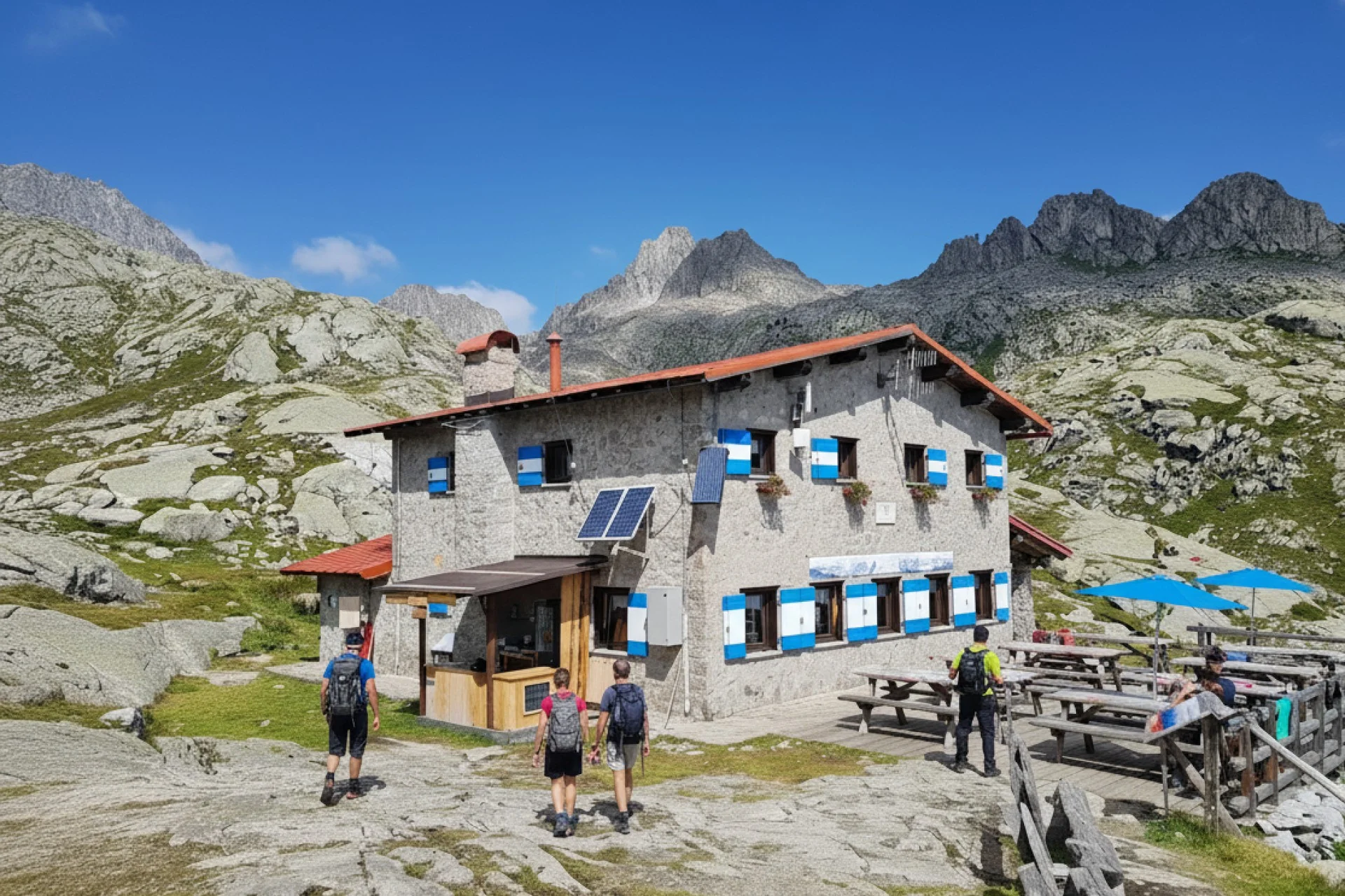
Or, if you’re hiking across the high mountains, spend a night in a rifugio – the traditional alpine hut where trekkers share hearty dinners and swap stories of mountain adventures. The amenities are basic, but the atmosphere and views more than make up for it.
Learn how to plan your farm stay in our guide to Agriturismo in the Dolomites, or read What to Expect from a Rifugio stay.
Essential Trip Planning Logistics
A few practical details can make your trip smoother and more enjoyable. Budget, transportation, and access to good food, all influence your overall experience, and are often overlooked during the planning stage.
Dining and Culinary Options in the Mountains
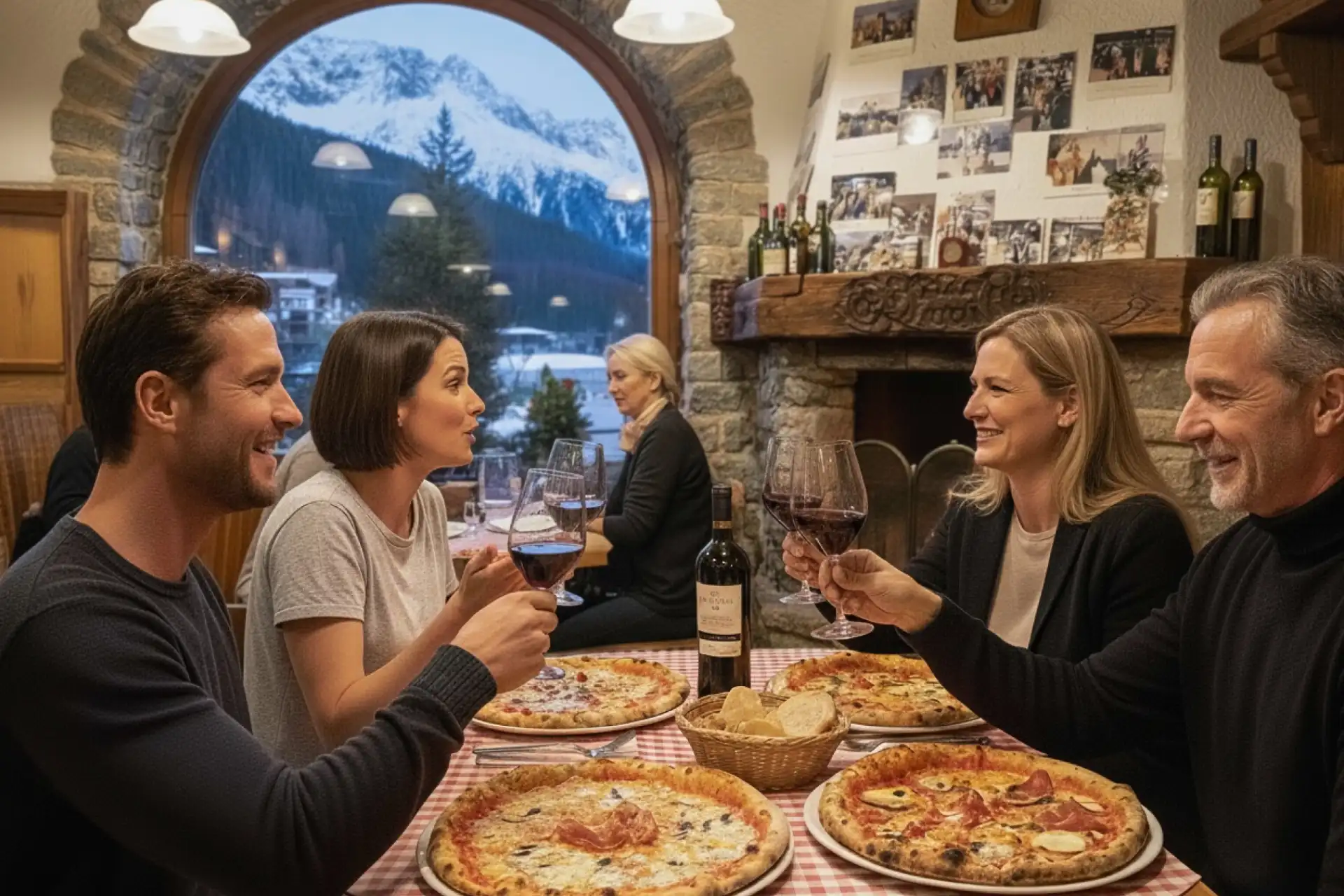
One of the joys of staying in the Dolomites is the cuisine. Expect a creative blend of Italian flavors and Alpine comfort…think handmade pasta, hearty stews, mountain cheese, thick hunks of bread and locally sourced wines.
Many travelers choose their base partly for its restaurants: Ortisei and Cortina are known for fine dining, while Val di Fassa and Alta Badia excel at cozy local taverns.
Take a food lover’s detour with our guide to the Best Restaurants in the Dolomites.
Getting Around: Dolomites Without a Car
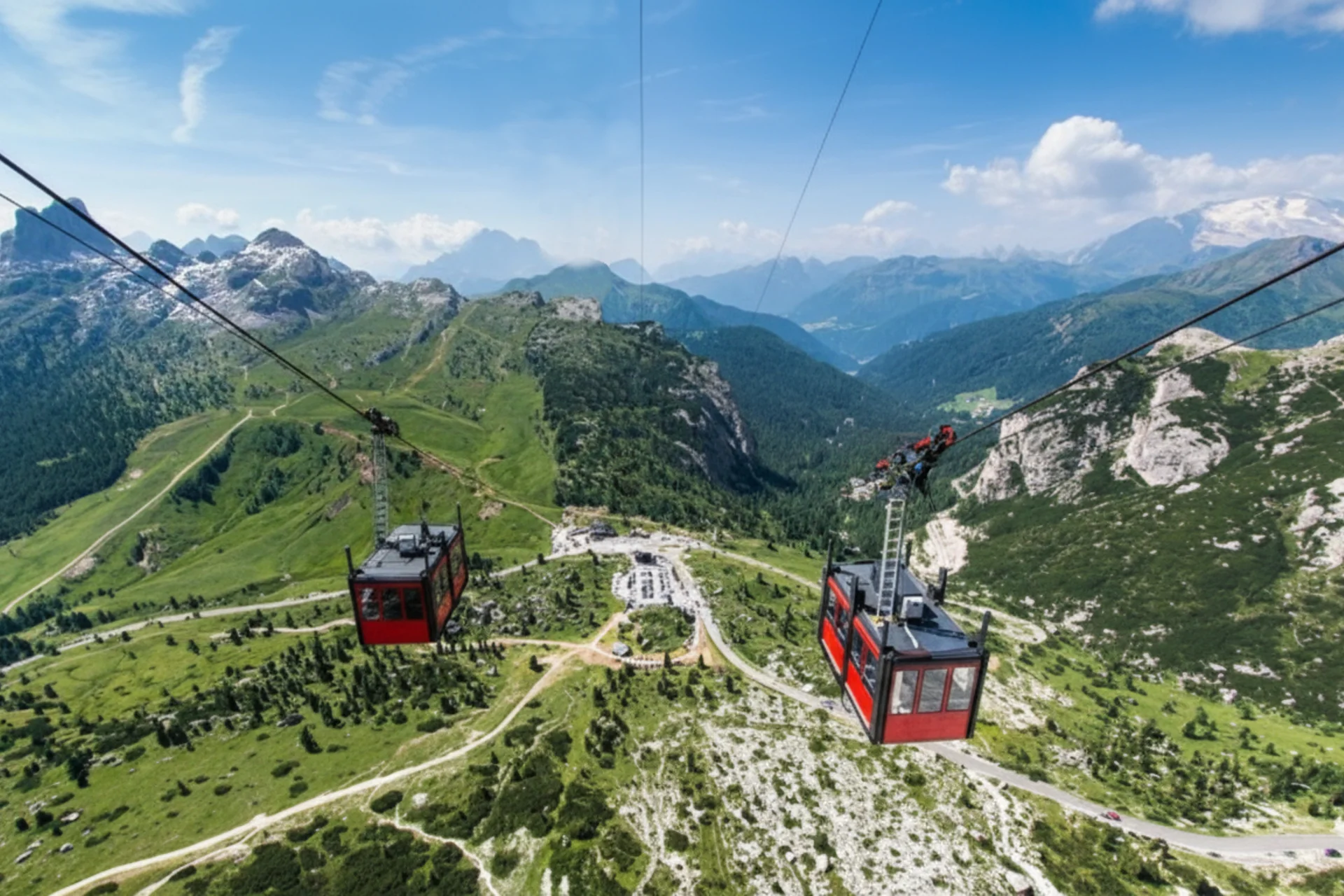
If you’d rather not drive, don’t worry – public transport in the Dolomites is modern, safe and reasonably efficient. Many towns are connected by trains and local buses, while ski lifts and cable cars make exploring the peaks easy.
Base yourself in hubs like Bolzano, Cortina, or Dobbiaco, which have reliable connections and plenty of walkable amenities.
Read our full guide on how to explore the Dolomites Without a Car.
Budgeting For Your Trip
The single biggest expense for most people is accommodation. Fortunately, the Dolomites has a range of accommodation for different budgets.
- Mid-range hotels: €150–€250 / room per night
- Luxury & spa hotels: €300+ / room per night
- Rifugios & agriturismi: €50–€100 per person (half-board)
Other high cost items include lift tickets. Transport and guides should also be factored in, but if you’re in a group then you can split the cost.
Pricing varies significantly by season, with July, August, late December and January being peak periods.
Plan your spending with our guide to Dolomites Trip Costs and Budgeting Tips.
Plan Less, Experience More
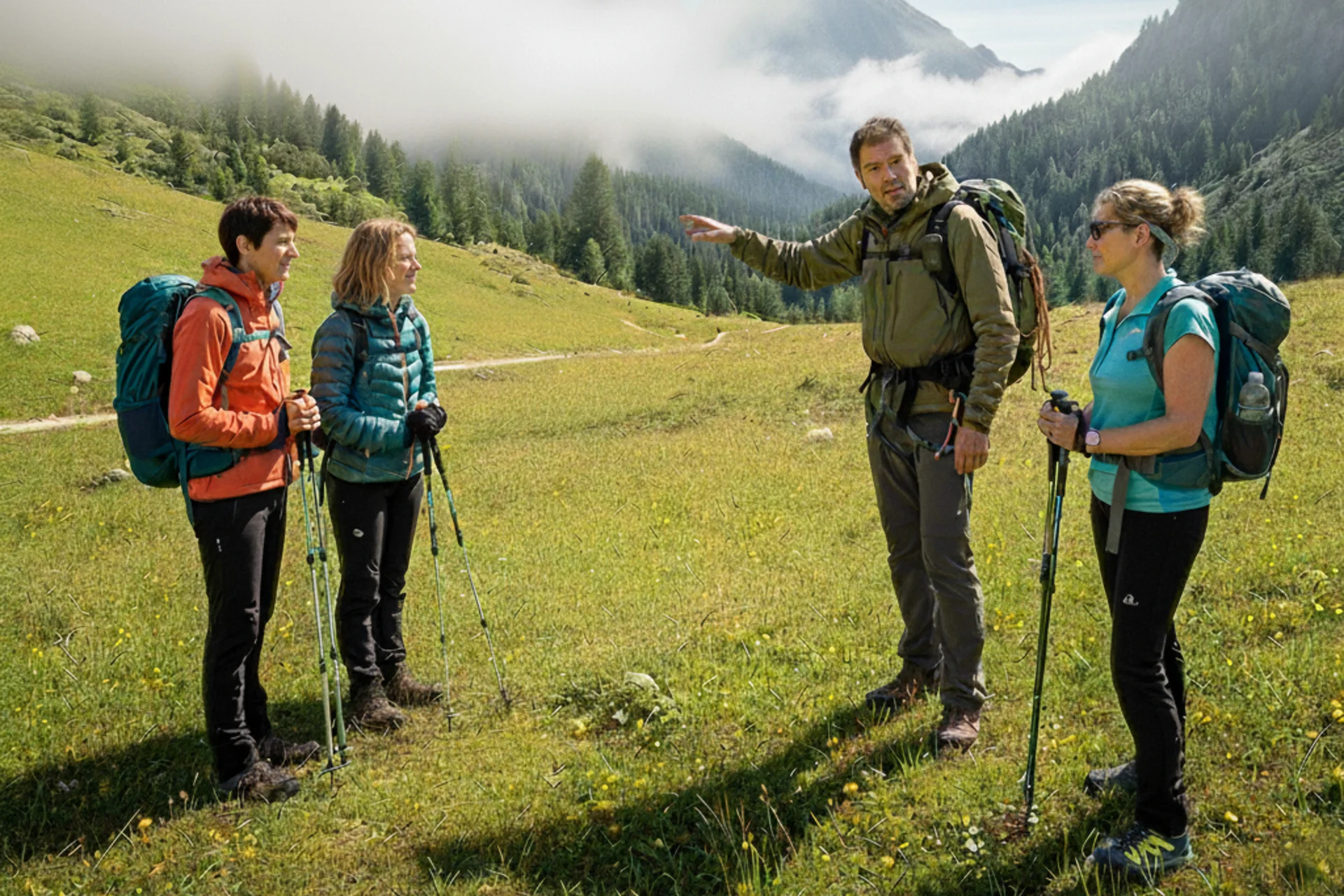
Choosing where to stay in the Dolomites doesn’t have to be complicated – and you don’t need to plan every detail alone.
If you’d prefer to skip the logistics and focus on the adventure, our locally designed tours take care of it all: accommodation, transfers, guides, and seamless daily itineraries.
Explore our small-group guided tours or discover our self-guided Dolomites holidays to find your perfect, stress-free experience in the heart of the Italian Alps.
FAQs About Where to Stay in the Dolomites
Planning where to stay in the Dolomites can be confusing, with so many valleys, villages, and lodging styles, it’s easy to feel overwhelmed. Here are the most common questions travelers ask before booking their trip.
It’s best to book three to six months in advance — or even earlier for popular spots like Val Gardena or Cortina d’Ampezzo during July, August, and the Christmas–New Year period. Mountain huts (rifugios) and boutique hotels often sell out early, while shoulder months such as June and September usually offer more availability and better rates.
The Dolomites offer a wide range:
- Hotels for convenience and full service.
- Apartments or chalets for flexibility and families.
- Agriturismo stays for authentic, farm-to-table experiences.
- Rifugios (mountain huts) for hikers and adventurers who want to wake up in the high peaks.
Choose based on budget, amenties and comfort.
Absolutely. Towns like Canazei, San Vigilio di Marebbe, and Dobbiaco offer excellent mid-range hotels and access to top trails and slopes without the high price tags of Cortina or Selva. Many of these smaller bases have lift connections, scenic surroundings, and warm, family-run hospitality.
If your trip is for just a few days, it’s easier to stay in one central base close to the activities and things you want to do. For longer stays, of a week of more, splitting between two areas (e.g., Val Gardena and Alta Badia) lets you experience a greater variety without long daily drives.
Rifugios are rustic and offer a unique experience with vibrant conversation, hearty meals and incredible views. However, expect shared rooms and shared bathrooms.
Agriturismo stays are working farms offering local food and a warm family atmosphere. You’ll enjoy homemade breakfasts, fresh produce, and authentic mountain hospitality – often for less than a standard hotel.
Yes – public transport is surprisingly good in the hub centres. Bases like Bolzano, Cortina, Dobbiaco, and Ortisei are connected by trains, buses, and cable cars. Some hotels include free or discounted transit passes, making it easy to explore without driving.
Famous bases like Cortina d’Ampezzo and Val Gardena offer iconic scenery and amenities but come at a premium.
Smaller villages, such as Colfosco, San Candido, or Madonna di Campiglio provide better value, quieter evenings, and a more authentic connection to local life.
Share

Written by Justin
Justin is a certified E-Bike Guide – Instructor (Level 2) and co-founder of Dolomites Active Tours. Living in the Dolomites, he is an avid cyclist, hiker, loves via ferrata, and spends his winters on the slopes. His first-hand experience exploring these mountains allows him to share practical insights and expert advice for those eager to discover the Dolomites.
More posts from Justin