
Everything you need to know about the dolomites, for an unforgettable cultural experience and outdoor adventure!
Welcome to the ultimate travel guide to the Dolomites (I Dolomiti). This UNESCO World Heritage site in the northern Italian Alps is not merely a scenic backdrop; it is a destination purpose-built for active, multi-day adventures, perfectly suited for couples, friend groups, and families seeking a high-value, unforgettable holiday.
Whether you’re here to hike the famous Alta Via trails, cycle the legendary passes, or ski at world-class resorts, the Dolomites promise a trip that connects you with nature, introduces you to a centuries old culture and challenges your spirit of adventure.
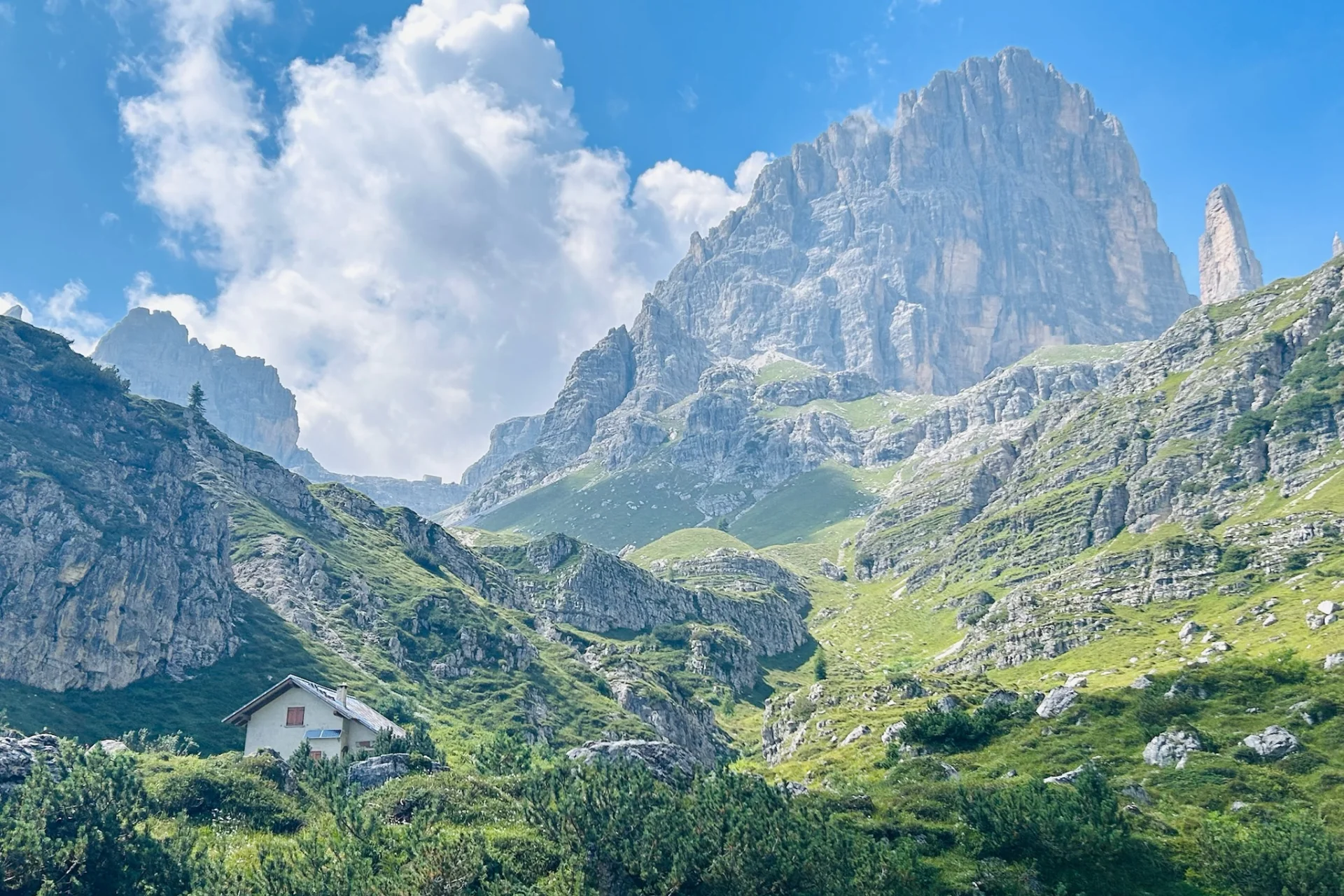
At Dolomites Active Tours, we love exploring these mountains and sharing this special place. From guided tours to self-paced exploration to ski safaris, we’ve designed this ultimate guide to help you discover the very best of Italy’s most spectacular mountain destination and to plan your adventure with confidence.
This ultimate travel guide serves as your starting point; linking you to the precise, expert information required to plan your trip and select the ideal holiday and Dolomites tour package.
Where Are the Dolomites?
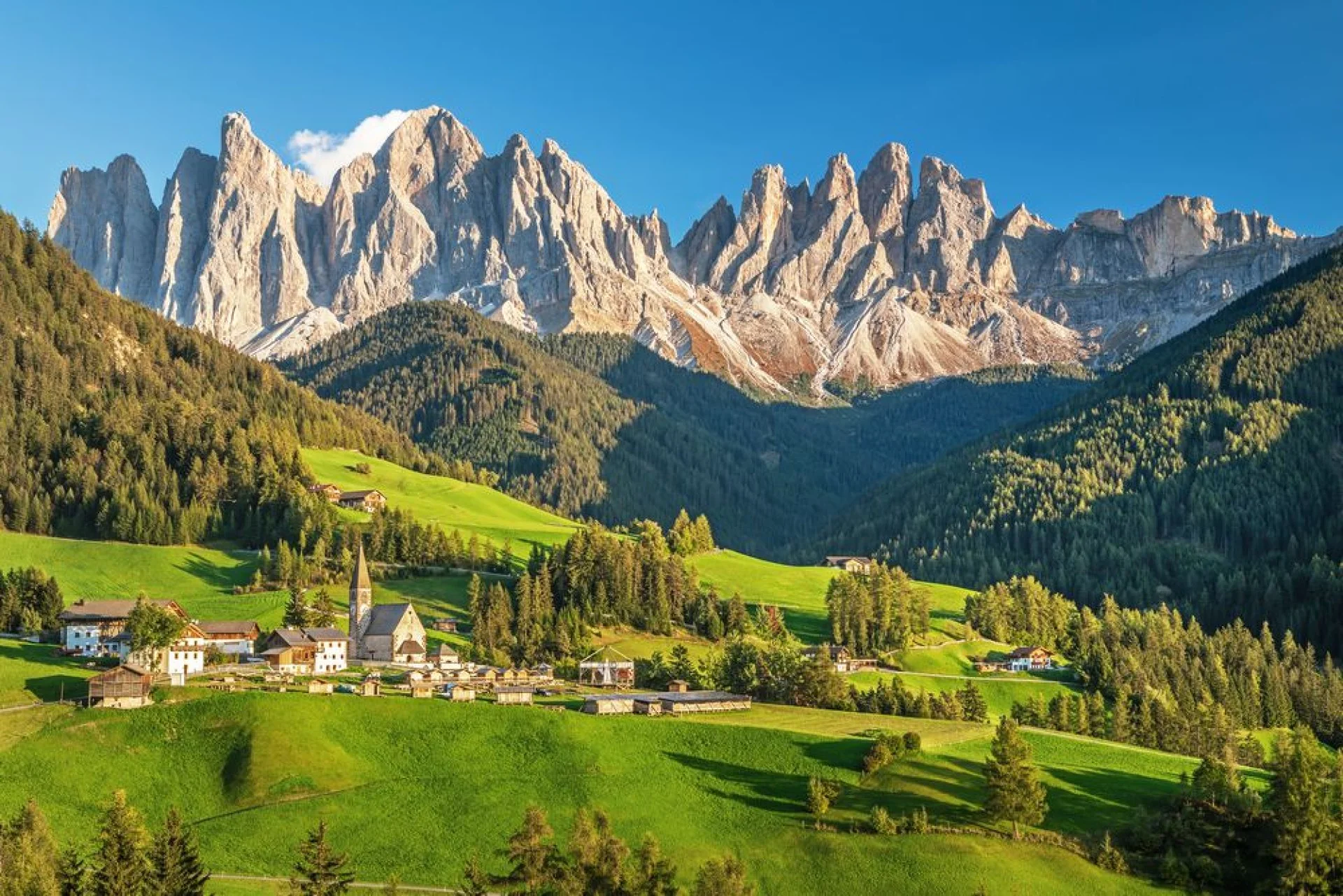
The Dolomites stretch across northeastern Italy, straddling the regions of Trentino-Alto Adige/Südtirol, Veneto, and Friuli Venezia Giulia. They form part of the Southern Limestone Alps with both Italian and Austrian cultural influences.
With over 142,000 hectares of protected landscapes, the Dolomites offer endless exploration. From the dramatic peaks of Tre Cime di Lavaredo to the rolling pastures of Alpe di Siusi, and the dozens of pristine lakes in between, there is enough diversity to suit everyone.
The area around the mountains also includes dozens of historic towns and small cities, including Bolzano, Trento, Merano, and Vipiteno.
Planning your base? Don’t miss our guide to the best places to stay in the Dolomites.
Understanding the Dolomites: Geology, History, and Culture
To truly appreciate the Dolomites, you should look beyond the picture postcard mountain scape and explore the unique blend of profound geologic magnificence and deep cultural history.
Why the Dolomite Mountains are Unique
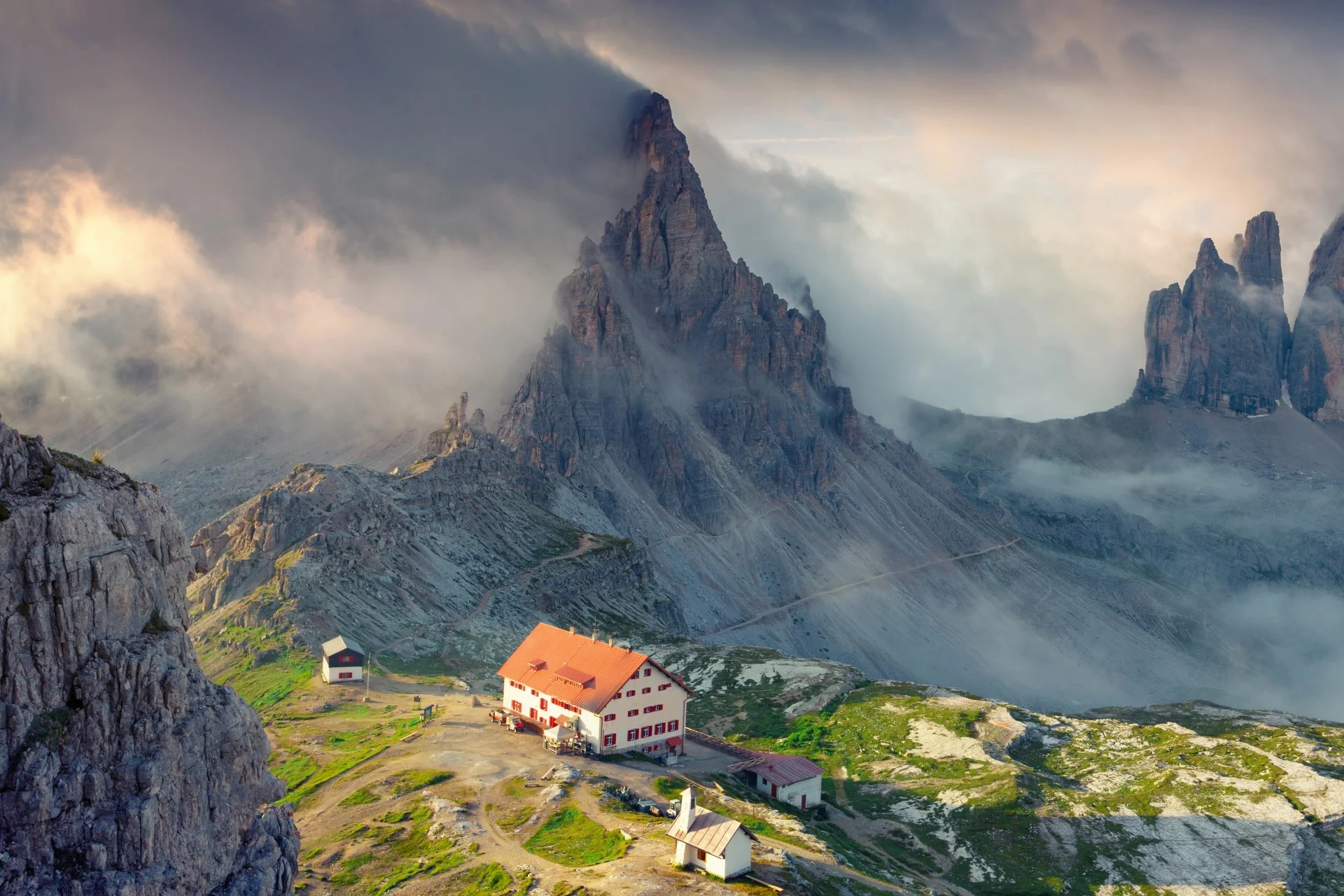
The striking aesthetic of the Dolomite mountains stems from their unique geology. It’s unbelievable to imagine, but the peaks (mainly of dolomite rock), originated from a coral reef on a tropical seafloor. Over millions of years, tectonic shifts and glacial erosion carved this ancient platform into the dramatic spires and cliffs we see today.
For further reading on the geological significance of the region, we suggest consulting the official UNESCO World Heritage Centre listing for the Dolomites.
The Nine Mountain Ranges of the Dolomites
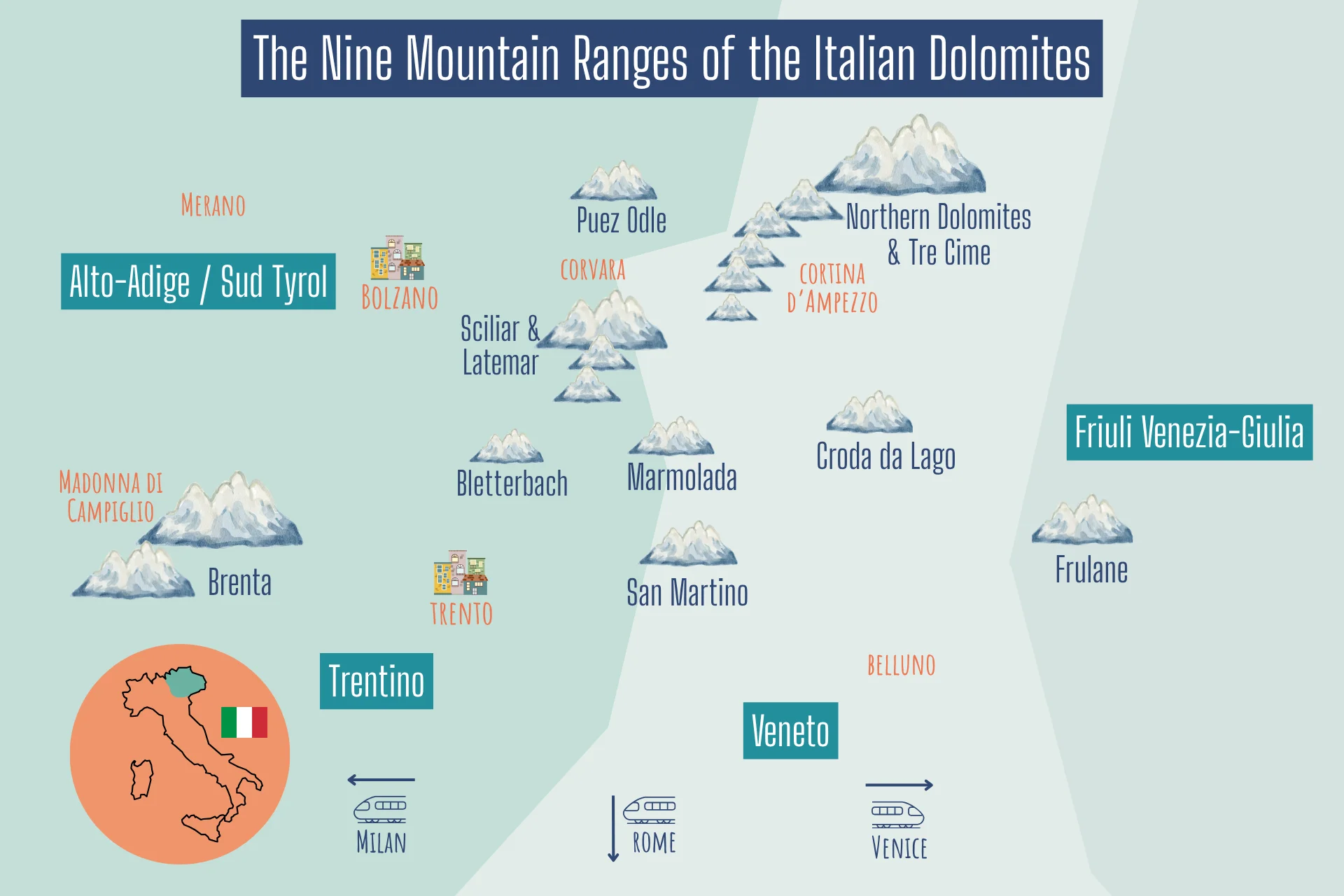
The Dolomites are not one range, but comprise nine distinct mountain systems, each with something different to offer:
Dolomiti Settentrionali (Northern Dolomites): The most expansive system, consists of four main areas and features the massifs of Tofane and Cristallo. The area also includes famous sights like Lago di Braies, Lago di Sorapis, Tre Cime di Laverado, Cinque Torri, and is close to the popular Cortina d’Ampezzo and Val Badia. Its sheer size and wealth of natural, geological, and historical heritage make it one of the most diverse areas to explore.
Puez – Odle (Geisler): Often called “The Earth’s History Book,” this system is a geological masterpiece contained entirely within a protected park. Val Gardena lies to the south, and Val Badia to the east, and this range is home to the famous Seceda peak – easily accessible from the town of Ortisei.
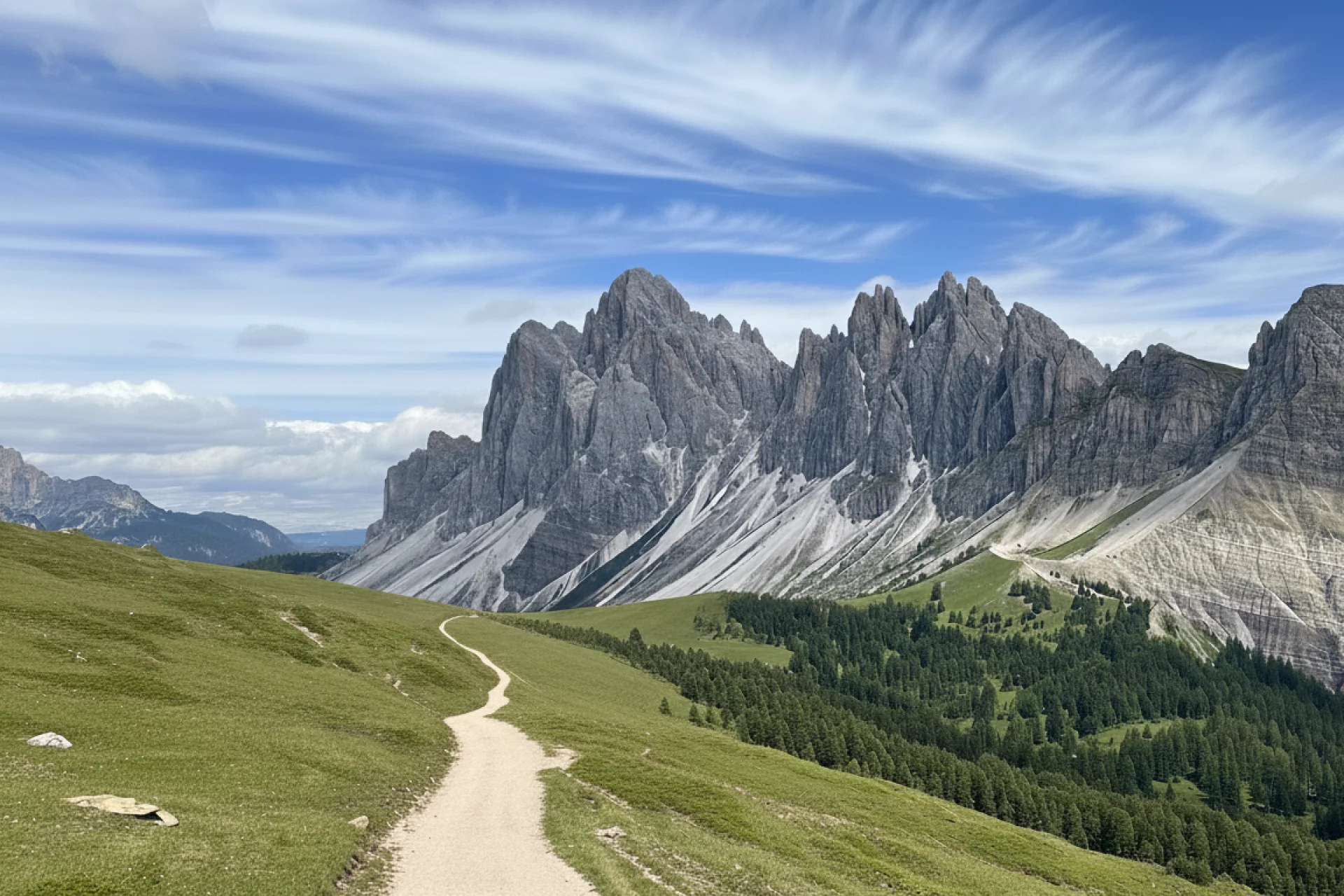
Sciliar & Latemar: The Sciliar massif lies between Alpe di Siusi and Val Gardena. The Sassolungo and Sella massif also form part of this impressive range. And a little to the south, before reaching Val di Fassa, are the distinctive Latemar spires, which are perfectly reflected in the waters of Lago di Carezza.
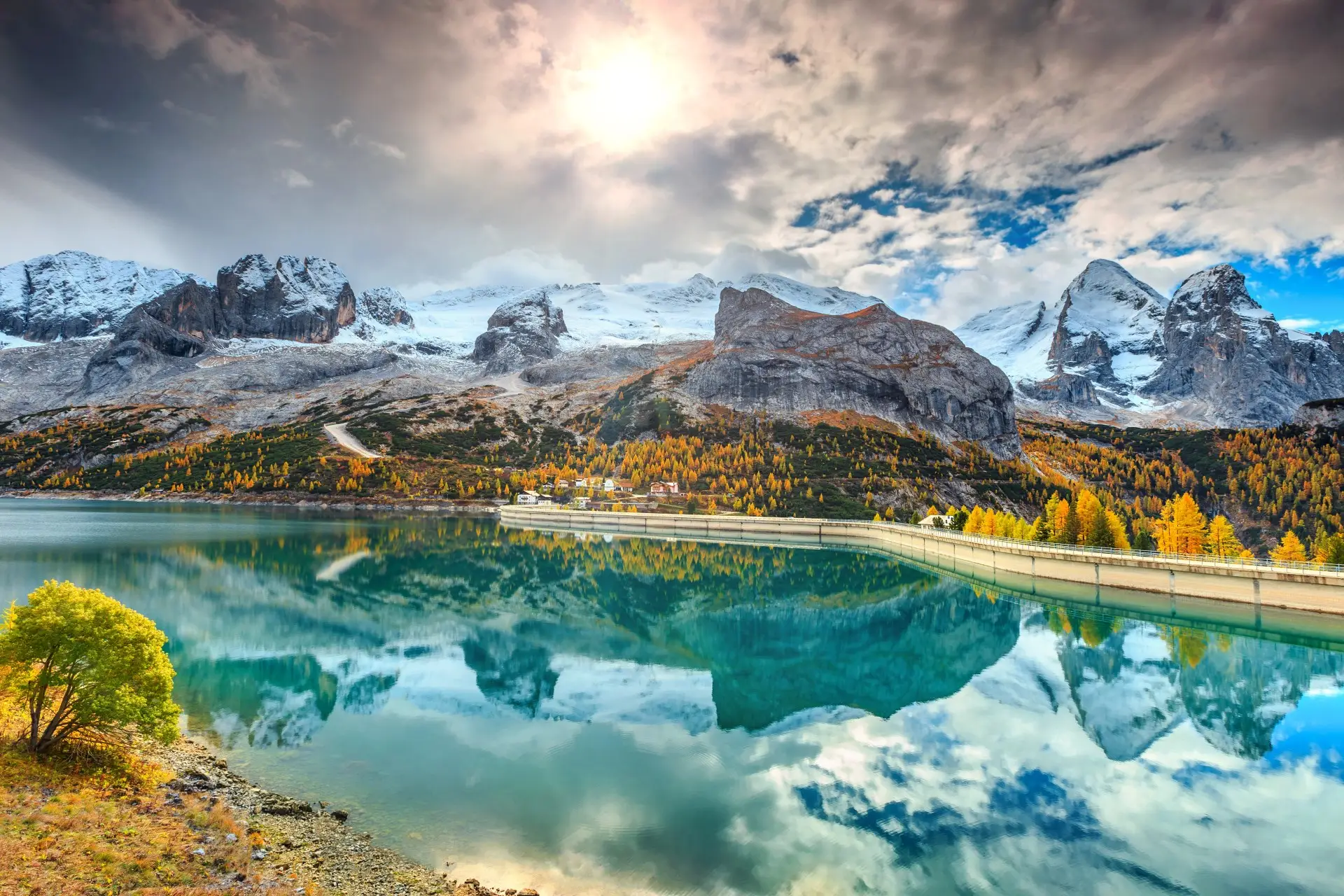
Marmolada: Revered as the “Queen of the Dolomites”. This system holds the region’s highest point, Punta Penìa (3,343 m), and the largest glacier in the Dolomites that slopes down to the mirrored lake of Fedaia
Brenta Domolites: The westernmost system, distinguished by its unique and dramatically jagged morphology and lofty pinnacles. Lago di Molveno and its picture-perfect namesake town lie on the eastern border, and on the west, you can find the fashionable winter and summer resort town of Madonna di Campiglio.
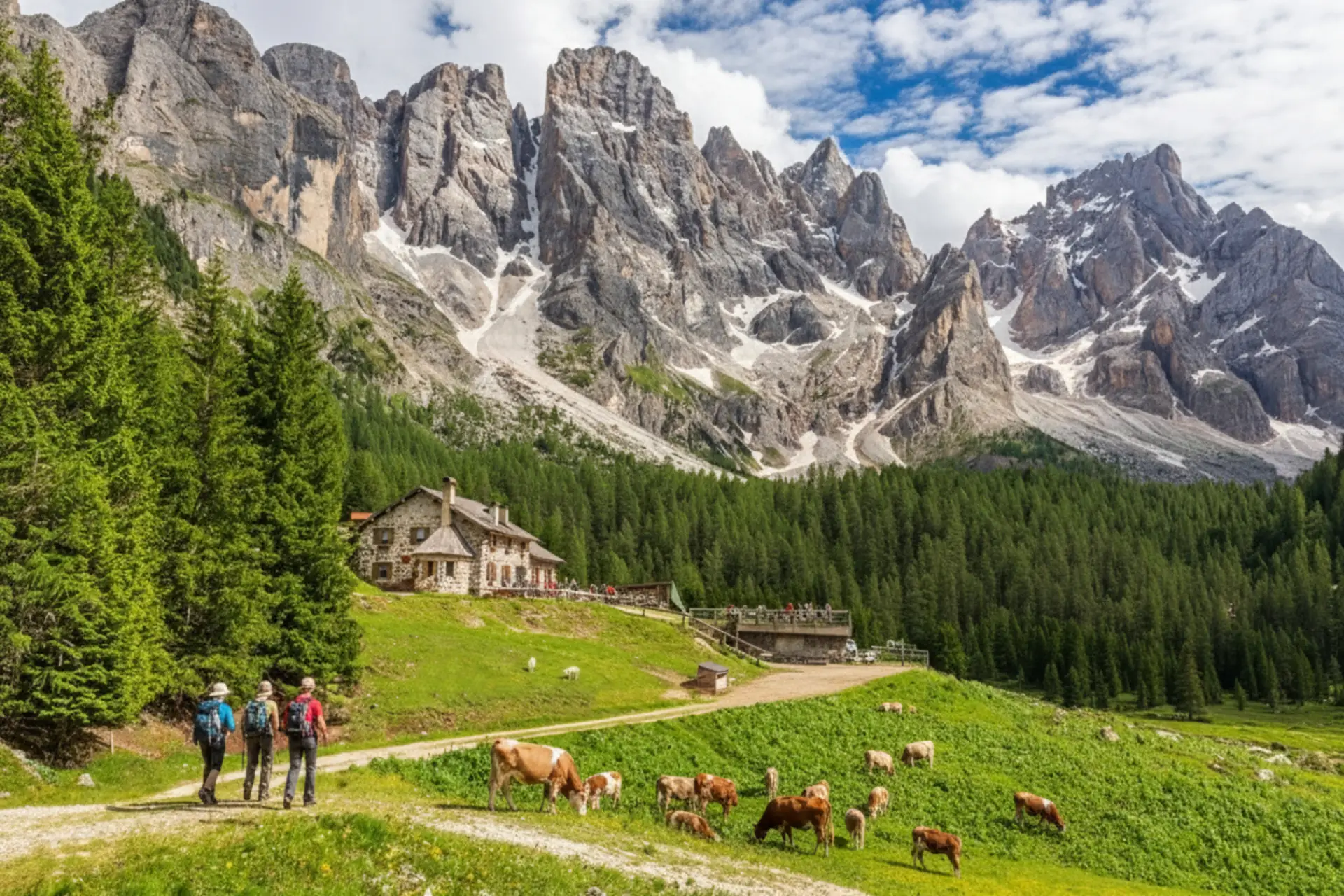
Pale di San Martino / Dolomiti Bellunesi: The second largest range, characterized by immense contrasts. It is defined by deep, rugged valleys to the south and rolling alpine meadows to the north.
Pelmo – Croda da Lago: Offers some of the most iconic images of the Dolomites, including the unforgettable view from Giau Pass to Croda da Lago and the colossal Mt. Pelmo, known as the “Throne of the Eternal Father.”
Dolomiti Friulane: The true wilderness heart of the Dolomites. Largely untouched by human development, this compact range is the ideal escape for those seeking raw, untamed nature.
Bletterbach: Though the smallest and geographically separate, this natural monument is a spectacular, deep geological gorge.


A Unique Cultural Identity
The region’s history is equally compelling. Ancient Ladin communities shaped the high valleys, and many of the modern-day hiking trails and via ferrata routes trace the historic military supply lines of World War I.
The villages, valleys, and mountain peaks are connected by a blend of Italian and Austrian/German history. The Dolomites are a rich cultural crossroads with unique people and culture that is a splendid contrast to the rest of Italy and Europe.

Even the food and cuisine is quite distinct from the rest of Italy. Of course, you’ll find pizza and pasta, but also expect hearty mountain food, with herby dumplings in warm broths, stewed meats with a generous serve of polenta, local cheeses from the alpine cows, and apple strudel to finish off every meal!
The region also grows several varieties of grapes used for wines, such as the fruity Teraldego (a local wine), as well as international grapes like Chardonnay, Pinot Grigio, and Merlot. And if that weren’t enough, there is plenty of beer to be drunk, including craft beer made from local spring water.
Why Visit the Dolomites?
Here’s why travelers from around the world fall in love with these mountains:
- Unforgettable scenery: The nine mountain ranges, valleys, and lakes are nothing short of stunning. From the sunrise alpenglow on the Pale di San Martino to sunset over the Sella massif, every hour paints a new masterpiece.
- Year-round adventure: Whether you’re hiking, skiing, cycling, or climbing, each season sets a new challenge.
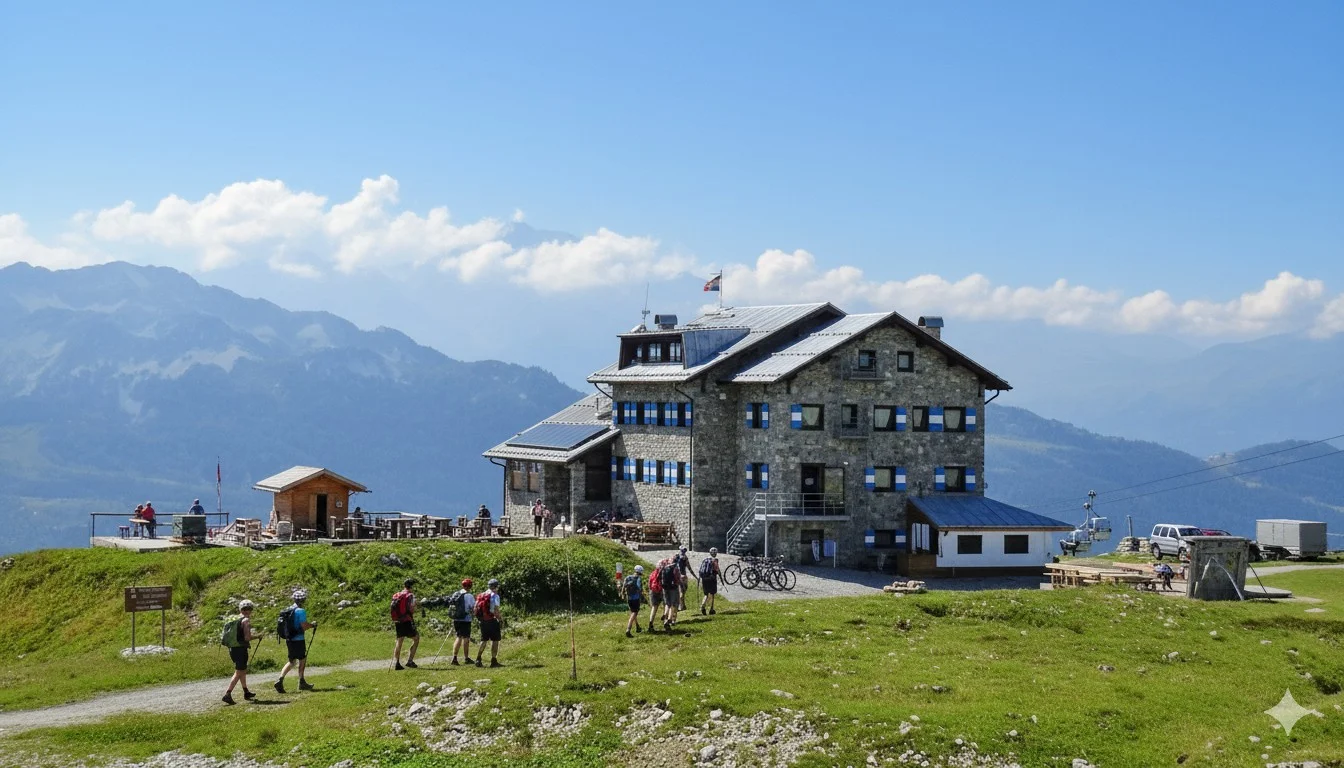
- Comfort and hospitality: Over the decades, the mountains have welcomed tourists and adventurers, and visitors now have a choice that includes both simple mountain huts and lavish luxury resorts.
- Ease and accessibility: Despite their grandeur, the Dolomites are within just a few hours from airports in Venice, Innsbruck, Verona, and Milan.
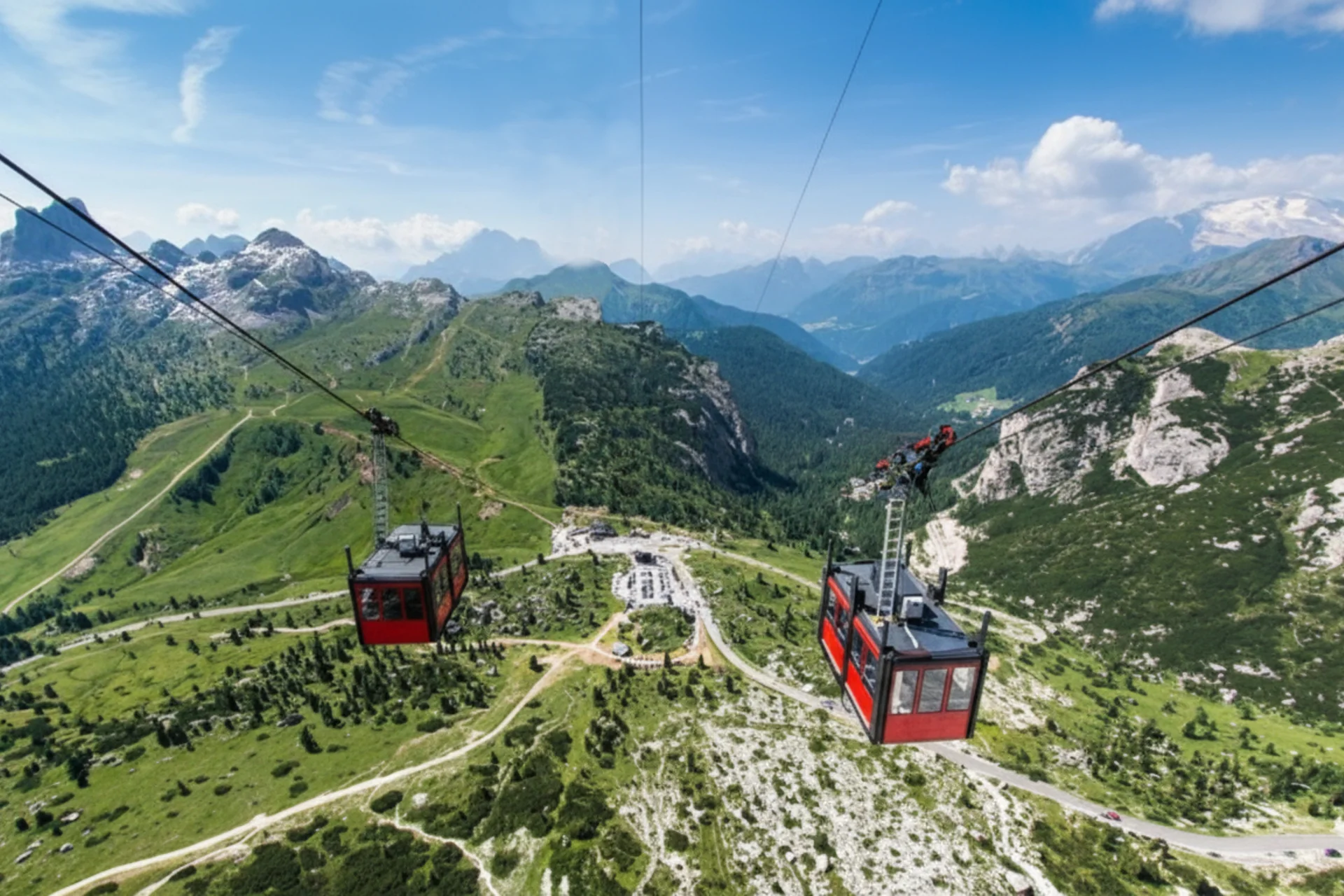
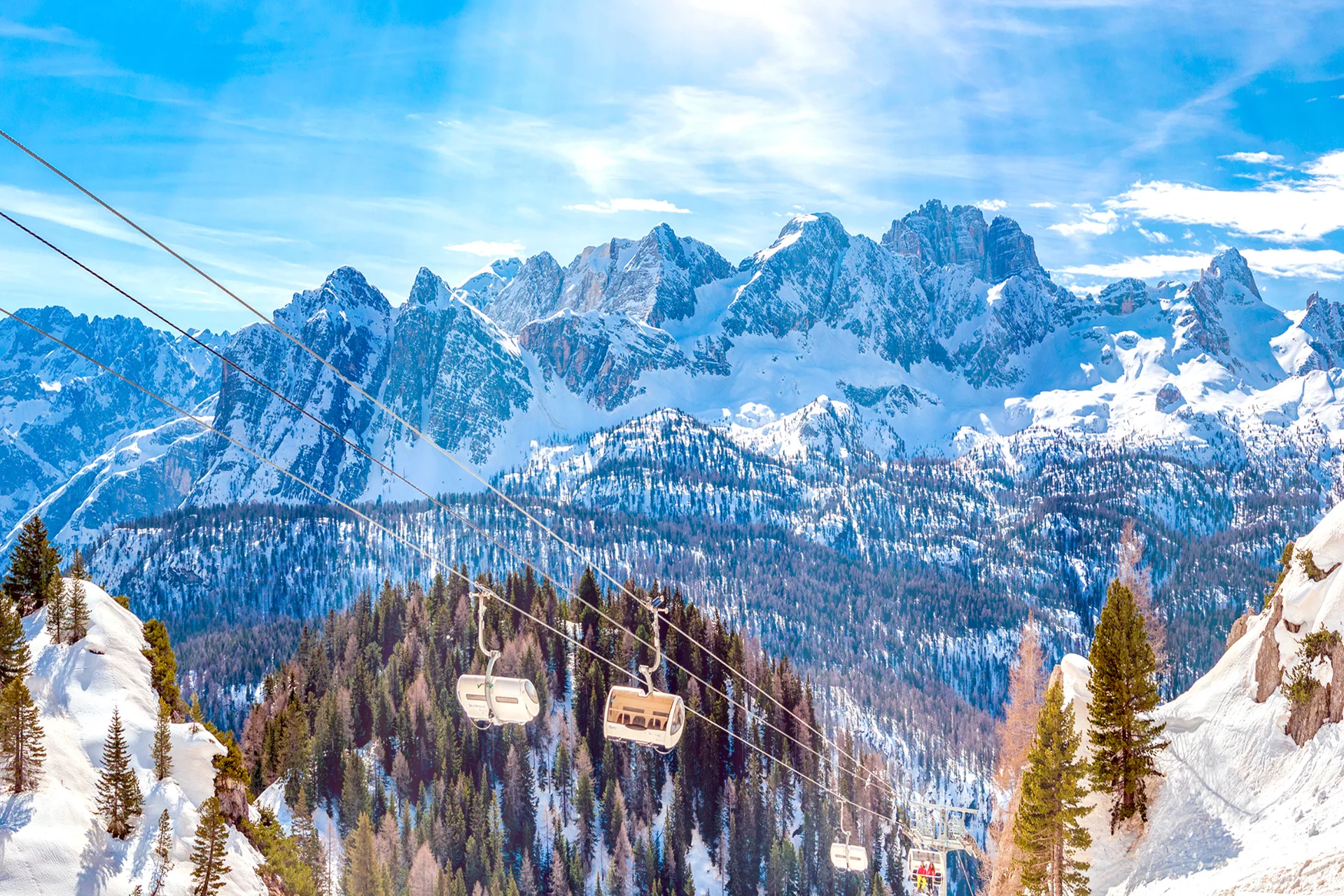
- Modern Infrastructure: The cablecar and ski lift network are open during both winter (ski season) and summer. Allowing access to some of the most beautiful scenery without breaking a sweat!
Planning Your Trip: When to Visit
The Dolomites are a year-round destination, but the optimal time for your trip depends entirely on your chosen activity.
Generally speaking, the period between late-May to early-October are best for cycling, hiking and via ferrata, and the months of December to March are best for skiing when there is enough fresh snow and the ski lifts are open.
When to Visit the Dolomites
- Spring (Apr–May): Final snowcaps are melting; wildflowers bloom, and trails start to see the first hikers and cyclists of the year.
- Summer (Jun–Sep): Peak hiking, cycling, and via ferrata season. The summer lifts are also running for easy access to the high altitude trails and views.
- Autumn (Oct-Nov): Fewer crowds, temperatures dro,p and the forest paths are littered with golden leaves.
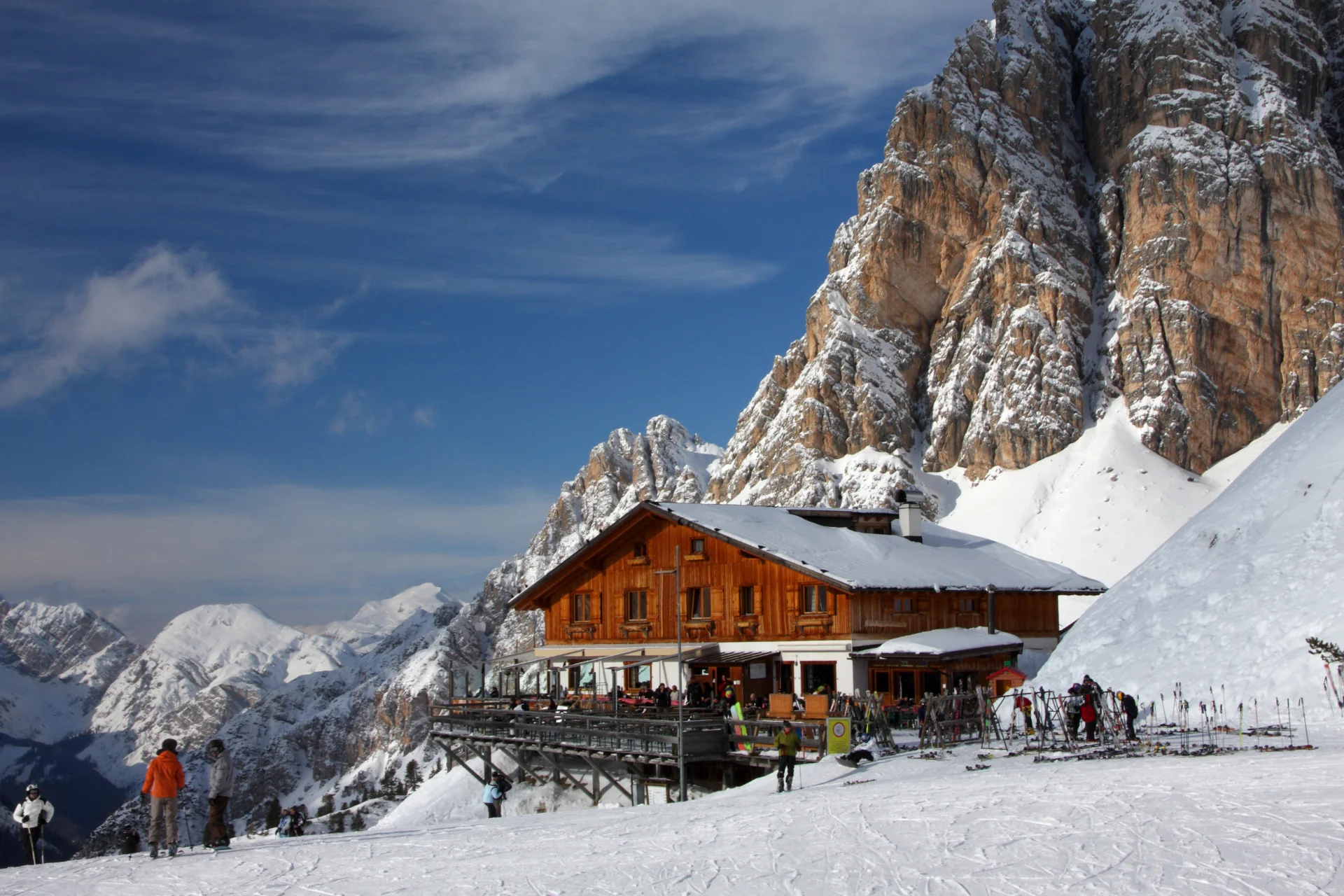
- Winter (Dec–Mar): The snowfall transforms the landscape. World-class skiing, cozy alpine escapes ,and luxury spas are calling.
Need help deciding? Our detailed guide, Planning Your Trip: The Best Time to Visit the Dolomites, provides a season-by-season breakdown to help you align your travel plans and chosen activities with peak conditions.
Summer Activities – Things to Do in the Dolomites
The Dolomites are an adventurer’s playground, but also a haven for those who simply want to slow down, breathe, and spend a little time immersed in nature. Below are the core experiences that define a Dolomites trip.
The Best Hikes in the Dolomites
Hiking is the cornerstone of the Dolomites experience in summer. The mountains offer something for all ability levels, from gentle alpine meadow walks to challenging, multi-day hut-to-hut treks and everything in between.
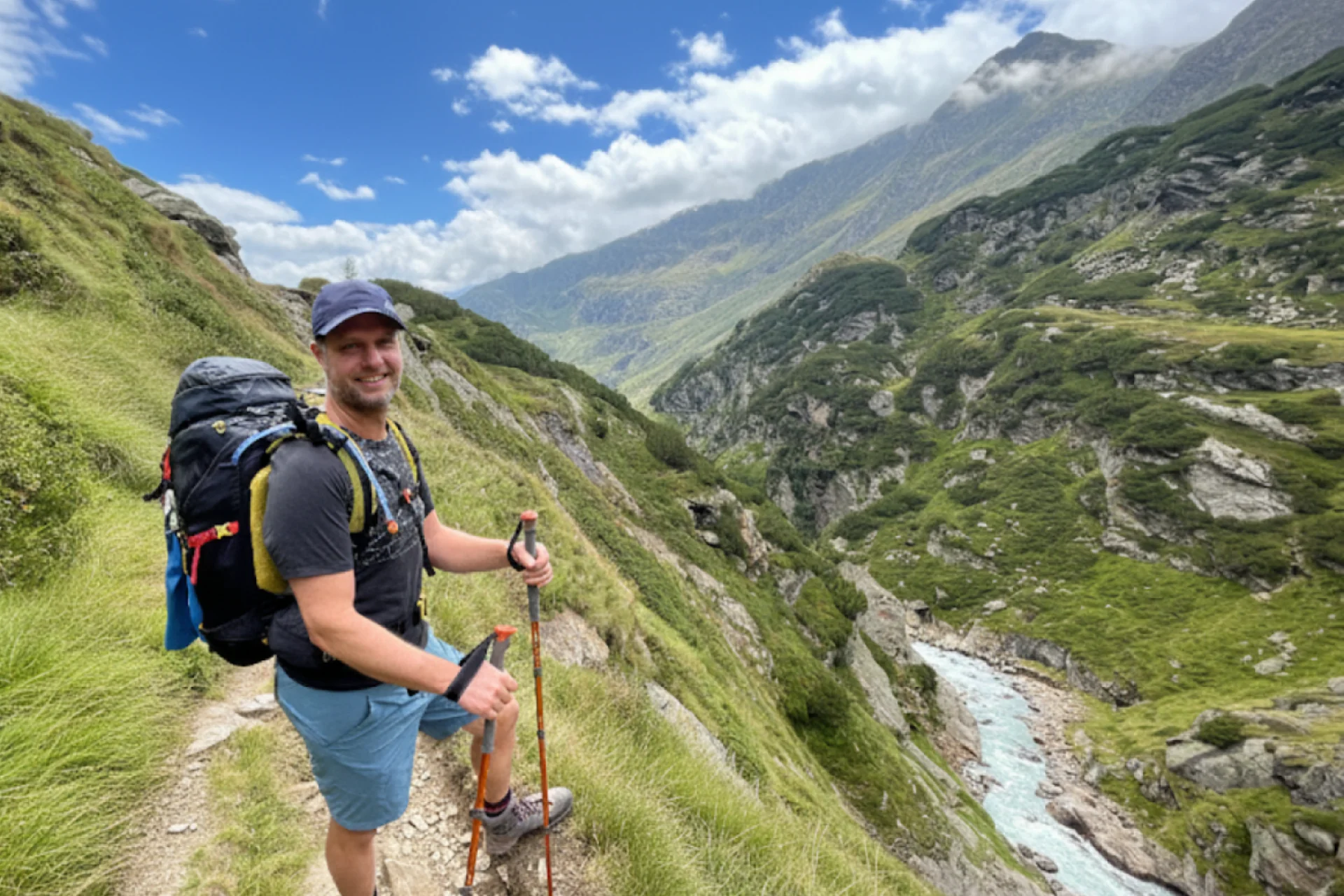
For those seeking an immersive adventure, a Dolomites trekking adventure is defined by the 10 Alta Via hiking routes. These epic, multi-day journeys connect remote mountain huts and are an opportunity to challenge yourself and experience high-altitude hiking.
Before you set out, consult our comprehensive resource for route selection, gear advice, and hiking itineraries in the best hikes in the Dolomites: Complete hiking guide.
Best Via Ferrata: Climbing the Iron Paths
The Dolomites are famous for the “iron paths” known as via ferrata. These protected hiking and climbing routes, equipped with steel cables, ladders, bridges, and fixed anchors, allow non-mountaineers to safely traverse or ascend high-exposure terrain.
Via ferrata can now be found all over the world, but the historic paths of the Dolomites are the original routes and some still pass by lookouts, cave ‘bunkers’ and artefacts left over from World War I.
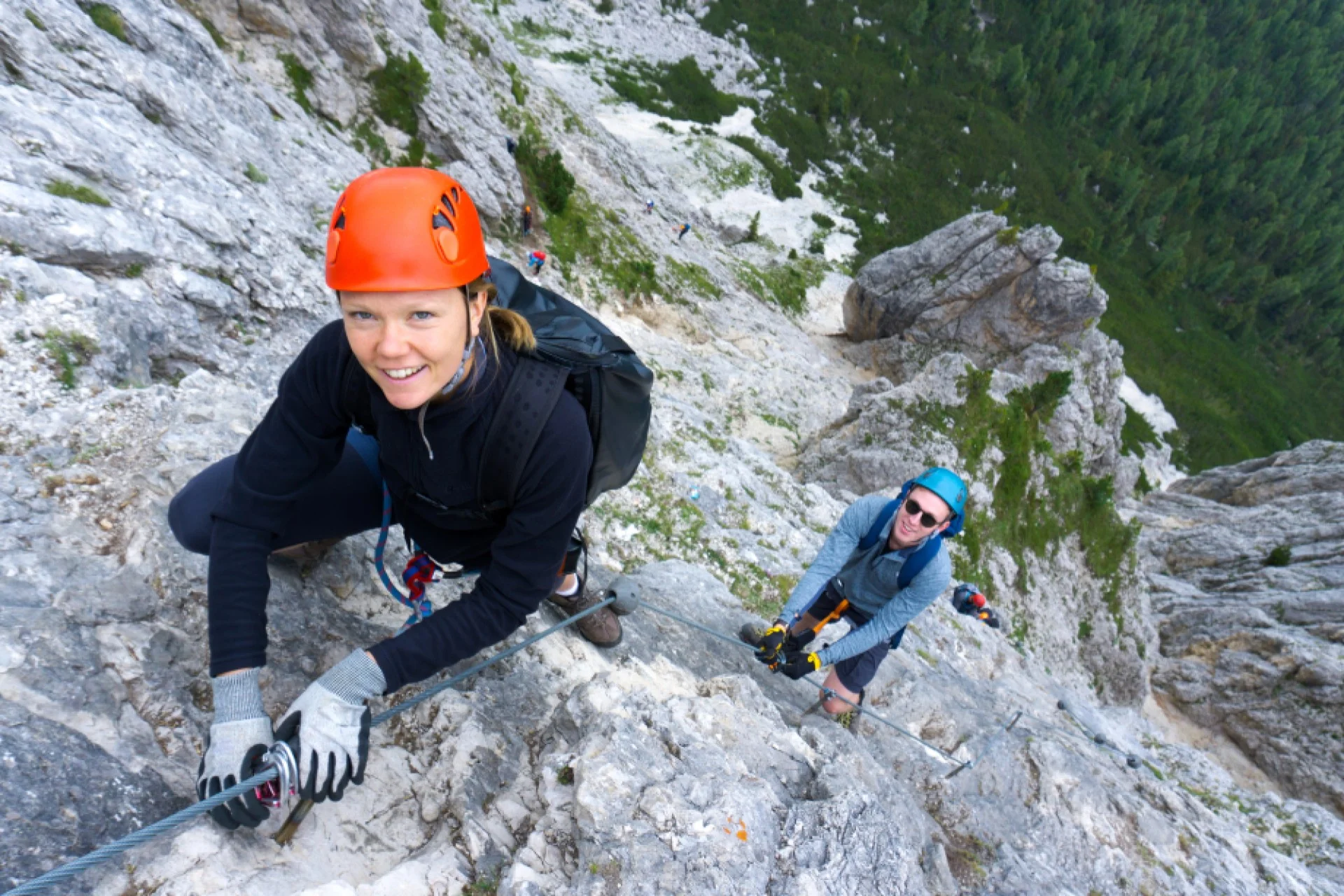
The via ferrata have become increasingly popular, and the Dolomites have over 109 routes to help hikers reach peaks that were previously only accessible to experienced mountaineers. With good instruction and proper safety gear, some via ferrata are even suitable for children.
Learn about the best routes and how to safely tackle a via ferrata in The Ultimate Guide to Via Ferrata in the Dolomites: Routes & Safety.
Cycling Routes of the Dolomites
The steep, winding roads and rugged trails of the Dolomites are why cyclists of all disciplines come from around the world.
While our focus is exclusively on mountain biking and trail riding, the Dolomites are internationally famous for their legendary stages of the Giro d’Italia and other major races. Iconic climbs like the Passo Pordoi and the entire Sella Ronda circuit attract seasoned road cyclists, making the region a dual-sport mecca defined by challenge and dramatic UNESCO scenery.
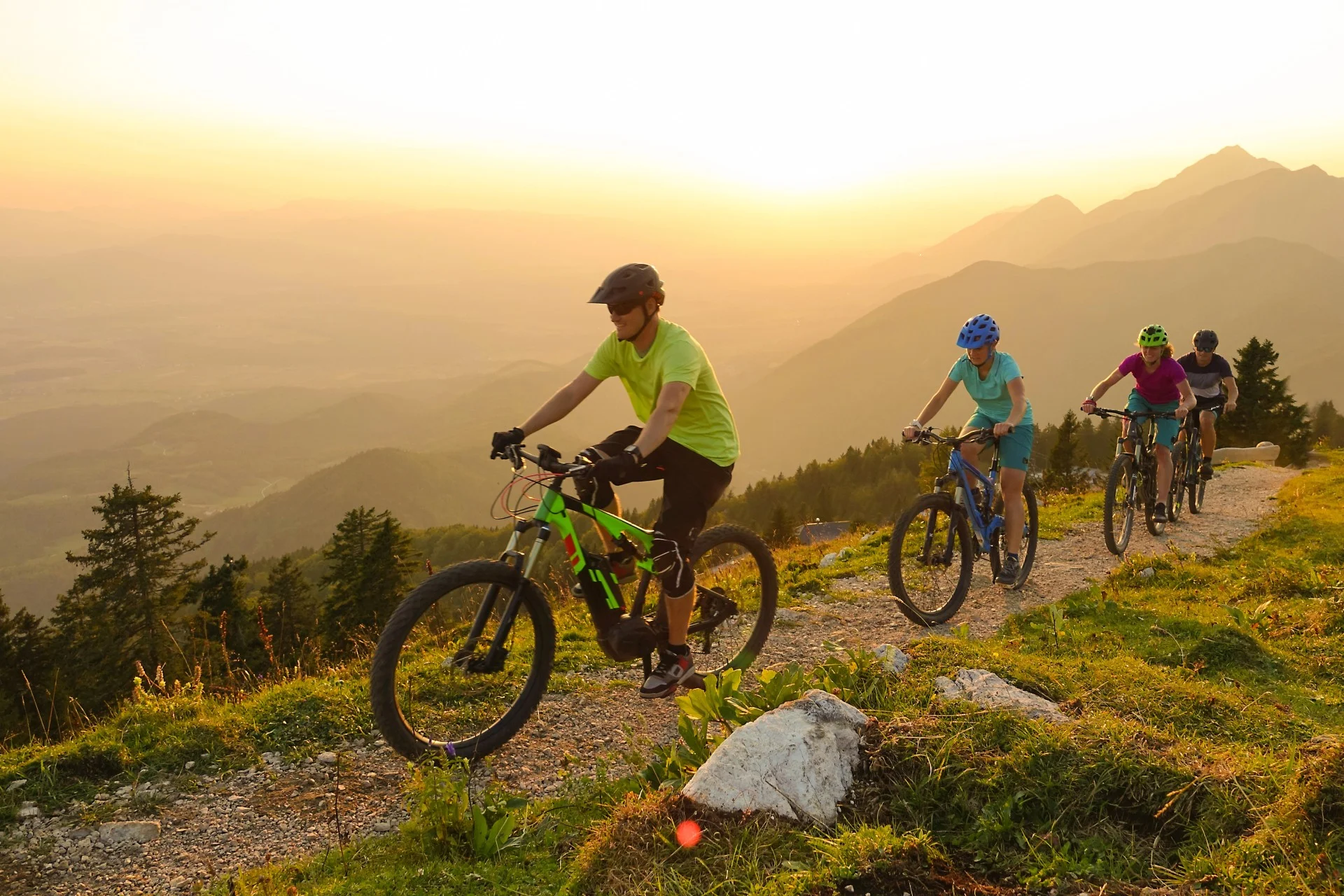
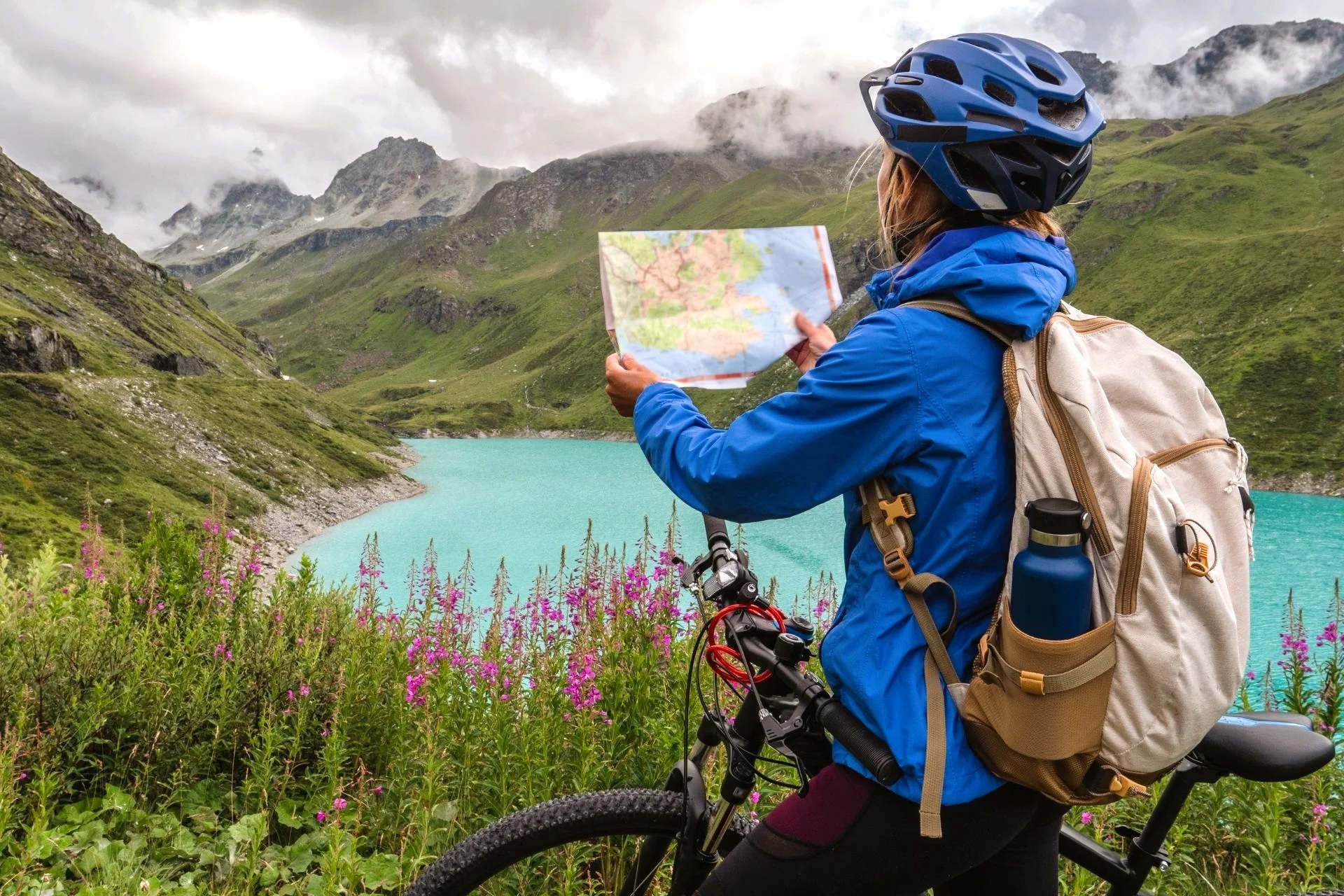
But in fact, the Dolomites are a paradise built for off-road cycling, catering to every discipline from scenic family-friendly cycle paths to high altitude trails to fast gravity-fueled bike parks.
Mountain Bikers (MTB) also have access to a network of ski lifts (operating over summer) to reach higher trails with ease and to traverse the valleys. The growing popularity of e-bikes and eMTBs has also fueled the development of an expanding network of trails to attract even more enthusiastic cyclists.
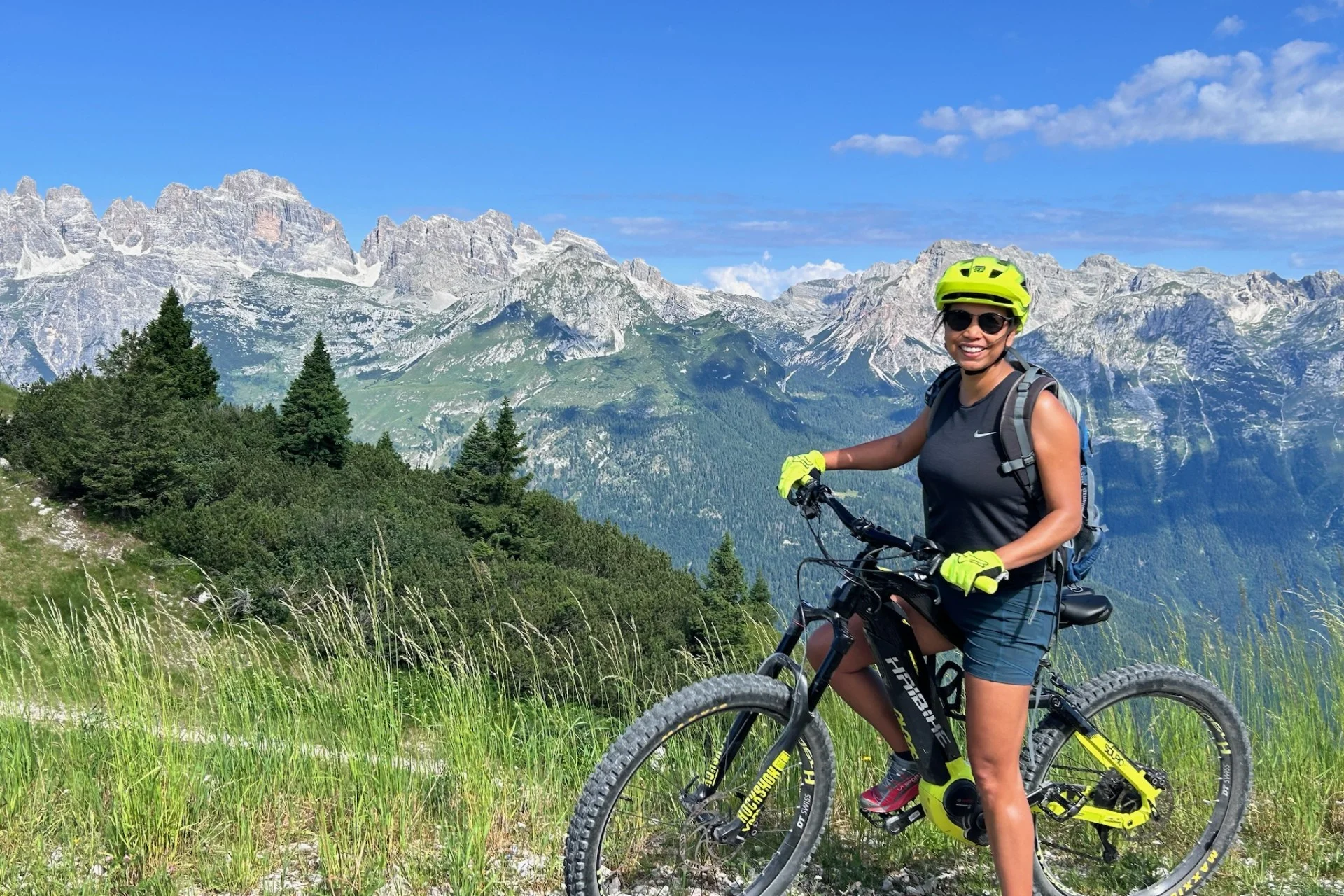
In particular, the zones of Val di Fassa and Val Gardena, have established the region as a world-class destination for every type of rider seeking off-road alpine adventure. Map out your next two-wheeled adventure with Your Guide to the Best Cycling Routes in the Dolomites.
Winter in the Dolomites
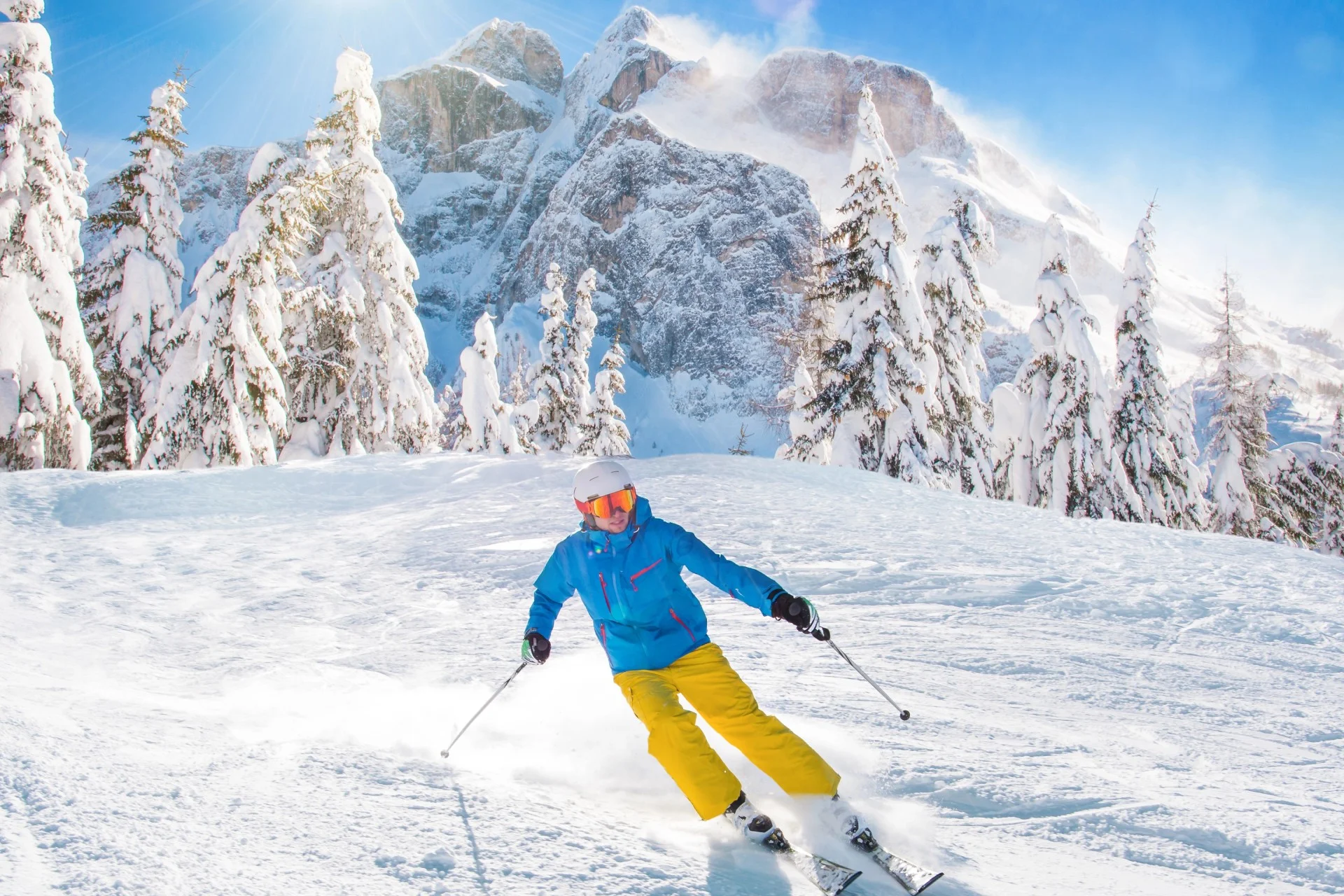
When winter rolls around, the Dolomites are transformed into a ski and snowboarder’s ultimate destination. The 31 ski resorts attract visitors from all over the world eager to experience and explore the vast landscape.
The Ultimate Guide to Skiing and Snowboarding
Dolomiti Superski area (Val Gardena, Cortina, and 10 other resorts) is an impressive drawcard for the region. This is the world’s biggest ski area with 450 lifts and over 1,200 km of interconnected slopes, offering panoramic skiing and atmospheric ski hut facilities.
But that’s not all – the Dolomites have several world-class ski areas, including fashionable Madonna di Campiglio and the Skirama area.
In addition, Epic and Ikon pass holders can access 20 ski resorts across the Dolomite Alps!
Get all the details on resorts, passes, and terrain in The Ultimate Guide to Skiing and Snowboarding in the Dolomites.
Dolomites Non-Ski Activities
Not a skier? No problem. Snowshoeing, tobogganing, cross-country skiing, and ski touring are accessible in a number of areas.
For unique experiences, you can feed Italy’s only reindeer herd, spend the afternoon exploring woodland with a pack of Siberian Husky sleddogs, or jump aboard a leisurely horse-drawn carriage.
For apre-ski relaxation, there is a choice of hotel retreats and luxury spas where you can recover from the day’s activities.
Explore alternative winter fun in Beyond the Slopes: Fun & Relaxing Winter Activities in the Dolomites.


Dolomites Winter Culture
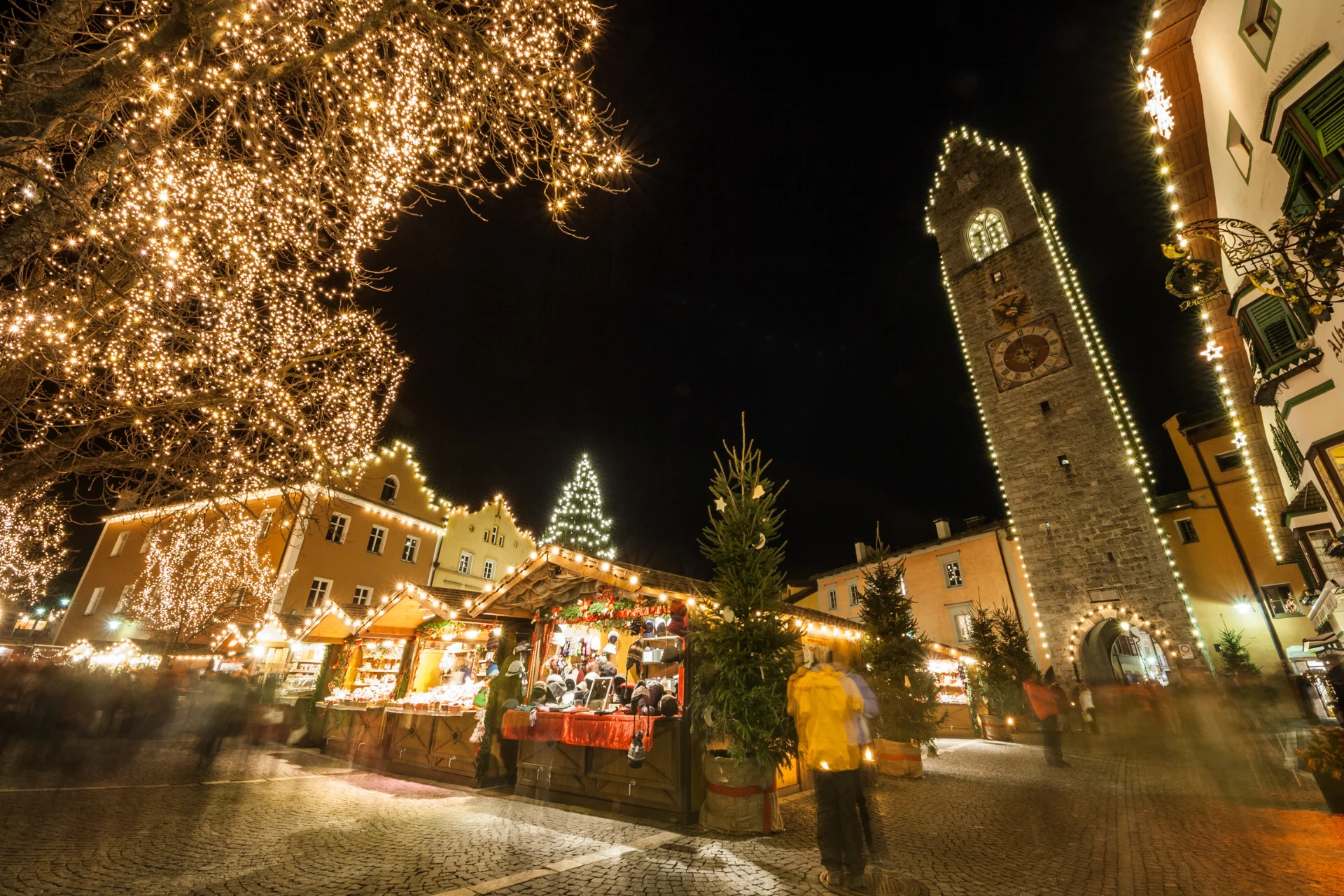
Beyond the snow lies a vibrant cultural world shaped by centuries of mountain living. Winter festivals light up village squares with music, while traditional crafts and cuisine keep old traditions alive. Visit Christmas markets, meet local artisans, or join a snowshoe outing that ends with mulled wine by the fire.
Our Dolomites Winter Culture article explores how locals celebrate and sustain their alpine heritage through the coldest months of the year.
Cozy Chalets, Christmas Markets & Culture
A winter trip to the Dolomites extends far beyond the ski slopes. The season is characterized by a warm alpine atmosphere, with enchanting Christmas markets and the unique hospitality of the mountain rifugios. Dive into the local traditions and cuisine with Cozy Chalets, Christmas Markets & Culture: The Charm of a Dolomite Winter.


Exploring the Iconic Dolomites Lakes
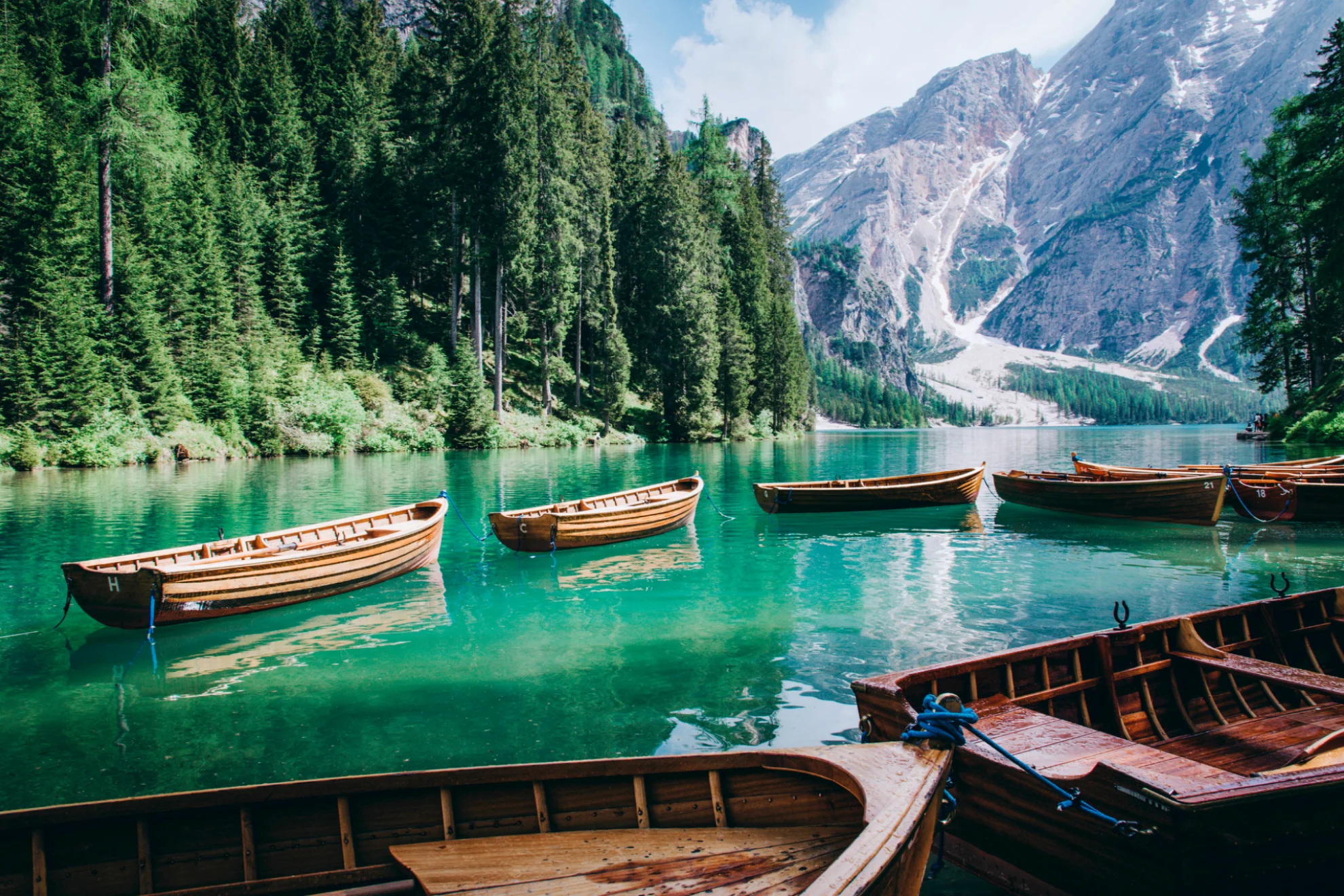
The Dolomites are home to stunning alpine lakes like Lago di Braies, Lago di Sorapis, and Lago di Carezza. These magical lakes attract thousands of visitors for sightseeing, photography, walking, and picnicking. In recent years the the Dolomites lakes in particular have become a focal point for tourists, yet some incredibly beautiful lakes still remain relatively ‘undiscovered’, such as Lago di Molveno and Lago di Tovel.
Review our guide, Dolomites Lakes: The 10 Most Stunning Lakes to Visit, to plan your trip.
The Best Places to Stay in the Dolomites
Famous and Popular Areas
Your location and accommodation base dictate your daily access to trails and slopes. Choosing the right base can make or break your Dolomites experience. The most popular of these include:
- Cortina d’Ampezzo: Glamorous, scenic, and often used as a base for visiting the Tre Cime di Lavaredo (Three Peaks), Cinque Torri (five towers), and the Dolomites High Routes (Alta Via 1).
- Val Gardena: To the east of Bolzano, is this perfect all-rounder for hiking, cycling, skiing, and culture. Great access to Sella Ronda and Seceda.
- Val di Fassa: Easy access to Val Gardena, the Sella massif, and Marmolada (the highest peak in the Dolomites) for challenging hiking and via ferrata. The towns of Canazei, Moena, and Campitello are oozing with charm and history.
- Brenta Dolomites: In the west of the region, includes the idyllic Lago di Molveno, Paganella bike park, and the fashionable summer and winter playground of Madonna di Campiglio.
- Drei Zinnen / Tre Cime: The Northern Dolomites, with access to Tre Cime di Lavaredo and the increasingly famous Lago di Braies.
Other Popular Zones
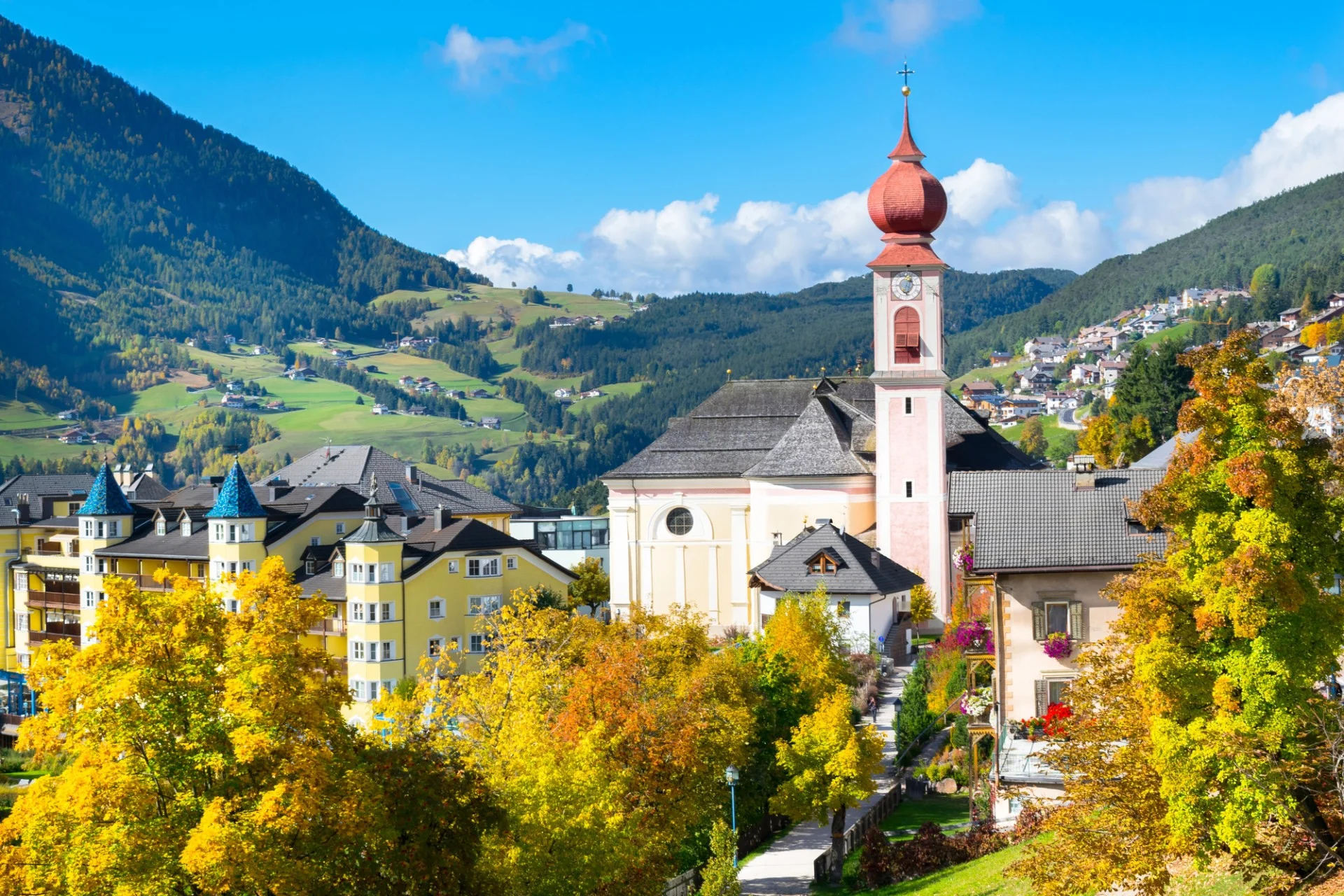
- Alta Badia: You can experience gourmet Michelin-star dining experiences combined with scenic high-altitude trails. The town of Corvara is the main hub, and Alta Badia itself is a perfect setting for a winter break.
- Alpe di Siusi (Seiser Alm): Gentle, rolling trails perfect for families wanting leisurely hiking and cycling. Offers uninterrupted views of the Sassolungo and Sciliar mountains.
- Pale di San Martino: Challenging, remote, and wild high-alpine experience with access to the famous Alta Via 2.
It’s also worth remembering that the Dolomite is an Alpine region with mountain passes and terrain that makes travel slower. You should factor this in when deciding on flights, airport connections, and multi-location stays.
You can find the perfect base for your active vacation in The Best Places to Stay in the Dolomites.


Book Your Adventure: Guided and Self-Guided Tour Options
As experts in active, multi-day mountain holidays, we manage the complex logistics of accommodations, routes, gear hire, and transport. For travelers looking for a high-value, stress-free experience, one of our summer tour packages is the optimal solution.
Choosing Your Adventure: The Ultimate Guide to Guided Dolomites Tours
For many, a guided Dolomites tour is the most rewarding way to experience the mountains. Expert mountain (and activity) guides plan routes, share cultural insights, and handle all technical and mountain safety – allowing you to focus purely on the trek, ride, or climb.
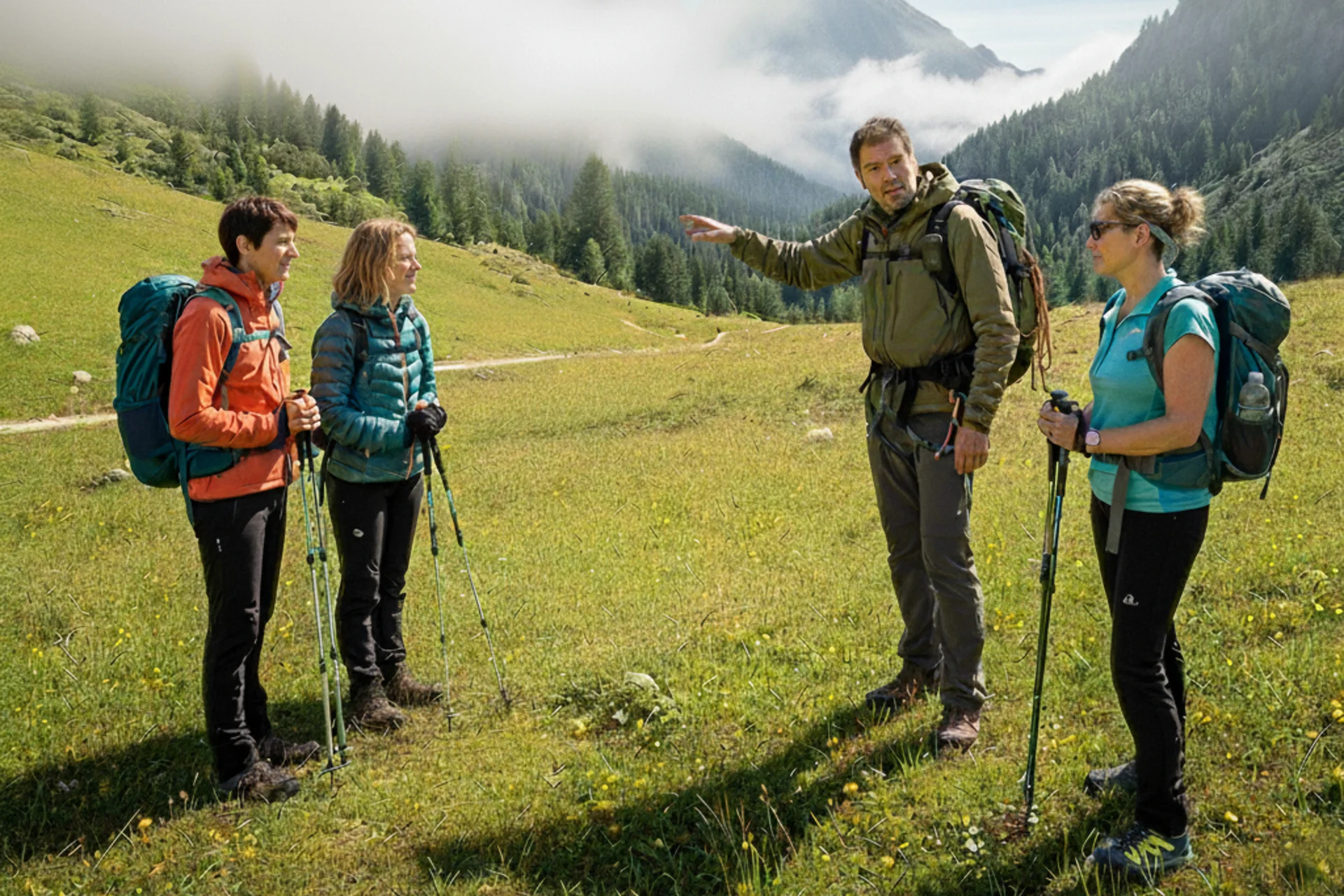
This is the fastest route to an immersive, well-executed holiday. Learn about the benefits and options in Choosing Your Adventure: The Benefits of a Guided Dolomites Tour.
The Best Self-Guided Tours in the Dolomites
If your group prefers maximum autonomy but still requires professional support for pre-booked logistics (like accommodation, equipment rental, and luggage transfer), our self-guided tour packages (for both summer and winter) are the perfect option. You get a pre-organized itinerary to follow and set your own pace. Find out how to do a hassle-free independent trip in The Best Self-Guided Tours in the Dolomites: Planning and Booking Your Own Adventure.
Start Your Active Dolomites Holiday Today
The Dolomites are waiting, offering an unparalleled stage for your next active adventure. Explore our extensive selection of Dolomite Tours, Winter Ski/Snowboard Holidays, and Self-Guided Tour packages to find the perfect itinerary that matches your passions and skill level.

FAQs About the Dolomites
The best time to visit the Dolomites depends on your activity. The peak season for hiking and cycling is June through September, when the summer lifts are running, high-altitude trails are clear of snow and the huts are open.
For skiing and winter activities, the season runs from mid-December through early-April.
Compared to the Swiss or French Alps, the Dolomites are generally considered mid-range. However, accommodation costs vary significantly with rifugios and family guest houses being the most affordable. If you’re on a budget, there are lesser known areas to visit (such as the Paganella area). And for exclusivity and glamour, both Madonna di Campiglio and Cortina are known to set a high bar.
4 to 5 days will give you topline highlights, but we recommend a minimum of 5 days (and ideally 7-8 days). This allows enough time to explore 2-3 of the most famous and beautiful areas like Tre Cime, Marmolada and Val Gardena. But in truth for active travelers, even a 2 week stay would fly by! You can find more help in our Ultimate Guide to Planning Your Trip to the Dolomites.
A guided tour includes a group leader or professional local guide, set dates, and a shared experience with a group of like-minded individuals. environment, handling all logistics.
A self-guided tour provides you with confirmed accommodation, luggage transfers, and GPS routes, but you hike/cycle independently and at your own pace.
No, but a few basic phrases will be helpful. The Dolomites are culturally trilingual: Italian, German (especially in northern part – South Tyrol area), and Ladin. English is often (but not always) spoken in hotels, restaurants and tourist areas. You can learn for free using podcasts like coffee break Italian.
Yes, the Dolomites were inscribed as a UNESCO World Heritage Site in 2009 for their unique, monumental beauty and geological importance. This designation helps protect the landscape and ensures sustainable tourism efforts are maintained across the region.
Very. Crime rates are relatively low and there is an active police presence. When considering safety for activities and sports; the region has strict regulations and training for tour/mountain guides. It also benefits from professional mountain rescue services and emergency medical facilities comparable to Switzerland and France.
For detailed emergency contacts, consult our Dolomites Safety Information page.
A car offers maximum flexibility, or for an easier option, most of our tours include transfers.
Yes, it’s possible to visit without a car. There are trains to some towns, a regional bus network and some local businesses that offer transfers. However, public transport is limited and infrequent, so you’ll have to carefully plan your excursions.
Not necessarily. There are bike trails and walking paths for all levels. The summer lifts make it easy to reach high ground (and views) and e-bikes are widely available for rent.
Share

Written by Justin
Justin is a certified E-Bike Guide – Instructor (Level 2) and co-founder of Dolomites Active Tours. Living in the Dolomites, he is an avid cyclist, hiker, loves via ferrata, and spends his winters on the slopes. His first-hand experience exploring these mountains allows him to share practical insights and expert advice for those eager to discover the Dolomites.
More posts from Justin