
Everything you need to know about MTB routes, guided rides, and unforgettable outdoor adventures
Why the Dolomites Are a Dream Destination for Cyclists
There are mountain biking destinations…and then there are the Dolomites!
The network of trails running through this UNESCO-listed region of northern Italy is nothing short of paradise for anyone on two wheels. Whether you’re chasing “the burn” or prefer a leisurely ride through flowering meadows, the Dolomites offer trails and tracks for every style and skill level.
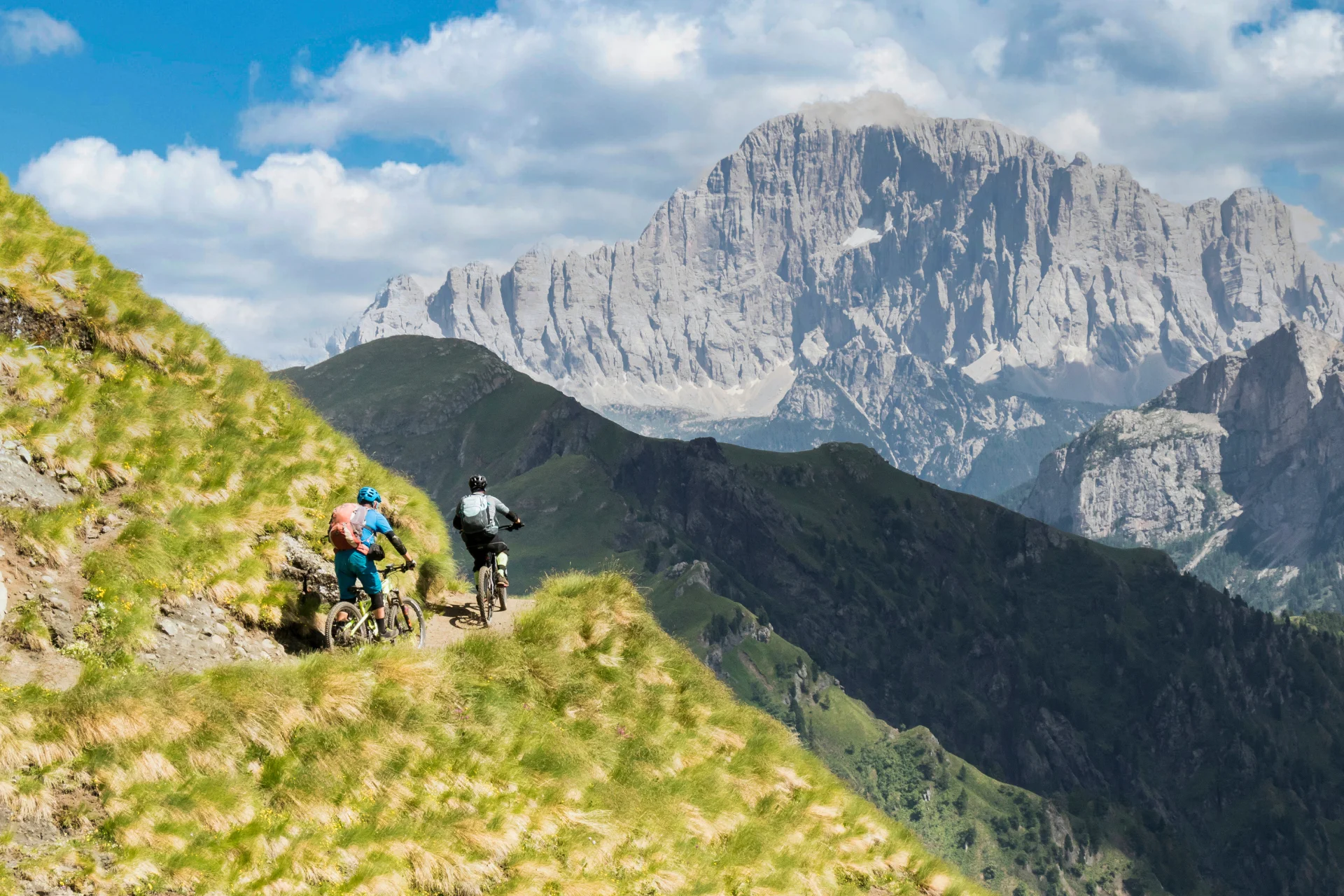
And while the region is famous among road cyclists for climbs like the Passo dello Stelvio, Passo Sella and Passo Pordoi, it’s the mountain trails that interest me. For mountain bikers the adventure is seemingly endless, and the variety won’t disappoint.
Beyond the vast network of routes, the infrastructure here is world-class. The Dolomiti SuperSummer lift network makes uphill travel effortless, while bike hotels, rental shops, and guided tour options make it easy for visitors to focus on what matters – riding and experiencing the natural spectale of the Dolomites.
Types of Mountain Biking Adventures in the Dolomites
Mountain biking in the Dolomites is as diverse as the mountains themselves – and that’s exactly what makes it so rewarding. From long cross-country routes connecting villages, to technical descents down forested slopes. Every type of rider can find their ideal terrain.
Cross-Country (XC) / Trail Riding
This is the heart and soul of Dolomites mountain biking. XC and trail routes weave through alpine pastures and valleys, often linking picturesque mountain huts known as rifugi – perfect for a mid-ride espresso or apple strudel stop.
Popular areas for XC and trail biking include Alpe di Siusi, Alta Badia, and the Val di Fassa, where hundreds of kilometers of interconnected trails cater to all fitness levels. These routes emphasize exploration over pure technicality, ideal for those who want to take in the landscapes as much as the ride itself. Our Val di Fassa MTB Guide explains why this area is the epicenter for mountain biking in the Dolomites.
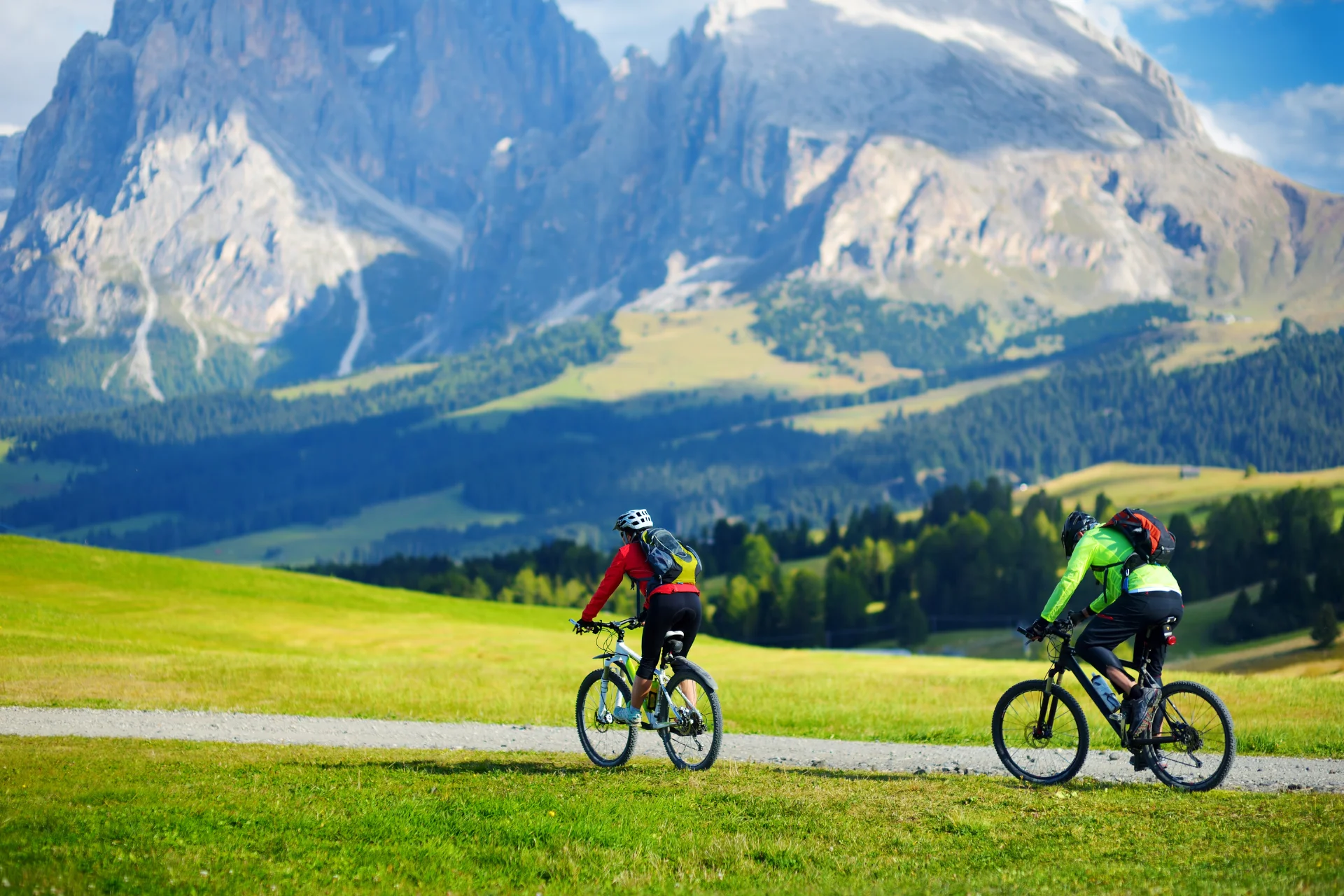
Guided cross-country tours can even include support vans, luggage transfers, and local guides who know the best panoramic detours. They’re perfect if you want to ride without worrying about logistics or navigation.
If this kind of experience speaks to you, you might love our small-group guided adventures in the Dolomites.
All-Mountain Enduro
If Enduro riding is more your speed, then you’re in luck. There is a mix of challenging climbs, technical descents, and flowy alpine trails that test both skill and stamina.
The Val di Fassa region is a hotspot for Enduro riding, offering lift-accessed sections and trails that dive through forests and rocky alpine terrain. Riders looking for epic singletrack adventures should also consider exploring Val Gardena’s Trail Arena, known for its variety of Enduro-style routes.
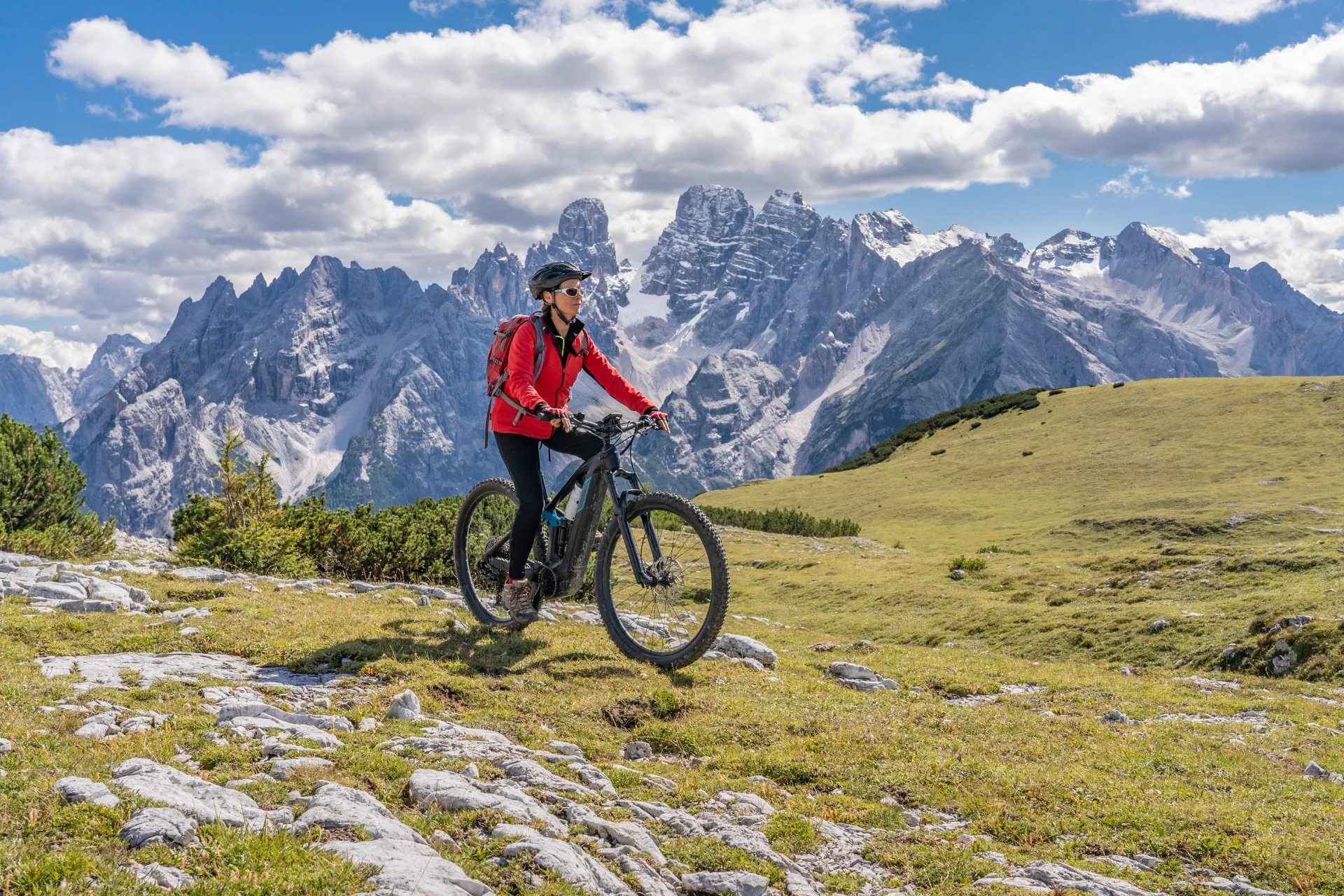
Enduro tours here often combine guided segments with self-guided exploration, giving riders the freedom to choose their pace. A Sella Ronda MTB Tour is a classic for a reason – linking multiple valleys and passes in one incredible loop using lifts to tackle the biggest climbs.
Downhill, Freeride & Bike Parks
While not the core of what Dolomites Active Tours offers, bike parks are fast becoming a core part of the region’s mountain biking scene. Riders who enjoy high-speed gravity-fueled fun have a choice of several designated parks.
Our pick of the three standout parks leading the pack are:
- Canazei / Val di Fassa Bike Park: Flow trails, technical descents, and lift access right from town.
- Val Gardena Trail Arena: A mix of freeride and natural trails, great for intermediate riders.
- Paganella Bike Park: One of the most varied networks in Trentino, with routes for beginners to experts and a strong family-friendly setup.
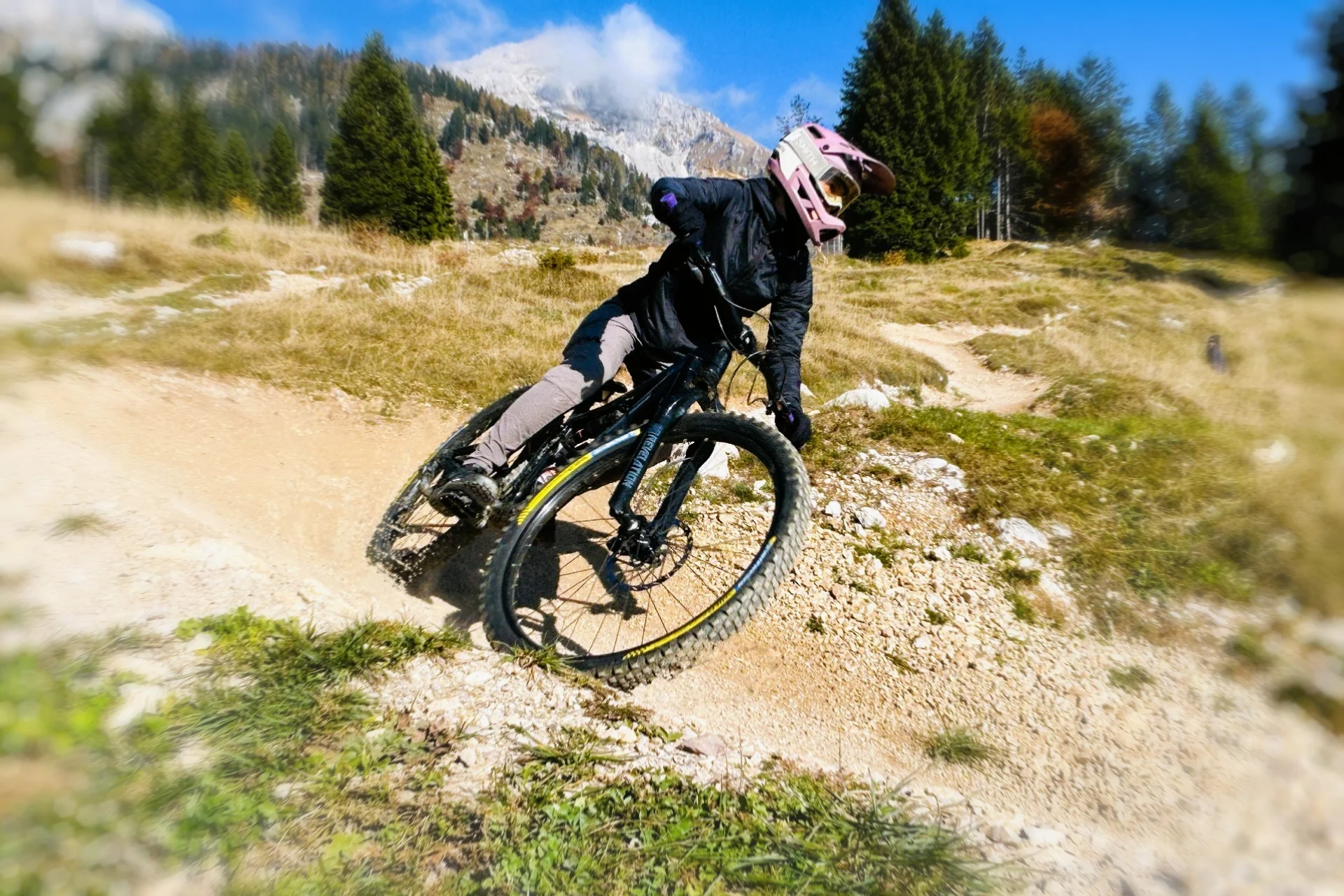
These parks aren’t just for daredevils; each offers a range of trails graded by difficulty (similar to ski slopes). It’s an exciting way to build confidence before venturing onto the natural mountain routes.
You can also organize rentals and lessons, making them accessible even if you’re new to the sport.
Learn more about these areas in our Guide to the Best Bike Parks and Single-Track Trails in the Dolomites.
E-Biking – Effortless Ascent, Maximum Views
E-bikes have revolutionized mountain biking in the Dolomites and are driving a significant growth in biking tourism. With pedal assist technology, even steep climbs and long distances become achievable, for the average person. This revolution means that we see more families and mixed-ability groups tackling difficult ascents and endurance routes.
Free charging points at rifugi and mountain huts, and e-bike rentals are common throughout Trentino, South Tyrol, and Belluno. The Effortless Ascent: A Guide to E-Biking in the Dolomites article dives deeper into rental tips and the best trails for e-bikers.
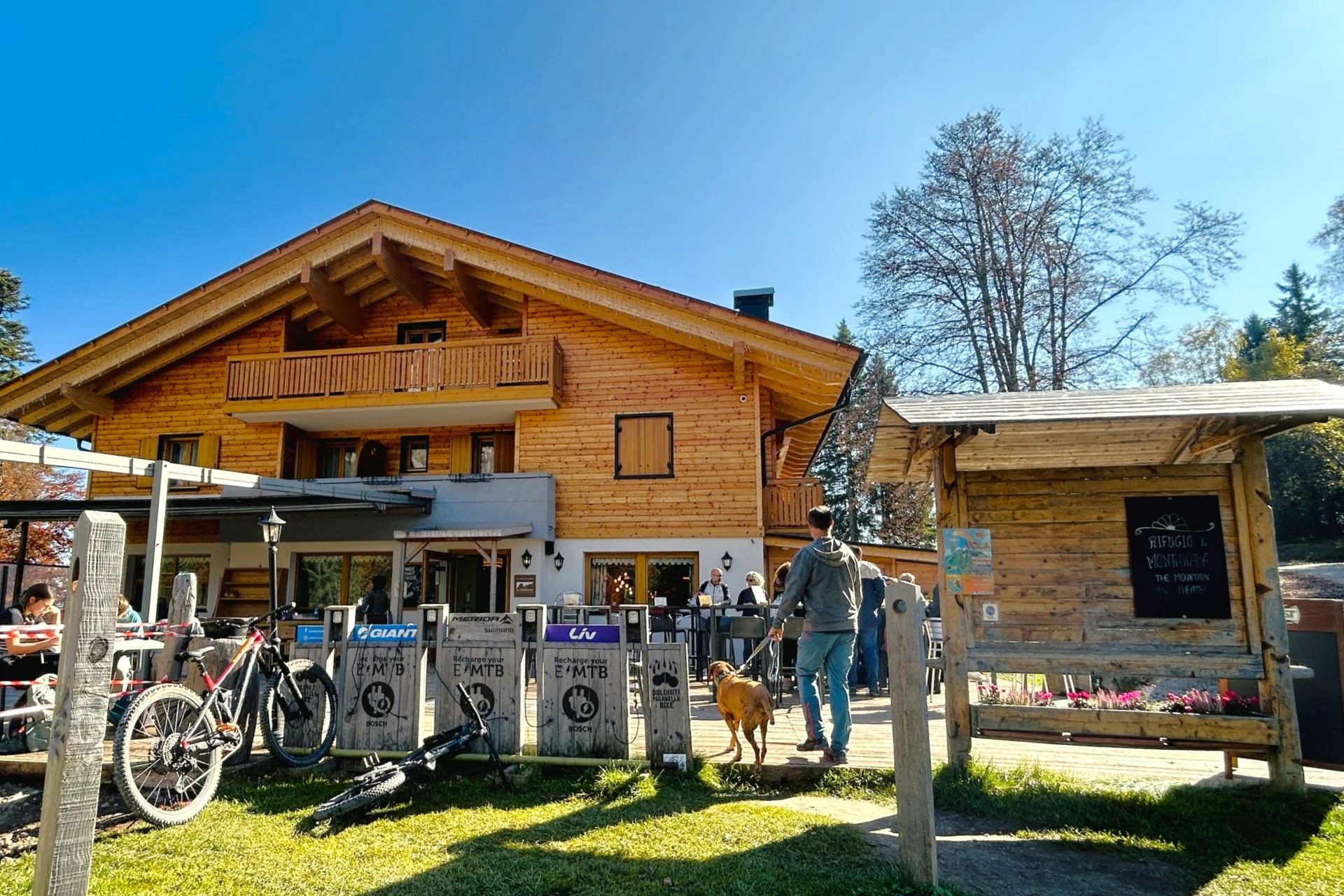
If you haven’t tried an e-bike, I highly recommend it. The battery power and motors provide sustained assistance for several hours. Even if you only have average fitness, you can easily go out into the mountains for a full day of exploration. Especially if you charge up at a rifugio!
Guided e-bike tours are also growing in popularity, offering a perfect balance between exploration without having to navigate. It’s an ideal option if you want a big mountain experience with the safety, planning and logistics taken care of. Sounds like your kind of adventure? Read our post on How to Find the Perfect Guided e-Bike Tour.
Family-Friendly Cycling Adventures
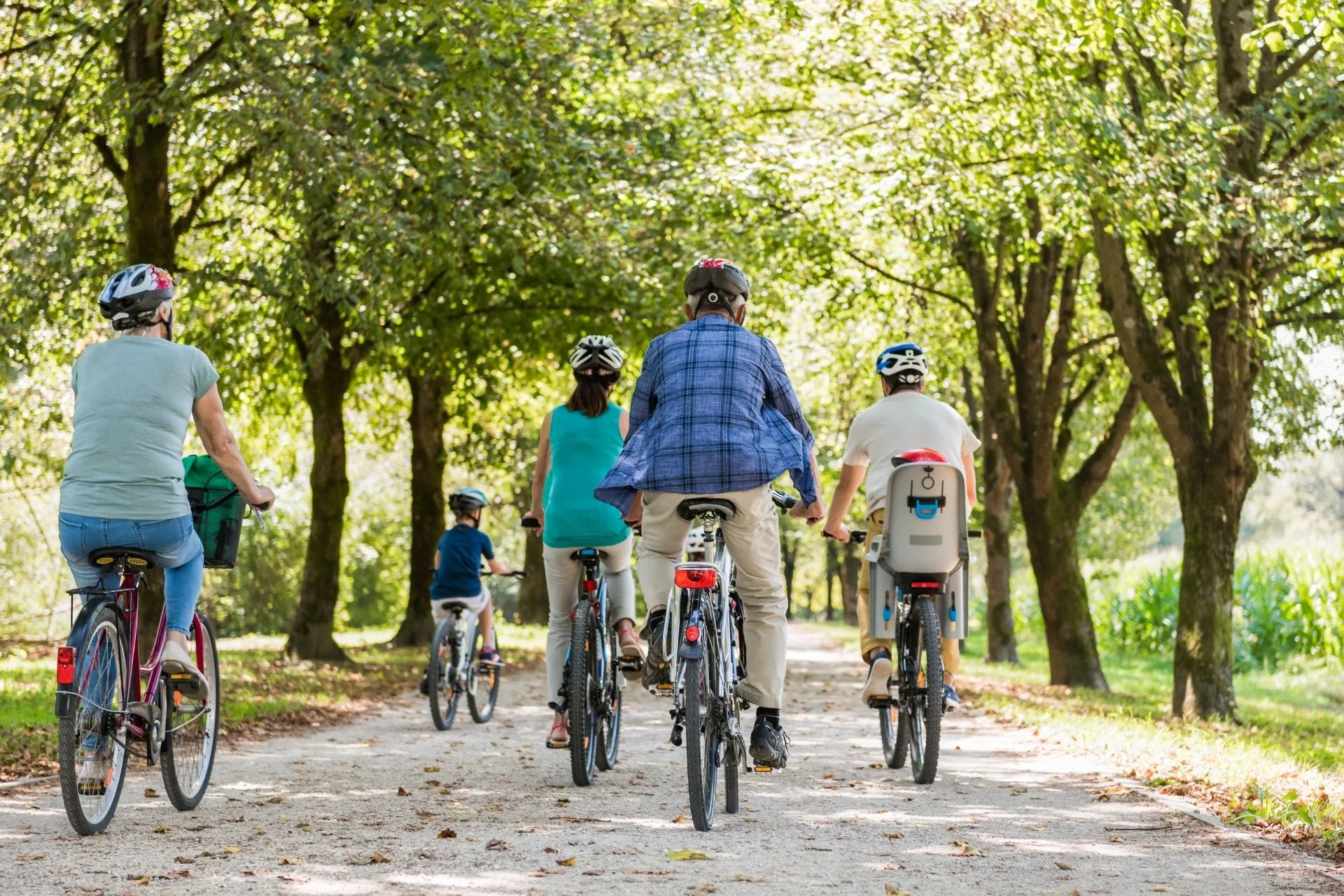
The Dolomites are remarkably family-friendly when it comes to biking. Gentle valley trails, lakeside paths, and easy e-bike options mean even young riders can experience the joy of mountain biking.
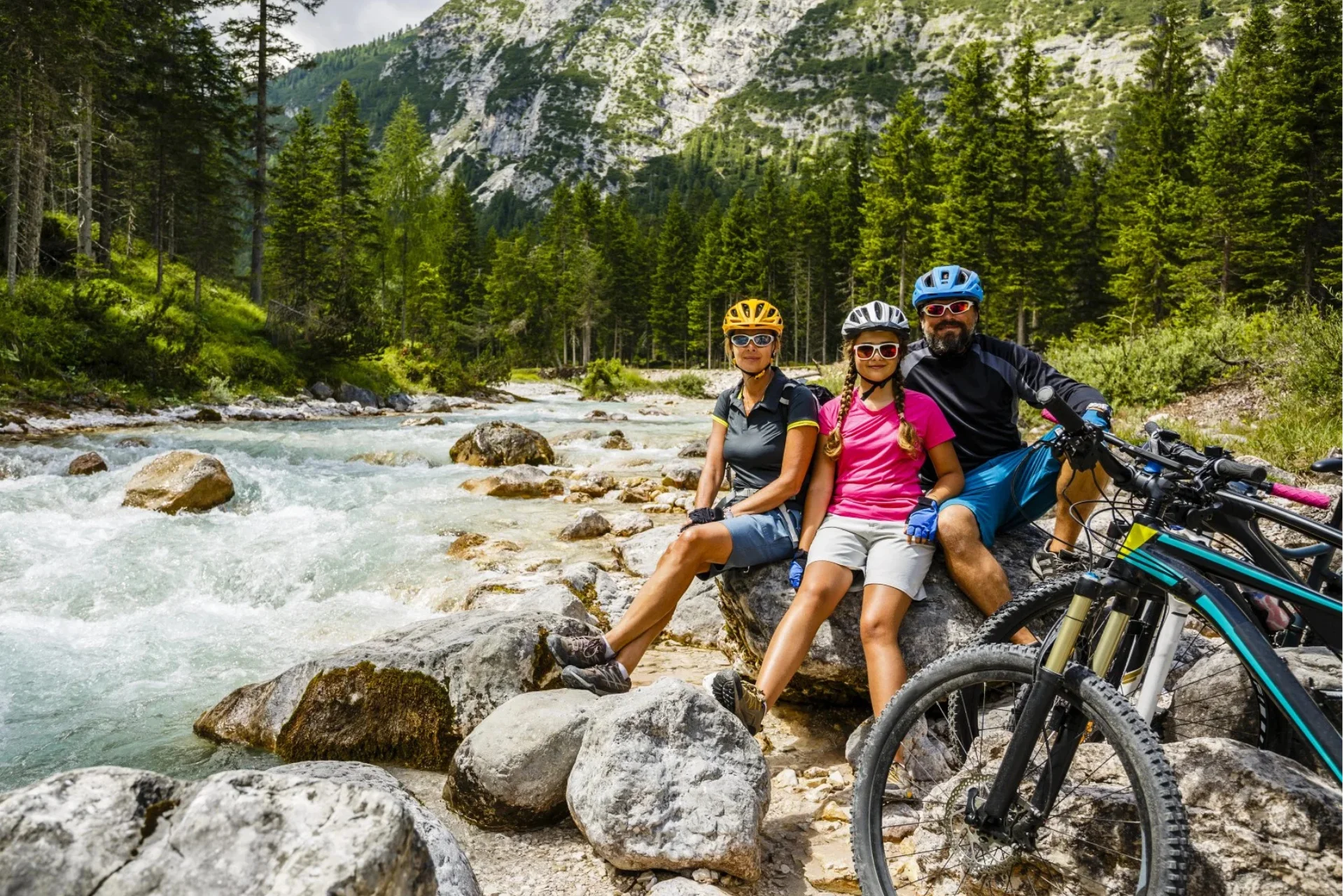
Destinations like Val di Fiemme, Val Pusteria, and Alpe di Siusi are known for scenic, low-gradient routes with plenty of cafés and picnic spots. Many towns host summer biking festivals with kids’ clinics and rental options for child trailers and adaptive bikes.
Family-Friendly Biking Trails in the Dolomites: A Guide for Cycling with Kids, highlights the safest and most scenic routes to ride together.
Road Cycling in the Dolomites
While Dolomites Active Tours focuses on mountain biking, it’s impossible not to mention the area’s legendary road cycling heritage. Routes like the Sella Ronda, Passo Gardena, and Tre Cime di Lavaredo have earned a place in the Giro d’Italia and in cycling lore.
For those who love a mix of MTB and tarmac, incorporating one of these legendary road challenges into a mountain biking holiday can give you the best of both worlds.
Iconic Dolomites Cycling Routes & Trails (Bucket-List Rides)
If there’s one thing that unites every kind of cyclist here, it’s the sheer number of unforgettable routes. Some rides are bucket-list material, combining epic scenery with a satisfying mix of challenge and flow.
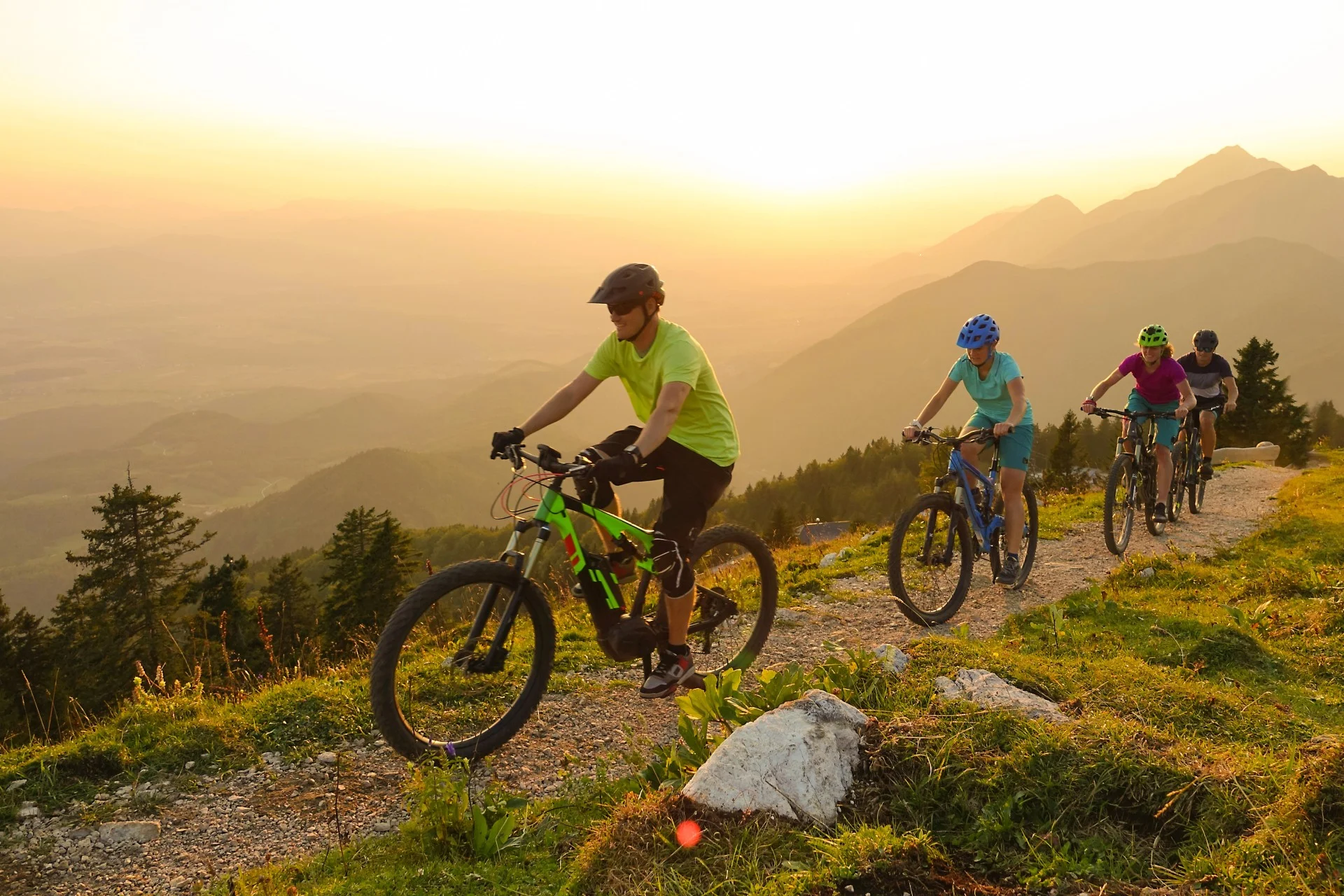
Top recommendations include:
- The Sella Ronda MTB Loop: A full-day adventure encircling the Sella massif via lift-assisted sections and panoramic trails. It’s a must for mountain bikers visiting the region.
- Val di Fassa to Val Gardena Trail Connection: A scenic cross-valley route ideal for experienced trail riders who want a mix of natural and flow trails.
- Paganella to Molveno Lake Route: Combines forest singletrack with breathtaking lake views – a perfect option for intermediate mountain bikers.
- Alpe di Siusi Plateau Trails: Smooth, rolling terrain surrounded by 360-degree views; ideal for beginners and families.
- Lake Garda MTB Links: For those extending their adventure south, don’t miss the classic Lake Garda MTB Trails, including the famous Ponale Trail and Tremalzo descent.
Each of these routes showcases why the Dolomites are more than just a pretty backdrop – they’re a dynamic biking playground where culture, nature, and active adventure converge.
Planning Your Dolomites Biking Adventure
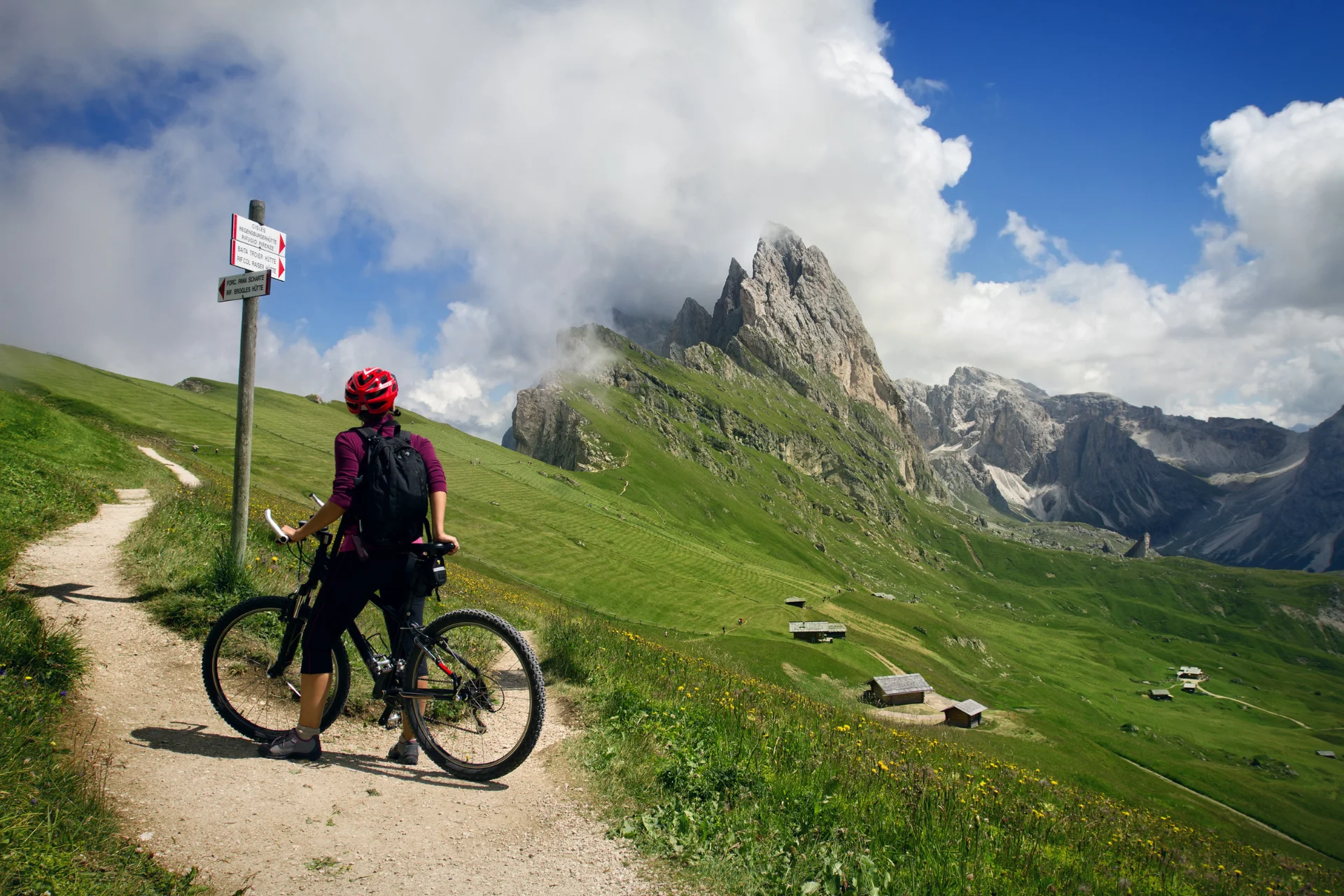
Mountain biking in the Dolomites is as much about preparation as it is about the ride itself. With changing altitudes, diverse terrain, and unpredictable weather, good planning is essential for maximum enjoyment and safety.
Travel Tip: If you’re at the start of your Dolomites trip planning, then our Ultimate Guide to the Dolomites is packed with useful information for tourists.
When to Go
The main biking season runs from mid-May to late September, when trails are free from snow, lifts operate, and mountain huts are open.
- June and July bring lush green landscapes and the excitement of summer holidays.
- August is a vibrant and busy period but expect heat and crowds.
- September offers cooler weather and quieter trails.
Lifts are closed during spring and late autumn. But riding can still be fantastic, especially in lower-altitude areas like Val di Fiemme or Val Pusteria.
Coincidentally this is also the best time for hiking in the Dolomites. If you plan on doing a multi-activity holiday, then you will find useful advice in The Ultimate Guide to Hiking in the Dolomites.
Not surprisingly, the mountain weather dictates the best time to do activities. For more in depth tips take a look at our Comprehensive Guide to Planning Your Trip to the Dolomites.
Where to Stay
Choosing your base is key. You’ll want a town that provides quick trail access, suitable trails for your skill level, good accommodation, and lift connections.
Top MTB-friendly hubs include:
- Canazei (Val di Fassa & Val di Fiemme): Perfect for Sellronda access and Enduro terrain. There is also the popular Fassa & Fiemme bike route that links the towns of Canazei and Molina passing through villages, forests and meadows.
- Ortisei (Val Gardena): A vast network of cross-country and family MTB routes.
- Andalo (Paganella/Brenta): Great for mixed-ability groups, with access to Paganella Bike Park.
- Corvara (Alta Badia): This central area has access to the Sellaronda MTB tour and several other trails of varying technical difficulty.
- Alpe di Siusi (Seiser Alm). Trails here are mostly gravel or wide tracks, passing through meadows and pine forests with plenty of places to stop for rest and refreshments.
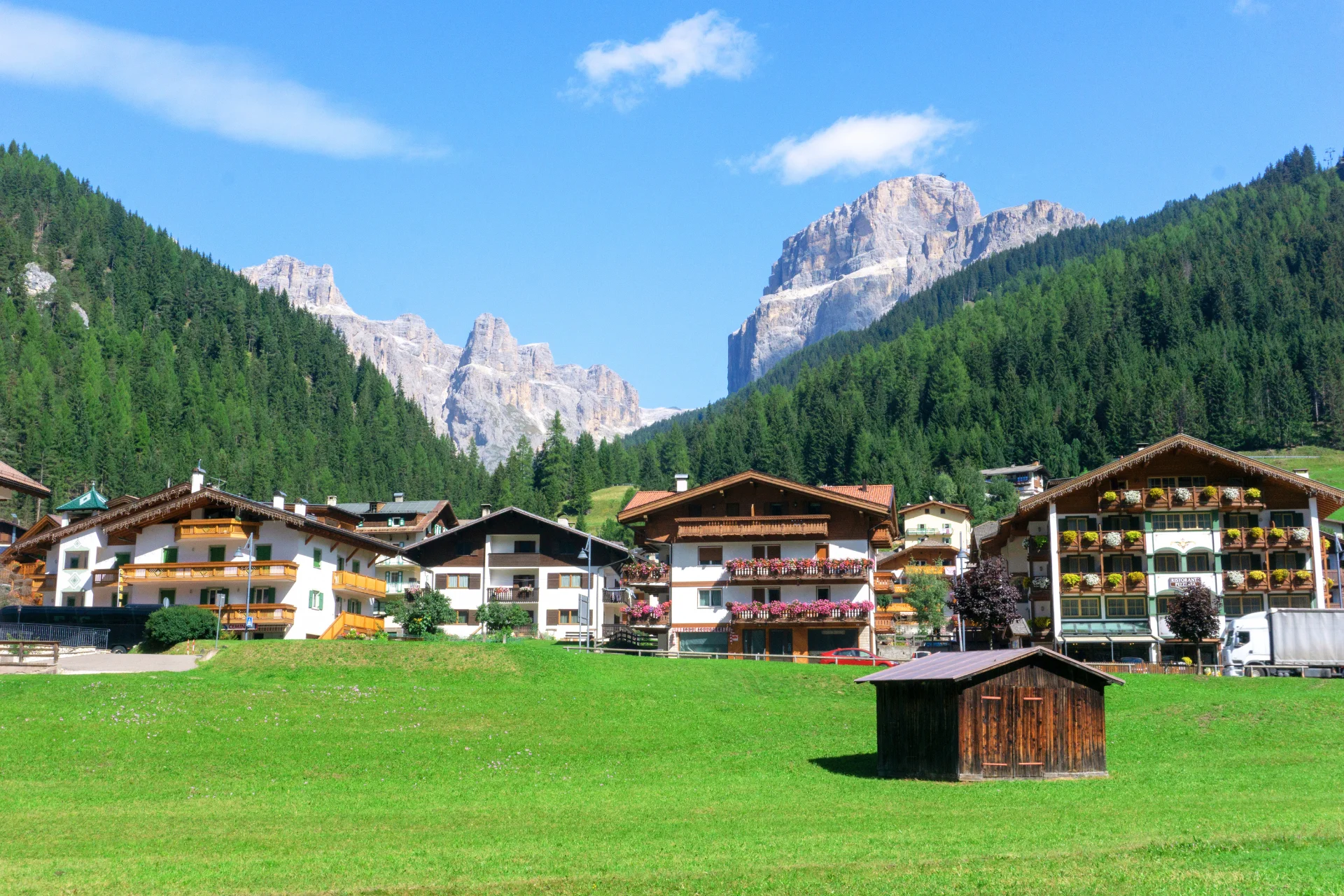
Many of these areas feature certified bike hotels with secure storage, repair stations, and hearty post-ride meals. To find the right match, check out our pick of the Best Places to Stay in the Dolomites.
Renting vs. Bringing Your Own Bike
Bringing your own bike is great for familiarity and comfort, but transport can be costly and complicated. It will also restrict where you stay and what else you do on your holiday.
If you’re here specifically just to ride and you have technically advanced skills, then having you own bike is probably worth the logistical headache. If not, then renting is a good alternative. Fortunately, the Dolomites boast excellent rental options with well-maintained bikes and top-tier brands.
If you plan to rent, our post on Where to Hire a Bike in the Dolomites: E-Bikes vs. Mountain Bikes breaks down reputable shops, pricing, and insider tips.
Pro Tip: Reserve your rental bike early. It’s not uncommon for bike shops to be completely out of stock during peak season, especially for electric bikes.
Gear & Preparation Tips
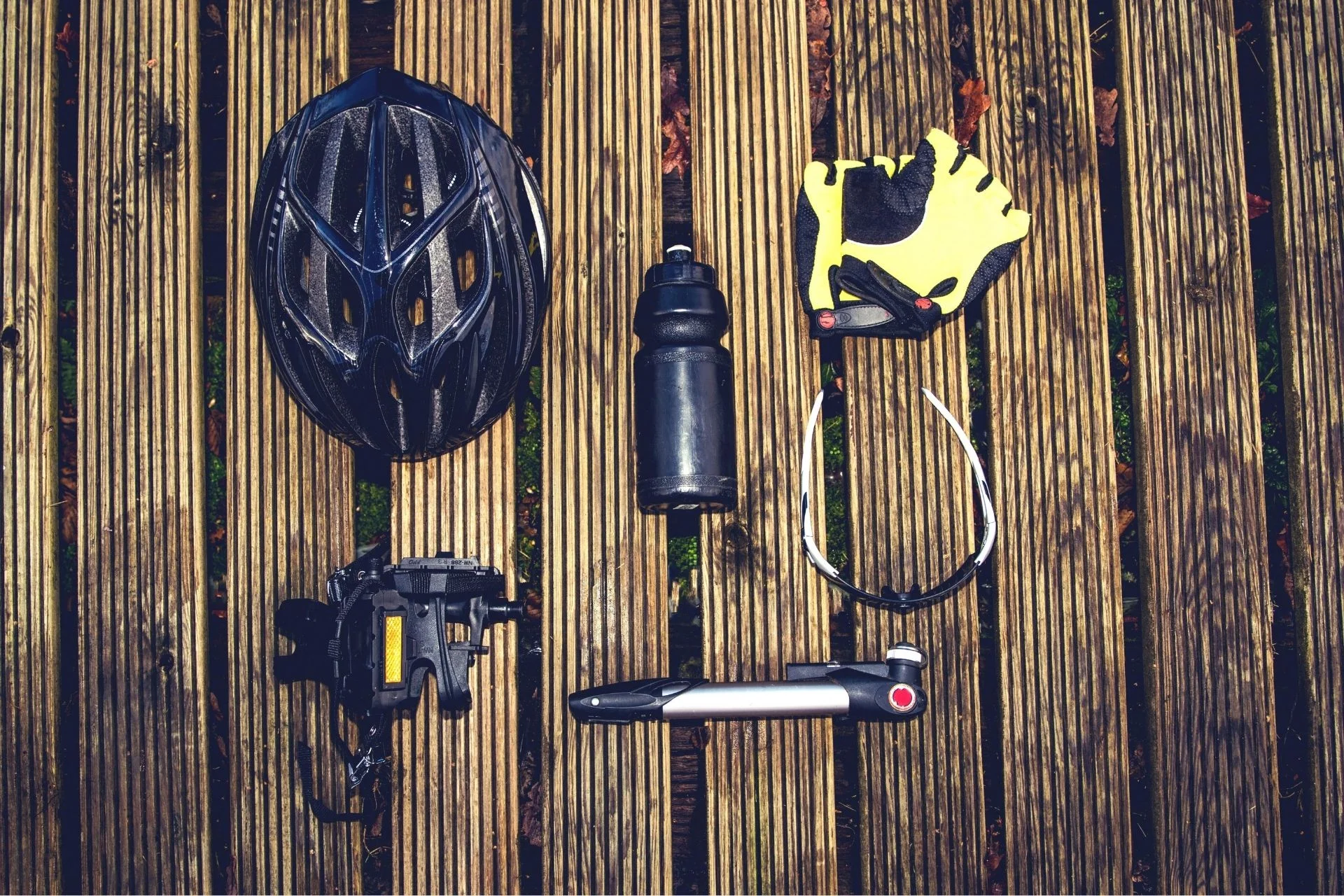
Riding in alpine terrain demands the right gear and setup. Bring or rent:
- Helmet – mandatory on all bike park trails, tours and just not worth the risk.
- Gloves and protective eyewear – simple protective equipment can make all the difference.
- Multiple different clothing layers for sudden weather changes.
- Tire repair kit, spare tube, and mini pump – don’t let a small problem ruin your trip.
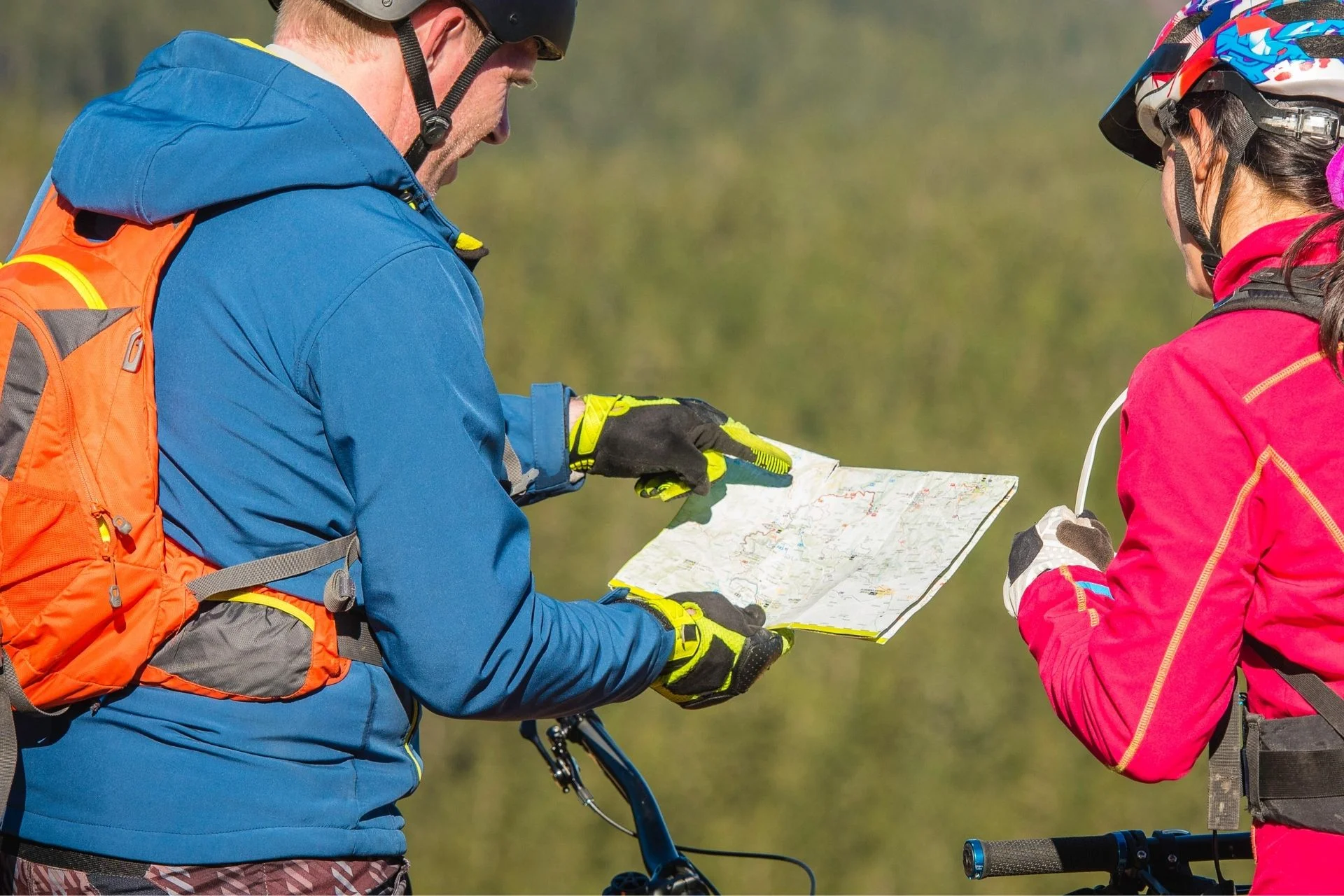
- Trail map or GPS app (e.g. Komoot, Trailforks) – it’s easy to get lost in unfamiliar terrain.
- Plenty of water and energy snacks – staying fueled and hydrated is key to your safety.
For a complete packing checklist, see the Dolomites Mountain Biking Kit List: Essential Gear and Bike Setup for Alpine Trails.
Weather & Altitude Tips
Even in summer, temperatures vary widely between valleys and peaks. Morning sun can turn into afternoon storms, so always pack a couple of clothing layers, including a lightweight shell.
Altitude (1,500–2,400 m) can affect endurance – take it easy on your first ride and remember to stay hydrated.
Safety First
I don’t want to be the one to bring down the mood, but staying safe in the mountains also means preparing for the worst. Accidents can and do happen, and if you’re ready for them then it could make all the difference.
It’s one of the reasons many people choose a (guided or self-guided) tour. We’re proud of our safety first philosophy. Even if you’re planning on going it alone, you’ll find useful advice on our safety page, including information about insurance and emergency cover.
Routes for Every Level
Just like ski slopes, MTB trails in the Dolomites are graded by color to indicate difficulty:
- Green: Easy, wide gravel or paved paths suitable for families.
- Blue: Moderate climbs and smooth single track for beginners.
- Red: Intermediate with some technical features and steep gradients.
- Black: Advanced, technical, and often lift-accessed.
Trail maps are available at tourist offices and lift stations, or digitally.
Guided vs. Self-Guided Biking Tours – Which Is Right for You?
Choosing between a guided and self-guided MTB tour depends on how you like to travel. Both offer incredible experiences in the Dolomites – just with different levels of structure and independence.
Guided Dolomites Tours
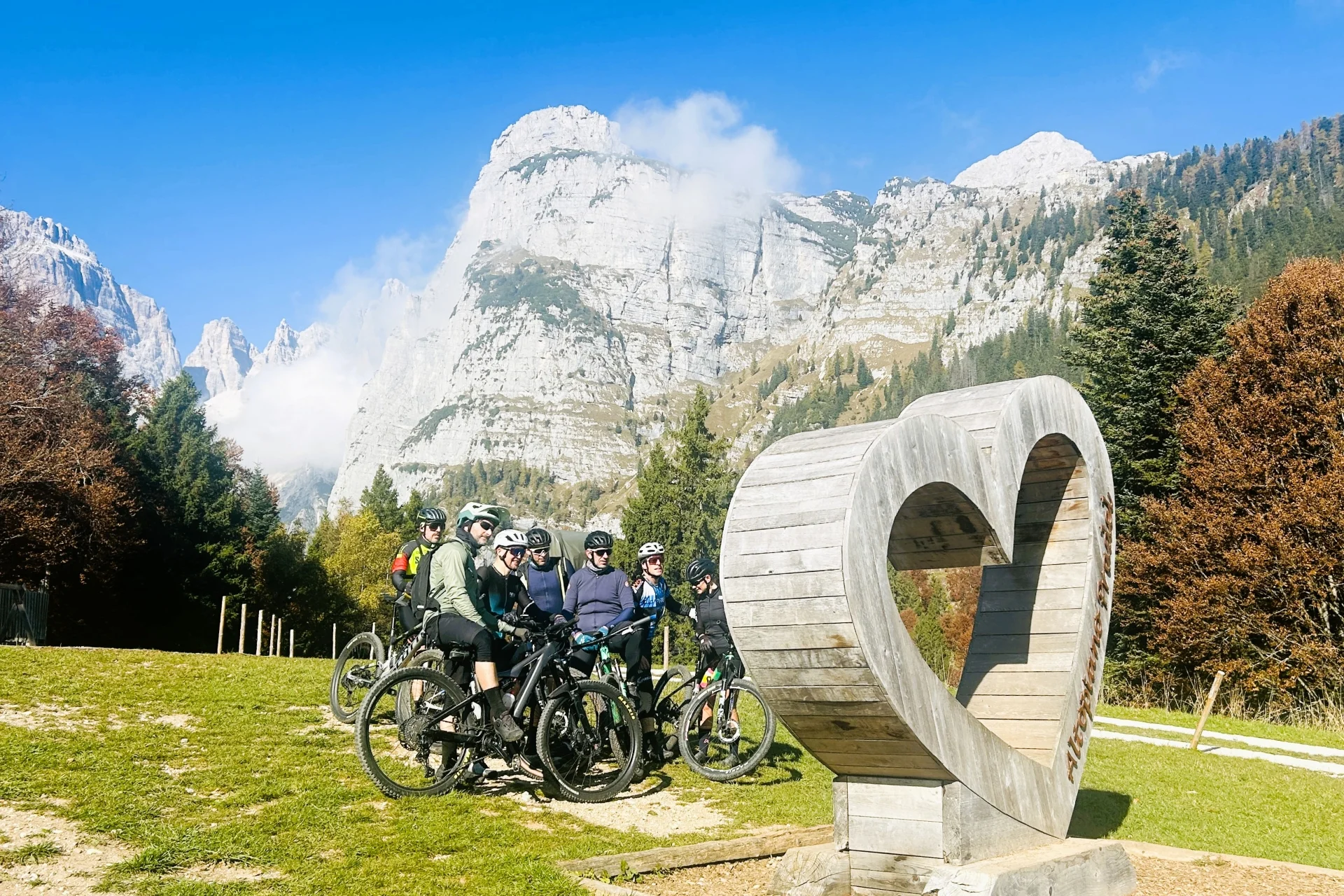
Guided tours are perfect for riders who want local insight, safety, and camaraderie. You’ll explore the best trails without worrying about logistics, navigation, or language barriers. Certified guides handle everything from route choice to mechanical issues.
At Dolomites Active Tours, our guided activity tours combine expert-led rides with select accommodation and easy transport – ideal for couples and small groups.
Self-Guided Dolomites Tours
Prefer to explore at your own rhythm? Self-guided tours deliver freedom with structure: pre-booked accommodations, luggage transfers, maps, and GPS routes that are ready to go.
They’re especially popular among experienced riders who want autonomy but still value logistical support. Learn more about our self-guided holidays in the Dolomites.
Bike Tour Operators & Local Guides
When booking locally, look for certified MTB guides (Maestri di MTB), small group sizes, and tour leaders who can communicate in your language.
Eco-conscious operators often collaborate with lift networks and local hospitality businesses to minimize environmental impact – a key value for sustainable travel.
How to Get There & Getting Around
Traversing the Valleys and Passes
Public transport connects most valleys, but for riders, summer lifts, shuttle services and e-bike rentals make exploring multiple areas more convenient. Many guided tours also include transfers, removing the hassle of logistics.
Browse our guided tours for itineraries, pricing and more details.
If you’re planning a multiday vacation, then several of the resorts have combined their lift access into a single pass. The Dolomiti SuperSummer pass allows access to 140 lifts across the Italian Dolomites – serving as the summer equivalent to the winter Superski pass.
The Dolomiti SuperSummer pass is ideal for hikers and mountain bikers planning to visit as much as possible in the shortest amount of time.
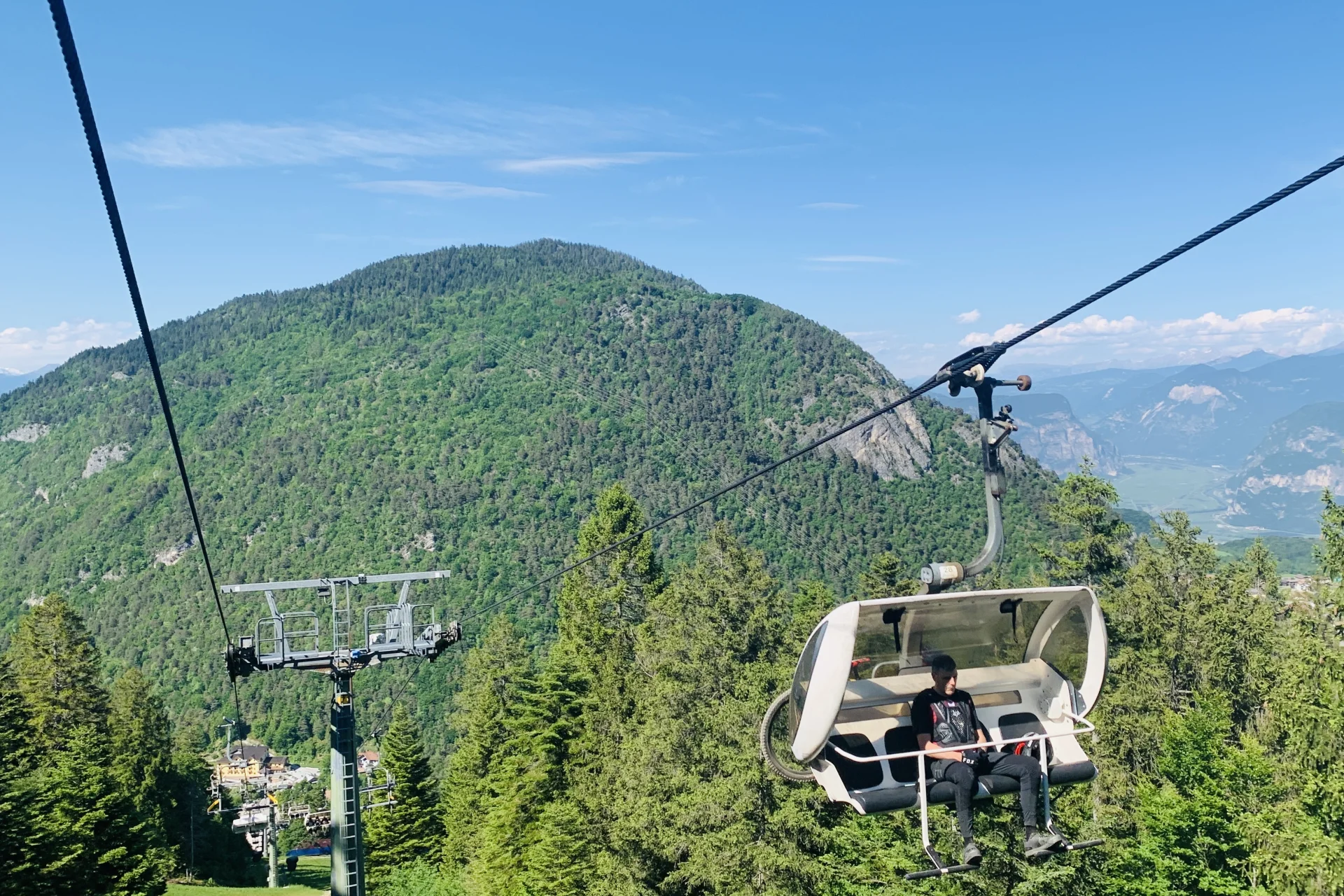
Access to the Dolomiti Bike Galaxy network, which spans over 400 km of official MTB trails and 12 areas, including:
- Cortina d’Ampezzo
- Alta Badia
- Val Gardena
- Seiser Alm / Alpe di Siusi
- Val di Fassa
- Arabba/Marmolada
- Tre Cime Lavaredo
The lift pass is also essential for the renowned Sellaronda MTB Tour (Alta Badia, Val Gardena, Val di Fassa, and Arabba) – a challenging, panoramic circuit around the Sella Group that crosses four passes (Gardena, Campolongo, Pordoi and Sella) and utilizes 14 lifts.
Airport Transfers
The Dolomites are within a 1-4 hour drive of several airports:
- Bolzano and Trento airports (closest regional options)
- Verona and Bergamo (small international and regional connections)
- Venice and Milan (major international routes)
There are many private transfer services for an easy arrival to your hotel. If you have the time (and you’re on a budget), then you can use the trains to the cities of Trento and Bolzano, where you can organize a taxi or use the regional bus service. Car rental is also an option. Traveling (from an airport) with your personal bike will need more logistical planning and bike rental starts to make a lot more sense.
Rules and Respect for Nature
The Dolomites’ experience has an ethos of responsible riding. Keep to marked trails, respect wildlife, and yield to hikers when descending. While it is currently not a legal requirement to wear a helmet in Italy, they are mandatory in all bike parks.
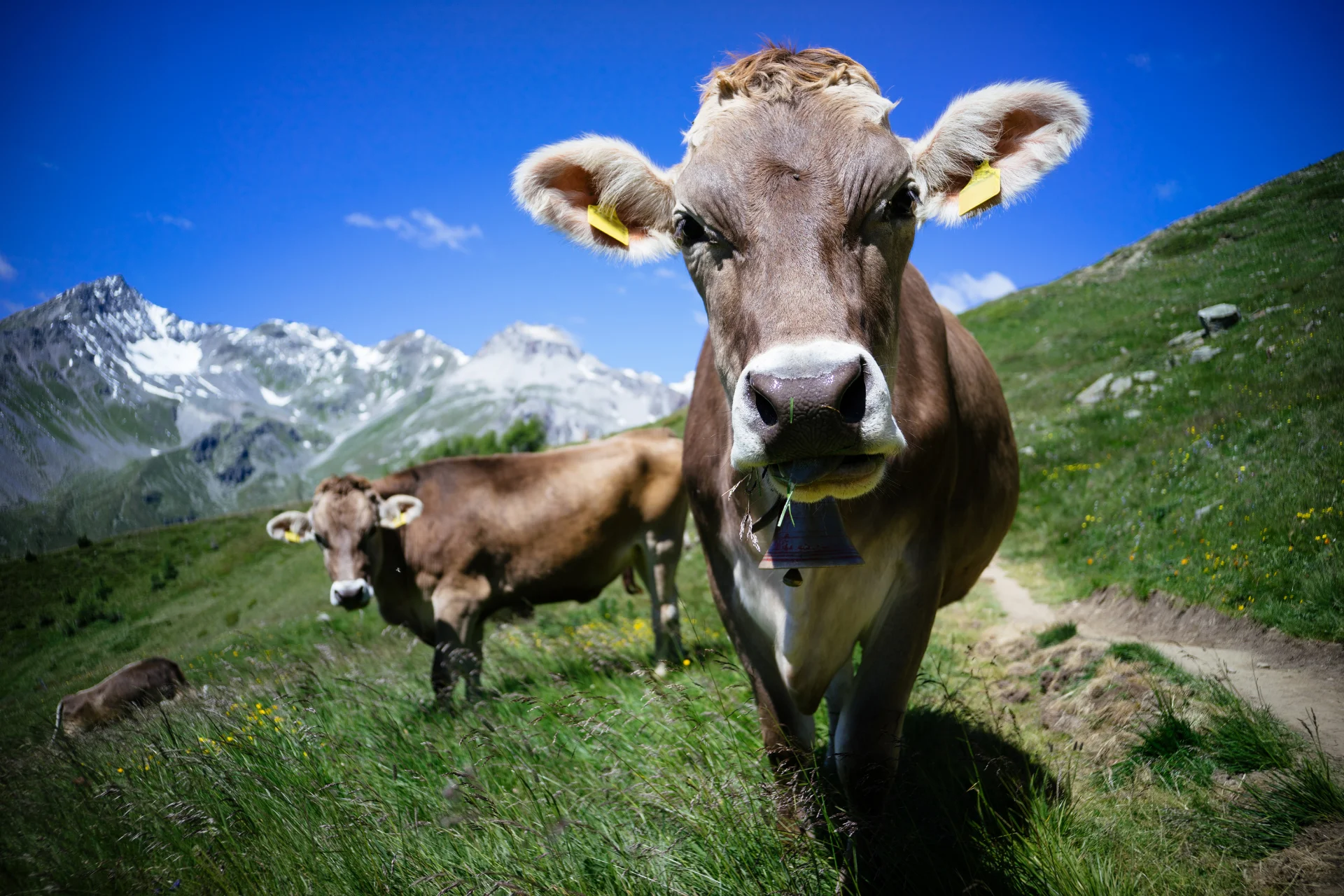
Local regulations may vary by region (Dolomite regions: Trentino-South Tyrol, Veneto and Friuli Venezia Giulia), so check signage before entering restricted areas. Always leave no trace and carry out what you bring in.
You may also find our FAQ page useful for understanding best practice when visiting the area.
Beyond the Bike – Extend Your Adventure
Local Food, Wellness & Recovery
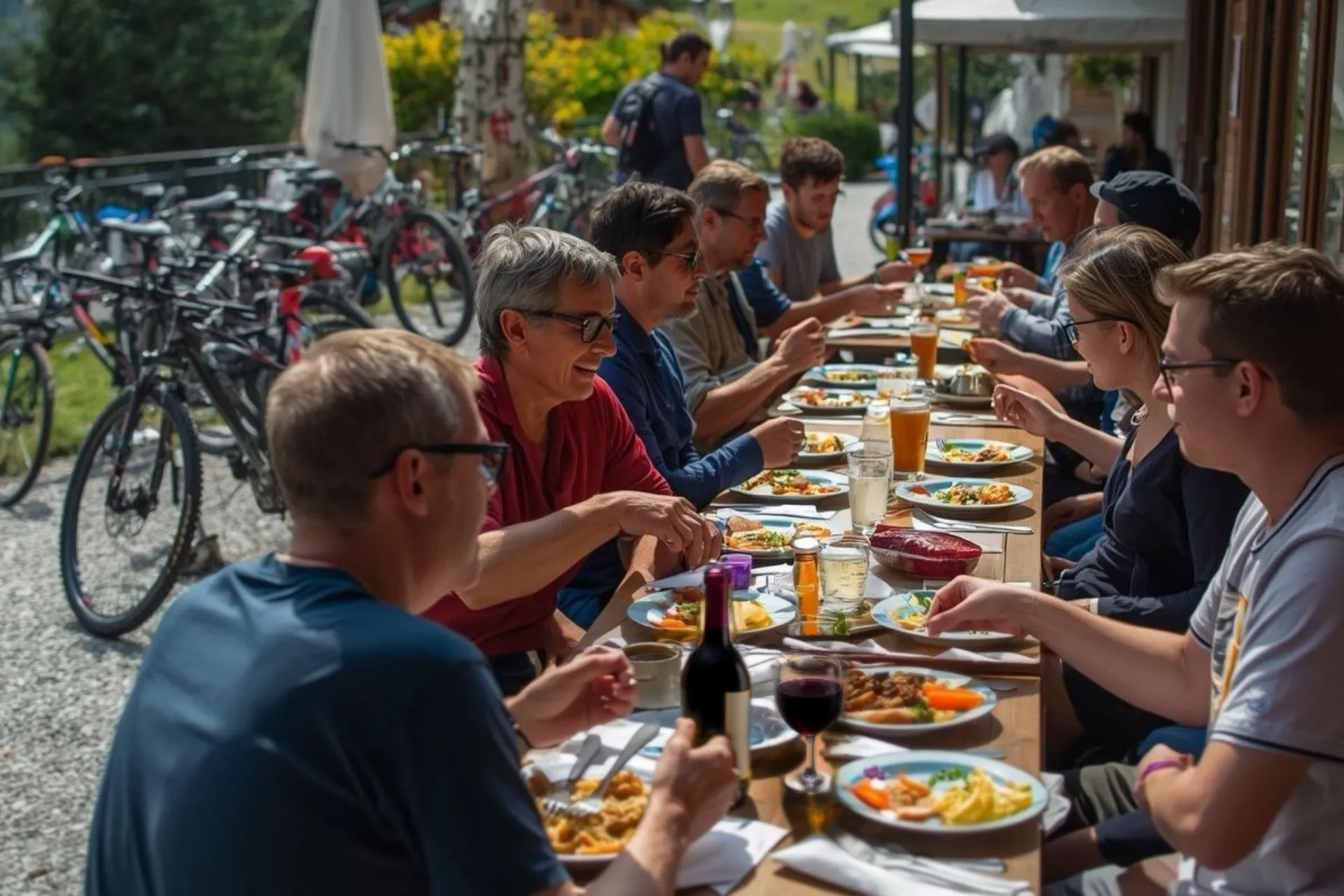
After a long ride, the Dolomites reward you with more than views. Mountain huts serve hearty local dishes like canederli (dumplings), speck, and apple strudel, perfect post-ride fuel!
Many resorts also feature wellness hotels and thermal spas, offering massages and saunas that make recovery a luxury, indulgent experience.
Events & Festivals
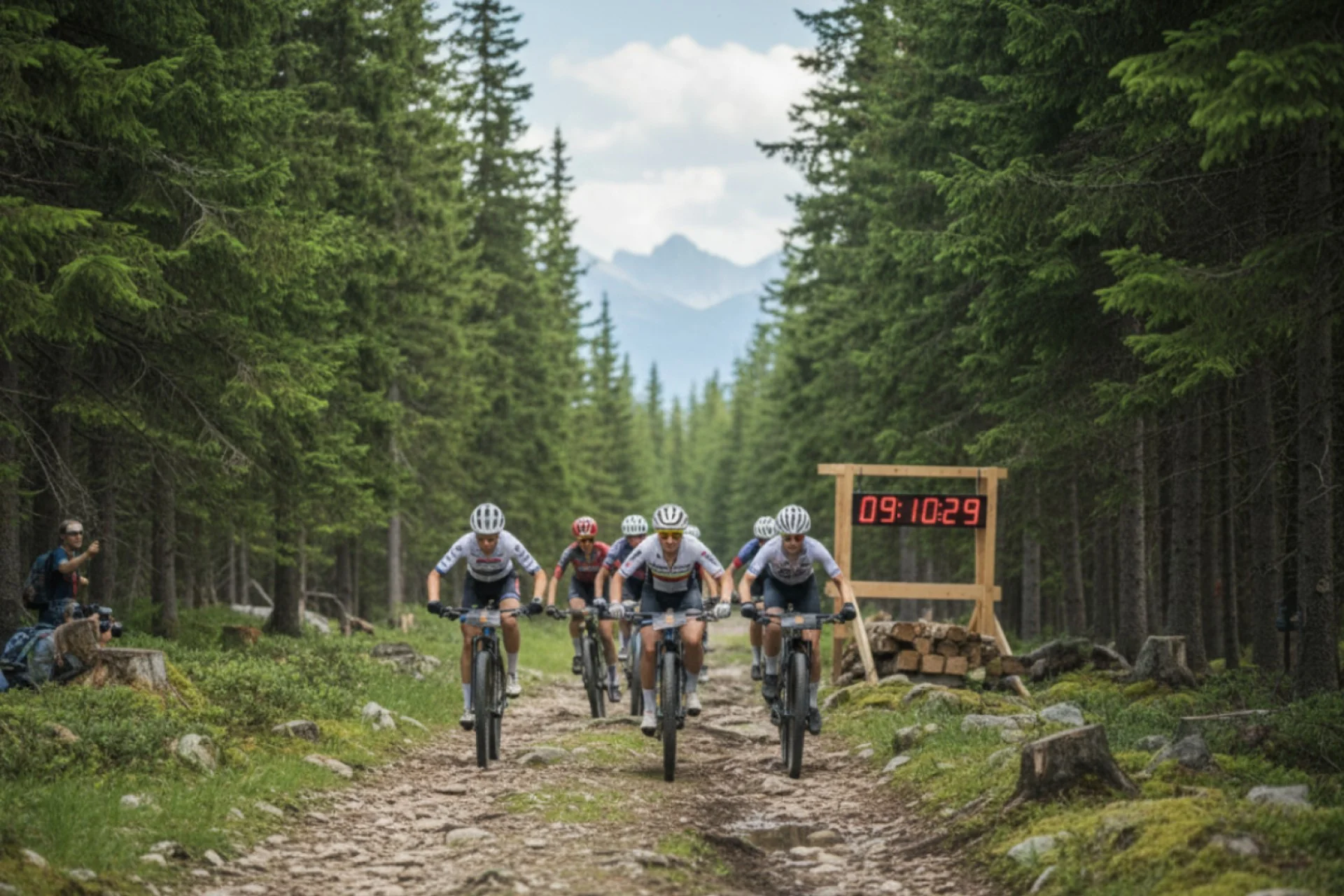
Summer brings a packed calendar of MTB events celebrating the region’s riding culture.
Highlights include:
- Sella Ronda Bike Day (June & September): Roads around the Sella massif closed to traffic – open only to cyclists.
- Paganella Bike Opening: Kick-off event for park season with demos and concerts.
- Hero Dolomites MTB Marathon (Val Gardena): One of the toughest MTB races in Europe – a charged experience even for spectators.
Final Thoughts – Ready to Ride the Dolomites?
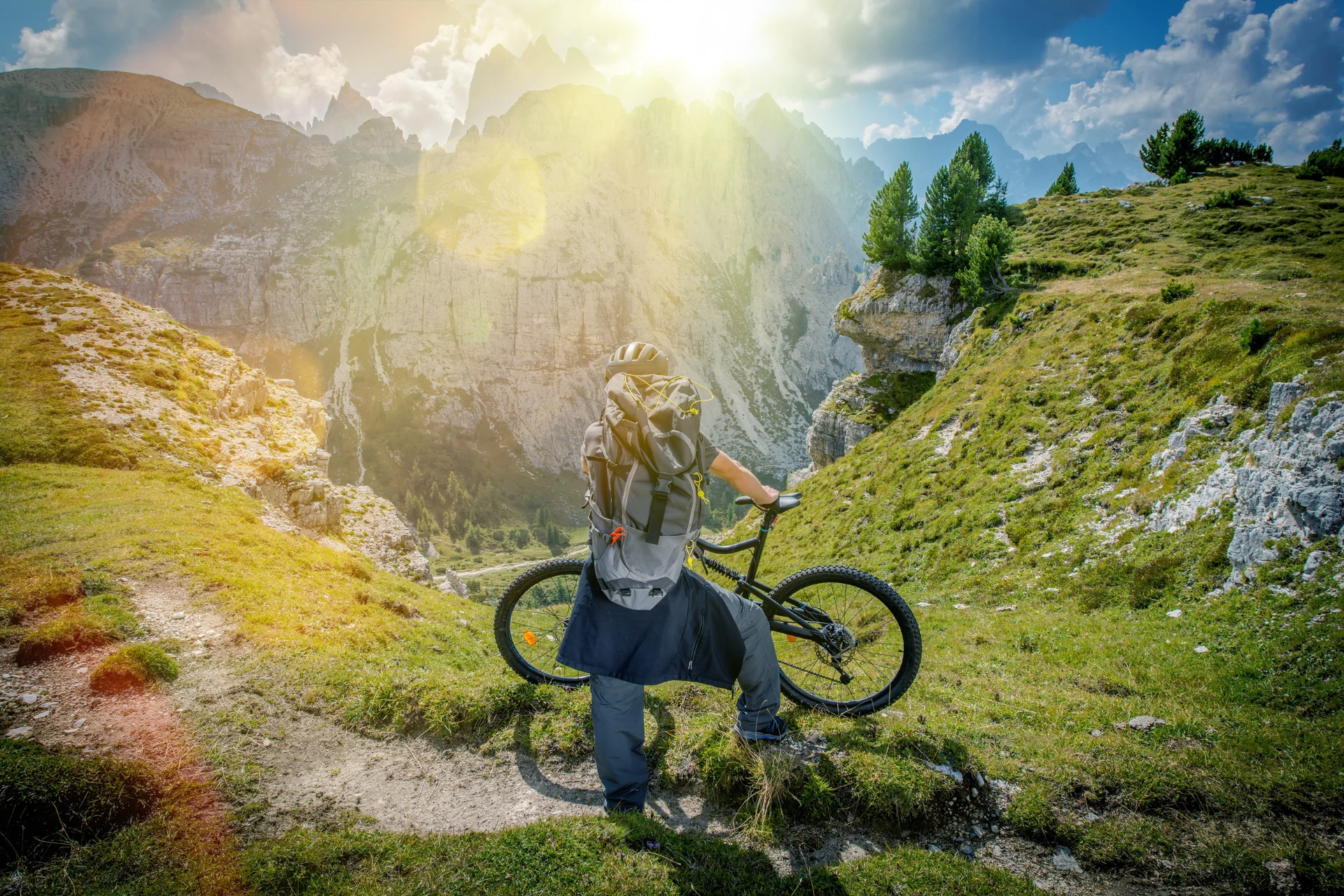
Few places on Earth offer mountain biking like the Dolomites. It’s a region where wild nature meets world-class infrastructure, lift access to high altitude, comfortable accommodation and delicious mountain food.
But the Dolomites don’t just attract elite riders, even beginners and families can hit the trails and enjoy an alpine adventure.
Ready to make it happen? Explore our guided and self-guided tours and start planning your Dolomites adventure today.
FAQs About Cycling in the Dolomites
From mid-May to late September, when the summer lifts operate and trails are dry and free from snow.
No, but local guides provide insider knowledge, manage safety, and handle logistics – especially helpful on multi-valley routes.
Most shared-use and MTB trails welcome electric bikes, but always check local signage or ask rental shops before heading out.
Absolutely. There are plenty of easy routes and e-bike options in areas like Alpe di Siusi and Val di Fiemme. The important thing is to plan your route and be realistic about your skill level.
It’s a moderate-to-challenging route, suitable for fit riders with some technical skills. Lift access helps manage the big climbs and gives you time to for recovery to tackle the almost 60 km ride.
Yes, many! Valleys such as Val Pusteria and Alpe di Siusi feature safe, gentle trails perfect for families. rental shops also cater for children and some also have bike trailers to carry younger children.
Most major towns (Canazei, Ortisei, Andalo) offer rentals, see Where to Hire a Bike in the Dolomites: E-Bikes vs. Mountain Bikes for details.
Layered clothing, repair kit, helmet, gloves, and a map or GPS app are essentials. Check our MTB kit list for the Dolomites for a full breakdown.
- Helmet – mandatory in all bike parks and strongly recommended for all types of riding.
- Kneepads – mandatory in bike parks.
- Gloves.
- Sunglasses or clear lenses to shield from branches, dust, glare, debris.
- Elbow pads, back/chest protection/body armour is recommended in bike parks and for more technical, downhill and high risk riding.
Many trains allow bikes and have dedicated bike storage areas. You should check specific details when booking your train tickets.
Share

Written by Justin
Justin is a certified E-Bike Guide – Instructor (Level 2) and co-founder of Dolomites Active Tours. Living in the Dolomites, he is an avid cyclist, hiker, loves via ferrata, and spends his winters on the slopes. His first-hand experience exploring these mountains allows him to share practical insights and expert advice for those eager to discover the Dolomites.
More posts from Justin