Packing for Your Adventure
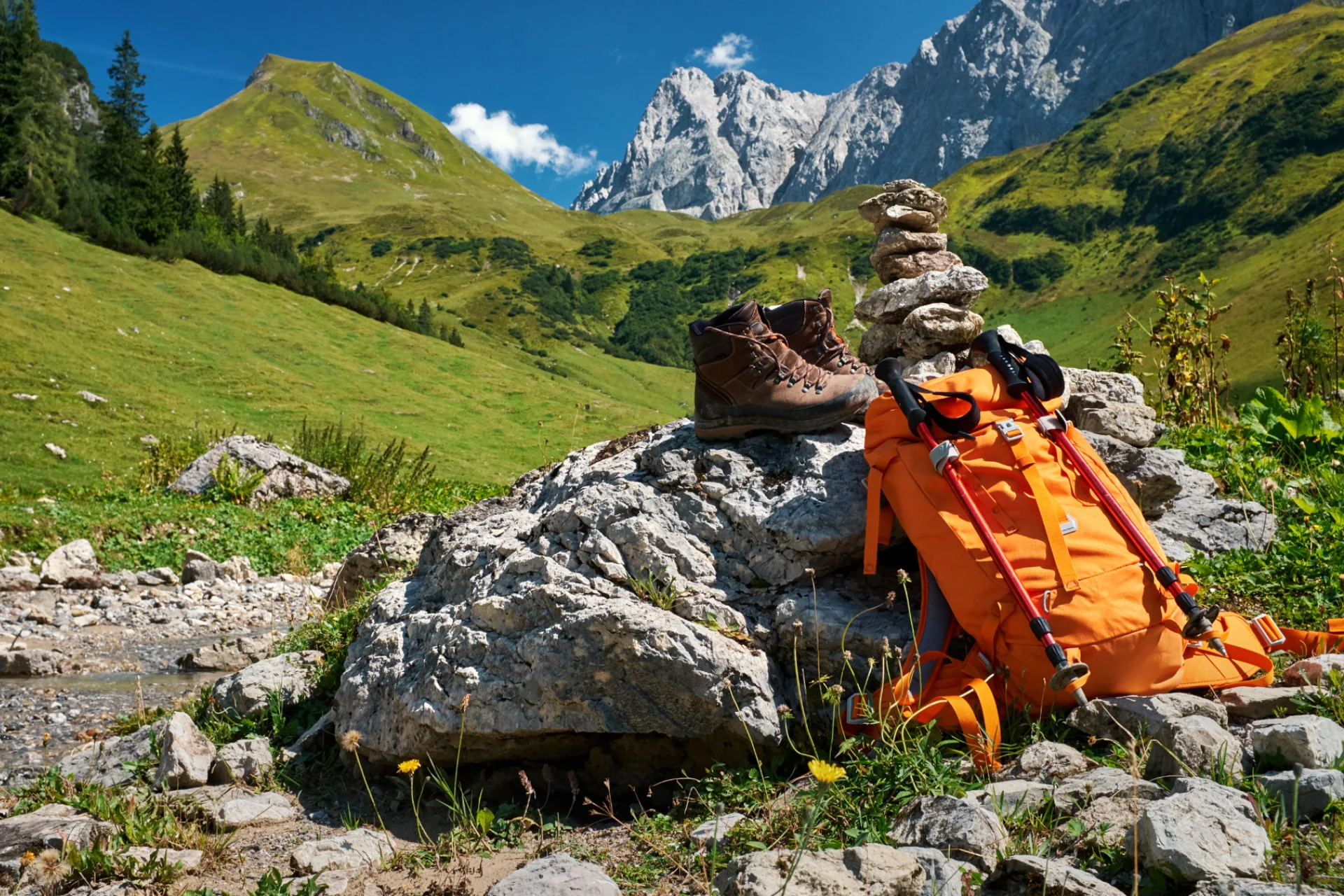
To enjoy a comfortable and safe Dolomites adventure, your packing list is a crucial step. The weather in the mountains can be unpredictable; you might begin the day under a clear blue sky only to encounter sudden rain, strong winds, and temperature fluctuations. In addition, mountain terrain is variable and different sports activities require different equipment.
This packing list covers the essential things to wear and pack for a day of hiking, cycling, via ferrata or skiing. It is not a complete list and you must also use good judgement to assess the weather and to add your own personal items.
Together we can ensure you’re well equipped to enjoy every moment of your Dolomites adventure.
 ENQUIRE
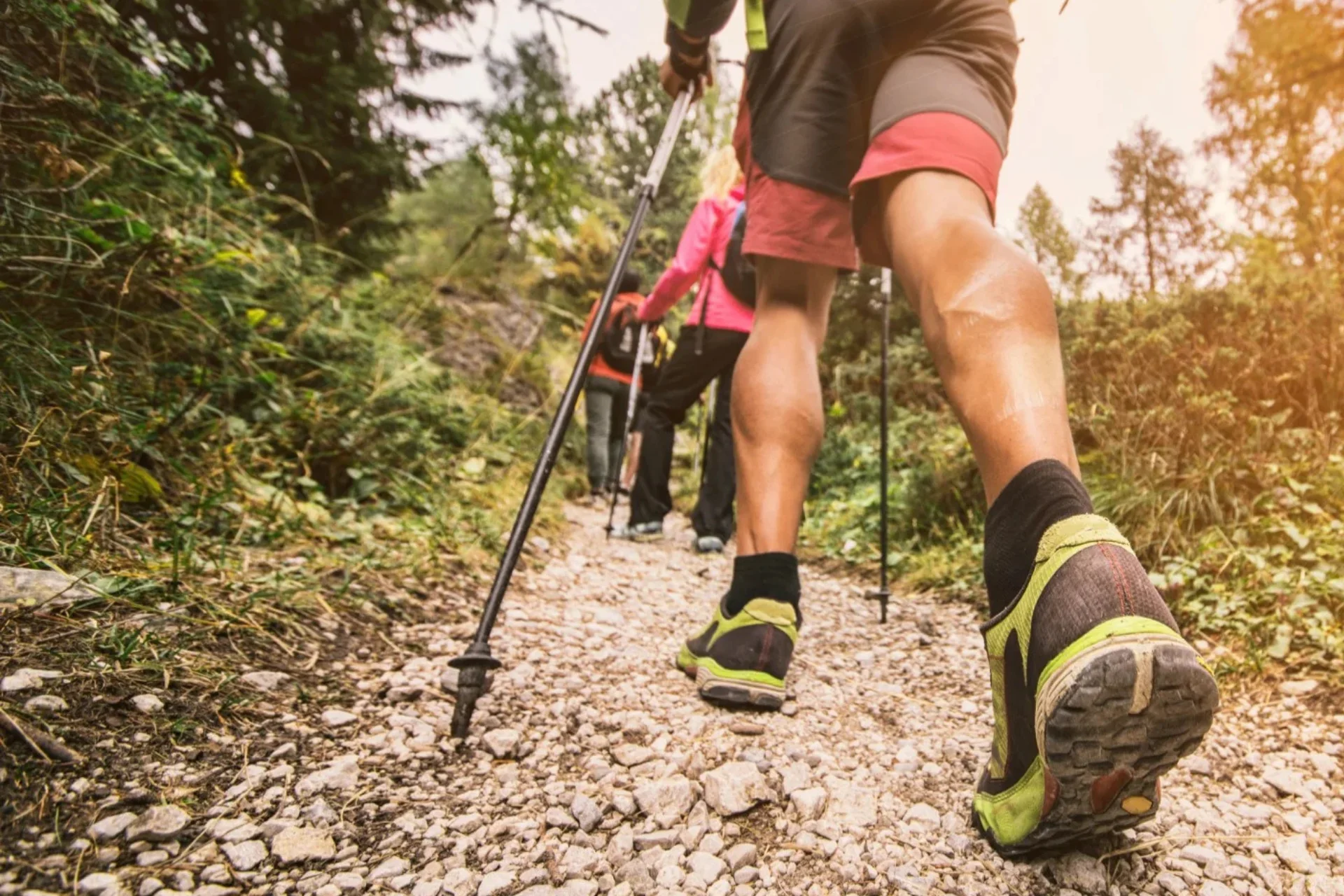
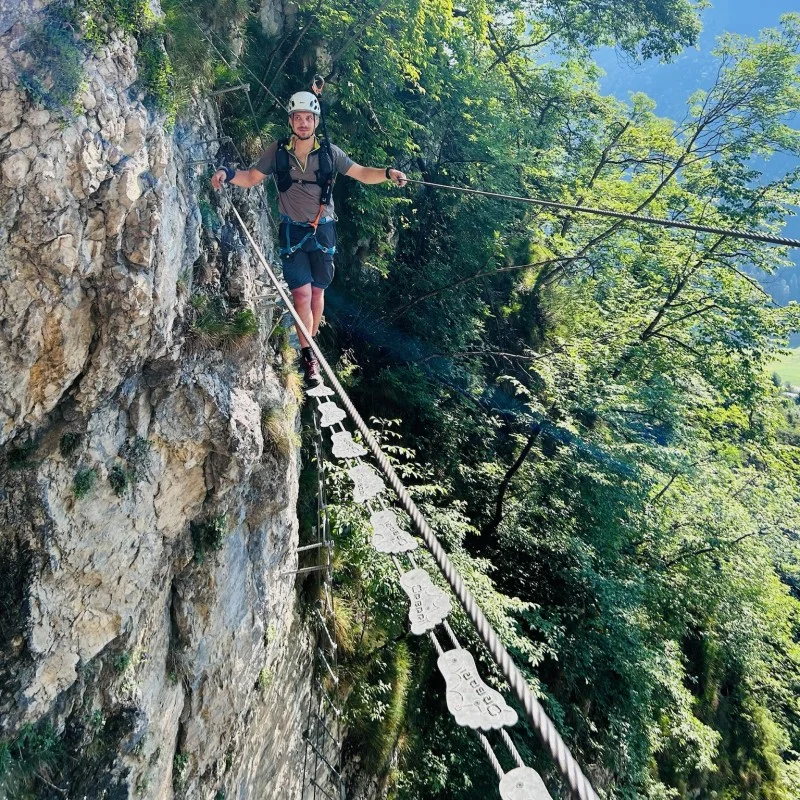
Hiking & Via Ferrata
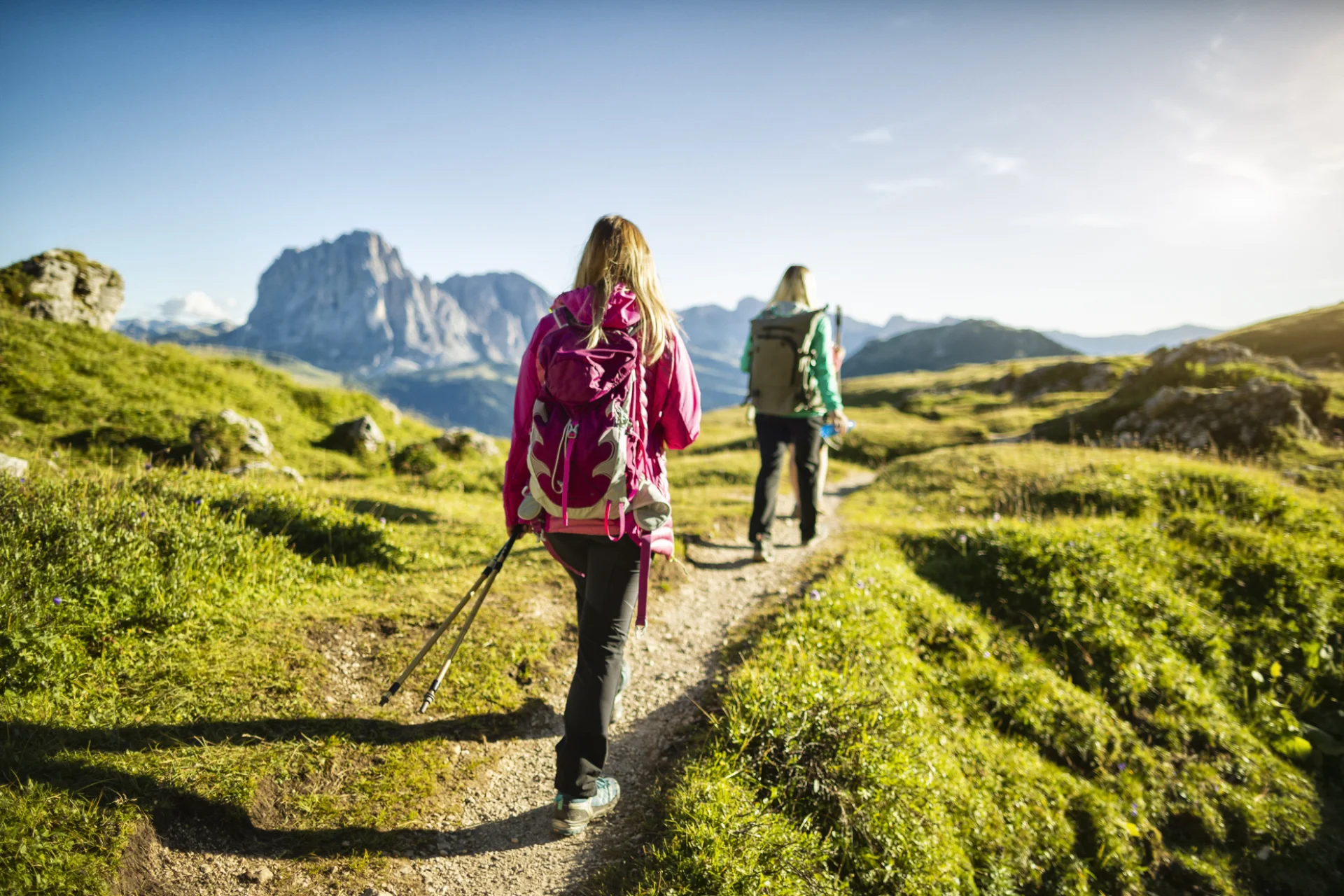
Most of our hiking and via ferrata tours and trips are during the warmer months (May to October), on easy to difficult trails and when the summer lifts and mountain huts are open. Winter trekking and extreme routes require more specialized gear.
- Base Layer: Moisture-wicking (long or short sleeve) shirt made from synthetic material or merino wool for sweat management.
- Insulated Layer: Lightweight fleece or insulated vest for core warmth (on cooler days, early mornings, evenings and at altitudes over 1,500 meters). It’s recommended to carry at least two mid-layer items in colder months.
- Outerwear & Protection: Waterproof and windproof, breathable shell jacket for wet weather and storms.
- Pants / Shorts: Comfortable fitting with stretchy, quick-drying materials are best and an outer shell is also recommended for wet weather.
- Footwear: Comfortable, sturdy hiking boots or shoes with good grip are essential. Also consider a mid to high cut for ankle support.
- Hiking Socks: Wool or synthetic; avoid cotton.
- Gloves: Breathable, thin gloves that are also durable Useful for warmth and protection from rocks and metal cables (via ferrata).
- BackPack: Light weight and adjustable 20 liter pack for day hikes and 30+ liter pack for overnight trips.
- Sun Protection: Sunglasses, sunscreen, and a hat.
- Water & Snacks: Bring at least 2 liters of water and energy-boosting snacks (nuts, dried fruit, dark chocolate). Extra water is available at rifugios enroute.
- First Aid Kit: Focus on blister care, pain relief, and small bandages. On organised group tours, mountain guides will carry a first aid kit.
- Trekking Poles: (Optional, but highly recommended) to reduce knee strain and improve stability.
- Documents: Maps / GPS (for non-guided tours), identification and an insurance card / healthcare card.
- Personal Items: Add anything that helps make your day more comfortable, safe and enjoyable. For example medications, extra clothing, phone (and charging cable or power bank), money etc.
- Equipment: Via ferrata equipment is included with guided excursions. Note: Helmets are mandatory on our organised via ferrata tours.
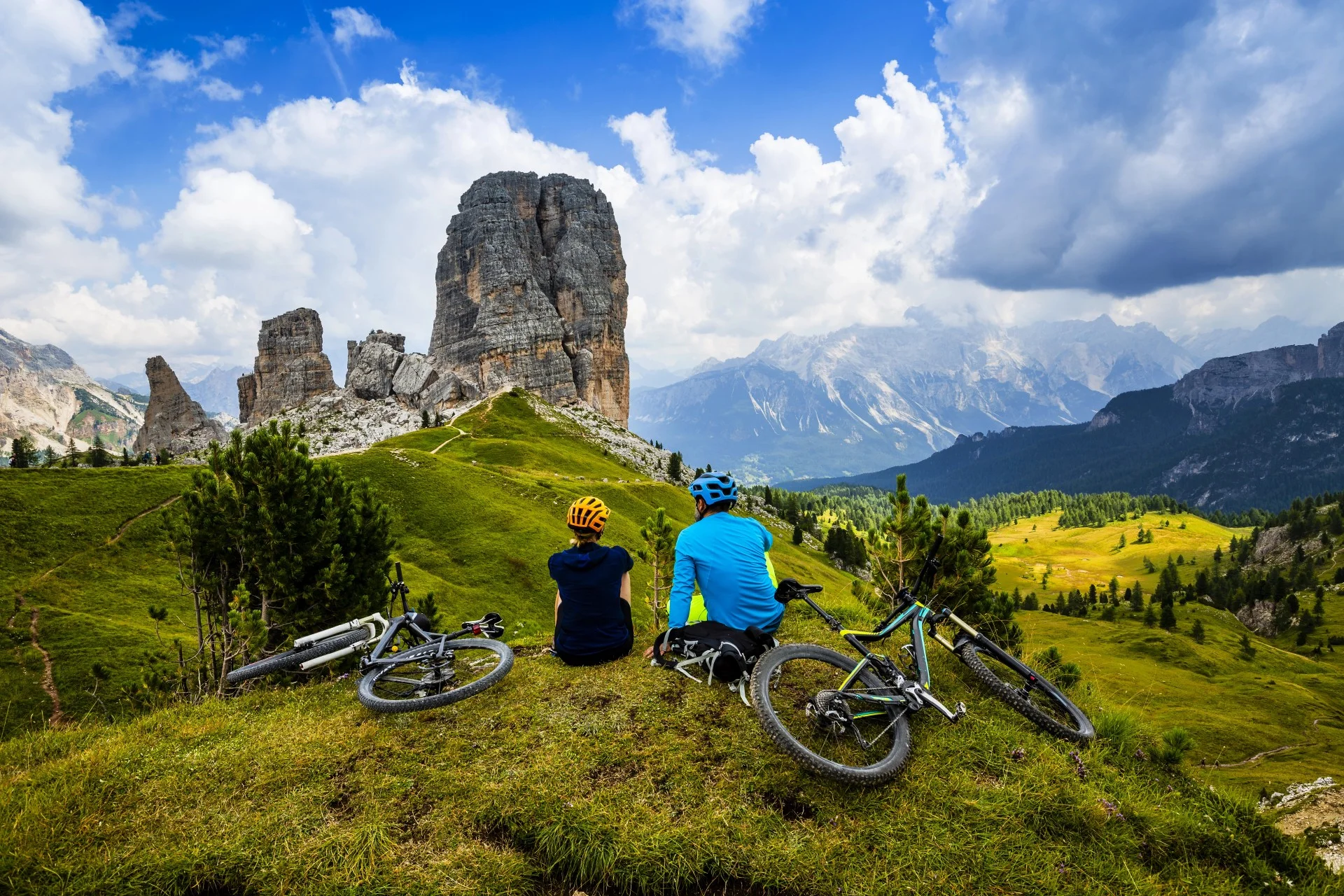
Cycling
Our MTB cycling tours and trips are also during the warmer months (May to October) and are recreational level. So the list below is not suitable for winter or advanced cycling trips.
- Clothing, Gloves & Socks: Refer to the hiking / via ferrata trips. Except you may prefer padded shorts and padded gloves. Cycling tights are recommended instead of loose trousers to avoid material getting caught in bike mechanisms and for comfort.
- Footwear: Comfortable, sturdy shoes. (Cycling shoes with cleats are best for road bikes). Mountain biking shoes – stiff rubber soles with a flat bottom.
- BackPack: Light weight and adjustable 20 liter pack. Straps should be safely tucked away to avoid getting caught in bike mechanisms.
- Sunglasses: Sports sunglasses will protect you eyes from stones and branches, photochromic lenses are best for changing light conditions.
- Sun Protection: Sunscreen.
- Water & Snacks: Bring at least 2 liters of water and energy-boosting snacks (nuts, dried fruit, dark chocolate). Extra water is available at rifugios enroute.
- First Aid Kit: Focus on blister care, pain relief, and small bandages. On organised group tours, cycling guides will carry a first aid kit.
- Basic Repair Kit: Including an inner tube, tire levers, small pump/CO2 inflator, patch or plugging kit. On organised group tours, cycling guides will carry a repair kit.
- Multi-Tool: For basic bike adjustments. If you rent a bike, then this may be provided. On organised group tours, cycling guides will carry some tools.
- Bike Lock: To secure the bike to a post or rack and deter theft. If you rent a bike, then this will be provided.
- Documents: Maps / GPS (for non-guided tours), identification and an insurance card / healthcare card.
- Personal Items: Add anything that helps make your day more comfortable and safe. For example medications, extra clothing, phone (and charging cable or power bank), money etc.
- Equipment: Cycling equipment is included in most group tours (check the tour details page). If not included then you can bring your own or rent the equipment. Note: Helmets are mandatory on our tours.
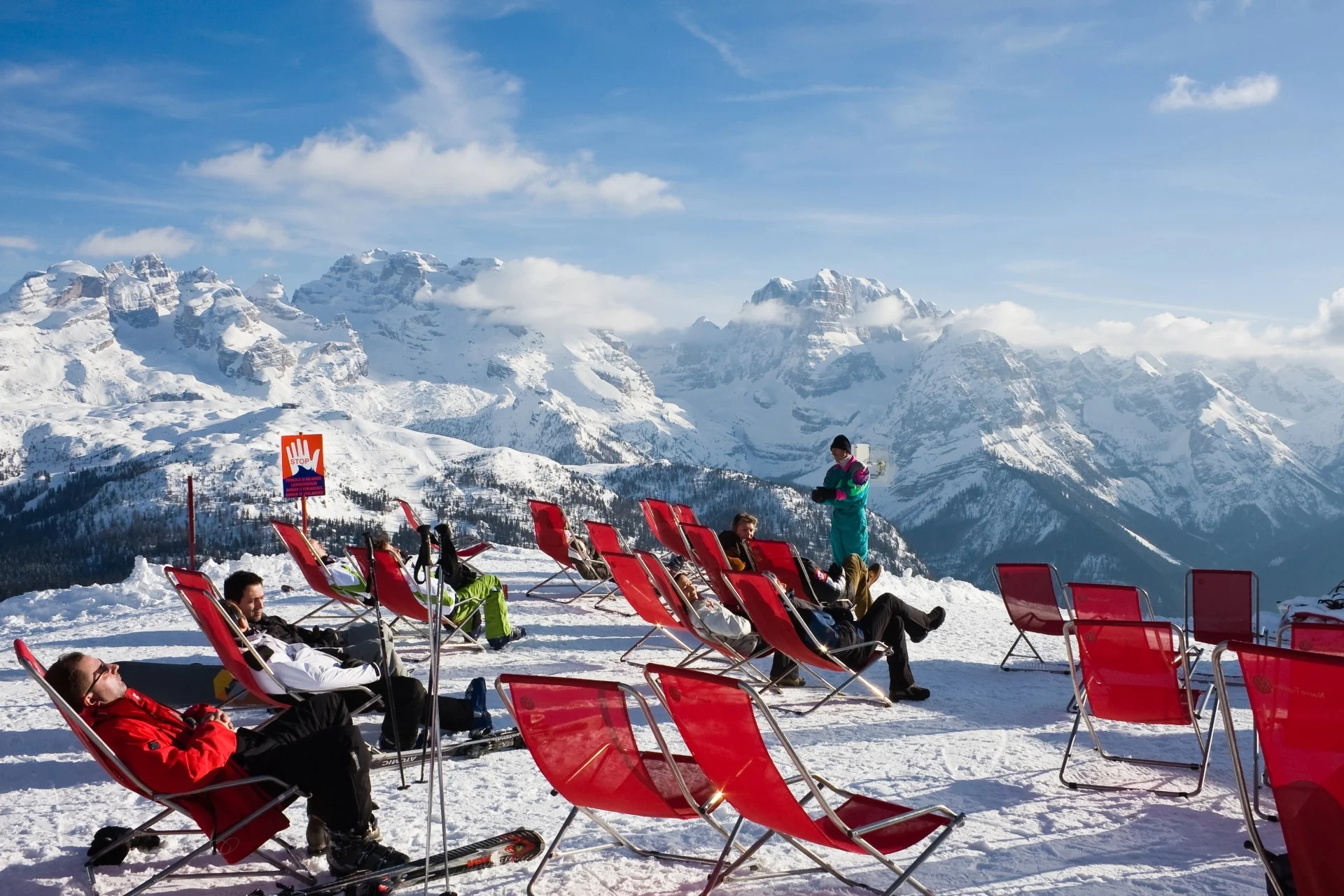
Skiing & Snowboarding
Our Winter Breaks are during the winter months (December to April). Typical daytime temperatures on the ski slopes are between -10oC to 0oC. The list below is suitable for resort style / on-piste ski or snowboarding trips.
- Base Layer: Thermal long-sleeve top and 3/4 leggings.
- Insulated Layer: Midweight long sleeve fleece suitable for cold weather and altitudes above 1,500 meters. It’s recommended to carry at least two mid-layer items in colder months.
- Outerwear & Protection: Ski / Snowboard jacket (waterproof, windproof and insulated).
- Pants: Ski / Snowboard pants (waterproof, windproof, insulated).
- Ski Gloves: Mittens are generally warmer; layering gloves (liner + shell) is ideal for dexterity and extra warmth.
- Ski Socks: Long (to cover the shins) and well-padded; never use cotton.
- Footwear: For before and after your day on the slopes – Insulated snow boots (warm, waterproofed and with good grip).
- Extra Warmth: Neck gaiter or balaclava and winter hat or beanie.
- BackPack: Light weight small 10 liter pack. Straps should be safely tucked away.
- Sun Protection: Goggles and sunscreen
- Water & Snacks: 1 litre of water and energy-boosting snacks (nuts, dried fruit, dark chocolate). Extra water and snacks / food is available at rifugios and huts.
- First Aid Kit: Focus on blister care, pain relief, and small bandages.
- Documents: Including ski pass, identification and an insurance card / healthcare card.
- Personal Items: Add anything that helps make your day more comfortable and safe. For example medications, extra clothing, phone (and charging cable or power bank), money etc.
- Equipment: Available for rent or you can bring your own. Note: Helmets are mandatory on Italian ski slopes.
Other Activities
- Swimming: Swimwear, towel and sun protection.
- Kayaking / River Rafting: Swimwear, shorts, t-shirt, towel and sun protection.
- Ziplining: Comfortable outdoor / sports clothing, gloves and sun protection.
- Snowshoeing: Suitable winter clothing and winter footwear are essential
(plus poles, traction cleats or spikes and sun protection are recommended).