
Forget everything you think you know about mountain holidays. Few places in the world combine dramatic landscapes, rich alpine culture, and accessible adventure quite like the Dolomites.
The Dolomites, a UNESCO World Heritage site, offers a hiking experience that is genuinely in a class of its own. A perfect fusion of epic scale, fascinating history, and surprising comfort.
If you’d rather leave the logistics to someone else, Dolomites Active Tours offers both small group guided tours and self-guided hiking tours – designed by locals who know these mountains inside out.
Why the Dolomites Are a Hiker’s Paradise
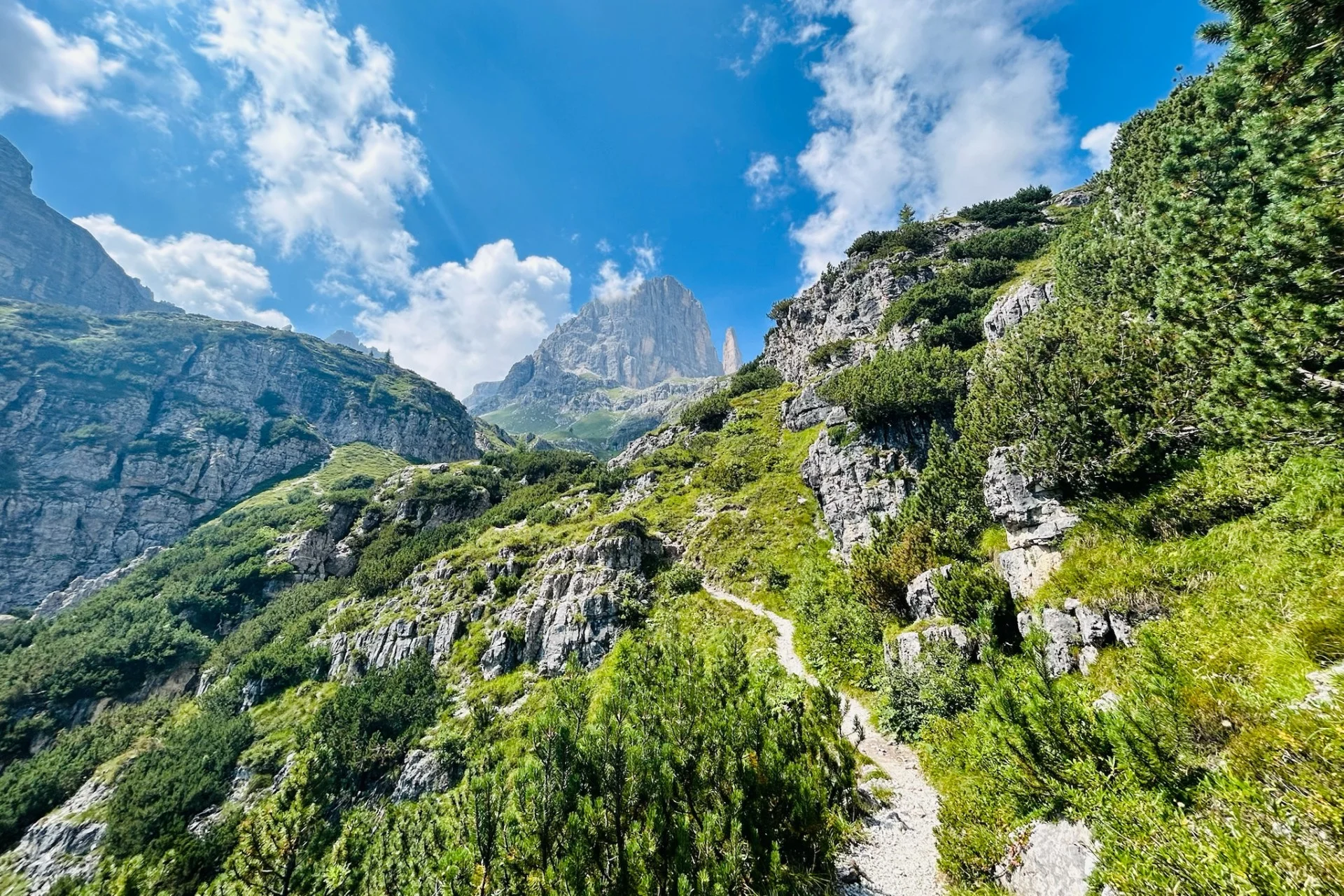
The Dolomites have long attracted walkers, climbers, and outdoor lovers from around the world. What sets them apart isn’t just their striking spires and emerald valleys; it’s the sheer quantity and interesting variety of terrain packed into a relatively small area.
A Hike for Every Ability
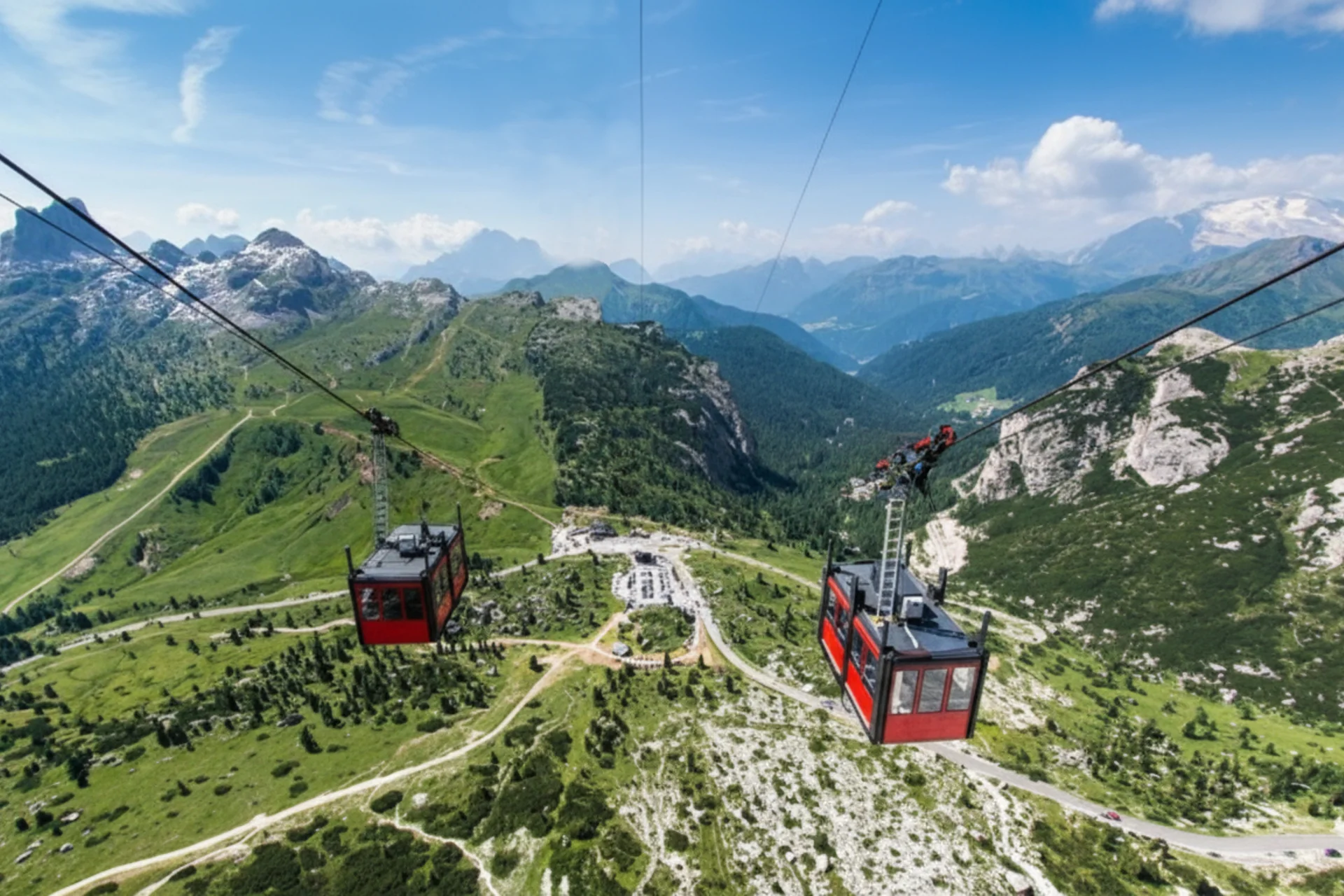
From gentle meadow walks to high-altitude via ferrata routes (iron paths with cables and ladders), the Dolomites offer something for every kind of hiker. You can spend the morning strolling through wildflower fields and the afternoon crossing dramatic mountain passes — all within reach of charming alpine villages and cable cars that make access easy.
Few ranges manage to offer such a variety of hiking difficulty without sacrificing views. You’ll find everything from accessible, paved loops on high plateaus like Seiser Alm (perfect for a relaxed afternoon) to challenging, multi-week routes like the Alta Via traverses. Plus, the vast and modern networks of cable cars make it easy to skip the tedious valley climb and jump right into the breathtaking scenery, maximizing your time above the tree line.
Diverse Regional Experiences
The Dolomite Mountains are a collection of mountain ranges and regional areas, each offering their own experience:
- South Tyrol (Alto Adige) in the north is more obviously influenced by Germanic and Austrian cultures, with immaculate rifugios and well-maintained and clearly marked trails.
- Trentino in the south-west includes the Brenta Dolomites, with more Italian influence, long hut-to-hut hikes, and pristine alpine lakes.
- Veneto offers dramatic limestone towers and quieter paths to the south near Belluno.
- Friulian Dolomites in the east is an untamed wildness for remote experiences.
Generations in the Making
The dense trail network here is not accidental; it’s a living history lesson. The area has been inhabited for centuries, meaning countless smaller, unofficial trails have existed for thousands of years, connecting remote villages, alpine farms (malghe), and trading routes.
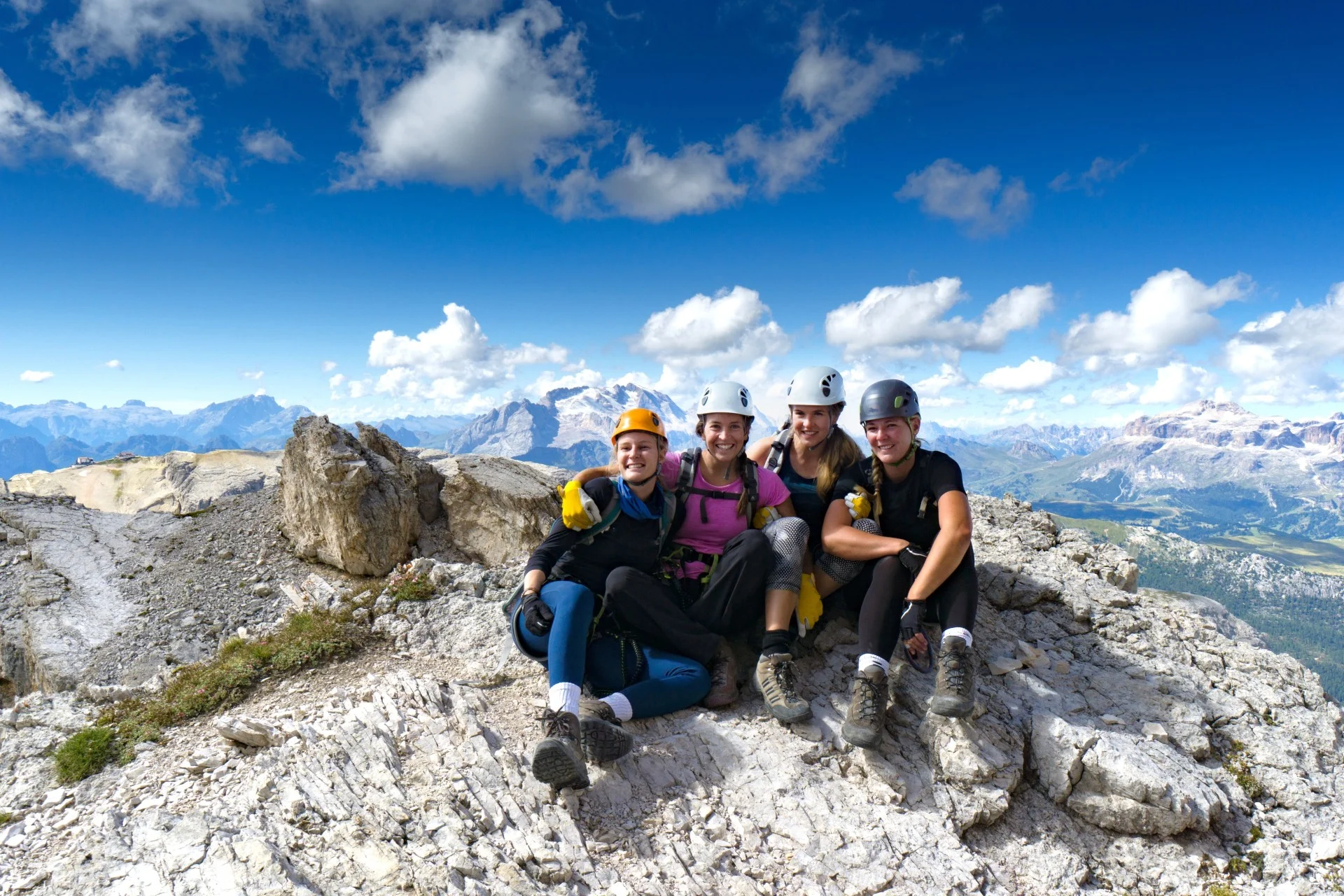
Many of the most thrilling paths, including the Via Ferrata (Iron Paths) were engineered by soldiers during World War I. After the war, the local Alpine Clubs (most notably the Italian Alpine Club, CAI) began restoring and expanding this wartime network to attract mountain tourists. Today, you have the unique opportunity to safely traverse dramatic cliffs and passes that were once the literal frontline, combining adrenaline with a profound historical immersion.
To learn more about the historic trails, read our guide to the best Via Ferrata routes in the Dolomites
The Comfort of Hut-to-Hut Trekking
Leave the heavy tent and cooking gear at home. The Dolomites feature the famous Rifugio system: a network of cozy mountain huts nestled high in the alpine environment. These shelters serve hot meals (complete with local wine) in a sociable hut, and provide a warm bed. It transforms multi-day treks into an easier and immensely more comfortable experience.
Before planning your hut-to-hut hike, you may like to read our guide to the best Dolomite rifugios for multi-day treks.

The Best Hikes in the Dolomites
With over 240,000 kms of trails, the network of paths is enormous. But there are some routes that consistently rank among the most beautiful in the Alps. Here’s a look at the best hikes in the Dolomites, from epic multi-day treks to accessible day walks and family-friendly loops.
Iconic Multi-Day Treks
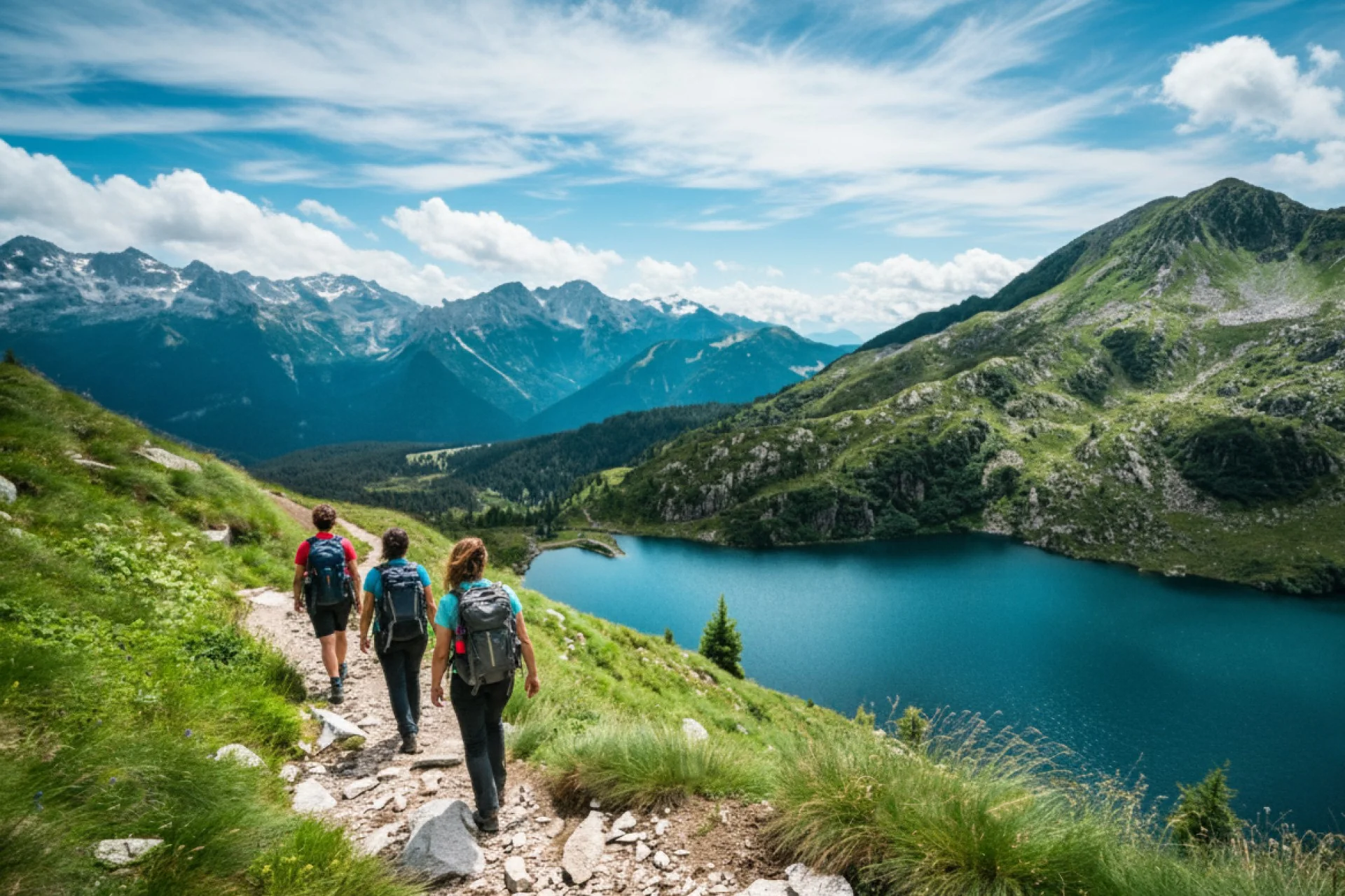
Multi-day treks have become a hallmark of Dolomite hiking. The rifugios and crisscrossing network of trails allow hikers to experience day after day of high altitude hiking. Read our guide for first-hand advice on how to backpack in the Dolomites.
You may also like: What to Pack for Sleeping in a Mountain Hut
Alta Via 1 – The Classic Dolomites Traverse
If there’s one hike that defines the Dolomites, it’s the Alta Via (High Route). While there are officially ten different Alte Vie in the Dolomites, the most famous and accessible is Alta Via 1 (AV1).
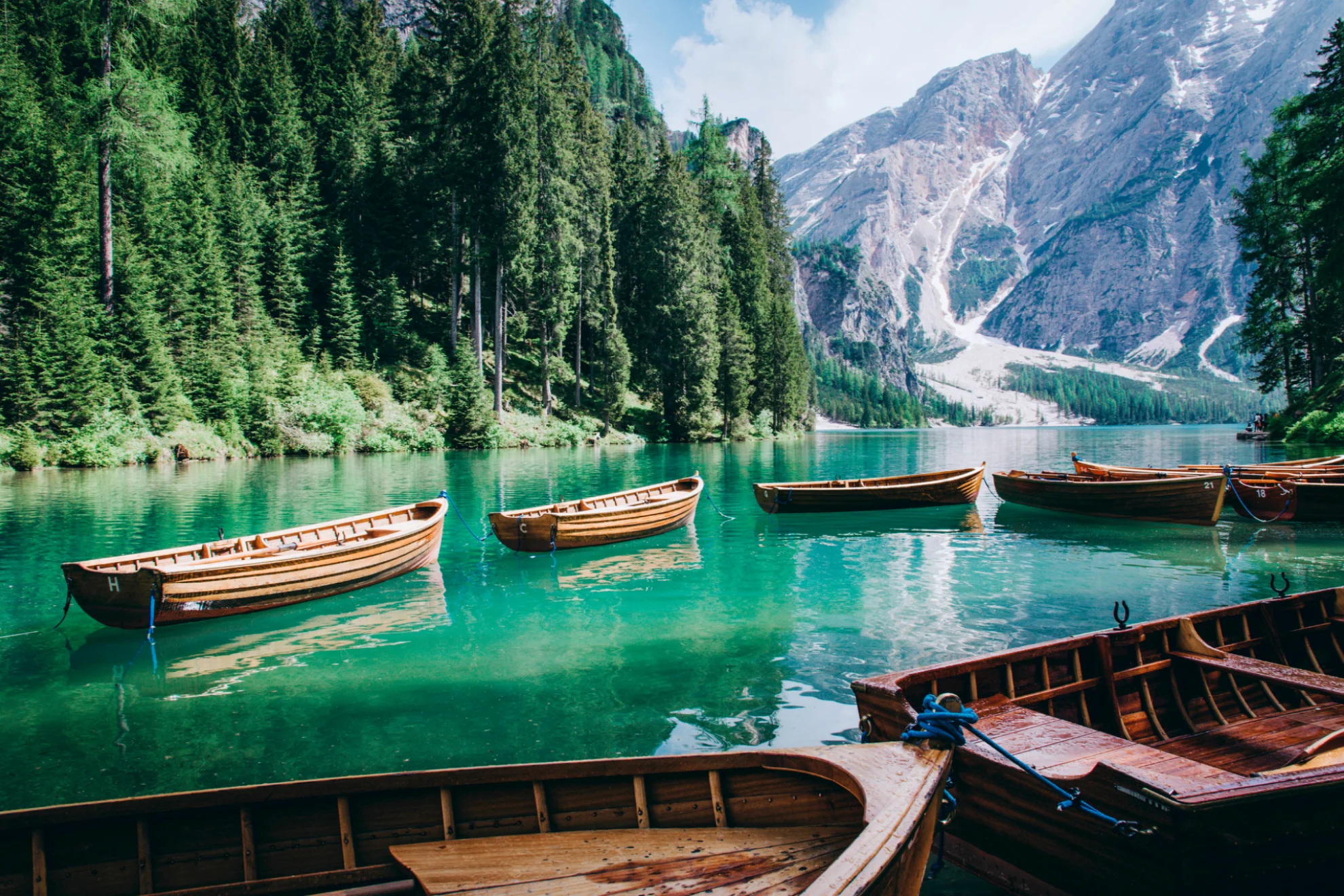
This 120-km route stretches from Lago di Braies in South Tyrol to Belluno, crossing some of the most breathtaking ridgelines in Europe. Passing through iconic massifs like the Sesto Dolomites, Tofane, Monte Pelmo, Monte Civetta, and historical WWI sites like the Lagazuoi tunnels.
Expect about 10 days of hiking, with cozy rifugios offering meals and beds each night. It’s challenging but not overly technical – perfect for those ready for a full alpine immersion!
For a detailed breakdown of Alta Via trails, difficulty, and planning, see our Guide to Hiking the Alta Via.
Alta Via 2 – The Wilder Sibling
Fondly known as The High Route of Legends, the Alta Via 2 runs from Bressanone to Feltre, crossing more rugged, remote terrain. It is longer than the AV1, wilder, and includes via ferrata sections. The AV2 is therefore more demanding and suited for experienced alpine hikers and requires almost two weeks to complete.
If you’re on a timeline, our Val di Fassa 6 Peaks Hut-to-Hut tour includes the most dramatic scenic sections of the AV2, including summiting Piz Boè (3,152 meters) – the highest peak in the Dolomites and can be completed in 7 days of hiking.
Other Multi-Day Hikes
The Perfect 3 Day Hut to Hut – Dolomites Hiking Itinerary: Starting in Ortisei, Val Gardena, the route passes by Stevia mountain and has views of the Odle and Sassolungo peaks. There are moderate elevation gains and a comfortable 3 to 5.5 hours of hiking each day. This route also connects with the Alta Via and has stops at Rifugio Firenze (2040 meters) and Glatsch Alm mountain hut (for local Ladin cuisine).
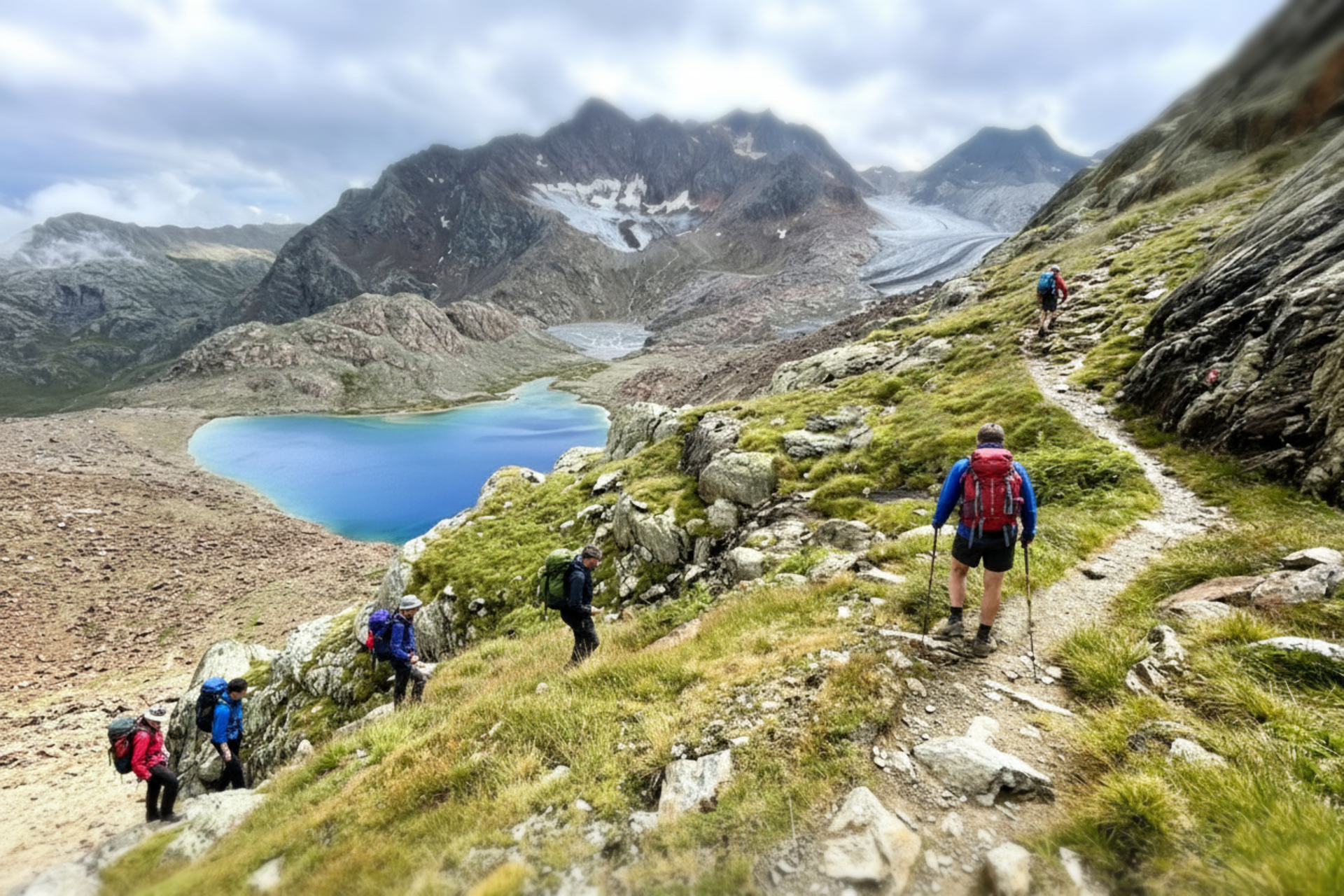
The Ultimate 5 Day Hut-to-Hut Hike in the Dolomites: The Adamello-Brenta Nature Park hike is a diverse, hut-to-hut trekking experience that explores two dramatically different mountain ranges: the jagged, coral-origin Brenta Dolomites and the water-rich, glacial Adamello-Presanella range.
Prepare for your hut-to-hut hike: What to Pack for Sleeping in a Mountain Hut


Moderate Day Hikes
The cable cars and chair lifts help to transport hikers up above the tree line, meaning that you can experience the ridges and peaks even on a day hike. Even so, it’s important to plan for quick changes in the weather.
Tre Cime di Lavaredo Loop
Arguably the most iconic day hike in the Dolomites, this 10km loop with spectacular views of the famous Tre Cime di Lavaredo, commonly known as “Three Peaks”. The trailhead at Rifugio Auronzo is easy to reach by car (prebook your parking) or bus.
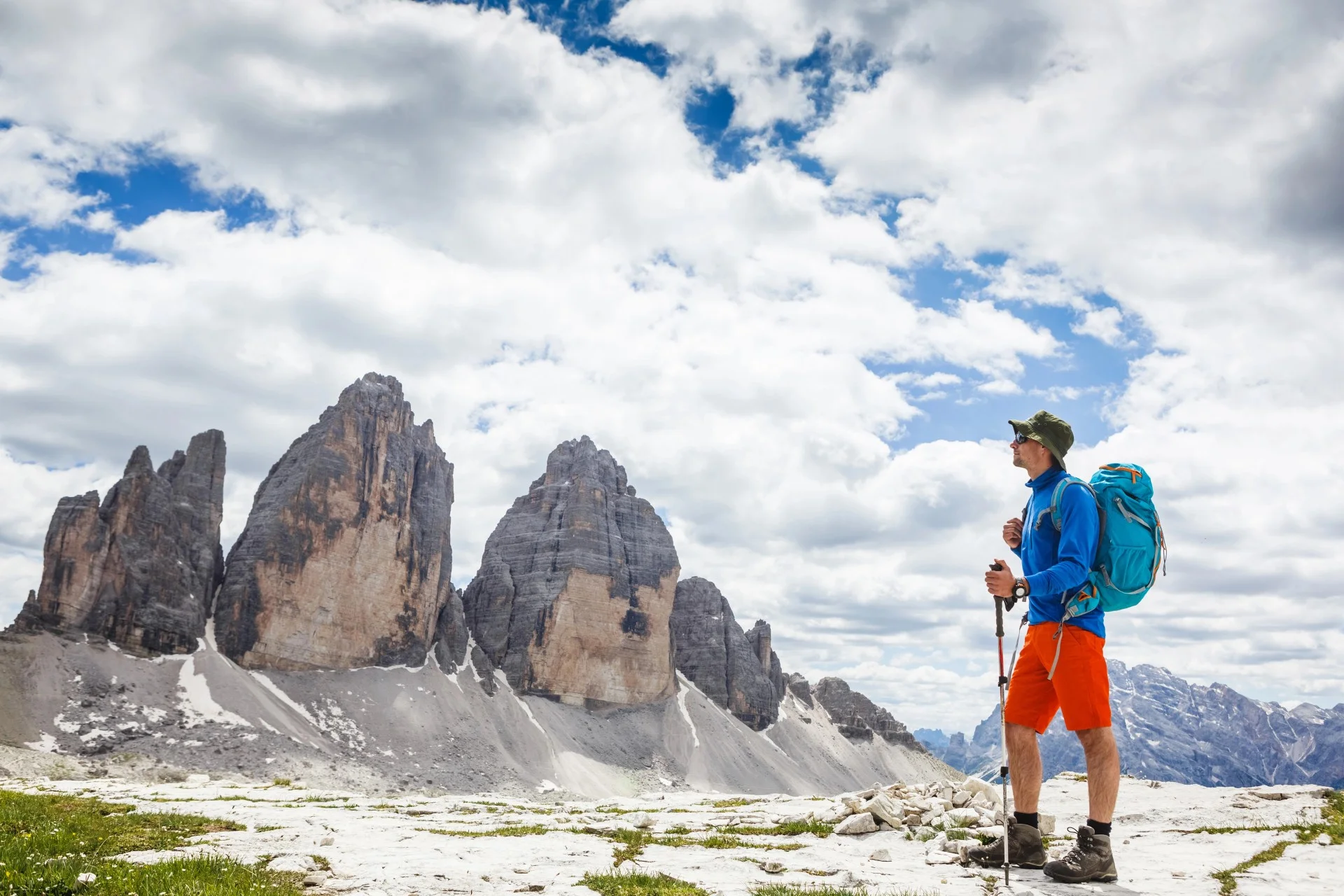
Clear paths, modest elevation gain, and jaw-dropping panoramas make it ideal for both seasoned hikers and beginners. And for added value, the three peaks loop trail also has several other nearby paths and vistas to explore and admire.
Lago di Sorapis
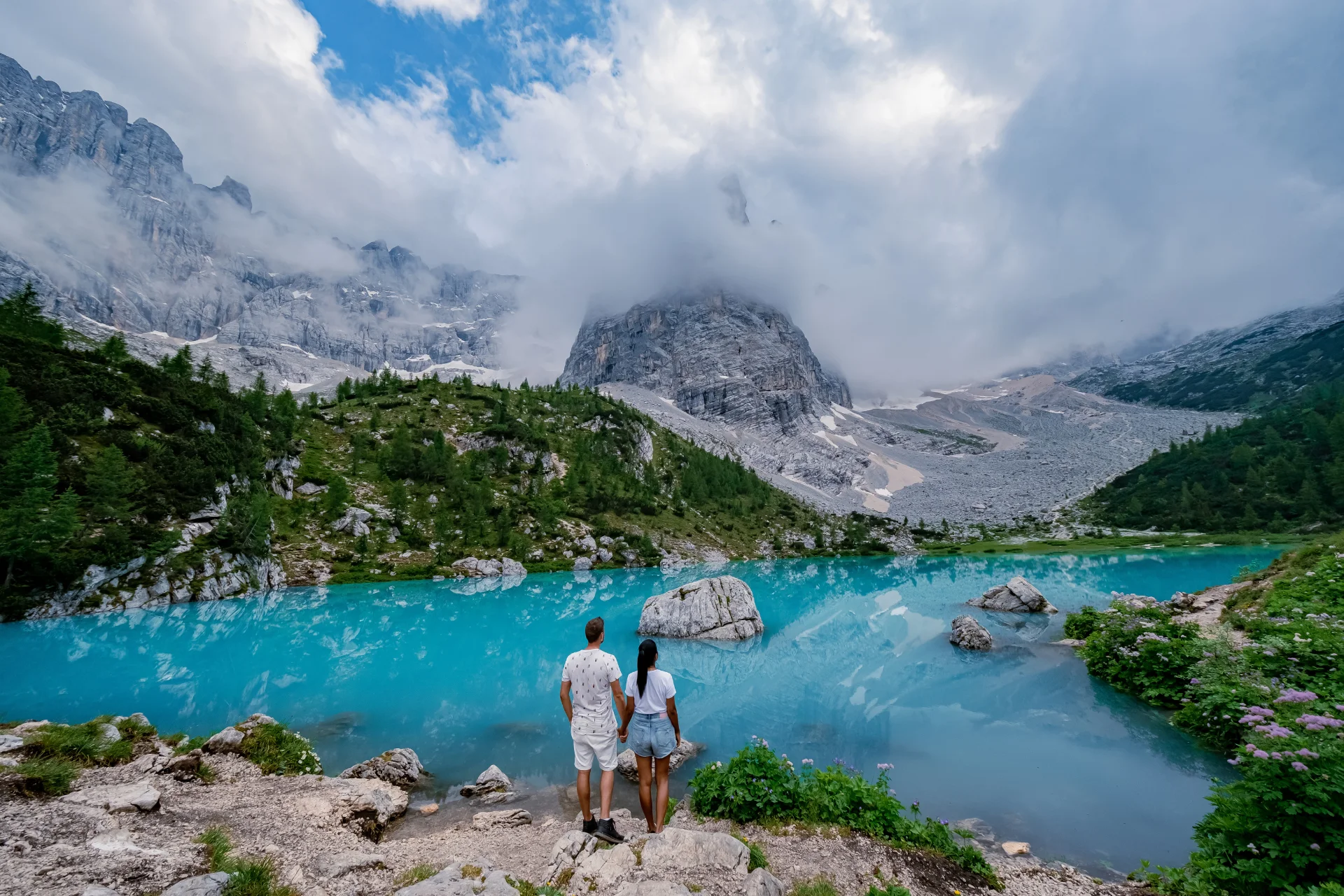
A turquoise gem hidden above Cortina d’Ampezzo, this moderate trail starts from Paso Tre Croci and winds through forest and scree before revealing the otherworldly lake beneath the Sorapis massif. The color alone makes it one of the most Instagrammed hikes in Italy. The excursion can easily be done in a day, making it a popular and tourist-friendly outing to one of the most picturesque lakes of the Dolomites.
Seceda Ridgeline to Fermeda Towers
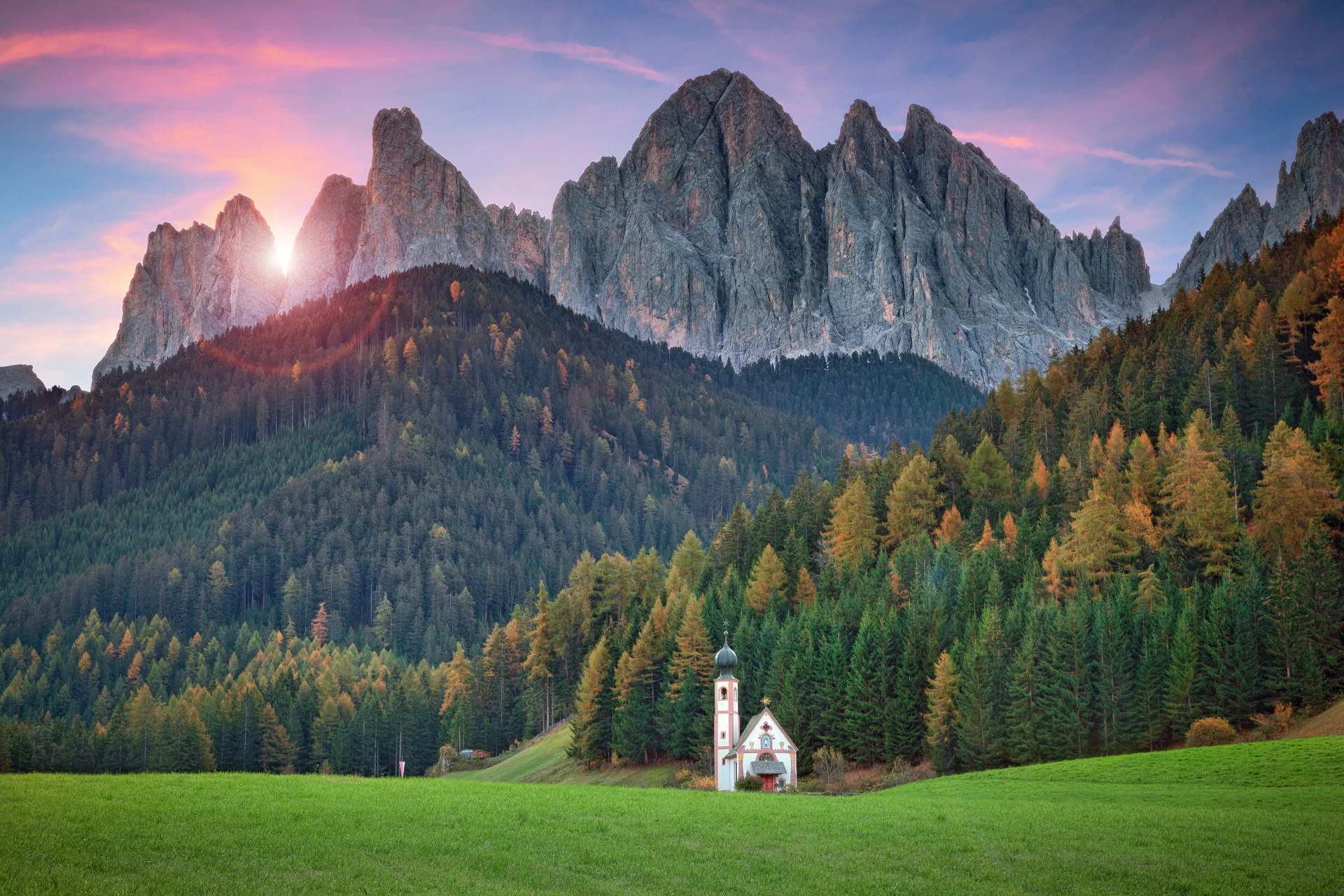
Take the cable car from Ortisei to Seceda, and you’re instantly in another one of the most photographed spots in the Dolomites. The ridge walk toward the Fermeda Towers includes dramatic panoramic views of the serrated limestone peaks. Most daytrippers will take the Seceda lift back to town, but if you choose to hike down Seceda, the view of St. Jakob’s Church set against the backdrop of the Sassolungo will stop you in your tracks.
For more trail detail, check out our Best Day Hikes in the Dolomites guide, where we review routes by length, accessibility, and scenery.
Family-Friendly and Short Scenic Hikes
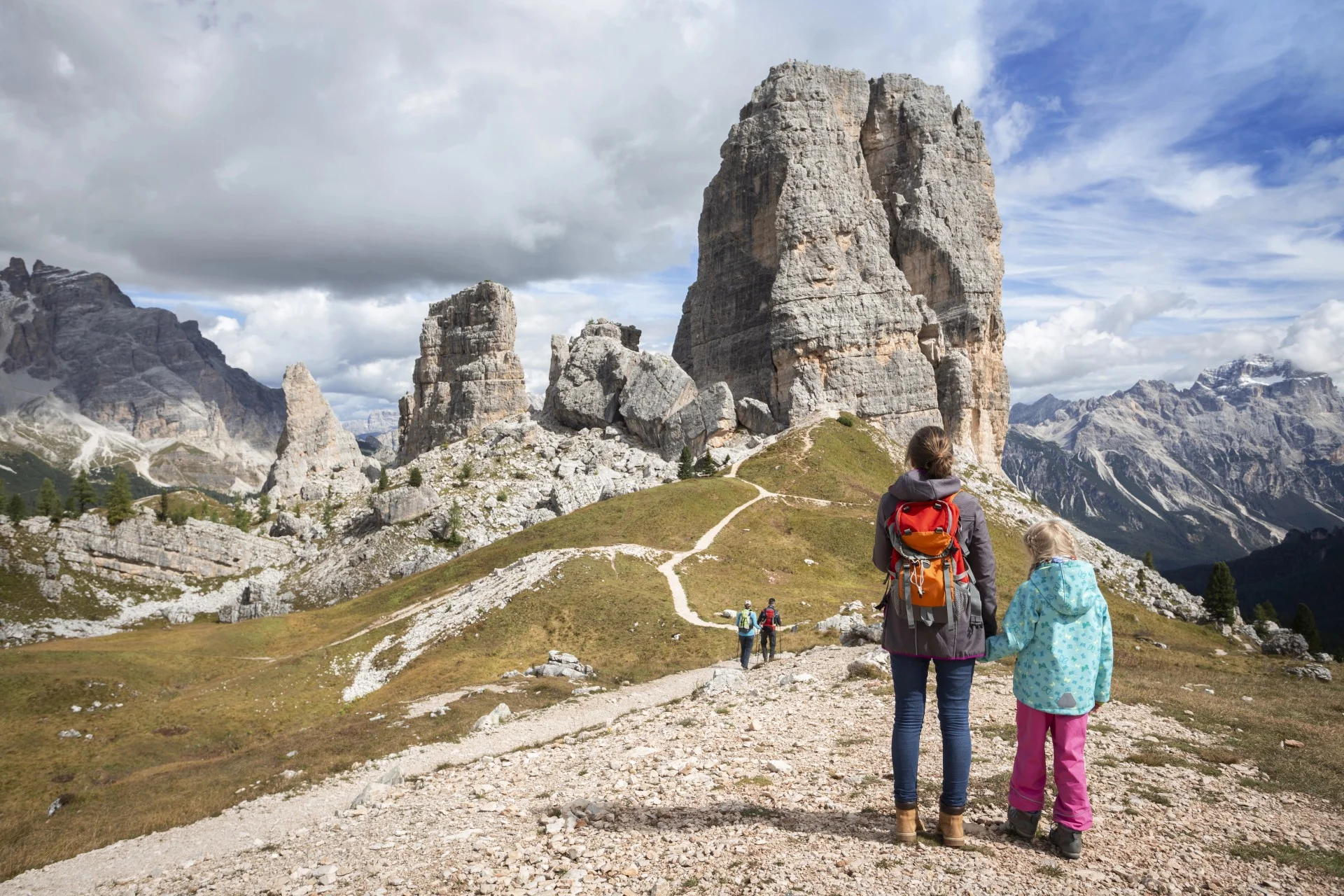
If you’re traveling with kids or simply prefer shorter, scenic outings, the Dolomites offer plenty of gentle trails:
- Alpe di Siusi (Seiser Alm): Europe’s largest high-altitude meadow with wide, easy paths.
- Cinque Torri: A short loop around dramatic rock towers and open-air WWI tunnels.
- Lago di Carezza: An easy, magical walk around a vividly colored lake – perfect for photographers.
These spots are ideal for relaxed exploration or as acclimatization hikes before tackling longer routes.
Find more great hikes in our comprehensive guide to the best hiking trails in the Dolomites.


Planning Your Dolomites Hiking Adventure
Planning your trip can be confusing and time-consuming! Our Ultimate Guide to the Dolomites is a good starting point, especially if you’re piecing together your own adventure. If you want to plan it all yourself, these five steps will get you started.
If you don’t have the time, patience, or desire, then you may like our guided and self-guided hiking tours.
Choosing Your Base
Location can make or break your hiking trip. Popular bases include:
- Cortina d’Ampezzo: Great access to Tre Cime, Cinque Torri, and Lago di Sorapis.
- Val Gardena: Ideal for Seceda, Alpe di Siusi, and Sella massif hikes.
- Alta Badia: Central location, linked to the Alta Via network.
But there are many to choose from. For help, refer to our guide to The Best Towns and Bases in the Dolomites.
Accommodation: Rifugios and Hotels
A huge part of the Dolomites’ hiking culture is to experience an overnight stay at a rifugio. The mountain lodges are useful for multi-day high altitude hiking and are certainly a more comfortable option than camping.
Travel Tip: Huts have limited capacity. Book early in high season (especially on Alta Via routes).
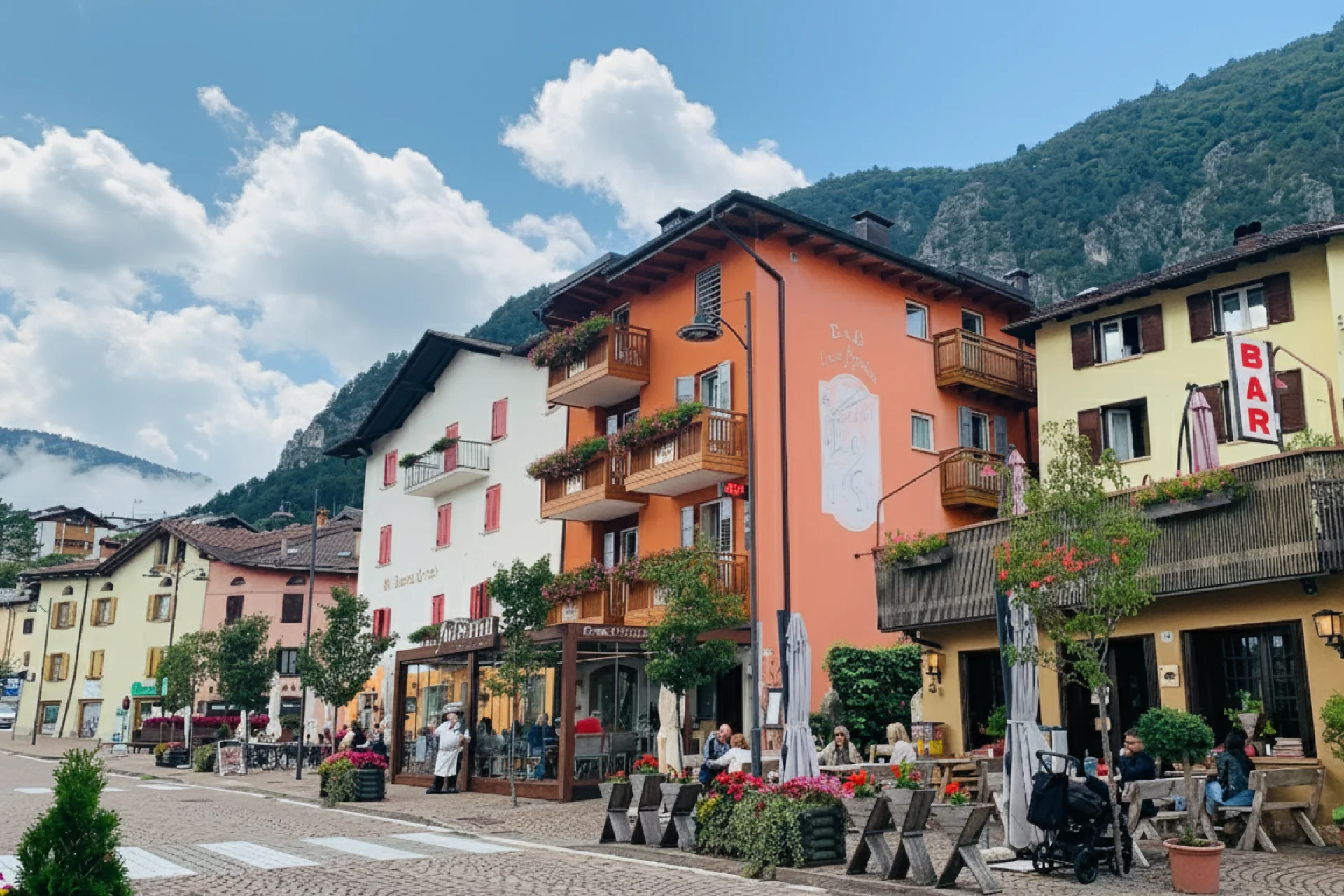
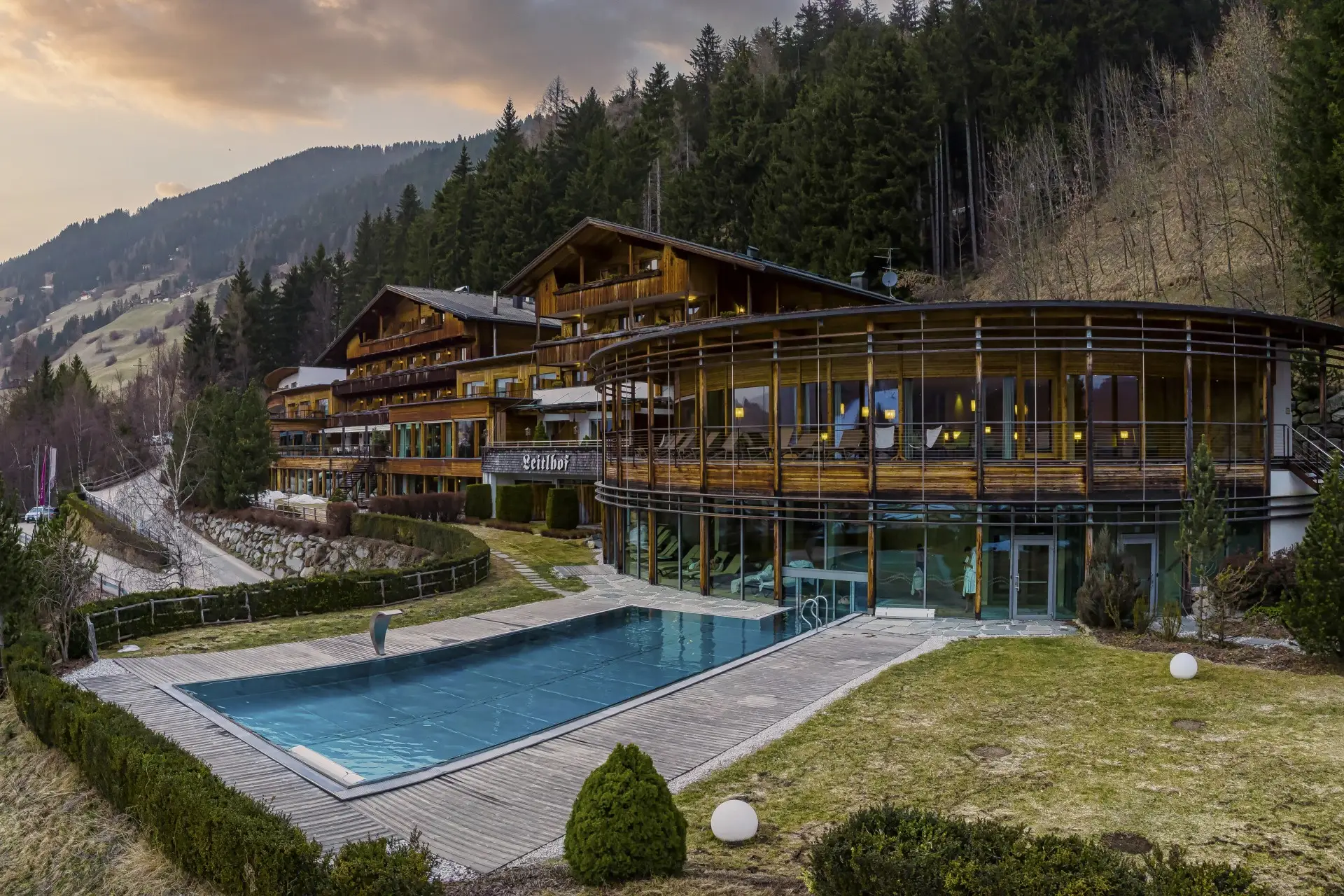
Alternatives to the huts include boutique hotels, guest houses, and B&Bs located in the mountain towns and villages. Some are simple and homely, and others are luxury retreats with spa facilities and gourmet restaurants.
Getting Around
Driving is the most flexible option, and the mountain towns are well-connected by well-maintained roads. However, it is possible to visit the Dolomites without a car:
- The well-serviced regional bus network and the cable cars do a good job of connecting most major valleys.
- The easiest option for tourists is guided and self-guided tours, which include transfers, saving you time and logistical headaches.
When to Go
Choosing when you book your trip is an important first step. We have detailed guidance in our post: Planning Your Dolomites Adventure: When to Visit.
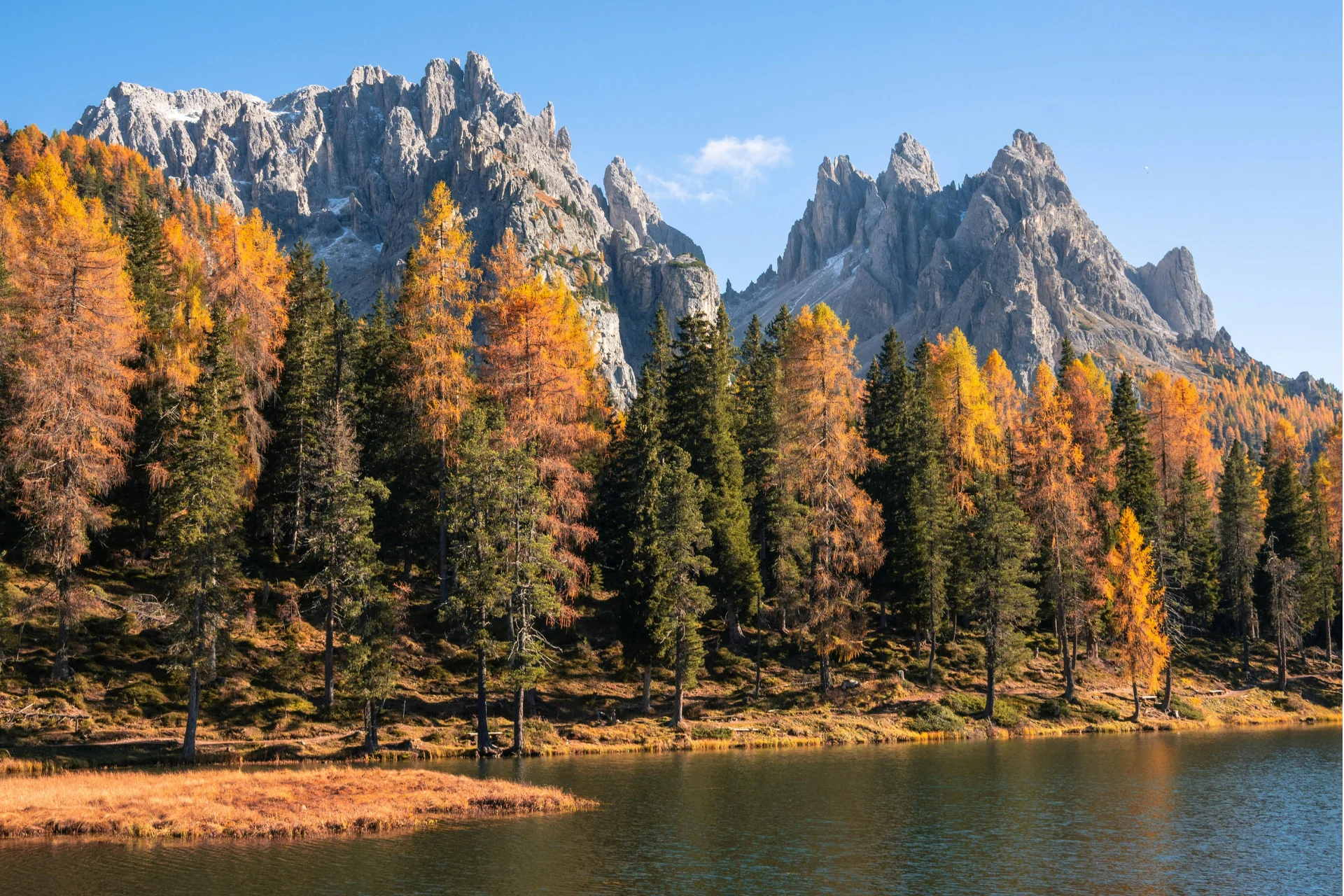
Essentially, the hiking season runs roughly from June through late September. July and August are the busiest, while early September is a little cooler and with fewer crowds. If you want to see the famous golden larch trees, plan for a trip in Autumn – around late September or early October, before it starts to get too cold.
Read more: What to Pack for the Dolomites in the Autumn
Guided vs. Self-Guided Hiking – Which Is Right for You?
Guided Hiking Tours
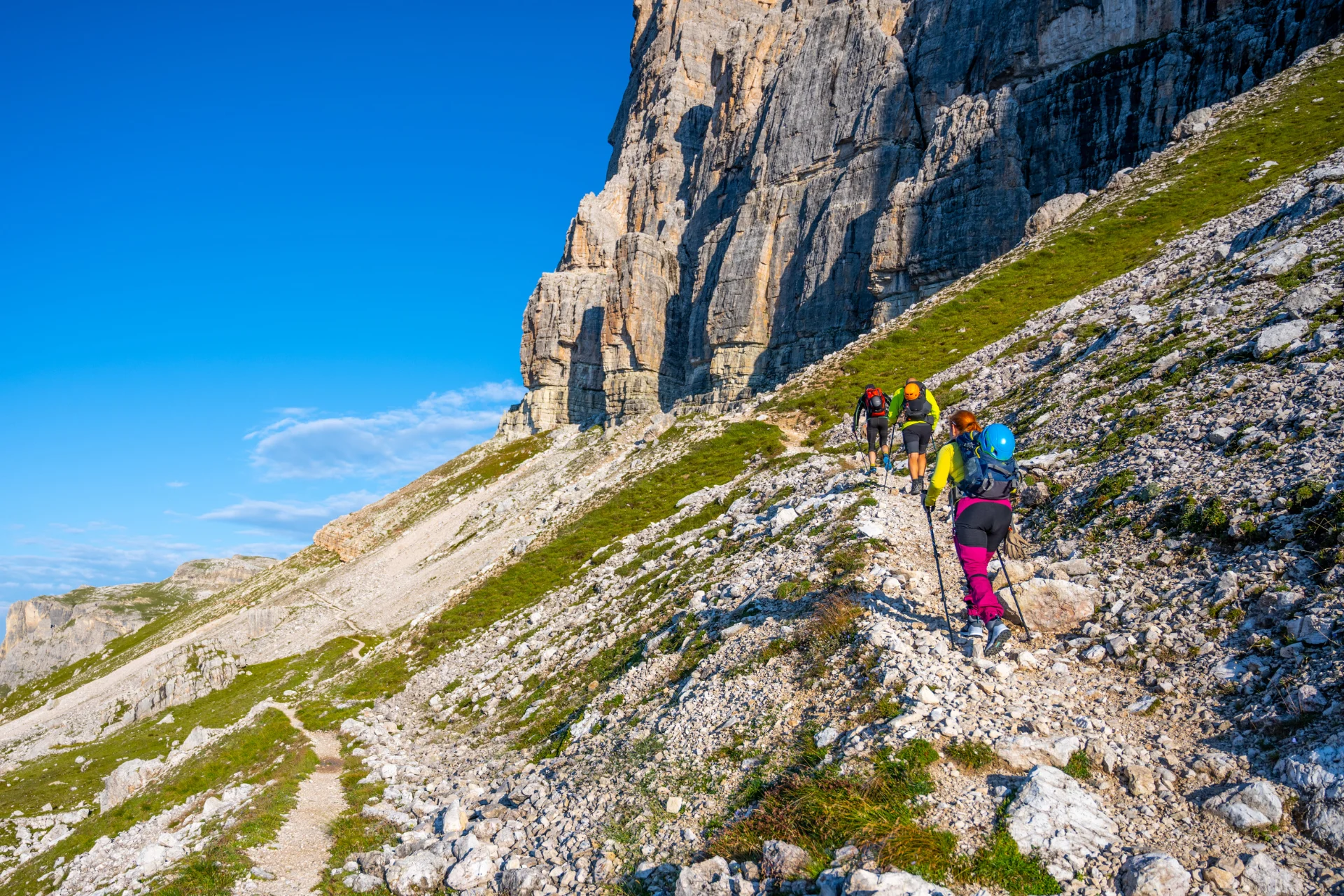
There are many benefits of a Guided Dolomites holiday, including a stress-free experience where logistics, transport, and accommodation are all handled. A guided experience also includes local guides who share insider knowledge, handle safety, and bring you closer to the mountains’ culture and history.
Browse our small group guided hiking tours to see multi-day itineraries that balance challenge and comfort.
You may also like to read our blog post: The Best Dolomites Hiking Tours
Self-Guided Hiking Tours
Perfect for independent travelers who enjoy freedom without the hassle of planning. You’ll get pre-booked lodging, route notes, GPS tracks, and local tips and advice.
Self-guided Dolomites tours are ideal for couples, friends, and small groups looking to travel at their own pace. No matter your choice, our Dolomites tours page makes it easy to compare options and find your perfect vacation.


Essential Tips for Hiking in the Dolomites
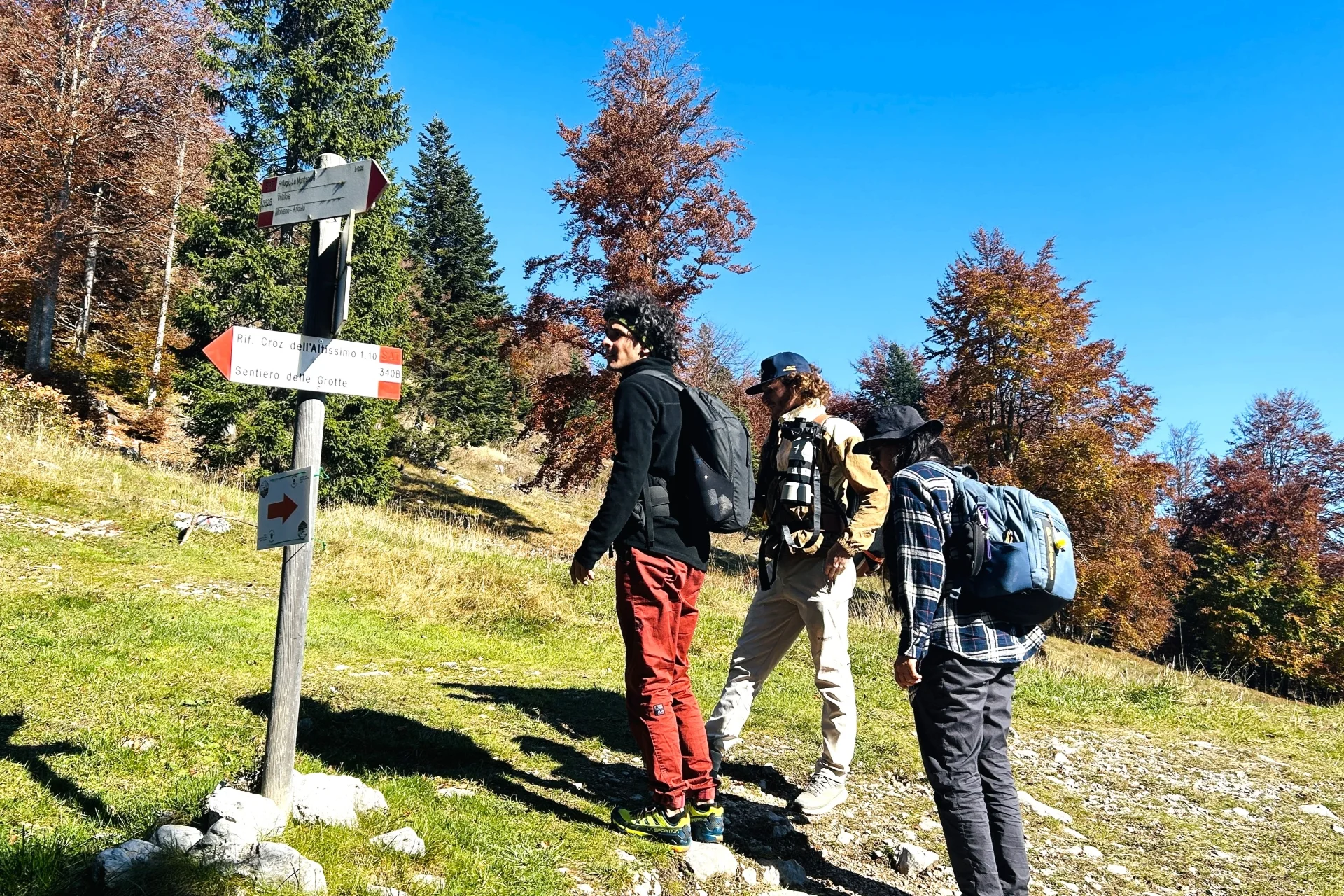
- Know the signage: Trails are clearly numbered and color-coded; carry a good map or offline app like Tabacco or Komoot.
- Know your limits: Using the mapping tools and apps, you should plan your hike to suit your fitness and ability. Paying attention to altitude gains, distances, and route difficulty, and how those factors translate into realistic hours on the trail, will help you set daily targets you can actually stick to.
- Prepare for mountain weather: Conditions can change fast. It’s important to plan and wear the right clothing suitable for the Dolomites weather. Even in summer, warm layers and a waterproof jacket are advisable.
- What to pack: Check our Dolomites Hiking Packing List for a comprehensive gear rundown. You should also pack a first aid kit to prepare you for small injuries.
- Cash and reservations: Some rifugios still take only cash (internet reception is not always fantastic); book beds early in high season.
- Good etiquette: Say “Ciao” or “Servus” when passing others, keep noise low, and respect hut quiet hours.
- Low-density tourism: There is a vast network of trails, but the most famous sights are busy. You’ll enjoy them more in the early morning, before the majority of day-trippers arrive.
Sustainable and Responsible Hiking
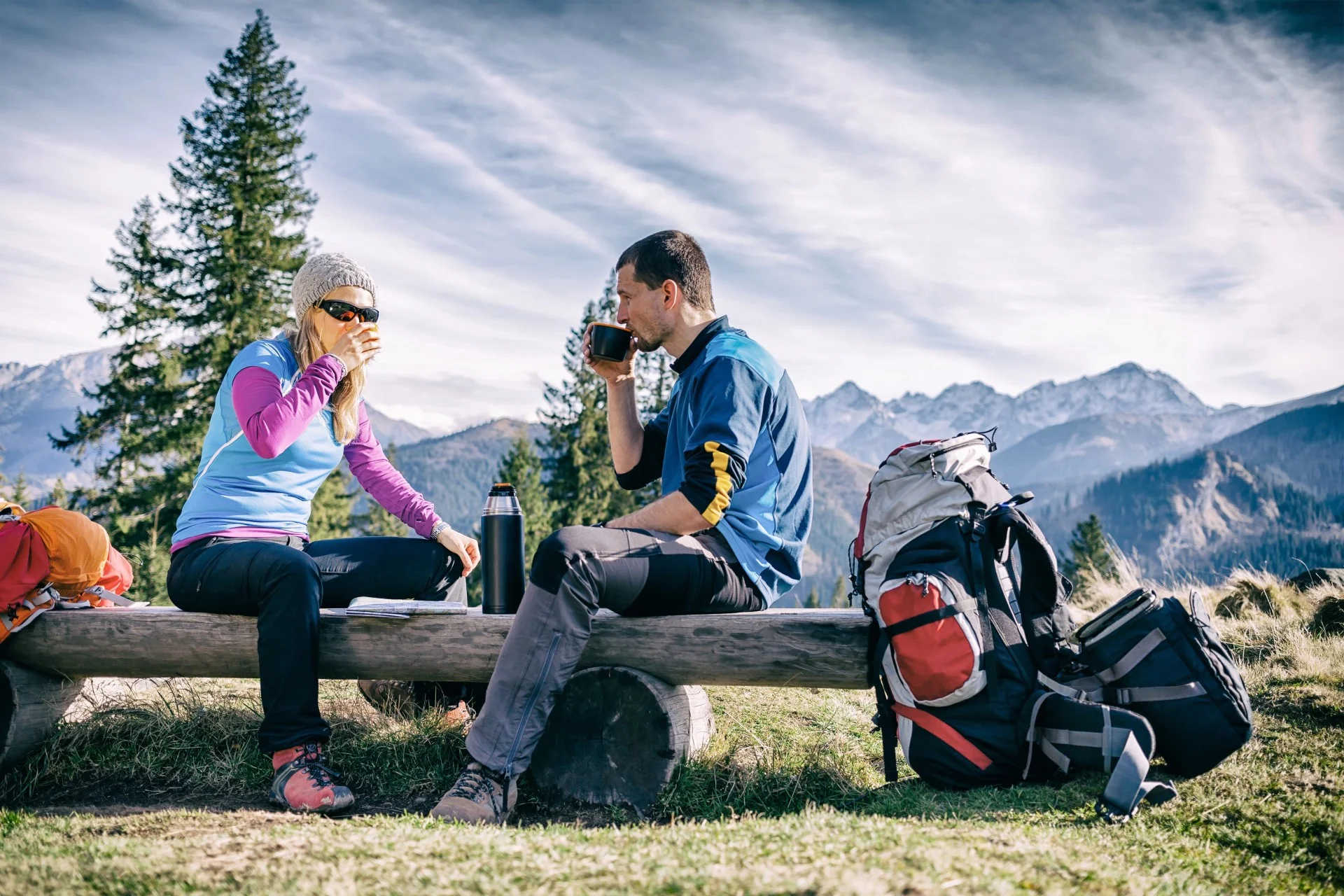
These landscapes are delicate. Their beauty depends on everyone treating them with care. Stay on marked trails to prevent erosion, avoid picking wildflowers, and always carry out all trash.
We also recommend supporting local rifugios and family-run accommodations that are the beating heart of the Dolomites. Your euros help create local jobs, sustain the communities, and preserve this unique culture.
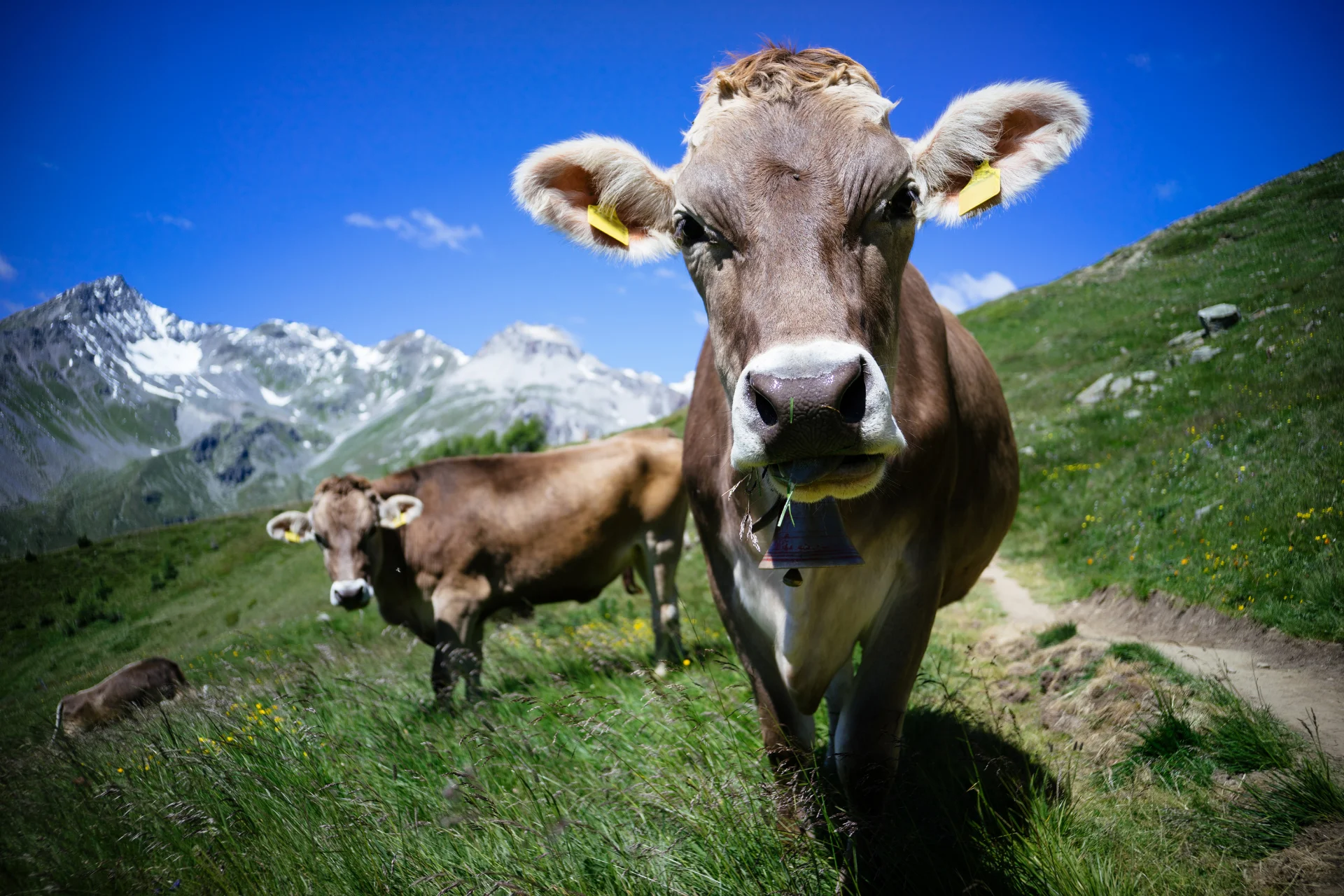
The mountains are home to a rich and diverse population of wildlife, including brown bears, wolves, and farm animals. Keeping your distance is not only the right thing to do, but also a safer way to explore the wilderness.
Learn more in our post on Responsible Travel in the Dolomites, which includes tips for minimizing your footprint while maximizing your connection to nature.
Start Your Dolomites Hiking Adventure
The Dolomites are more than a collection of peaks – they’re a living landscape where nature, culture, and adventure meet. Whether your dream is a sunrise at Tre Cime, a week crossing alpine passes, or a relaxed self-guided tour between rifugios, every trail here rewards you with something unforgettable.
If you’re ready to experience the best hikes in the Dolomites without the stress of planning, explore our guided and self-guided tours – designed by local experts who know exactly how to make your trip seamless, safe, and spectacular.
FAQs About Hiking in the Dolomites
Mid-June to late September is the main hiking season. Early September often offers stable weather, open rifugios, and fewer crowds.
Absolutely. There are countless easy-to-moderate trails like Lago di Carezza and Alpe di Siusi. Just make sure to check distances and elevation gain before heading out. Read more: Is the Dolomites Suitable for Begiiner Hikers.
It’s moderately challenging – long days and steady elevation changes, but no technical climbing. Ideal for fit hikers comfortable with mountain terrain.
They’re not mandatory, but poles help with balance on descents and reduce knee strain, especially on longer routes.
Yes, most routes are well-marked and suitable for independent hiking. But guided tours are great for deeper insight and hassle-free logistics.
For July and August, book at least two months ahead. In June or September, a few weeks’ notice is usually enough.
Yes – many routes include optional via ferrata sections. Even the Alta Via 1 has optional via ferrata routes. For beginners, check our guide to Via Ferrata in the Dolomites.
Always check forecasts. Thunderstorms are common in afternoons; start hikes early. If weather worsens, descend or take shelter at a rifugio.
Yes. The Dolomites is dog-friendly and you can even stay in some rifugios with your dog (by pre-arrangement). There was some specific rules for hiking with a dog, such as using a leash and carrying an EU pet passport (or equivalent).
Share

Written by Justin
Justin is a certified E-Bike Guide – Instructor (Level 2) and co-founder of Dolomites Active Tours. Living in the Dolomites, he is an avid cyclist, hiker, loves via ferrata, and spends his winters on the slopes. His first-hand experience exploring these mountains allows him to share practical insights and expert advice for those eager to discover the Dolomites.
More posts from Justin