
Every season tells a STORY – discover when the Dolomites WILL REVEAL yours.
When it comes to the Dolomites, timing is everything. These ancient limestone peaks – part of the UNESCO World Heritage list – transform dramatically through the seasons. In summer, alpine meadows burst into bloom beneath turquoise skies. Come winter, the same slopes become a skier’s paradise, dusted in perfect powder.
The truth is there’s no single “best time” to visit the Dolomites – only the best time for you. The Dolomites offers year-round adventure, sightseeing and cultural experiences. Your ideal season depends on the kind of vacation that you want.
This guide will help you decide exactly when to go, what to expect, and how to make the most of your stay.
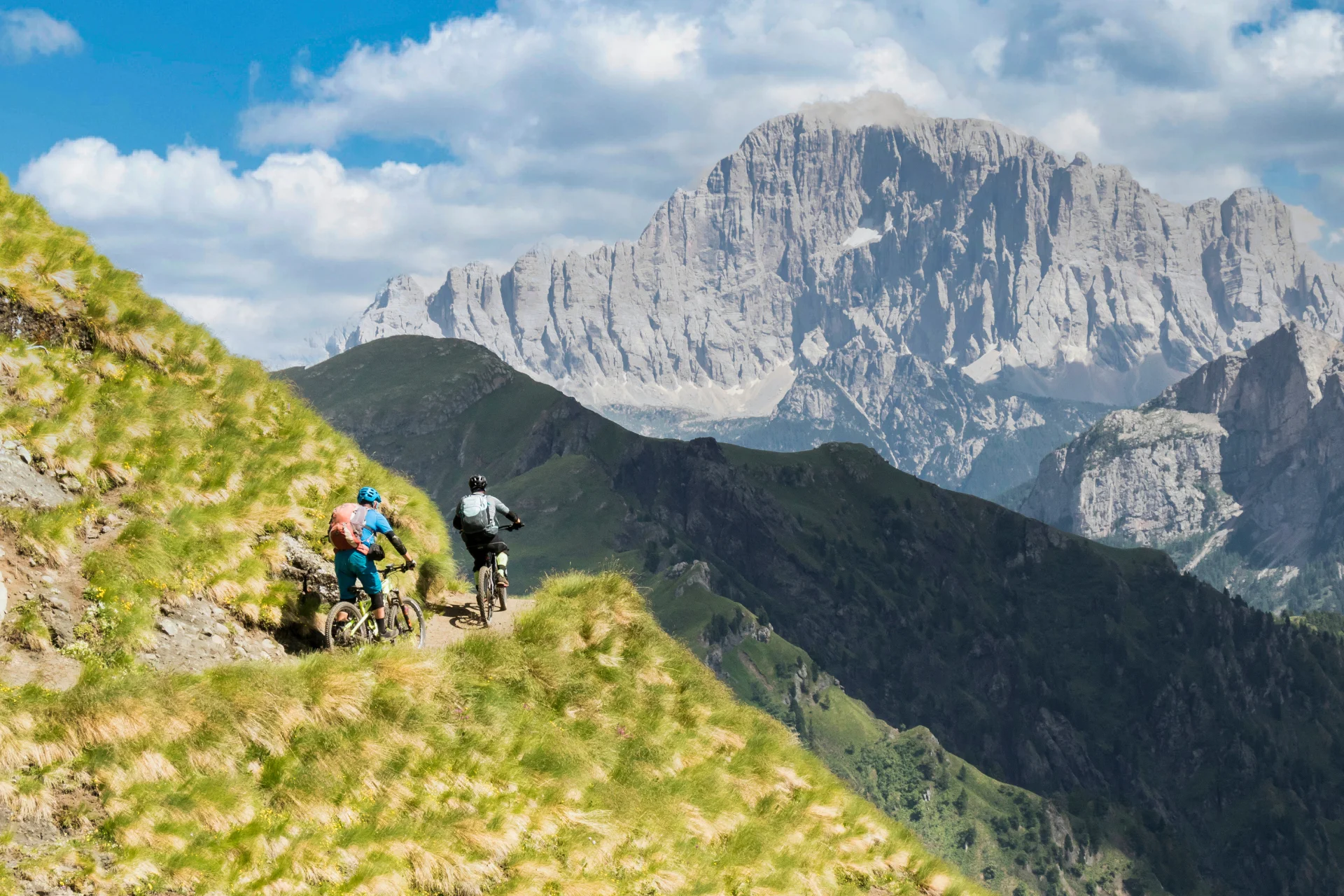
Understanding the Dolomites’ Seasons
The Dolomites is a vast area that stretches across three regions – Veneto, Trentino-Alto Adige/Südtirol, and Friuli Venezia Giulia. Which means local climates can vary significantly between valleys. However, one thing remains consistent: dramatic seasonal contrast.
- Winter (December–March): Snowfall blankets the high peaks, ski lifts hum to life, and cozy mountain huts offer hot chocolate and mulled wine beside warming wood burning stoves. Winter is crisp and cold with highs of 0−2°C / 32−36°F.
- Spring (April–May): Melting snow swells rivers and waterfalls, while the valleys slowly return to life. It’s peaceful to hike and cycle at this time, though not all routes and rifugios are open. Daytime temperatures vary up to 19°C / 66°F
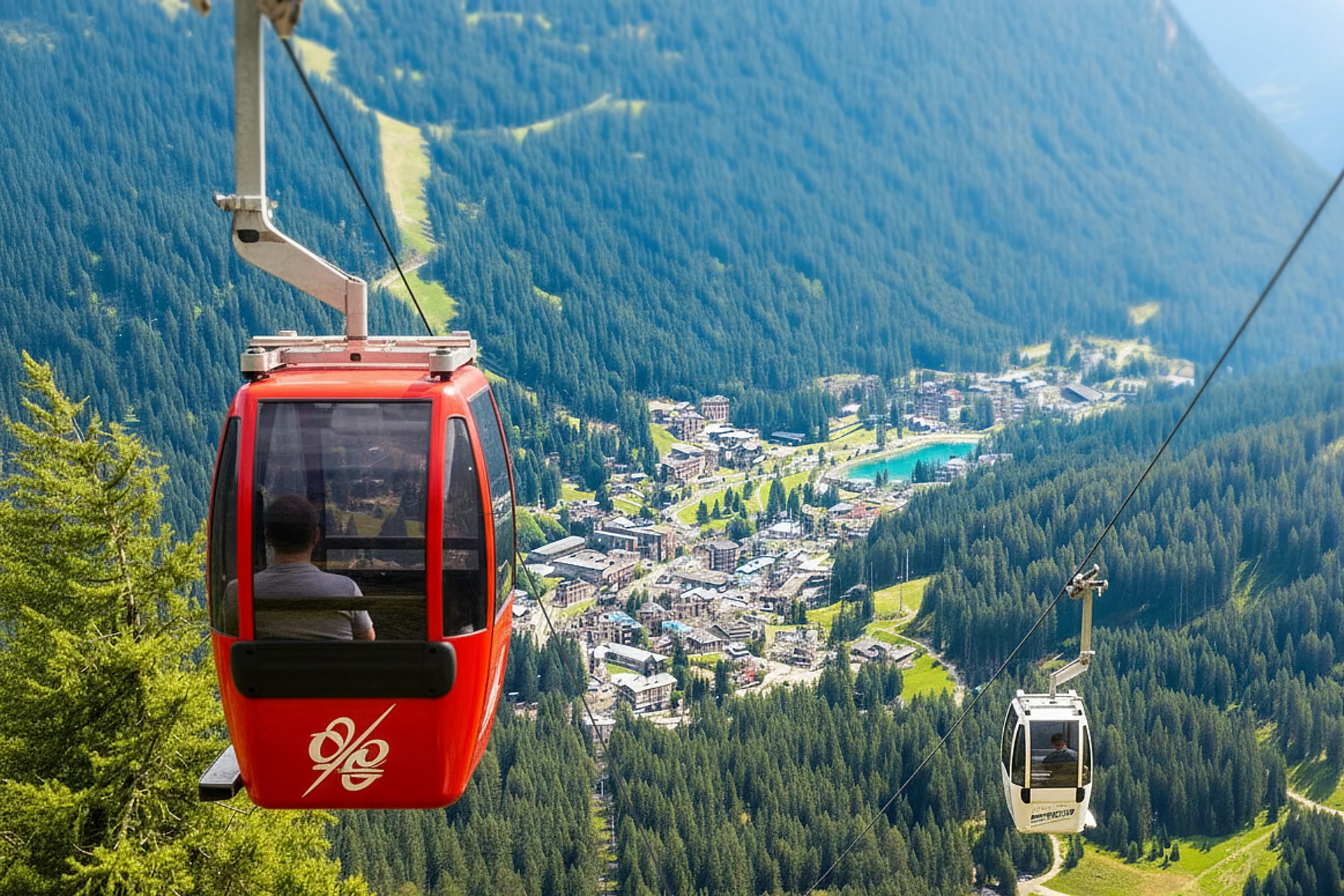
- Summer (June–August): Long, sunny days and warm temperatures (typically 20–29°C / 68-84°F in the valleys) make it prime hiking and cycling season. Expect open huts, running cable cars and lifts, and lively towns.
- Autumn (September–November): Crisp air, golden larch forests, and fewer visitors – some say this is the most atmospheric and photogenic time of year. Temperatures start to drop with frosty mornings and highs up to15°C.
For a detailed breakdown of temperature, precipitation, and altitude differences, see What is the Weather Like in the Dolomites? A Seasonal Guide for Travelers.
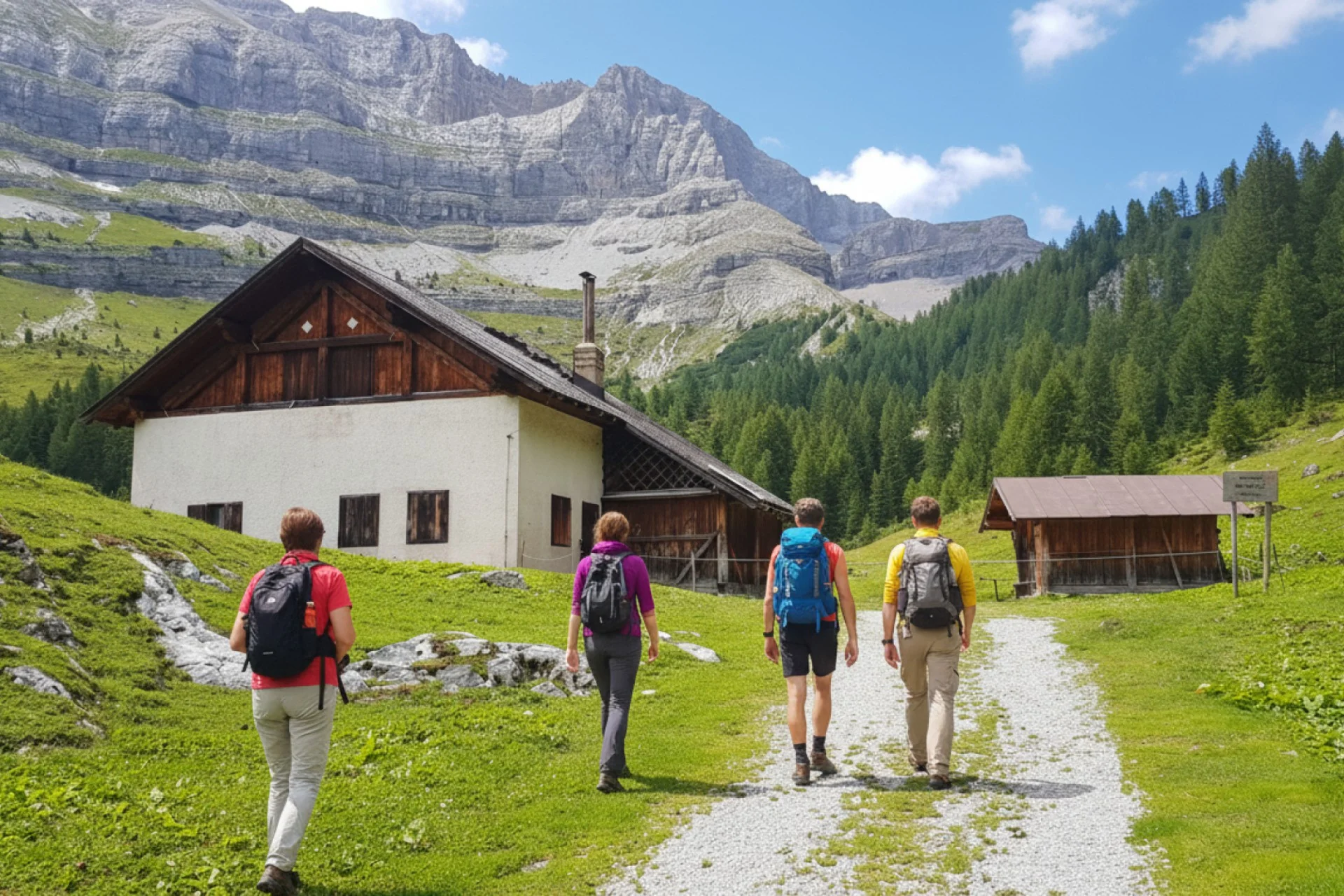


The Best Time to Visit the Dolomites for Hiking
If hiking is your goal, aim for June through late September – the sweet spot for clear trails, stable weather, and open mountain huts (rifugi).
June: The valleys are lush with wildflowers, and crowds are still light. Some high-altitude routes may hold lingering snow, especially above 2,200 meters.
July and August: This is peak hiking season. All lifts are running, and the weather is generally warm and dry. It’s also festival season, perfect for pairing outdoor adventures with local culture. However, book accommodation early, especially in popular bases like Val di Fassa, Val Gardena and Cortina d’Ampezzo.
September: A local favorite. Days are still mild, trails are quieter, and the light is incredible for photography. Most huts stay open until mid or late September, depending on the year. The lower mountains also start to glow with autumn colors and attract tourists for the golden larch season.
For a month-by-month guide to summer hiking conditions, check The Best Months for Hiking in the Dolomites: What to Expect from June to September.
And if you’d rather skip the logistics, from route planning to luggage transfers — explore our range of guided hiking tours in the Dolomites. Our local experts handle every detail so you can focus on what matters: the trail beneath your boots and the view ahead.
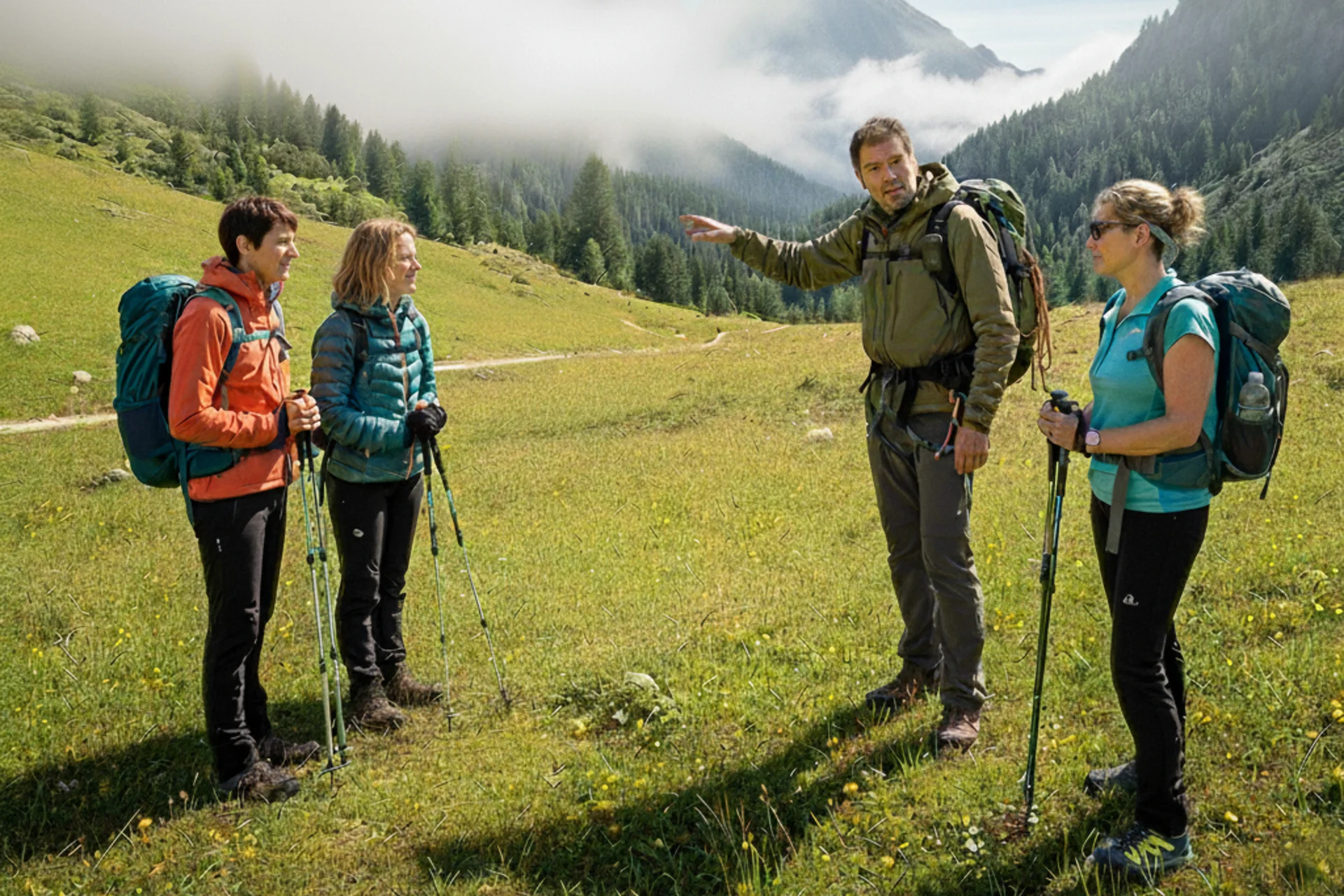
When to Go Skiing in the Dolomites
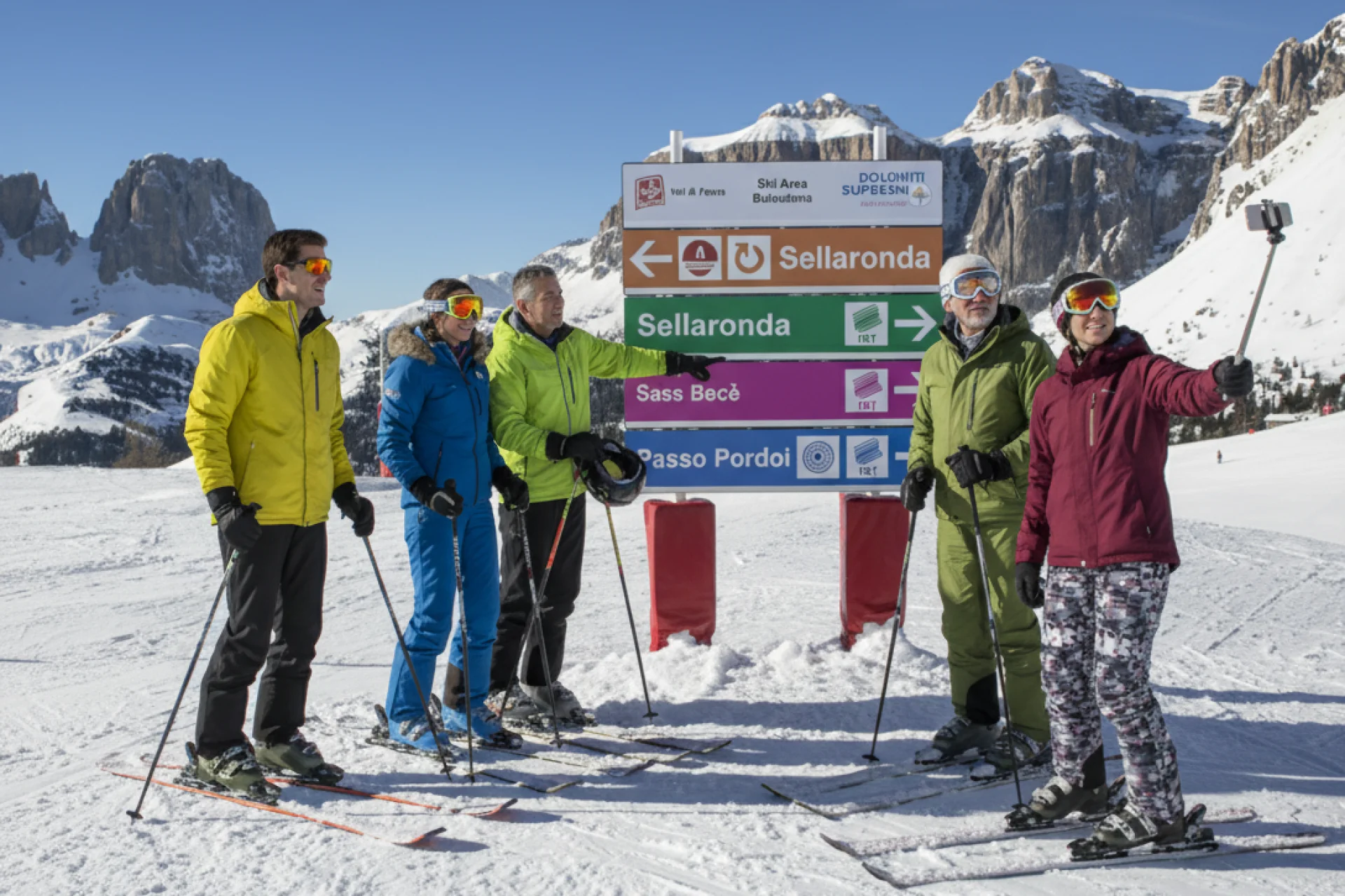
For skiers and snowboarders, the Dolomites are best between mid-December and late March, when the Dolomiti Superski area – one of the world’s largest interconnected ski systems, is in full swing.
December–January: Think festive energy, twinkling snow-covered towns, Christmas markets and holiday magic. The slopes are in top condition, and every kind of snow activity is available to enjoy.
February: The snow is deep, days are brighter, and conditions are superb across resorts like Val Gardena, Alta Badia, and Val di Fassa and the Superski and Skirama zones.
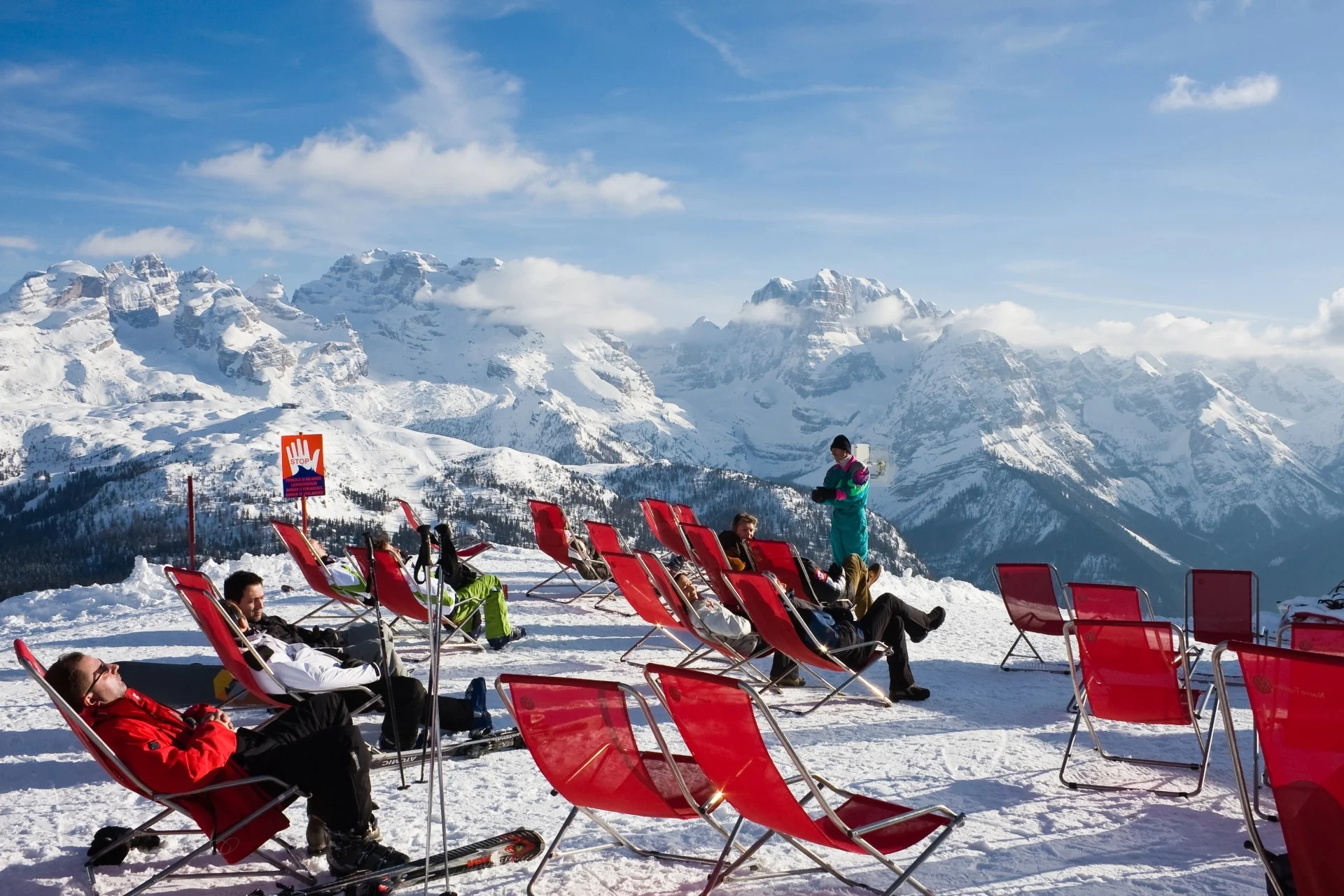
March: Warmer sunshine and quieter slopes make this a great time for relaxed skiing – especially if you enjoy long afternoons on sun terraces surrounded by mountain views.
The Dolomites’ snowmaking infrastructure is exceptional, ensuring reliable conditions even in lighter snowfall years. For a deep dive into resort openings, lift passes, and winter activities beyond skiing, visit When to Go Skiing in the Dolomites: A Guide to the Winter Season.
It doesn’t matter if you’re a beginner or seasoned skier, our Dolomites winter holidays offer seamless experiences — from transfers to equipment rental and 3/4/5 star accommodation.
Visiting in Spring and Autumn
The shoulder seasons, spring (April–May) and autumn (mid-September–October), are often overlooked, yet they’re when the Dolomites reveal their most tranquil side. While not every activity is available, those who value peace, photography, and local flavor often find these months the most rewarding.
Spring (April–May):
Snow still lingers on high trails, and many rifugi and lifts are closed until early June. However, valley towns like Ortisei, Bressanone, and Molveno begin to bloom with fresh greenery. This is a wonderful time for exploring quiet trails, road trips to distant valleys, and enjoying nature’s reawakening. It’s also a good season for travelers combining the Dolomites with nearby Venice or Lake Garda and looking to avoid the summer crowds.
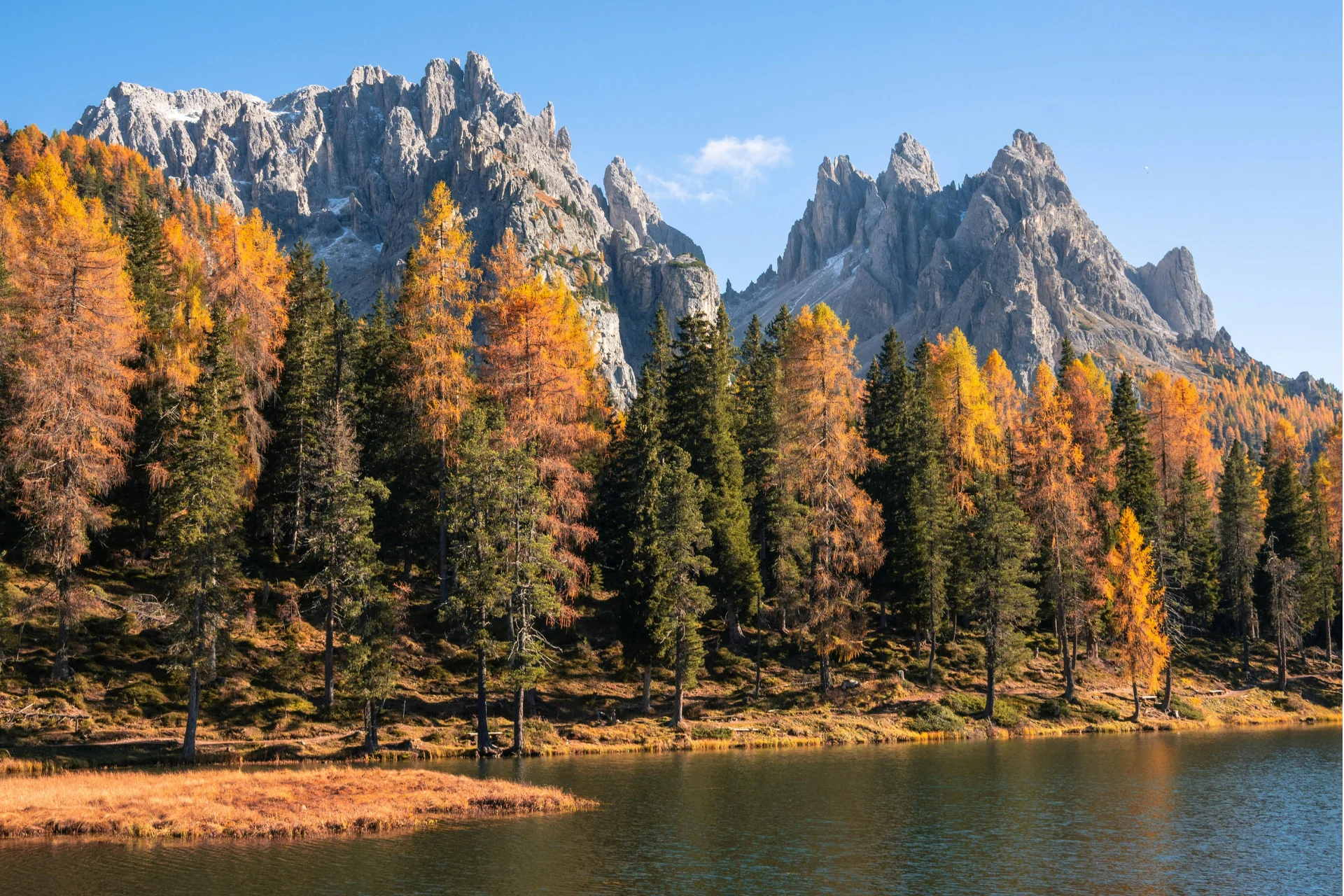
Autumn (mid-September–October):
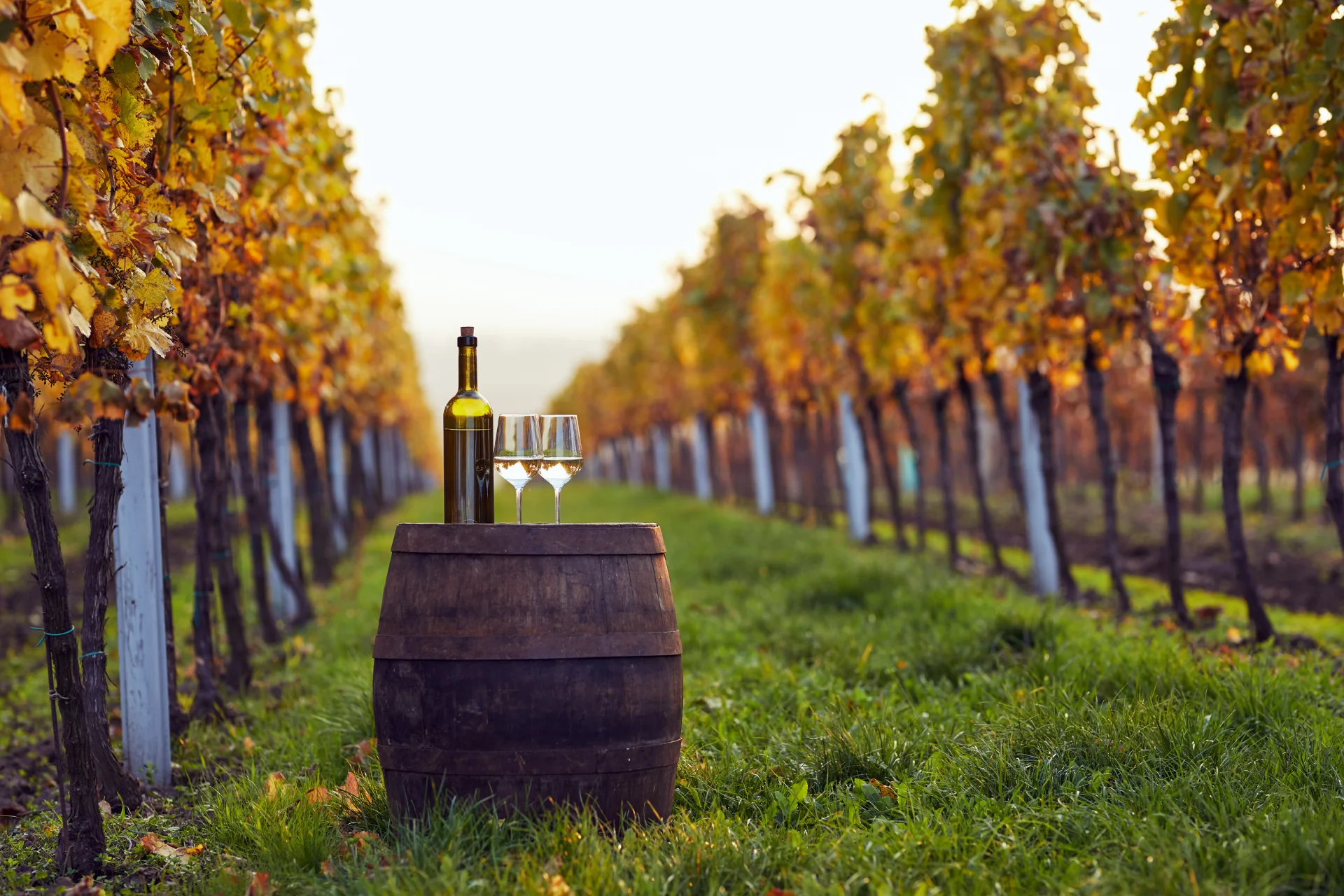
This is the Dolomites at their most photogenic. The larch forests turn gold, the air feels crisp, and the light is warm and low – a dream for photographers and hikers who crave quiet trails. By October, many alpine huts close for winter, but valley paths remain accessible. Autumn is also an excellent time for culinary travelers, as harvest season brings wine festivals and regional specialties to local tables.
Discover the subtle differences between the two seasons in Summer vs. Autumn in the Dolomites: Choosing the Best Season for Your Trip, and why many locals secretly prefer fall.
If you want to hike the golden trails without the crowds, check out our self-guided autumn hiking tours, offering flexible itineraries that include accommodation, route guidance and logistical support.
Month-by-Month Summary
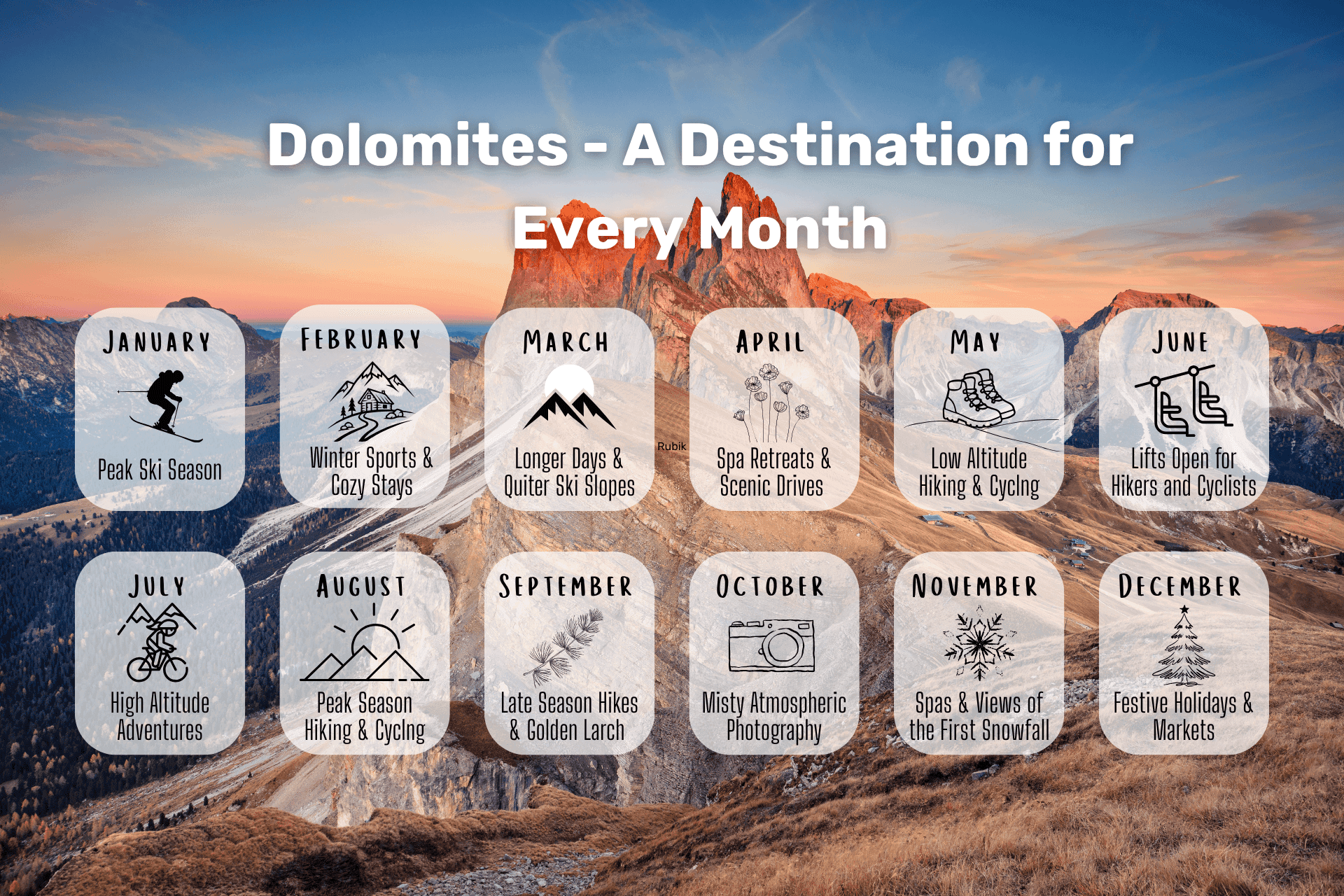
Every month in the Dolomites tells a different story. Here’s a quick overview to help you align your travel goals with the right time of year.
Highlights: Peak ski season; reliable snow and long runs.
Best For: Skiing, snowboarding, winter hiking, and cozy alpine villages.
Highlights: Sunshine, quieter slopes, and longer days.
Best For: Late-season skiing, relaxed winter breaks.
Highlights: Melting snow, wildflowers in valleys, peaceful towns.
Best For: Scenic drives, photography, and off-season stays.
Highlights: Trails reopen, wildflowers bloom, and summer lifts start running.
Best For: Early-summer hiking, cycling, and nature walks.
Highlights: Peak summer energy, alpine festivals, and warmest weather.
Best For: Hiking, family trips, and via ferrata.
Highlights: Confortable weater, quieter trails, and glowing landscapes.
Best For: Experienced hikers, photographers, cultural explorers.
Highlights: Autumn colors and harvest festivals, fewer tourists.
Best For: Scenic drives, peaceful getaways and rejuvenating spas.
Highlights: Quiet month between seasons; many lodgings close.
Best For: Relaxed stays, spa retreats, or combine with other Italian destinations like Venice and Verona.
Highlights: Start of ski season, Christmas markets, and mountain charm.
Best For: Early skiing, festive holidays, and winter adventures.
Special Interests – Choosing Your Ideal Time
For Families
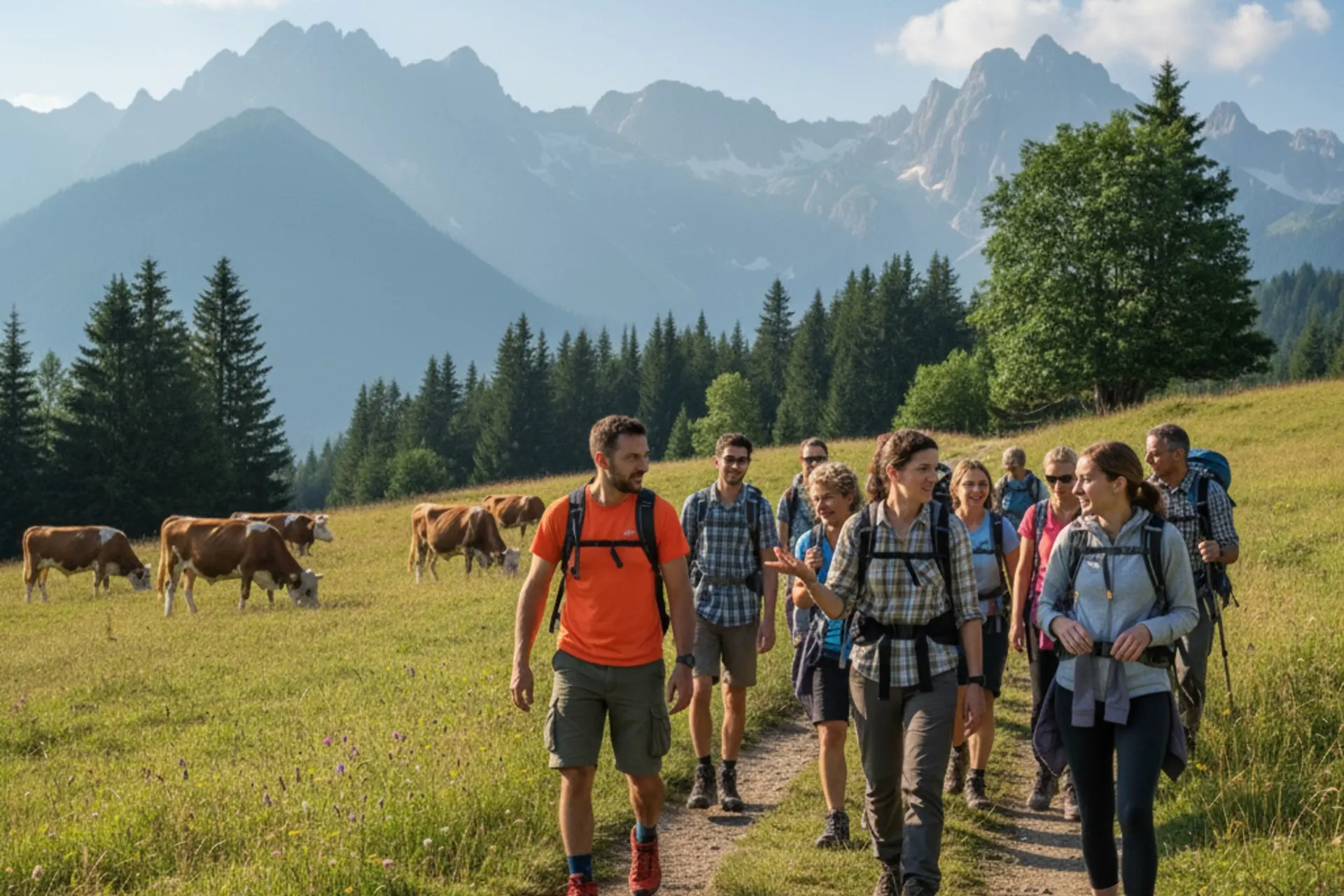
Outside of ski season, families traveling with children tend to enjoy the Dolomites most between late June and early September, when chairlifts, huts, and mountain adventure parks are fully open. Weather is warm, and there are plenty of kid-friendly trails and family-run hotels.
For more tips on choosing family-friendly bases and activities, explore An Adventurous Family Holiday in the Dolomites: Tips for Traveling with Kids.
For Road Trippers
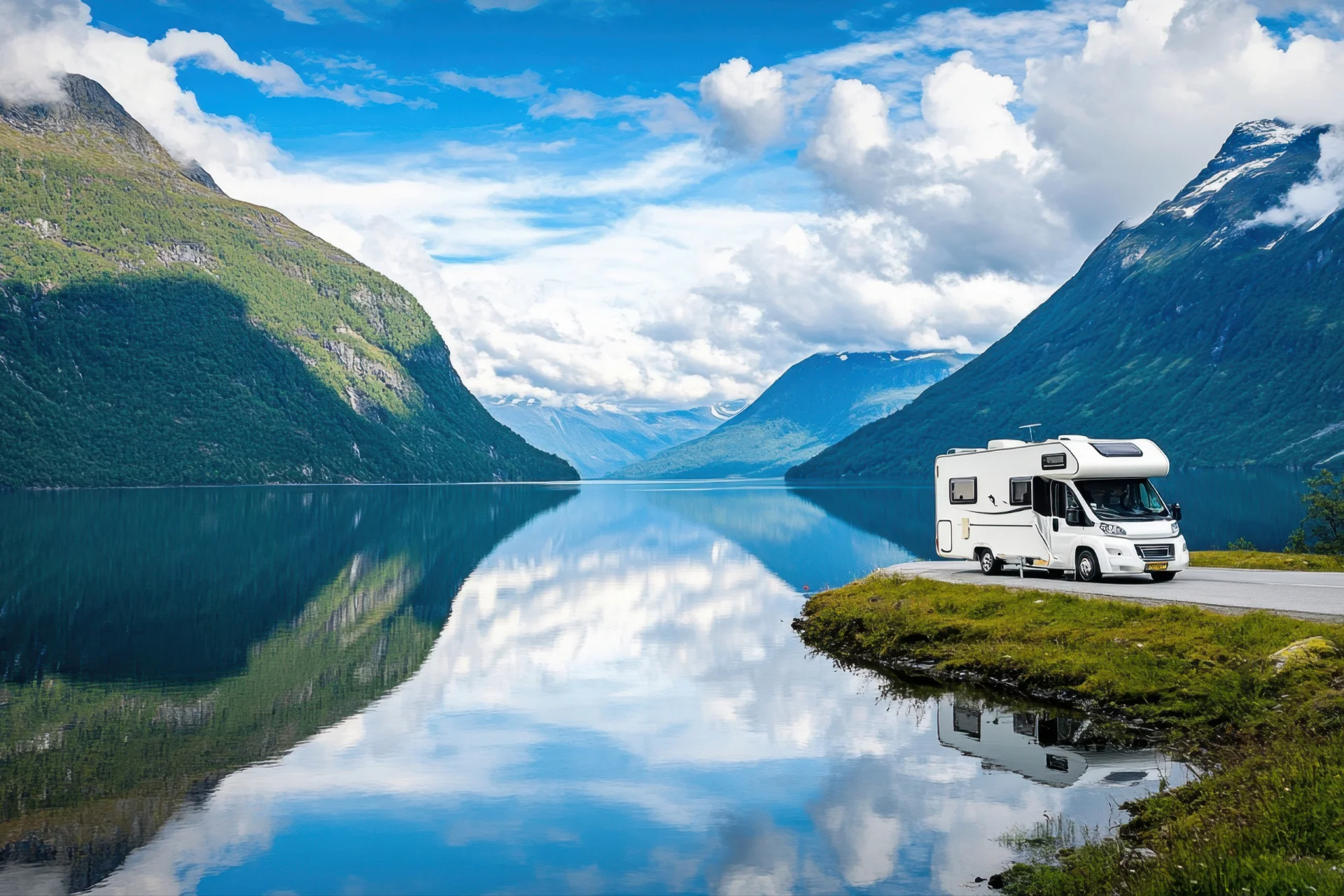
If you dream of freedom on four wheels, June to October offers the best driving conditions. By late May, most high mountain passes, including the famous Sella, Giau, Pordoi, and Gardena, are clear of snow.
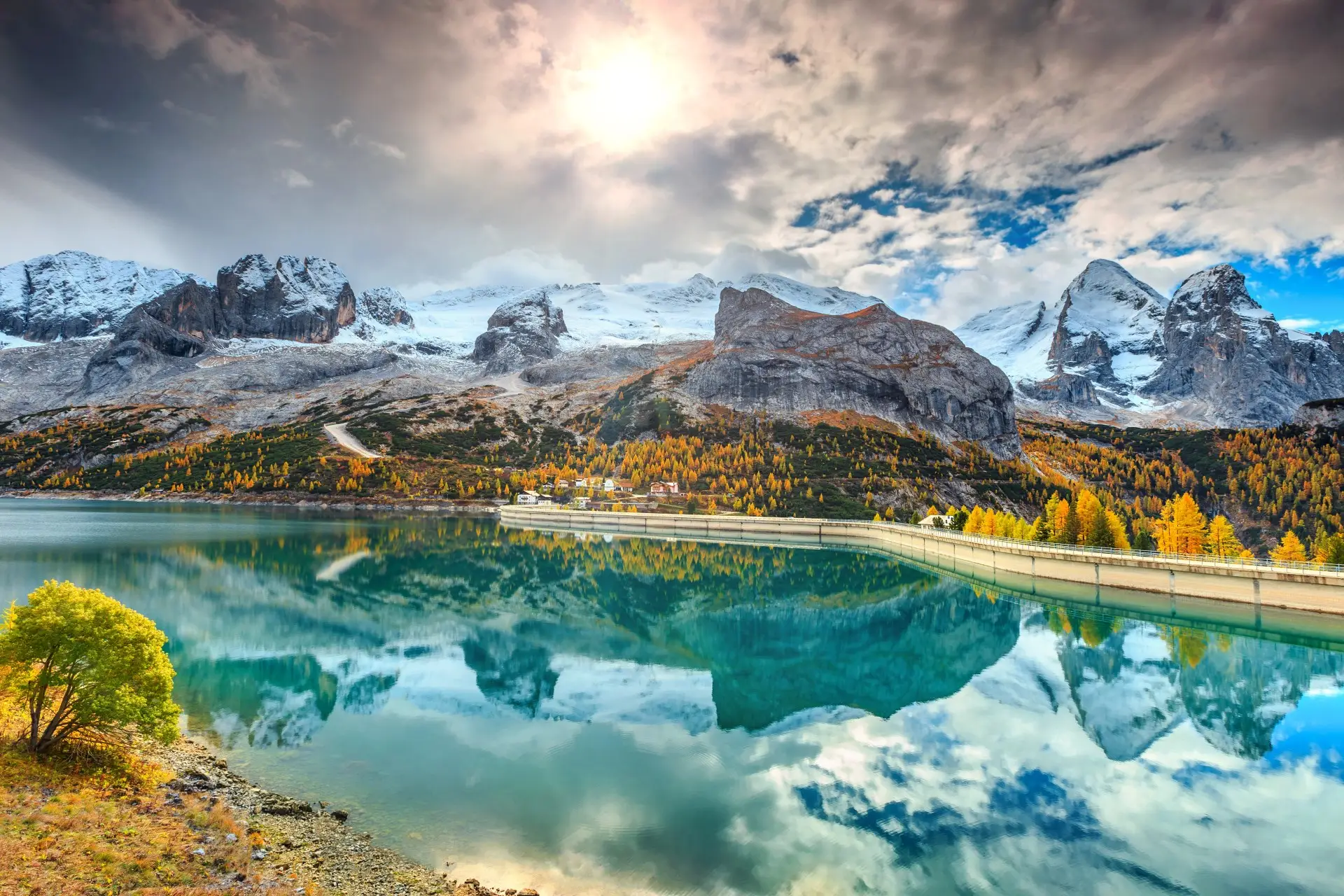
Autumn is especially magical for road trips, as traffic thins and the scenery glows. Before you hit the road, read Driving in the Dolomites: Safety Tips and Itinerary Suggestions and Freedom on Four Wheels: A Guide to Traveling by Campervan in the Dolomites.
Prefer to focus on the scenery instead of the steering? Our self-guided tours include transfers between regions so you can relax and soak in the views.
For First-Timers
First-time hiking and cycling visitors should aim for mid-June to early September, when transport, weather, and trail access are most reliable. You’ll experience the Dolomites at their liveliest, and navigation is simpler for those unfamiliar with local roads or mountain infrastructure.
Check out Dolomites for First-Timers: Essential Tips Before You Go for practical advice on what to pack, how to get around, and where to stay.
If it’s your first visit, our guided Dolomites tours are an ideal way to see the highlights stress-free – from iconic peaks to hidden valleys.
For Solo Travelers
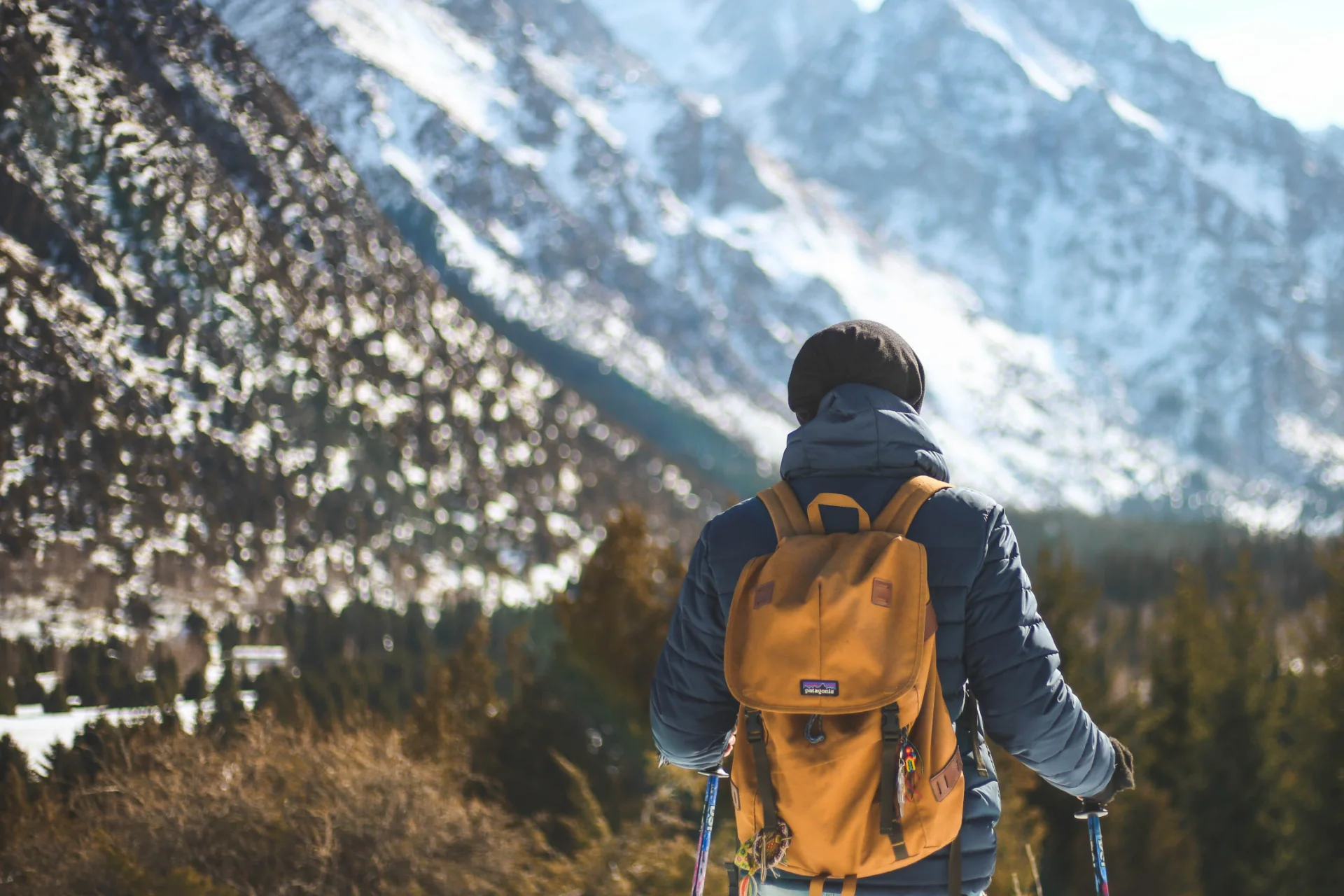
If you’re traveling solo, June or September are ideal. These months have good weather, fewer tourists, and better opportunities to have a more authentic experience and there’s a chance to meet other like-minded adventurers.
Discover how to balance independence with safety in Solo Travel in the Dolomites: How to Plan a Safe and Rewarding Adventure.
Join one of our small-group tours – perfect for solo travelers who want connection without compromise.
Planning Logistics by Season
Timing your visit to the Dolomites doesn’t just affect your activities, it shapes the practical side of your trip too. Transport routes, hotel availability, and even local services vary by season. Here’s what to know when planning.
Spring & Autumn Logistics
Transport: Public buses and mountain lifts operate on limited schedules during the shoulder season. Renting a car or campervan is the best way to explore – see Freedom on Four Wheels: A Guide to Traveling by Campervan in the Dolomites.
Accommodation: Many hotels and rifugi close between seasons (April–May, late October–November). Always double-check opening dates and book ahead.
Trails & Cable Cars: The summer lifts start running in early June and typically close by late September. Although some are open in May and November but may operate only at weekends. The lower trails are still accessible.
Summer Logistics
Transport: This is the easiest time to get around. Buses and shuttles operate frequently between main valleys like Val Gardena, Val di Fassa, and Alta Badia.
Accommodation: Expect higher prices in July and August. Book early, especially in popular hubs such as Cortina d’Ampezzo, Corvara, Canazei and Selva di Val Gardena.
Trails & Cable Cars: Every hiking trail, cycle path, via ferrata, and hut is open – making it the perfect time for a multi-day Dolomites hiking tour.
Winter Logistics
Transport: Ski resorts are well connected by ski buses and private transfers.
Accommodation: Most winter visitors base themselves directly in ski villages like Madonna di Campiglio, Corvara, Canazei, or San Cassiano. There are dozens to choose from! Tour packages that include transfers, ski passes and ski hire simplify logistics.
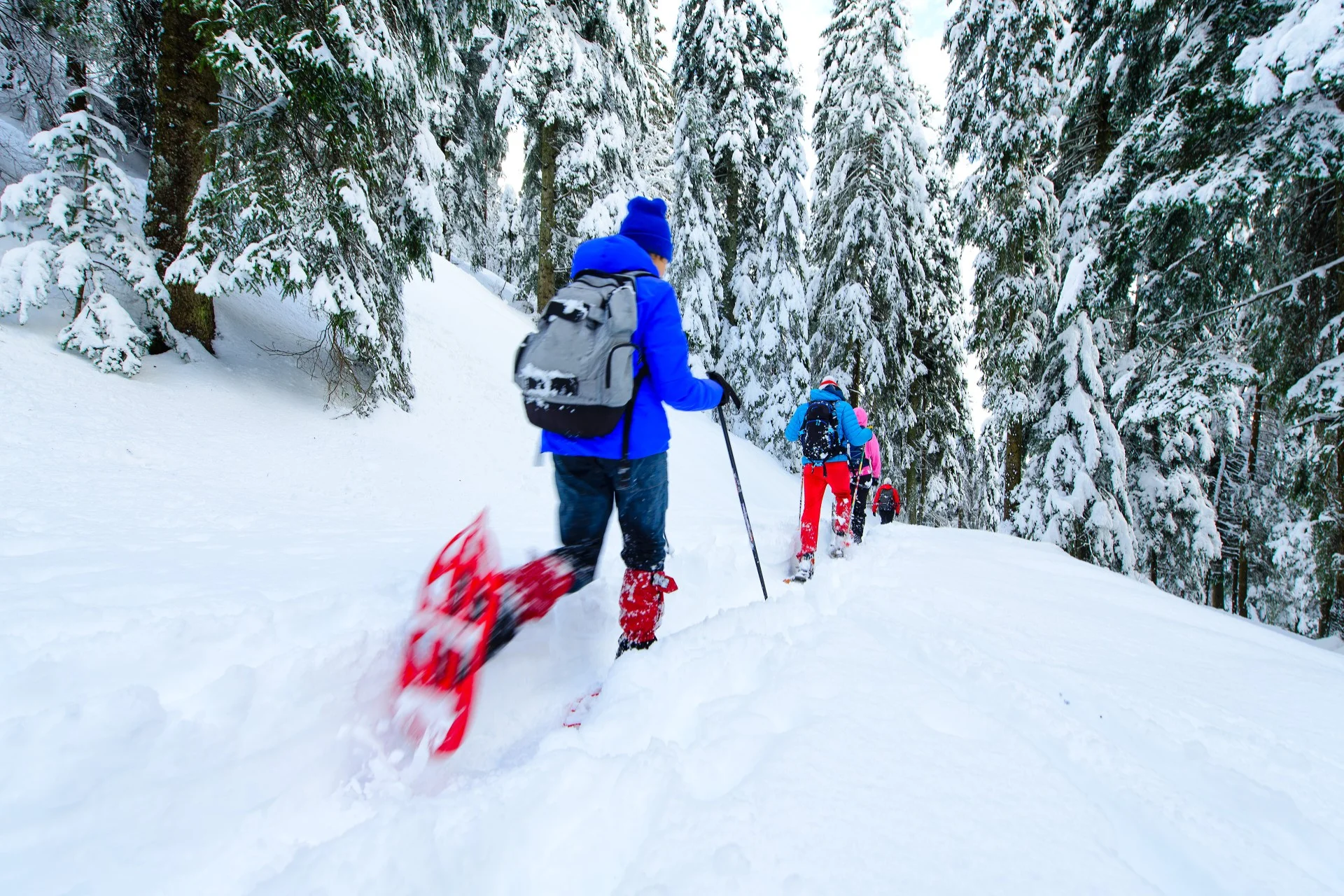
Activities: Beyond skiing, you can enjoy snowshoeing, spa retreats, or guided excursions. Learn more in When to Go Skiing in the Dolomites: A Guide to the Winter Season.
For details on arrival points and transport options throughout the year, see Your Guide to Airports Near the Dolomites: How to Get There and What to Know.
Trip Duration: How Long Should You Stay?
Okay, so you’ve nailed down the perfect season. Now, how long do you actually need to spend here?
While the Dolomites are relatively well connected, making it easy to ‘pop by’ for a short stay (3–4 days), we generally suggest a longer experience of at least 5 days. But honestly, you’ll be kicking yourself if you stay for less than 7 days.
For detailed information check out: How Many Days Do You Need in the Dolomites? Planning Your Perfect Stay.
Short Stay – Summer Itinerary
If you’re pressed for time or just looking for a taster, focus on maximizing your exposure to the scenery without wasting precious hours traveling between valleys. A short stay is best spent in one well-connected region like Val Gardena (Selva, Ortisei) or the Cortina d’Ampezzo area.
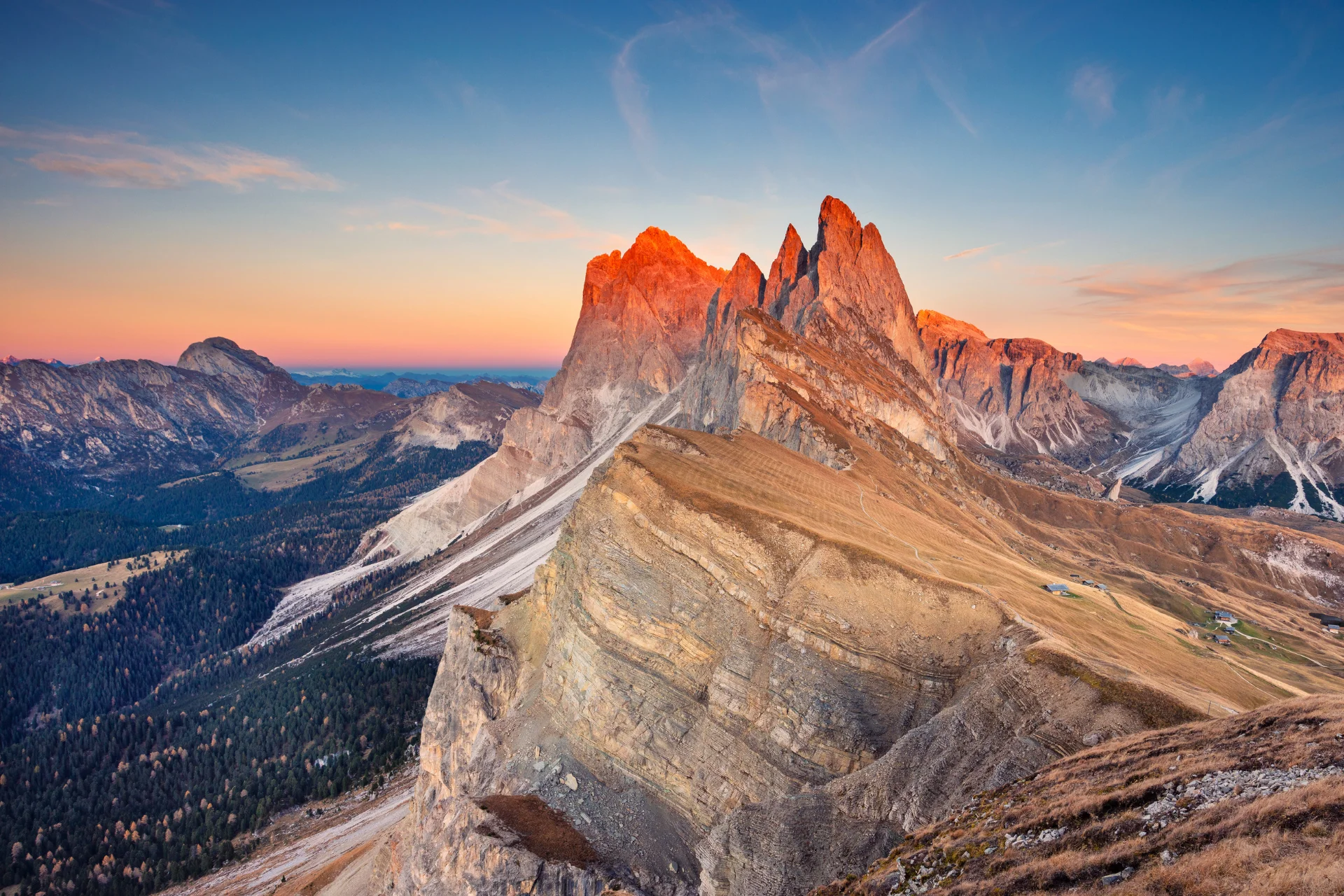
An example of a short stay itinerary would include magnificent scenery and some hiking (or cycling):
- Day 1 (Arrival & Elevation): Arrive in Ortisei. Use the cable car to explore the stunning Alpe di Siusi (Europe’s largest high-altitude meadow) for easy hiking or cycling and spectacular sunset views.
- Day 2 (Iconic Hike): Take the Seceda lift system up for the world-famous Geisler/Odle peaks. Enjoy a challenging hike or a gentle loop and reward yourself with panoramic views and traditional foods at a mountain rifugio.
- Day 3 (Passes & Departure): Spend the morning exploring the town of Ortisei and browsing the numerous artisan shops showcasing local wood crafts. The rest of the day can be spent driving the scenic Sella Pass loop to soak in the sheer scale of the mountains before heading out.
For activity-specific itineraries, check out: Your Dream Dolomite Itinerary: From a Quick Weekend to an Epic 1-Week Adventure
Longer Stay – Summer Itinerary
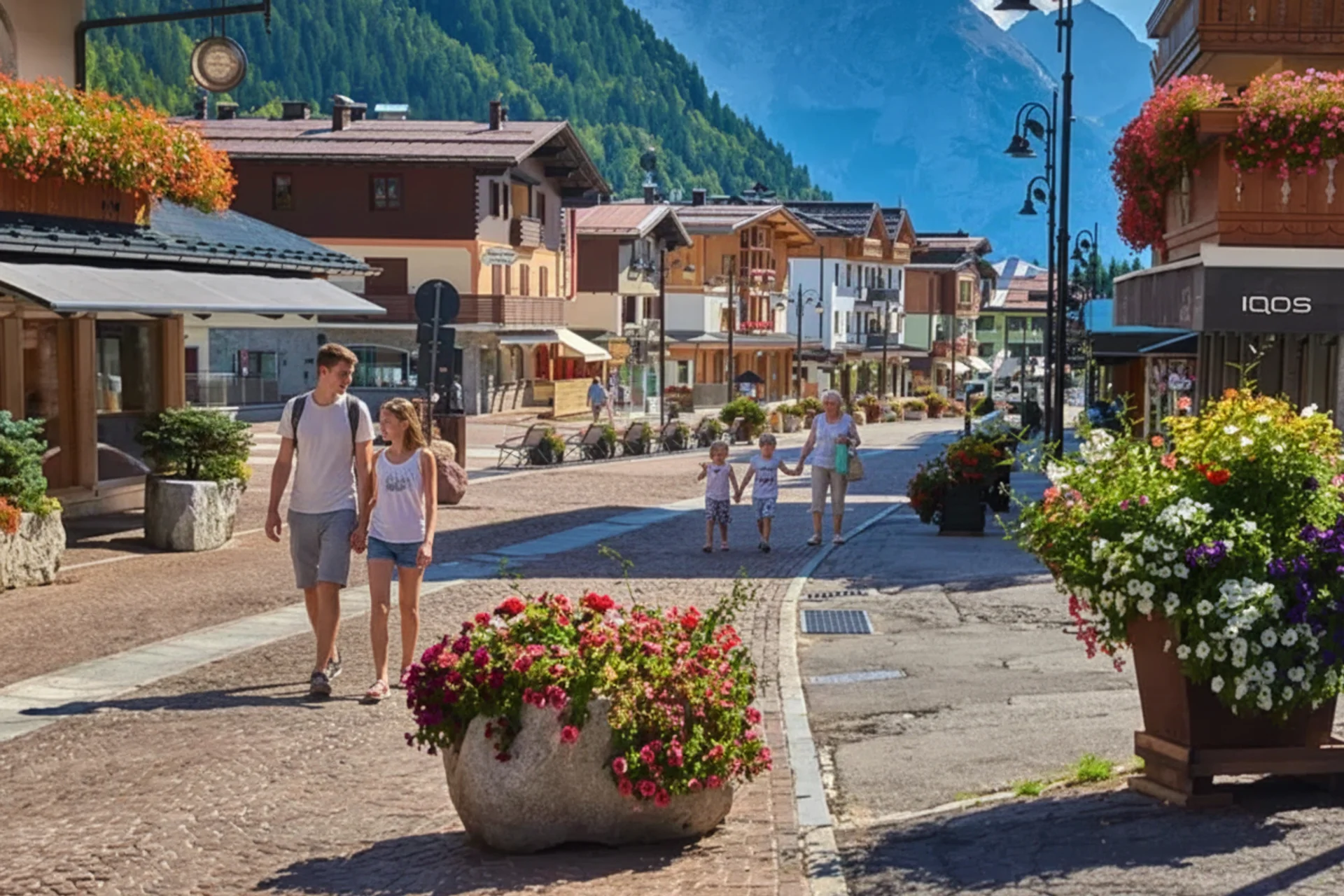
The extra days will allow you to comfortably explore a couple of different areas and participate in some summer or winter sports. A week or more unlocks the full depth of this stunning UNESCO landscape.
- Day 1 (Arrival in the Dolomites): Settle into Madonna di Campiglio, the elegant “Pearl of the Dolomites”. Situated in one of the nine Dolomite mountain ranges – the Brenta Dolomites, is a perfect base for a cultural and active Dolomites holiday.
- Day 2 (Discover Madonna di Campiglio): Spend the morning exploring this picturesque alpine town surrounded by dramatic peaks. In the afternoon, enjoy wine and local product tasting at a local cellar.
- Day 3 (Rafting Adventure in Val di Sole): Head to nearby Val di Sole for a thrilling rafting experience on the Noce River, one of Europe’s best rafting spots.
- Day 4 (Cooking up a Feast): Join a hands-on cooking class with a local chef, learning the secrets of traditional Trentino dishes.
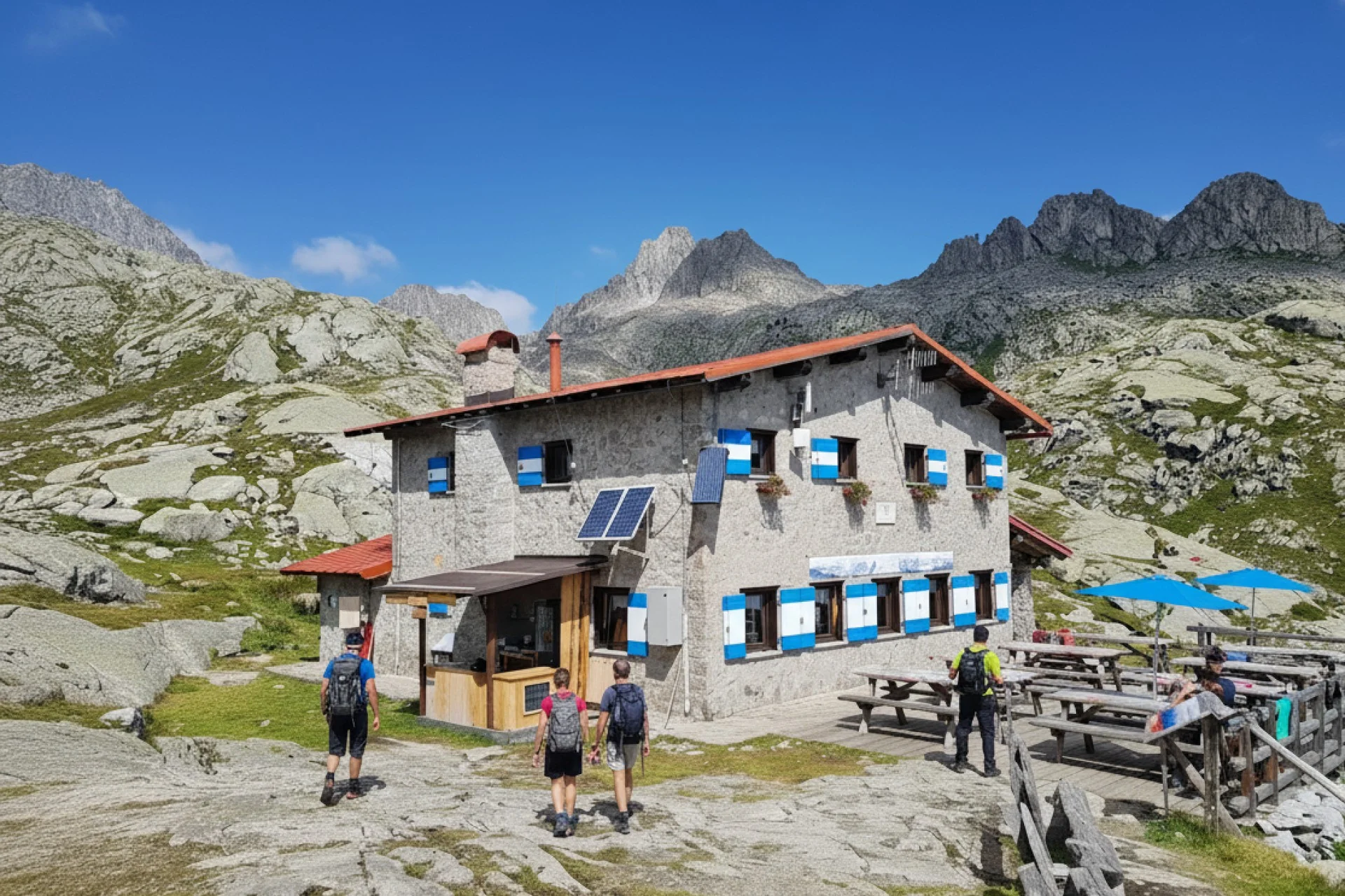
- Day 5 (Hiking at Altitude): With a certified Alpine Guide enjoy a scenic hike through the spectacular Adamello Brenta Natural Park (using the cable cars to reach high altitude quickly). Pause for lunch at an authentic rifugio hut to experience local mountain culture.
- Day 6 (E-Bike Exploration): Take to the trails on a guided e-bike tour, discovering breathtaking alpine views from a new perspective.
- Day 7 (Traditional Culture): On your final day, witness a cheesemaking demonstration – cherished Trentino tradition. The journey concludes with a farewell dinner at a Malga (mountain farmhouse) celebrating a week of adventure and cultural connection.
Interested in reading more about this one week itinerary? You can find details on the tour page.
Tips for Choosing Your Ideal Time
Here’s a quick summary to help match your travel goals with the right season:
- For hiking and via ferrata: June to late September
- For skiing and snowboarding: December to March
- For photography: September to mid-October
- For campervan trips: June to October
- For local culture and food: September to October (harvest season)
- For guaranteed access and open lifts: mid-June to mid-September
- For spa retreats and relaxation: April & November for availability but anytime is a good time!
Final Thoughts
The Dolomites are a rare destination where every season has its magic. If you love hiking, aim for the warmer months when trails are open. If snow and alpine charm call your name, winter delivers in style. And if you prefer quiet beauty, shoulder seasons bring peace and authenticity.
No matter when you go, the key is to plan. Or let local experts handle the details. Dolomites Active Tours is locally based and can organize transfers, accommodations, guides and daily itineraries.
Ready to plan your adventure? Explore our Dolomites tours and visit when the season suits the activities you love.
FAQs About Planning a Trip to the Dolomites
It depends on your goal – July and September are often the sweet spots. July offers warm weather and full access to mountain lifts and all activities; September has fewer crowds, comfortable weather, and stunning light for photography.
Between June and late September, when snow has melted from high trails and huts are open. July and August are busiest, while June and September are quieter with great weather.
Early June and mid-September through early October are ideal for avoiding crowds. You’ll find peaceful trails and easier hotel availability. The weather at these times is still warm and the days are long.
Snowfall typically begins in late November, with reliable coverage by late-December. The ski season lasts until late March and even in a bad season, the Dolomites has extensive snow making facilities.
You can hike in the valleys, but higher altitude trails may still be snow-covered in May and partially closed by October. Always check conditions locally before setting out.
November is a quiet transition month. Many hotels and lifts are closed, but it’s good for those seeking solitude, spa stays, or scenic drives before ski season begins.
It is still ok for the experienced hiker with all the right equipment and taking extra safety precautions.
Expect -5°C to +5°C in the valleys and colder temperatures at higher elevations. The dry alpine air makes it feel crisp rather than harsh, ideal for skiing or snowshoeing.
At least 3–5 days for a short getaway and 7–10 days for enjoying activities, culutural experiences and for a deeper exploration of 2-3 valleys. Check How Many Days Do You Need in the Dolomites? Planning Your Perfect Stay for itinerary ideas.
Share

Written by Justin
Justin is a certified E-Bike Guide – Instructor (Level 2) and co-founder of Dolomites Active Tours. Living in the Dolomites, he is an avid cyclist, hiker, loves via ferrata, and spends his winters on the slopes. His first-hand experience exploring these mountains allows him to share practical insights and expert advice for those eager to discover the Dolomites.
More posts from Justin