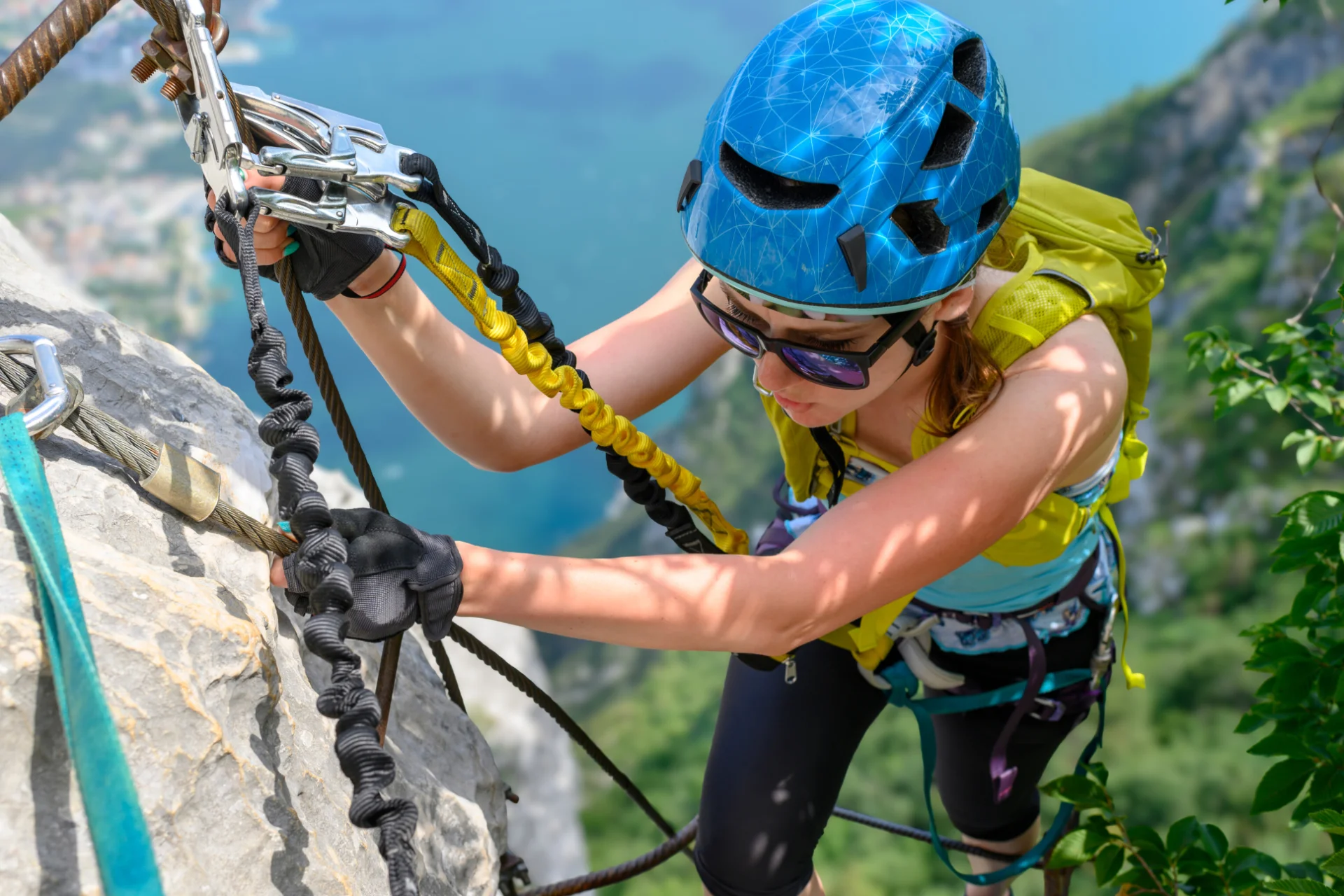
Peace of Mind Built into Every Trip
Exploring the Dolomites should feel inspiring, not stressful. We live here, partner with trusted local operators, and put qualified professionals in the lead so you can focus on the views while we quietly handle the details. From route planning and daily briefings to contingency transport and clear communication, your safety is front and centre on every experience.
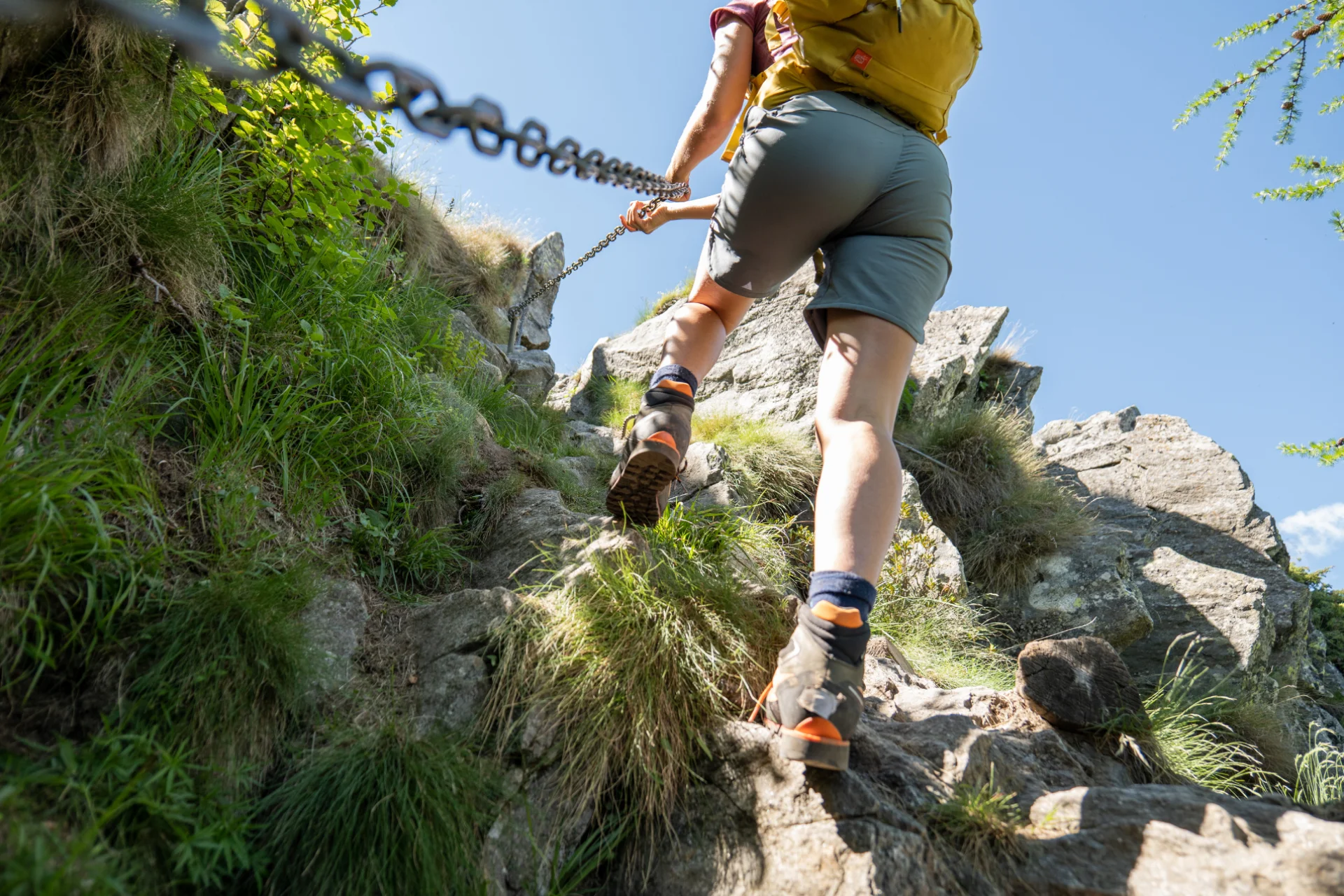 ENQUIRE
Taking Care of Your Worries
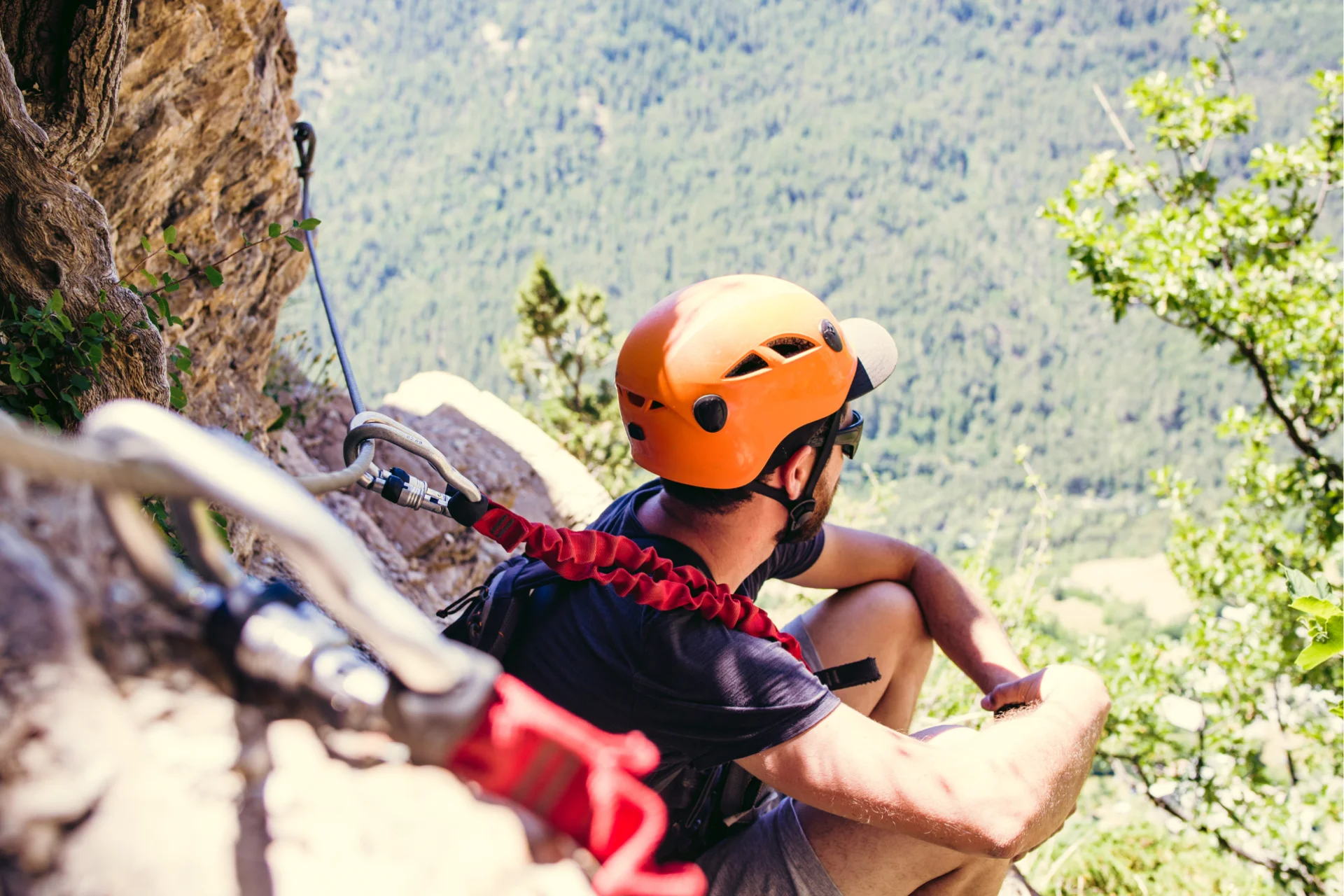
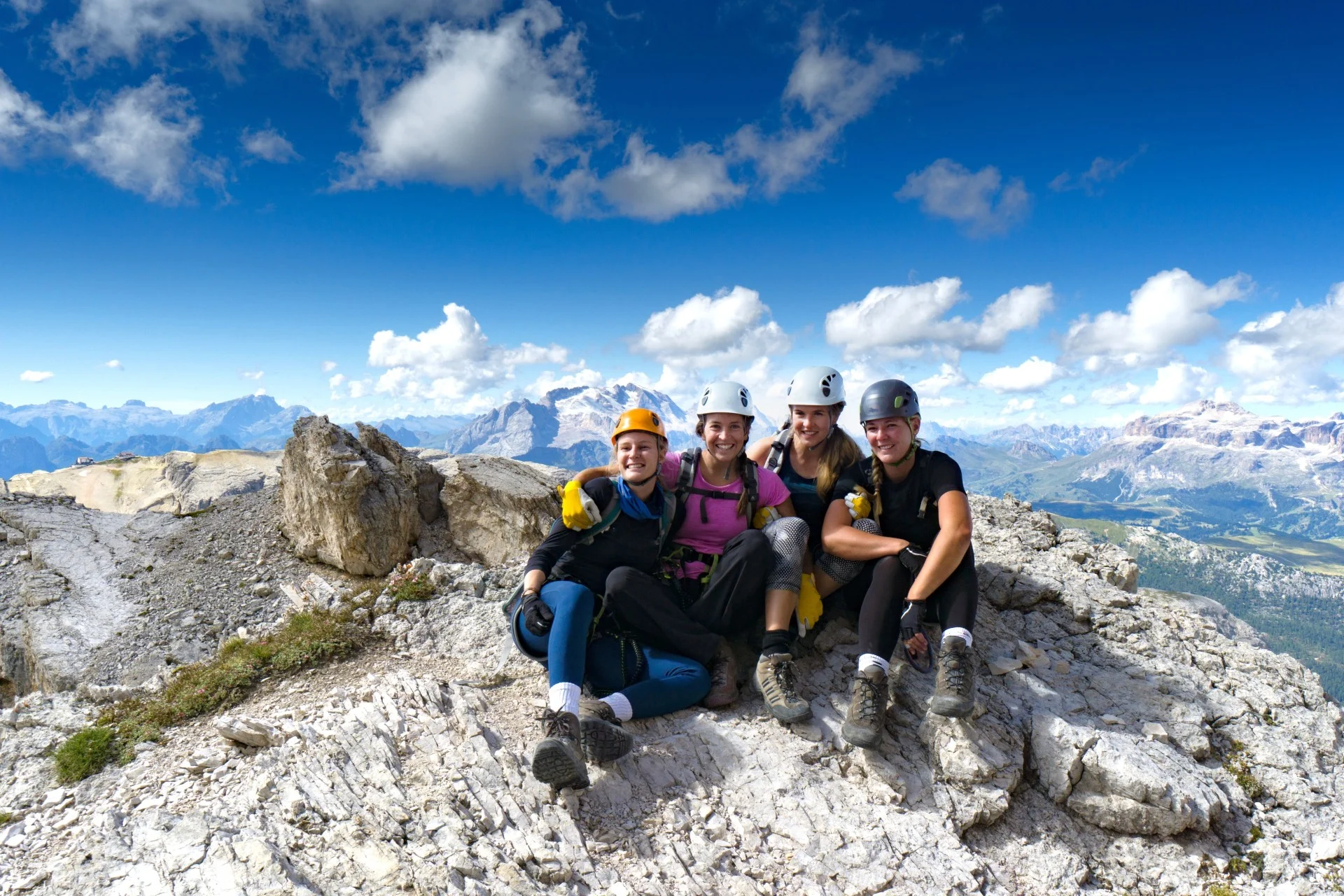
- Qualified Guides: Our small group tours are led by certified mountain professionals appropriate to the terrain and activity (e.g., IFMGA/UIAGM Alpine Guides for technical via ferrata days; qualified hiking leaders for trekking, etc.).
- Equipment: We use reputable third parties for equipment rental, who supply quality (where necessary – certified) equipment and who maintain and inspect gear regularly.
- Mountain Weather: Alpine weather can shift quickly. Guides will monitor local forecasts and brief you on what to expect before you set out for the day. Your guide will cancel or amend an excursion if the weather conditions look to be dangerous. On self-guided tours, you can check local weather using apps like 3B Meteo, and it’s important to make a safety assessment. Local refuges (rifugios) or visitor centers can also provide advice.
- Temperatures & How to Dress: Valley floors can feel warm while summits stay cool. As elevation rises, temperatures drop – roughly 6.5°C per 1,000 meters gained. We recommend a breathable base layer, an insulating mid-layer, and a windproof/waterproof shell, plus sturdy footwear suited to your terrain. Read more: Packing List
- Hydration: Drink regularly throughout the day – aim for at least 2-3 litres of water. Dehydration is just as common in cold, overcast, or high-altitude conditions as it is on a hot summer’s day. Don’t wait until you feel thirsty to drink.
- Route and Activity Difficulty: Each of our tours has a difficulty/fitness rating (see trip details page). If you feel unprepared or unfit for a specific activity, then you must opt out. Guides may suggest an alternative route or activity for your day. We also reserve the right to exclude you from any activity if we believe you cannot safely participate.
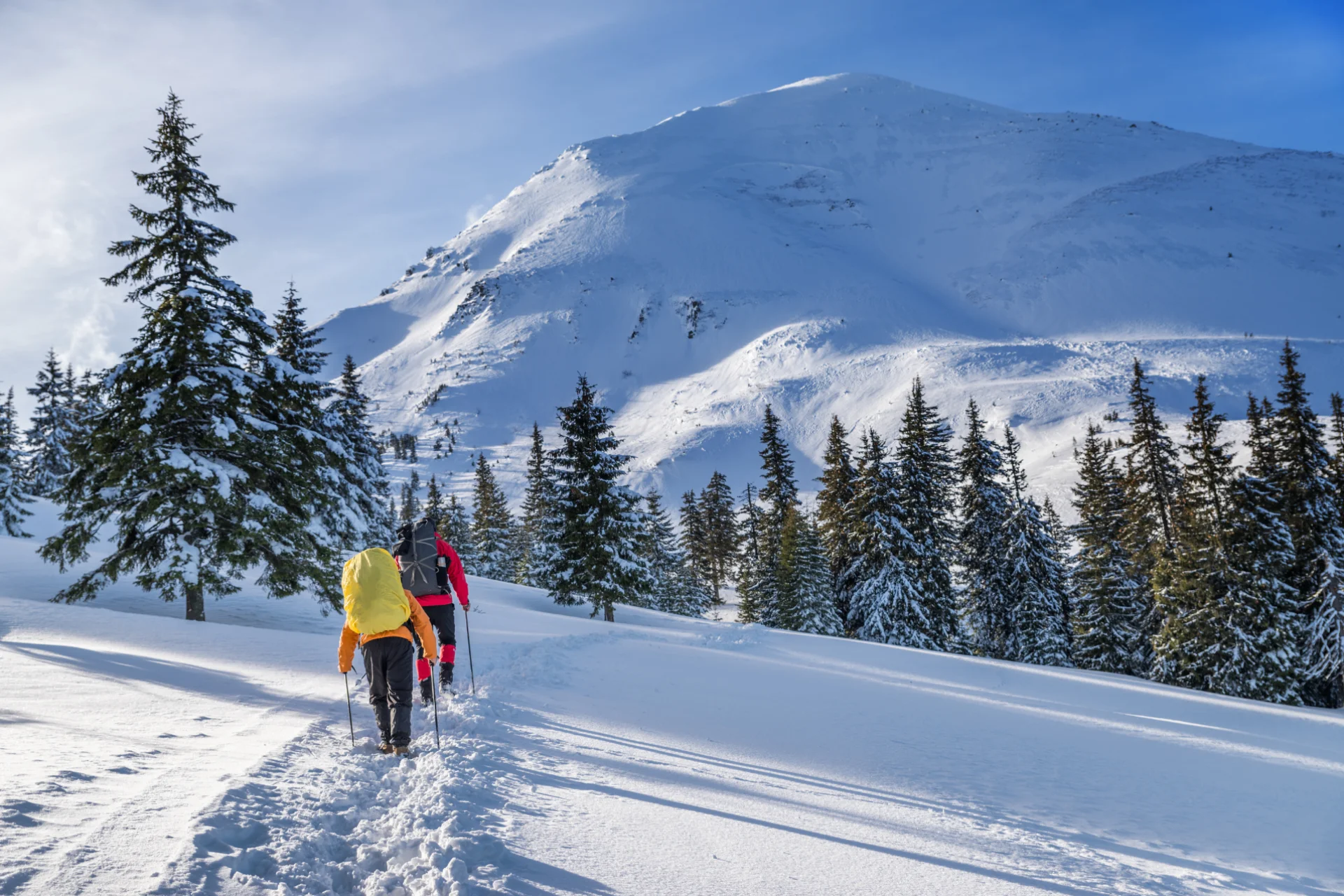
- Snow and Avalanche Risks: Even when you’re skiing on-piste, we encourage smart habits: check the snow and weather reports, avalanche bulletin, and daily resort updates. If the weather changes suddenly or there is low visibility, then call it a day or take a break in one of the many ski huts.
- Maps & GPS: For guided tours, you do not need to carry maps or a GPS. You just have to follow your mountain guide! On self-guided tours, you need to have a clear plan and understand your route using markers, maps, a compass, or a GPS device.
- When to Start and Finish: On self-guided tours, aim to set off by 8:00 AM. Earlier starts mean cooler temperatures, calmer weather, and more time in hand. Plan to reach your rifugio by 4:00 PM. If you’re running behind, cut unnecessary stops and let the hut know you’re on your way. Never hike after dark.
- If You Lose the Trail: Stop. Retrace your steps back to the last visible trail marker or signpost before making any new decisions. Don’t guess or bushwhack forward. On self-guided tours, cross-reference your paper map, GPS track, and trail markers together – if they conflict, trust the markers on the ground.
- Communications: When in a group, keep one phone fully charged – in case of an emergency. We do not recommend solo excursions in the mountains. On guided excursions, listen carefully to instructions and pay attention to the people in your group. Helping each other out when safe to do so.
- Insurance: We strongly recommend that you get adequate travel insurance that covers medical assistance, medical care, emergency rescue, (helicopter) evacuation, and repatriation. In addition, the coverage should include lost, stolen, or delayed luggage, cancellations, and delays. It is important to include the activities outlined in your chosen tour.
- Group Size: Group sizes are kept small (typically 8 people) for a more personal experience, but also to reduce risk and provide a safer experience
- Age Restrictions: Participants must be at least 16 years old for many of our group excursions. However, some tours are suitable for younger families.
- Drug & Alcohol Policy: Participation under the influence of drugs or alcohol is strictly prohibited.
- Waiver Form: All participants must sign a waiver before they join the tour. The waiver form explains the types of risks involved when you participate in mountain activities and explains the legal responsibilities for any injuries or damages that may occur. Read more: Booking Terms
- Compliance with Local Regulations: The Dolomites is a National Park and a UNESCO World Heritage Site. All participants must adhere to local wildlife, environmental, and safety codes and regulations throughout their visit. This includes restrictions on flying drones, lighting fires, littering, and wild camping, to name a few.
- Leave no trace: Stay on paths, do not litter, and respect hut and pasture rules.
Emergency Actions
- First-Aid and AEDs: Many public places will have automated external defibrillators (AEDs). Professional guides will have a basic first-aid kit, and on a self-guided tour, you should also include it in your packing list.
- Emergency Help in the Mountains: In the event of an incident, professional mountain rescue operates across the Dolomites, with helicopter support when needed. Mountain guides are trained to manage incidents and coordinate with rescue teams. On self-guided tours, you must assess the need for emergency help and contact the emergency services as necessary.
- Signalling a Rescue Helicopter: If a helicopter is dispatched, your job is to make the situation immediately readable from the air. Move the group away from the casualty so the pilot has a clear line of sight and view of where to land. Keep one person beside them at all times to protect them from the downwash. Where possible, ensure the area is clear of loose debris. Use your body as a signal: both arms raised form a Y — universal for “yes, help needed here.” One arm up, one arm down forms an N — use this if the landing zone is unsafe or may injure the casualty further. Keep one person with the casualty at all times until medics are present.
- Contacting Emergency Services: The primary and unified emergency number across the Dolomites and all of Italy is 112. This number connects to a central dispatch service that is designed to provide multilingual assistance, which typically includes English and often French, German, or other major languages. The official “Where Are U” app is highly recommended, as it allows you to contact 112 with a single tap while automatically sending your exact GPS location, which is crucial in mountainous terrain.
- Medical Care & Costs: While the Italian National Health Service (SSN) covers limited emergency care for EU citizens (via the EHIC card) and others on an emergency basis, other services (such as non-emergency hospital care, helicopter rescue, and repatriation) can be exceptionally expensive without dedicated insurance coverage.
- Altitude Sickness: As elevation increases, oxygen levels drop. Symptoms can include headaches, shortness of breath, nausea, fatigue, and disrupted sleep – and in more severe cases, a persistent cough or disorientation. If you or someone in your group develops symptoms, descend to a lower altitude immediately, drink plenty of water, and slow your pace. Do not push on in the hope that symptoms will pass on their own. Altitude sickness can affect anyone, regardless of fitness level.
Wildlife & Nature Awareness
- Wildlife in the Mountains: Expect to meet grazing cattle, curious marmots, and occasionally chamois or ibex, and extremely rarely lynx, golden jackal, bears, and wolves. In sunny, rocky zones and warm ledges, expect reptiles, and in forested meadows, watch for ticks. Wild birds are also a common feature.
- See, Don’t Touch: Admire wild animals from a distance; don’t approach too close and never feed wildlife.
- Bears: The bear population in the Dolomites is small but present, mostly concentrated in Trentino. An encounter is unlikely – but possible. The most effective thing you can do is make noise along the trail: talk, clap intermittently, or walk with a bear bell — particularly in thick woodland or near water where you can’t be heard approaching. Keep your pack free of open food and never leave food, wrappers, or rubbish behind. If you spot a bear at a distance, resist the urge to stop and watch; move away calmly and without drawing attention to yourself. If the encounter is close, keep your voice low and steady, avoid prolonged direct eye contact, make no fast movements, and give the animal a clear path to leave. Do not run. If necessary, curl into a ball on the ground, protecting your head and neck with your arms and backpack.
- Vipers & Reptiles: Present on sun-warmed rocks and ledges. Watch where you place your hands when scrambling; step back and give space if you see one. Vipers are venomous, and it is essential that bites are treated with urgency. Remember that the injured person should move as little as possible!
- Ticks: More common in lower, wooded meadows. Use repellent, consider treated clothing, and check for ticks after visiting the mountains. Tick removal should be done with care. Speak to your doctor about TBE vaccination if you want added protection.
- Dogs: The Dolomites are a dog-friendly destination; there are some specific rules. Including keeping dogs leashed (and muzzled on public transport and in some public areas), cleaning up after their pets, and carrying an EU pet passport or equivalent health certificate.