You’re standing at the trailhead, boots laced, pack on your back. You’ve got your phone, some water, and… wait, is that enough? Mountain weather changes fast, trails take longer than expected, and getting caught unprepared isn’t fun.
The following post covers what you actually need in your rucksack for a safe day on the Dolomites trails in the summer hiking season.
If you’re new to hiking in the Dolomites, then you may also like to read our ultimate guide to hiking in the Dolomites.
The Foundation: Your Rucksack
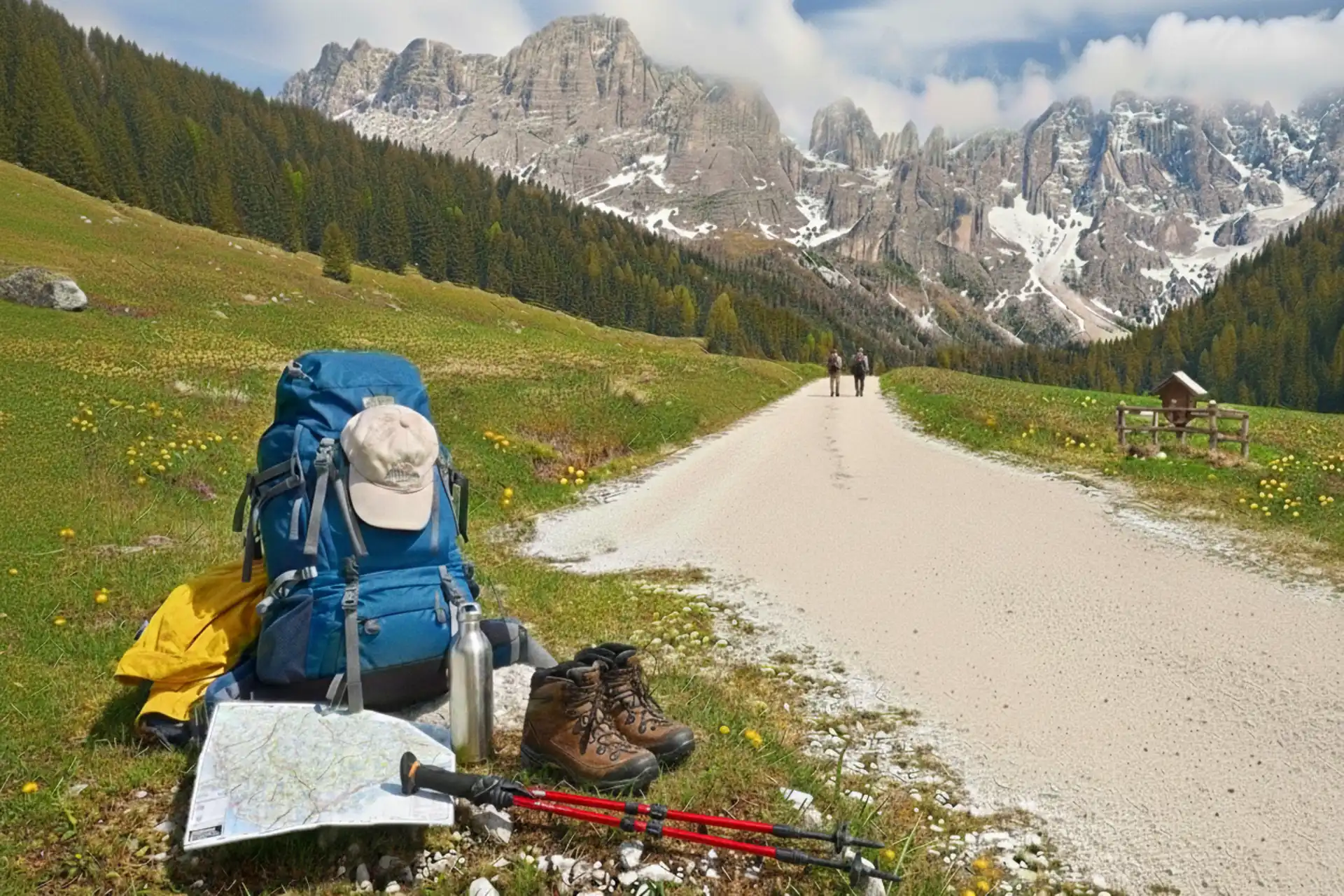
A 20-30 liter daypack is your sweet spot. Smaller and you’ll struggle to fit layers and safety gear; bigger tempts overpacking. Look for padded shoulder straps and a hip belt (your shoulders will thank you at hour three), breathable back panel, external attachment points for trekking poles, and water-resistant material or rain cover.
Aim for 5-7 kg total pack weight; even an extra kilogram feels heavy after several hours of climbing.
Footwear: Your Most Important Gear Decision
Your boots can make or break your hike. Dolomites trails throw everything at you: wet rock slabs, loose scree, steep descents, and fixed-cable sections. You need proper hiking boots with ankle support and good grip – trail runners might work for experienced hikers on easy routes, but for varied terrain with a loaded pack, sturdy boots are essential.
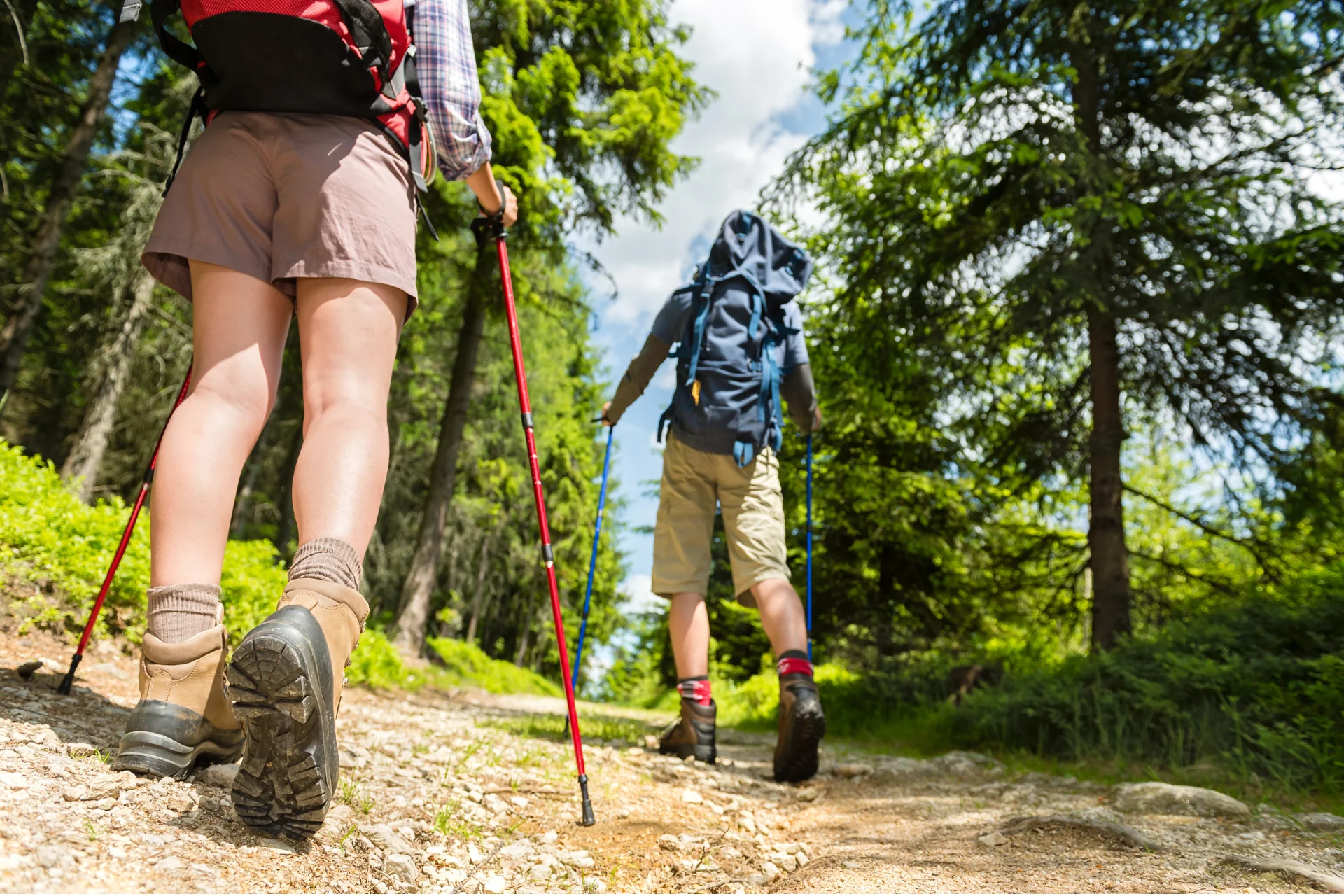
Look for waterproof leather or synthetic boots with a Gore-Tex membrane (keeping feet dry while allowing sweat to escape), Vibram or similar high-traction sole (critical on wet rock and loose terrain), and a stiff enough sole for rocky sections.
Pro tip: Always break in new boots to feel more comfortable and to avoid blisters.
Don’t overlook socks – they’re as important as the boots. Choose merino wool or synthetic hiking socks with cushioning in the heel and toe. Merino wool regulates temperature (keeps feet cool in summer, warm when wet), wicks moisture, and resists odor even after multiple days.
Water and Hydration: Don’t Underestimate the Alps
I know that this sounds obvious, but you need to carry enough water. On a recent hike (out and back from Lago di Tovel to the top of Passo Grostè, 2540 m), I was caught short because I not only underestimated the distance and elevation gain (over 1200 m), but I also hadn’t realized that the only shade was in the first hour. The remainder of the trek was under the full summer sun, and the rifugio that I had planned to stop at was closed. A series of errors and bad luck left me dehydrated by the time I reached Passo Grostè.
I’m sharing this story because even after years of hiking, I still find it hard to gauge my water intake, and getting it wrong can have serious consequences.
Pro tip: If hiking lesser-known trails or shoulder season, carry extra water and consider a lightweight filter for emergency stream use.
At altitude, you dehydrate faster than you realize, especially when climbing to reach a summit or lookout. Bring 1.5-2 liters minimum. Choose reusable water bottles (easy to refill at rifugios) or a hydration bladder system (hands-free drinking, encourages regular sipping).
Many trails pass mountain huts where you can refill, but (as with my Passo Grostè hiking experience) don’t count on it! Some routes have limited water access, and rifugios aren’t always open outside peak season.
Clothing Layers: The Mountain Weather System
You may start your morning hike at 10°C, climb into 25°C sunshine by midday, then watch storm clouds roll in by 3pm with temperatures dropping fast. The solution? Layers.
Base layer: Moisture-wicking synthetic or merino wool. Never cotton since it absorbs sweat, stays wet, and you’ll freeze when you stop moving. Long sleeves are a better option than short sleeves.
Mid-layer: Fleece or lightweight insulated jacket for warmth at high passes and lunch breaks. Choose something that compresses small but delivers real heat.
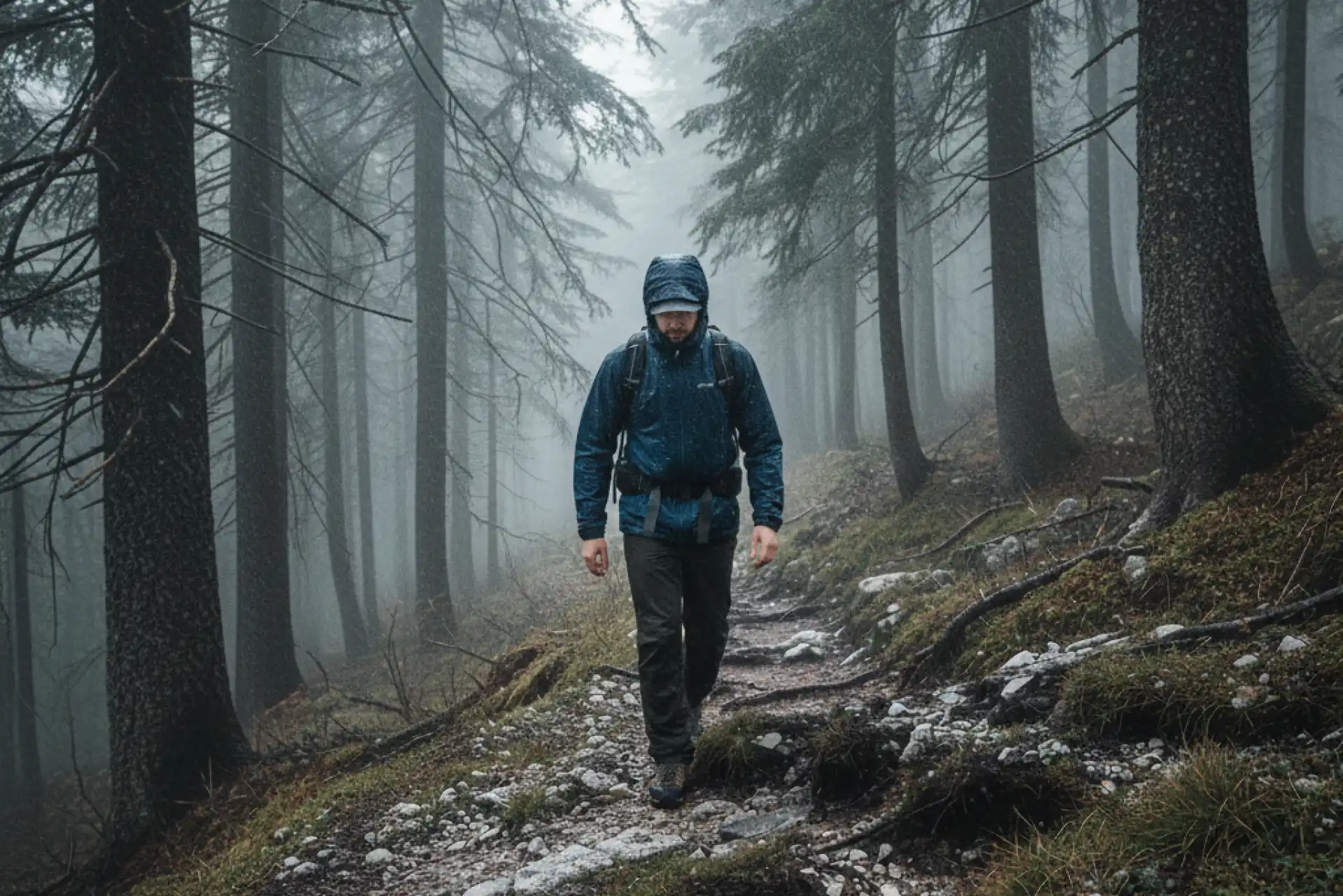
Outer shell: This is non-negotiable. Waterproof and windproof jacket with a hood and a Gore-Tex or similar breathable membrane. This protects against wind and rain, and provides critical safety if caught out longer than planned. Cheap non-breathable rain jackets are risky and may leave you soaked from sweat.
Legs: Convertible hiking pants work well, or shorts with packable waterproof/wind pants for bad weather.
Navigation and Safety: When “Just Following the Trail” Isn’t Enough
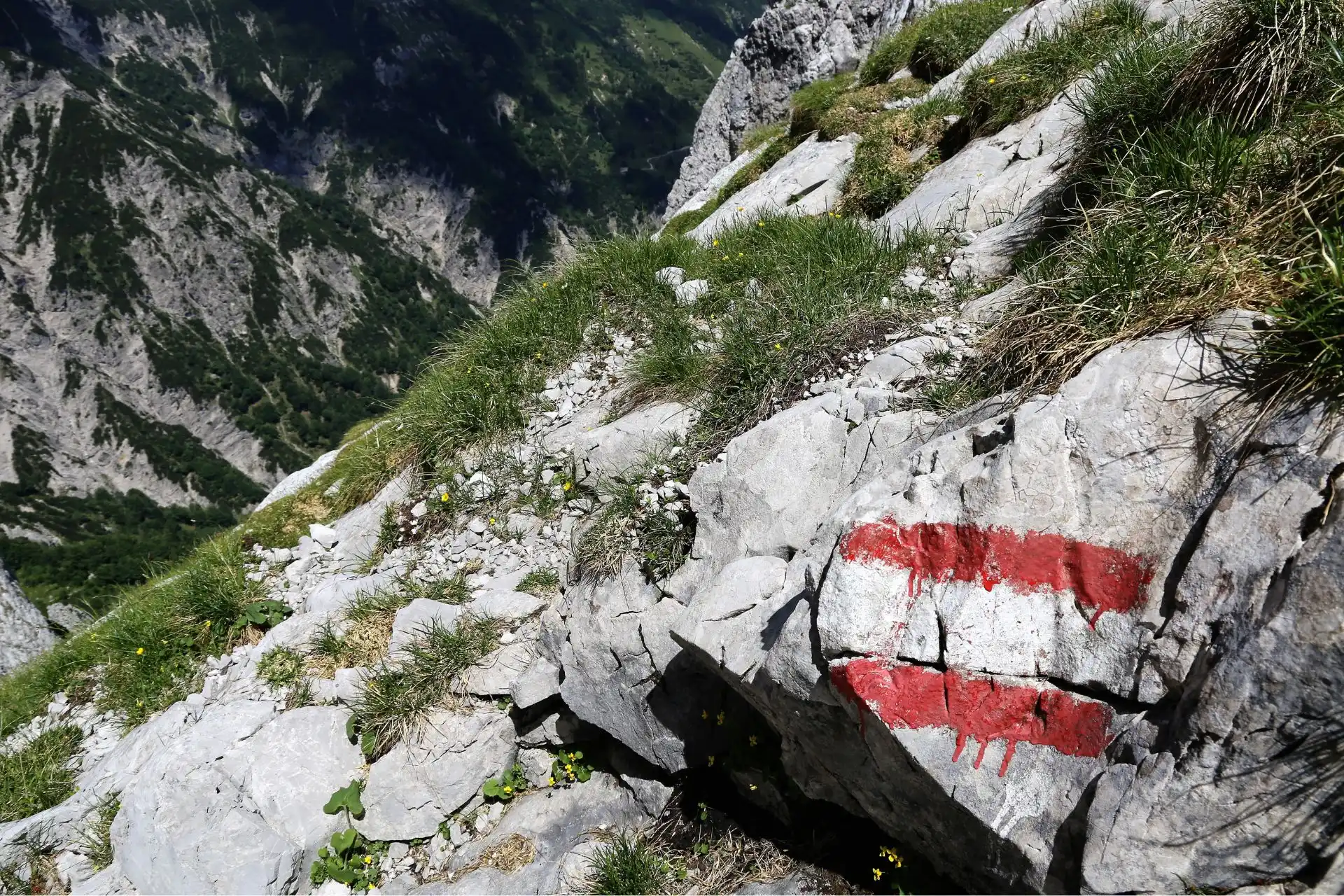
Red-and-white blazes mark most trails, and clearly numbered signs show walking times. The popular trails in the Dolomites are well marked. But sometimes markers become obscured by foliage or damaged.
Packing a detailed trail map (Tabacco 1:25,000 scale), is a sensible idea. Add to this a fully charged smartphone with downloaded offline maps and GPS tracks.
Pro tip: Phone batteries drain faster at altitude and in cold, so consider throwing in a fully charged battery pack.
But having a map isn’t enough. You also need to know how to read it! If you’re unsure about navigation, new to alpine hiking, or you want to avoid the popular tourist paths, consider local expertise.

Our guided hiking tours pair you with certified mountain guides who navigate confidently in all conditions and make real-time safety decisions. Want independence with backup? Our self-guided tour packages provide detailed route maps and 24/7 emergency support.
Food and Energy: Fuel for Mountain Hiking
Your body burns more calories at altitude than you expect. Pack trail mix with nuts and dried fruit, 2-3 energy bars, chocolate for quick energy, and a proper sandwich for longer hikes.
Many rifugios serve food, but always have a backup in case your hike is slower than expected, and you arrive too late for lunch service.
Pro tip: Eat before you’re hungry, drink before you’re thirsty. Recovery takes longer once you’re depleted.
On long, strenuous hikes and in hot weather, I also carry little packets of soluble electrolytes to prevent cramping, fatigue, and dizziness.
First Aid and Emergency Essentials
Basic safety gear is non-negotiable in the mountains. Your compact first aid kit should include blister plasters, pain relievers, antiseptic wipes, and bandages, plus any personal medications.
Emergency items: emergency blanket (weighs nothing, provides critical warmth if injured), whistle for attracting attention, headlamp (daylight disappears fast in valleys), waterproof matches or lighter.
If you’re going with a mountain guide or on a group guided tour, then safety and emergency provisions are typically taken care of by your group leader.

Sun Protection: Higher Altitude Means Stronger UV
Sun at 2,500 meters is significantly stronger than at sea level. Even on cloudy days, UV penetrates and burns. Pack sunscreen SPF 30+, sunglasses with UV protection, a wide-brimmed hat, and lip balm with SPF. Reapply sunscreen every 2 hours.
The Extras That Matter
I consider the items above essential for any hike into the mountains. But there are a few extras that you should also consider adding to your pack:
- Trekking poles (reduce knee impact by 25%, crucial on descents).
- Lightweight water filter or purification tablets as backup for emergencies.
- Tissues or toilet paper.
- Hand sanitizer.
- Small amount of cash for rifugios;
- Insurance card and ID.
Multi-Day Hut-to-Hut Additions
Hut-to-Hut trekking is a signature hiking experience of the Dolomites. The vast network of Rifugios provides beds, blankets, and meals, so you’re not camping.
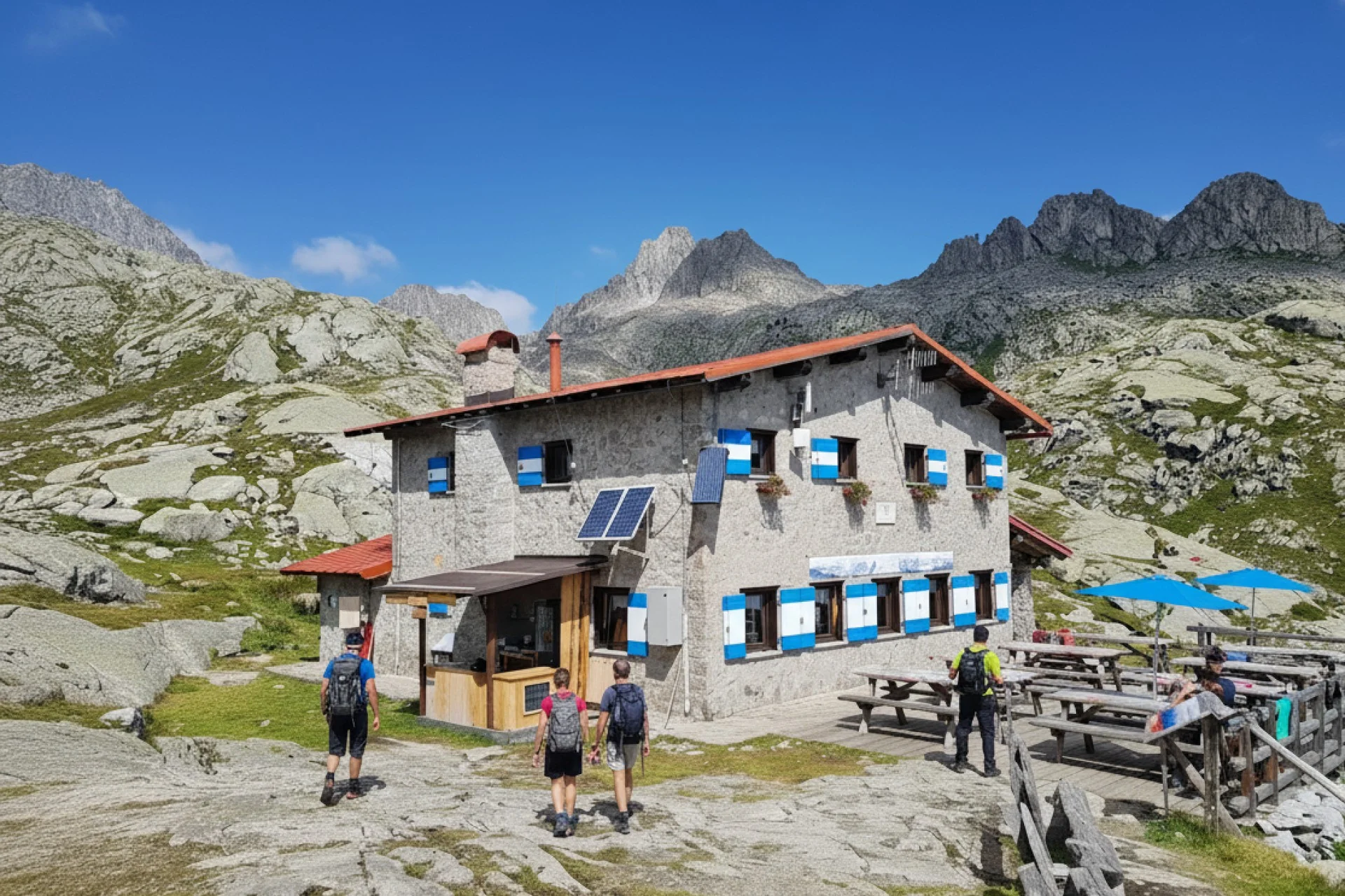
However, there are some extra items that you will need compared to a daypack.
Add these for overnight treks:
- Sleep sheet or sleeping bag liner (required at most rifugios).
- Change of clothes for evenings (and clean base layer hiking clothing).
- Pair of slippers or sandals for the hut bedrooms and dining areas.
- Small toiletry kit and quick-dry towel.
- Euro coins for rifugio showers.
- Earplugs and an eye mask for dormitory sleeping.
- Phone charger.
The extra items will require you to upgrade to a 30-40L pack, but try keeping the weight to 8-12 kg maximum.
What to Leave at Home
Overpacking is one of my biggest problems. I have a tendency to pack too many “just in case” items. Especially when it comes to extra clothing!
But take it from me, a couple of unnecessary kilograms of weight can turn a comfortable hike into a slog.
Leave behind: heavy jeans, bulky clothing, excessive electronics, full-size toiletries, and your entire camera kit – unless you’re a serious photographer. Pack smart, and you’ll enjoy the sense of freedom that comes from a light pack.
Packing Checklist
Want the full packing checklist? Take a look at our trip planning section.
Ready to Hike?
The right gear gets you prepared, but preparation includes understanding your trail, checking the weather, and knowing your limits. If you’re new to alpine hiking or uncertain about navigation and safety, professional support makes sense. Our comprehensive guide to hiking in the Dolomites covers trail selection, fitness requirements, and seasonal planning.
Ready to book? Explore our range of guided and self-guided hiking tours —we handle rifugio bookings, route planning, and transport while you focus on your adventure.
View Posts By Topic
FAQ
Carry 1.5-2 liters minimum for a typical 4-6 hour hike. You dehydrate faster at altitude, especially with elevation gain. Many trails pass rifugios for refills, but don’t depend on it.
For challenging hikes or hot weather, increase to 2.5-3 liters.
Yes. Mountain weather changes quickly. A quality waterproof, breathable jacket (Gore-Tex or similar) is your most critical safety item. Pack it even on “perfect” days.
Aim for 5-7 kg including water. Multi-day hut-to-hut increases this to 8-12 kg. Anything heavier means too many “just in case” items. Pack thoughtfully, not fearfully.
Bring both. Phones fail—batteries die in cold, screens crack, devices get wet. A waterproof Tabacco 1:25,000 map provides reliable backup.
Inexperienced with maps? Consider a guided hiking tour where certified guides handle navigation.
I highly recommend poles, especially for steeper descents. Poles reduce knee impact by 25% and provide stability – helping you avoid ankle sprains. On the days that I’ve left my poles at home I almost always regret it!
Spring (May-June) and autumn (September-October) need additional warm layers: heavier insulating jacket, hat and gloves, warmer base layers, potentially microspikes on your boots for snow/icy patches.
Many rifugios operate reduced schedules outside July-August, so pack extra water and food.
Assess whether it’s truly essential.
Forgotten snacks aren’t necessarily critical because of the rifugio network that serves food and drinks. However forgetting your rain jacket with questionable weather? Turn back – continuing without critical safety gear is poor judgment.
Water is sold by the bottle in rifugios. You may see other hikers drinking tap water; however, we recommend you always ask hut staff before drinking the tap water, as the source varies from hut to hut. Many mountain fountains along trails are also potable and marked as such.
However, don’t drink directly from streams, lakes, or unmarked sources without filtering or purifying first, even if the water looks crystal clear. Livestock grazing at higher elevations and wildlife can contaminate water with bacteria and parasites. Carry a lightweight water filter or purification tablets as backup for emergencies when you can’t reach a rifugio or marked fountain.