The Dolomites hiking experience is underpinned by the Rifugio System. A network of mountain huts that serve as refuges for mountaineers, hikers, cyclists and (in winter) snowshoers and skiers.
If you’re planning hut-to-hut hiking in the Dolomites, rifugios will be your home away from home and an opportunity to embrace mountain culture.
But let’s be honest – figuring out how to book them and what to expect, can feel overwhelming. Especially if you’re planning a multiday mountain traverse. I’ve been there, and I’m here to walk you through everything you need to know. So, keep reading!
Experience that matters: As a Dolomites-based tour agency, we’re here to share our “boots-on-the-ground” practical tips. For more details on planning your perfect hike, take a look at our Ultimate Guide to Hiking in the Dolomites.
What Makes Rifugios Special
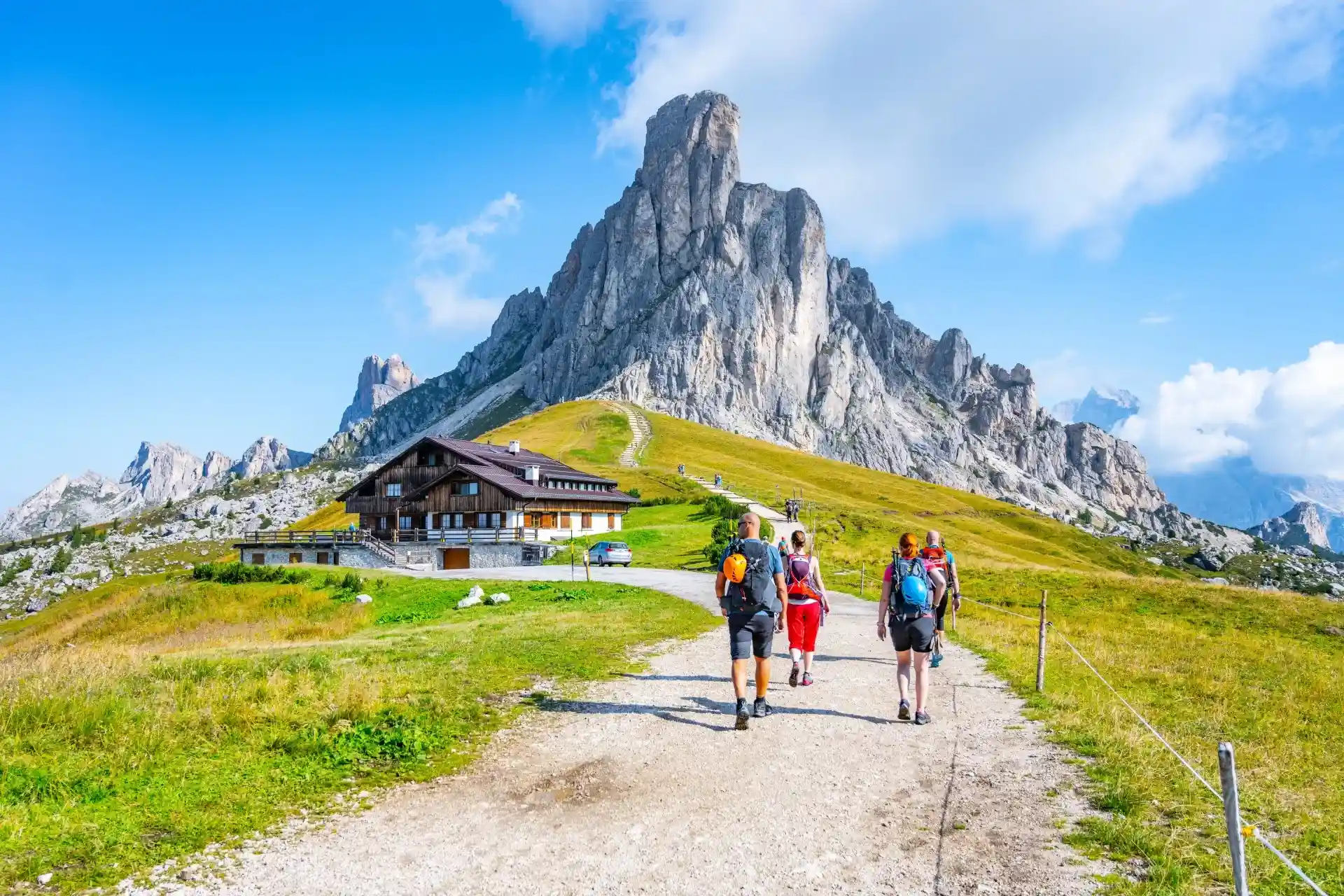
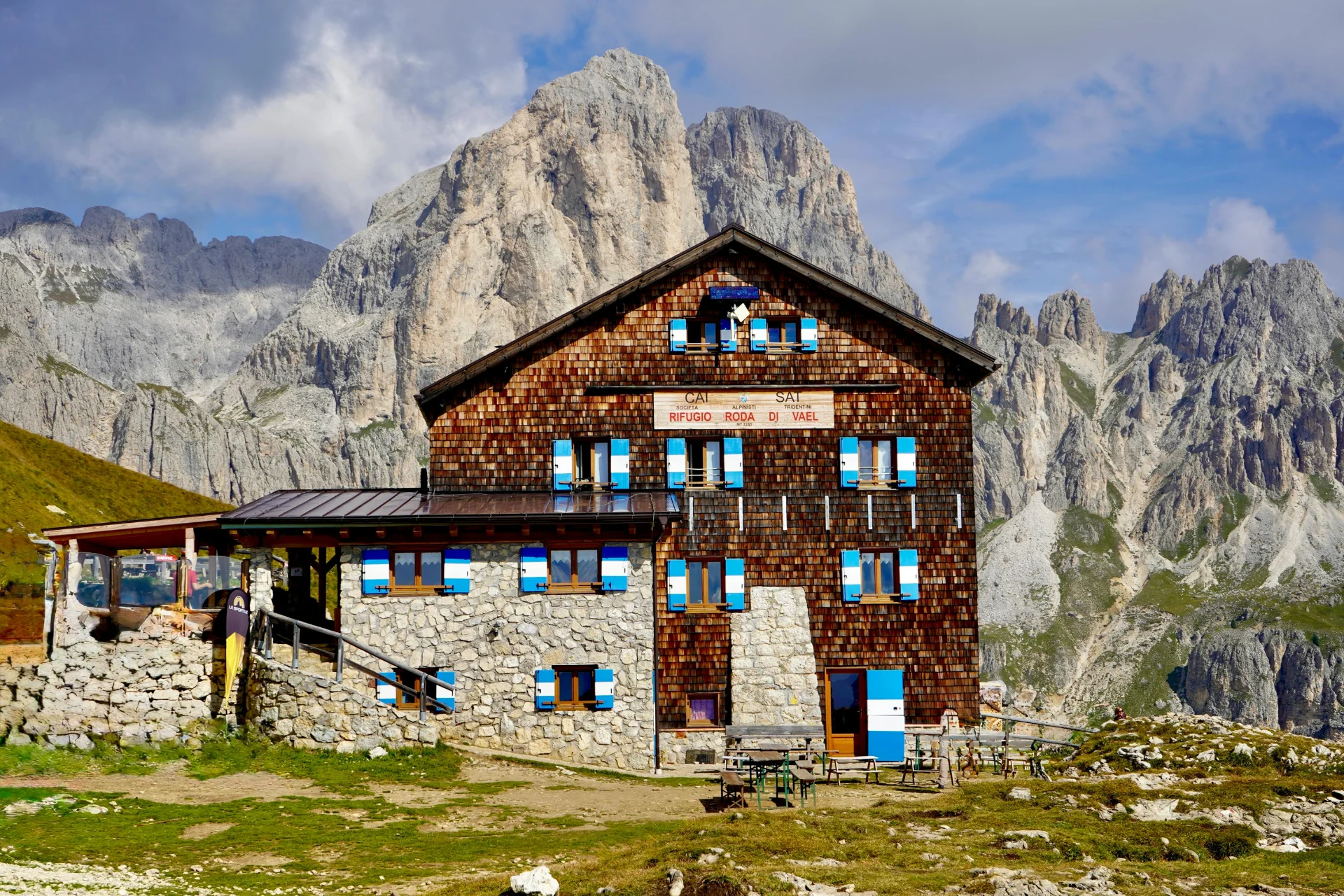
A rifugio (Italian plural: rifugi) is more than just a mountain hut – it’s a refuge in the truest sense. These staffed accommodations dot the Dolomites at elevations between 1,500 and 3,152 meters, providing shelter, hot meals, and warm beds to hikers, mountaineers, and adventurers. With over 1,000 rifugios scattered across the region, you can spend weeks hiking from hut to hut without ever descending to a valley town to find a warm bed.
Unlike camping (which is prohibited in the Dolomites), rifugios let you experience the mountains deeply while traveling remarkably light. Your pack weighs 8-12 kg instead of 15-20 kg because you’re not hauling tents, sleeping bags, food, or camp stoves.
Yet you still get that immersive mountain experience – waking to sunrise painting the peaks pink, hiking through dramatic landscapes, and ending each day surrounded by those same mountains. For a deeper dive into multi-day trekking and what makes this region perfect for hut-to-hut adventures, check out our comprehensive backpacking guide.
If you’re a first-timer here, then our complete guide to the Dolomites explains the different mountain ranges, the local culture, and what else there is to do here, and will help you plan your trip.
Planning Your Hut Stops
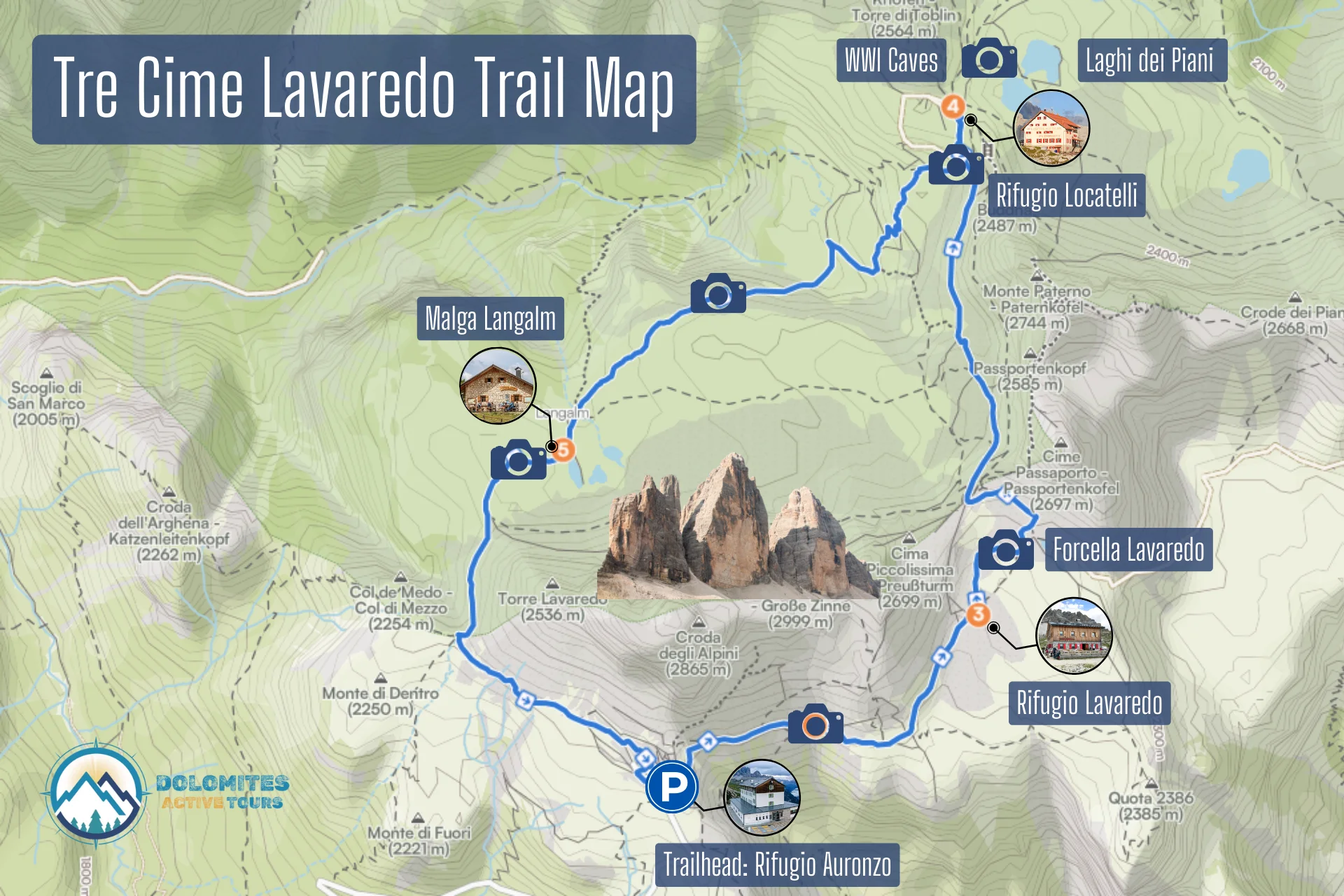
I can (with almost complete confidence) say that it doesn’t matter which hike you choose; there will be a rifugio on the path at some point. Even the 3-hour Tre Cime di Lavaredo loop hike passes by three rifugios and one malga (a type of traditional farmhouse serving food and drinks)!
There’s usually a choice of rifugios, so you can map out your multi-day hike to suit your fitness and pace. As a guide, most people with average fitness can comfortably hike 10 to 15 kilometers (6-9 miles) per day.
For help deciding which multi-day route to tackle and understanding how different trails work with the rifugio system, see our guide to choosing the best Dolomites hiking tours.
I know it doesn’t sound like much, but remember this is the Dolomites and you’ll experience significant elevation gain over that distance, and you’ll be carrying a backpack. You also need to allow additional time for lunch, rest breaks, and bad weather.
Our beginner’s guide to hiking in the Dolomites covers route planning, safety, and more.
What to Expect at a Rifugio
Room Types: From Dormitories to Private Luxury
Rifugio’s offer two main accommodation styles, and understanding the difference helps you plan both your budget and expectations.
Dormitory rooms are the classic rifugio experience. Picture a room with multiple bunk beds – sometimes separated by a bit of space, sometimes arranged in one long row where a few feet of thin mountain air is all that stands between you and your neighbor’s snoring. There’s no privacy, and you don’t choose your roommates.
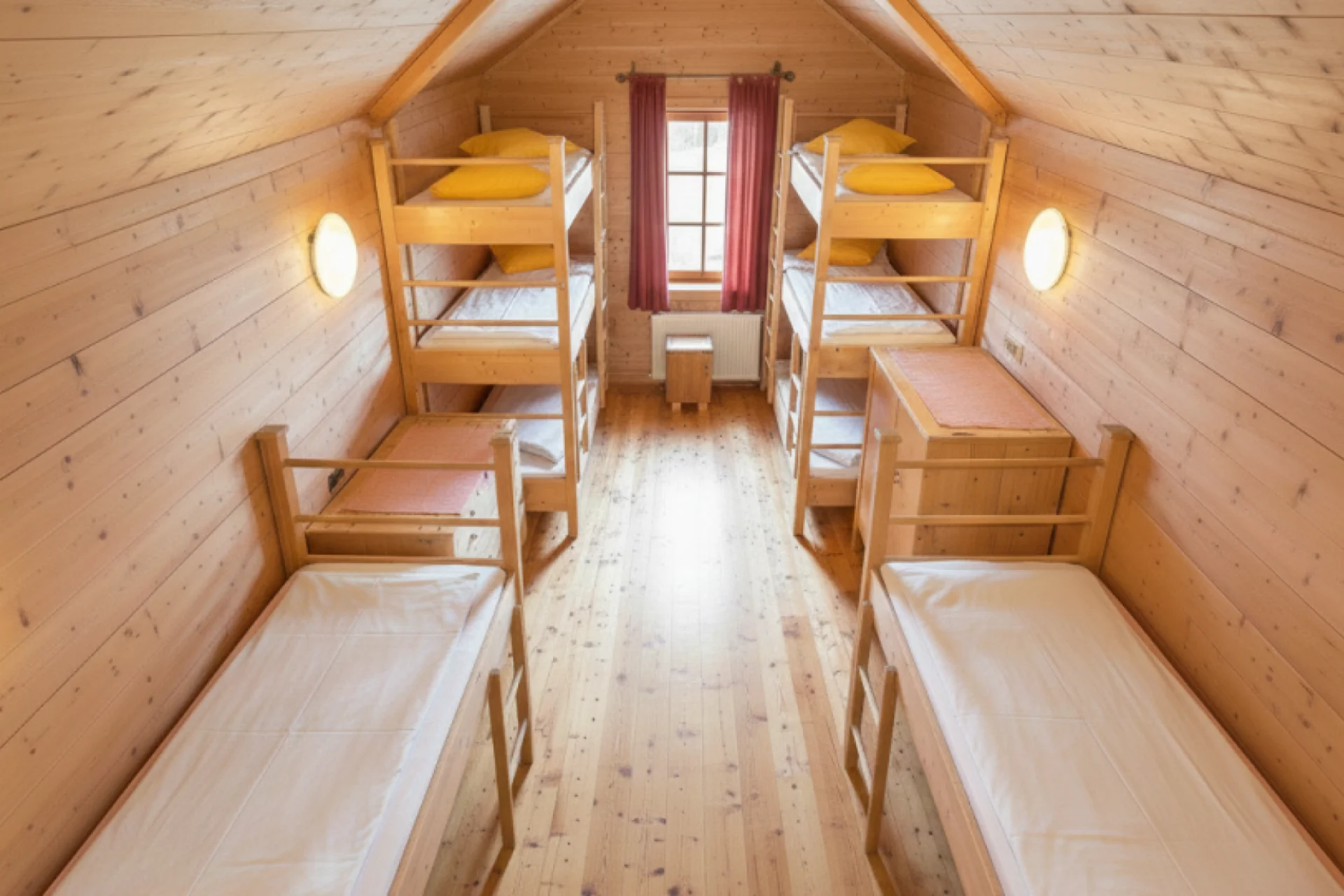
The atmosphere is communal and friendly, perfect for solo travelers or those who enjoy the social aspect of mountain life. Expect shared bathrooms down the hall and limited outlets for charging devices. Bring earplugs and an eye mask – you can thank me later!
Private rooms range from basic doubles to family rooms with 4-6 beds. Some rifugios offer ensuite bathrooms, while others still only have shared facilities down the hall.
These rooms book out fastest – and cost considerably more. Privacy and better sleep are often worth it if you can secure a spot.
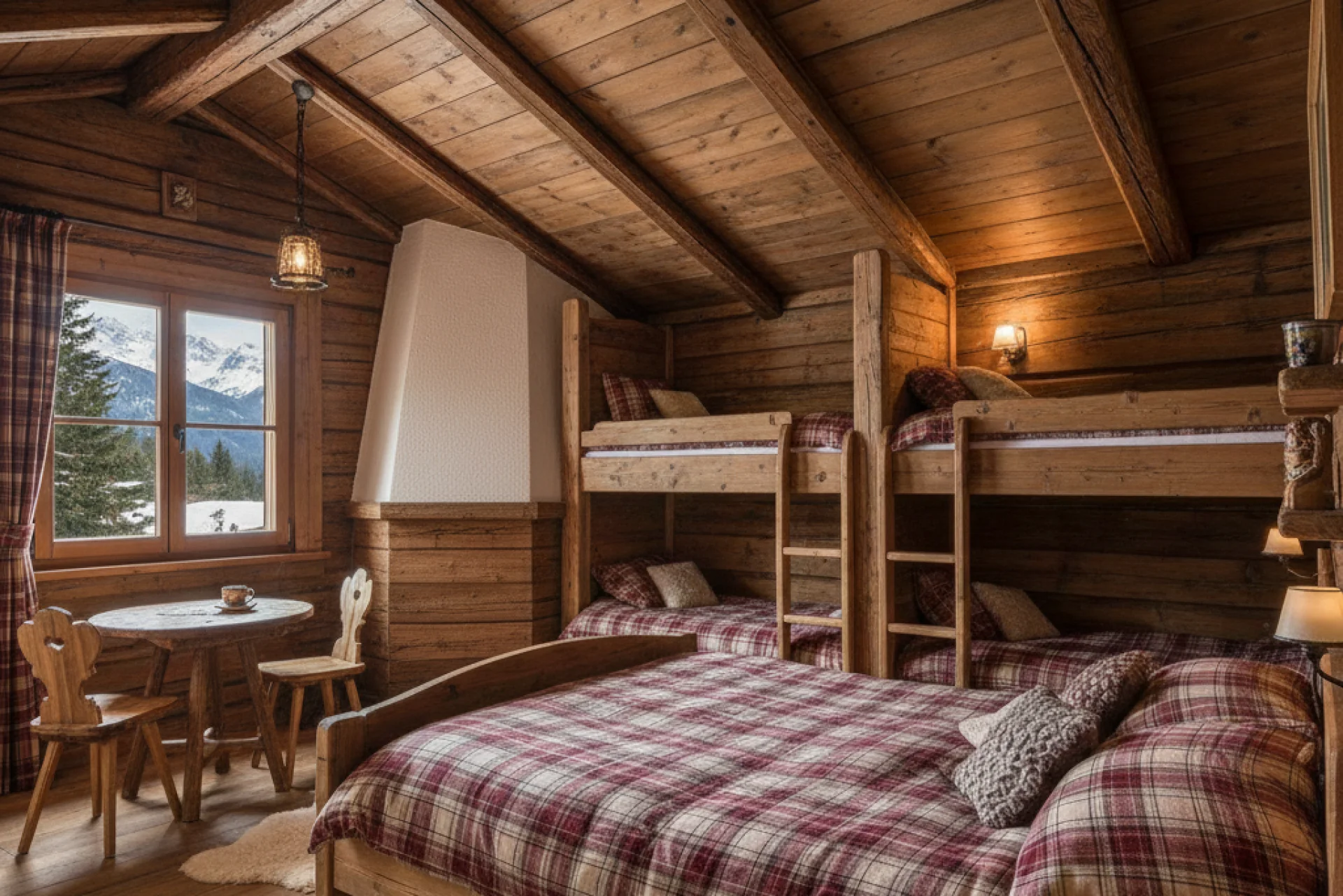
A sleeping bag liner is mandatory in dormitories for hygiene reasons. Private rooms sometimes have sheets provided, but not always! Blankets and pillows are also typically provided as standard in all room types, and some huts offer liner rentals for €4-5, but I always take my own. Check the details for your hut when you book so that you come fully prepared.
Showers, Slippers, and Drying Rooms
Let’s talk about the practical amenities that can make or break your rifugio experience. These aren’t the glamorous parts of mountain hut life, but knowing what to expect will save you surprises.
Hut slippers are mandatory at every rifugio – you’ll remove muddy hiking boots in the boot room before entering the dining area or sleeping quarters. Some huts provide communal slippers for guests, but these are often worn and frankly not very appealing.
I always pack lightweight sandals or flip-flops (Tevas or Crocs work perfectly). They weigh almost nothing and become your evening footwear for shuffling to bathrooms and dining areas. Trust me, you don’t want to navigate a dark hallway barefoot at 2am.
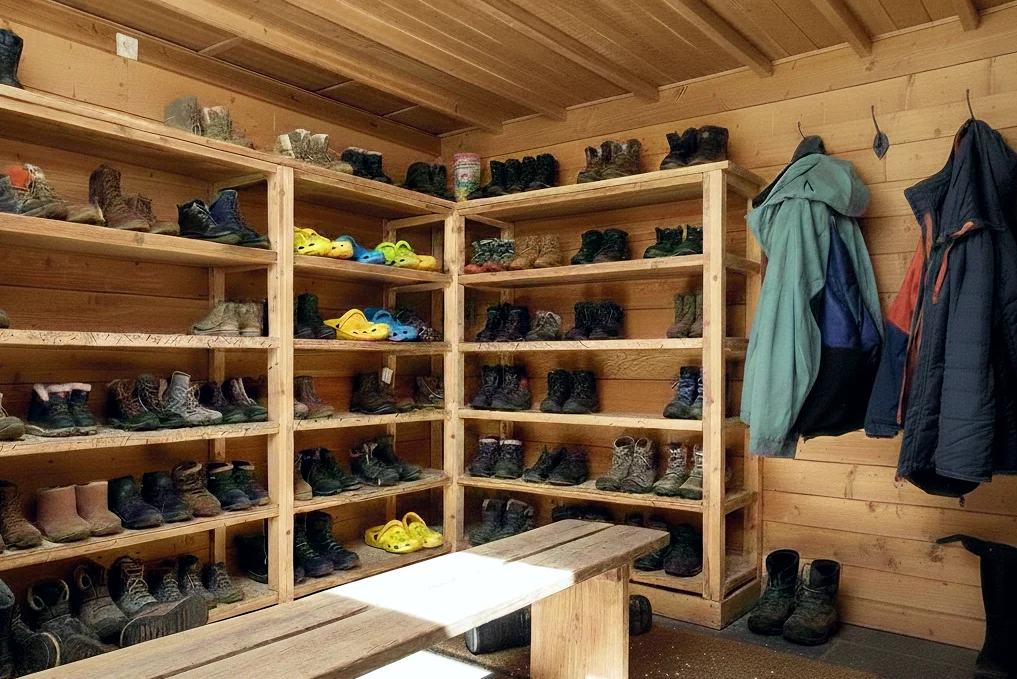
Drying rooms are one of the rifugio amenities you’ll appreciate most, especially if you’ve been caught in afternoon thunderstorms. Most huts maintain a warm, dedicated room with racks or lines where you can hang wet clothing, socks, and boots overnight. Some drying rooms even have boot dryers or heated racks specifically designed for hiking boots (similar to what you might have seen for ski boots).
Hot showers are available at most rifugios, and believe me, after a long day hiking where you’ve battled 800 meters of elevation gain, the joy of a hot shower will feel like a luxury. Expect to pay an extra €3-10 for a few brief minutes in a coin-operated or token-based shower. Speed and efficiency are crucial – this is no time to rinse and repeat.
Bring €1 and €2 coins, a quick-dry towel, and biodegradable soap. Remote rifugios powered by generators may restrict shower hours to conserve energy or only offer cold water.
Pro tip: When you arrive, grab a quick drink and then head straight for the showers – you’ll have first access to hot water before everyone else depletes it.
Food: Mountain Dining at its Finest
Maybe it’s just me, but after a day out on the mountain, sitting down to a steaming bowl of hearty goulash, or fresh canederli (bread dumplings with speck) tastes like the best meal I’ve ever had.
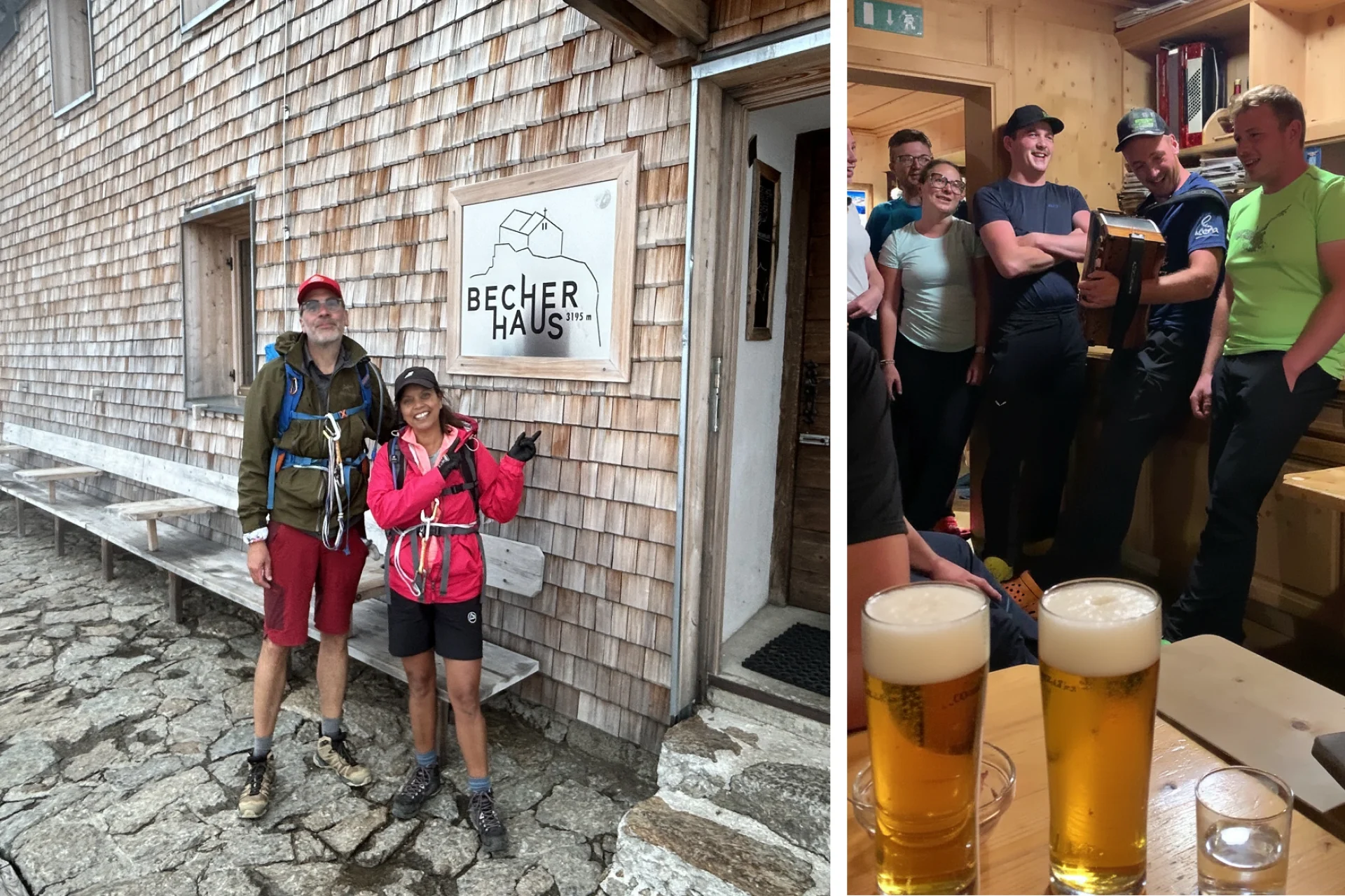
Add to that the communal dining and lively atmosphere of happy hikers, and you can see why the evening meal is one of the highlights of staying at a Rifugio. At a recent stay at Rifugio Bicchiere (Becherhaus) 3195m – we were even treated to an Austrian accordion player performing folk and dialect music. An evening of good food and live entertainment in an isolated mountain hut isn’t something I’ll forget in a hurry.
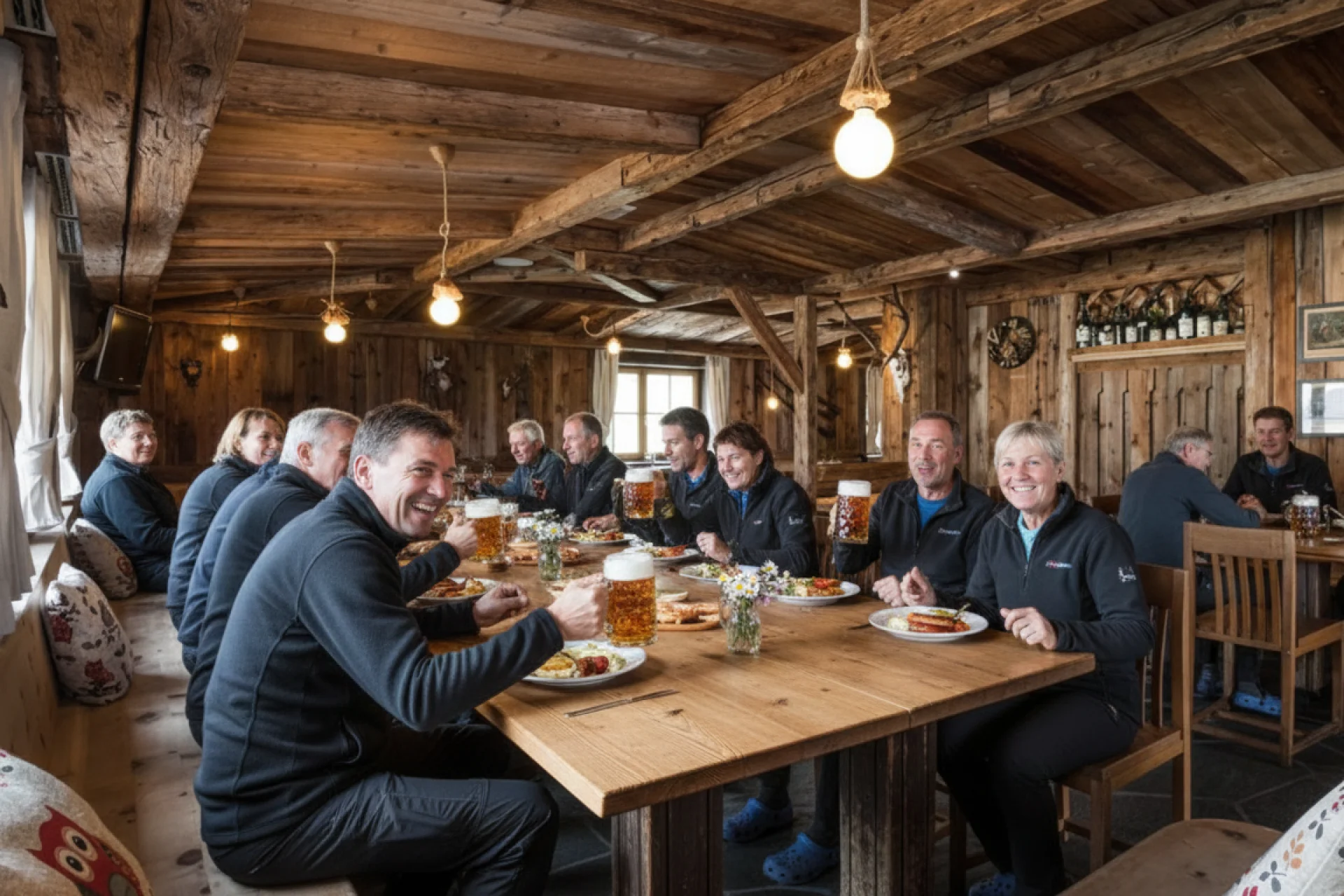
Most rifugios offer half-board: dinner and breakfast included with your room. Dinner is typically a three-course affair – soup, pasta or salad, a hearty main course showcasing local specialties, and dessert (often apple strudel or kaiserschmarrn).
The cuisine reflects the region’s unique blend of Italian, Austrian, and Ladin influences – expect to find Germanic dishes like speck and sauerkraut alongside Italian polenta and pasta. Portions are generous, and there’s always lots of bread if you need the extra carbs.

Breakfast is usually self serve and includes fresh bread, local cheeses, cold cuts, jams, yogurt, cereal and strong Italian coffee.
Pro Tip: Some huts offer packed lunches (pranzo al sacchetto) for purchase – useful for long hiking days where you need to make a quick pace and don’t have time to stop for a rifugio lunch.
Vegetarian options are standard (but simple) at most rifugios, and many accommodate gluten-free or dairy-free diets with advance notice when booking. Remote huts have limited supplies, so communicate dietary needs clearly upfront and consider supplementing with your own food.
Wine, beer, and bottled water are usually all extras and will be added to your tab.
Budgeting for a Rifugio Stay
Rifugio costs vary by location, amenities, and room type, but here’s what you can realistically expect to budget:
- Dormitory bed with half-board: €50-€90 per person per night. Basic mountain huts lean toward the lower end, while popular, remote, or well-appointed rifugios charge more.
- Private rooms with half-board: €90-€130+ per person per night.
- Add-Ons: €10-€30 per day for hot showers (see above), drinks and snacks, tourist tax, and laundry service (available at some rifugios).
Pro Tip: Bring sufficient cash in euros – many rifugios accept only cash, and card machines are unreliable at high altitude. There are no ATMs in the mountains!
The costs can soon start adding up on a week-long hike. So you should consider joining the Italian Alpine Club (CAI) for savings at CAI/AVS-owned huts. Membership also includes mountain rescue insurance.

Booking: The Part Nobody Warns You About
I’ll be honest – booking rifugios can be tedious. There’s no centralized system, and most huts operate independently with their own process: some have online forms, others require an exchange of emails or calling during specific hours. It’s all part of pulling together your itinerary, but it tests your patience.
When to Book
Timing is everything. Rifugios typically operate for summer hiking between mid-June and mid-September, with reservations opening in September or October for the following summer. Popular routes like Alta Via 1 book out 5-6 months ahead for peak season (July-August).
Want to stay at the best rifugios? Start booking 5-6 months ahead.
How to Book
The booking process is old school: Google the rifugio name, find their website, and look for a booking form or contact information.
Often, you’ll need to send an email (basic English is understood at most huts, and you can use Google Translate to help the process along). Include all your details, preferences, and any dietary needs. Don’t expect instant confirmation – responses can take a while, especially in the off-season. Booking confirmation is complete once you pay the deposit.
Honestly? The booking logistics can be overwhelming, especially when planning multi-day treks with multiple different huts along the route. It’s common for hikers to find space at six huts, only to have one hut be totally booked out. All the time spent planning is wasted, and you have to start again with different dates or a new route.
That’s where our self-guided hiking tours shine – we handle all rifugio reservations, coordinate your entire route, provide detailed daily itineraries, and we offer 24/7 support if plans change due to weather or injury.
You get the independence of hiking at your own pace with the peace of mind that everything’s arranged professionally. For those seeking even more support, our guided multi-day hiking tours include certified mountain guides who handle navigation, safety decisions, and all logistics while you focus purely on the experience.
The Best Rifugios for Unforgettable Experiences
Not all rifugios are created equal. While every hut offers its own charm, some stand out for specific reasons. Here are my top picks
Best Rifugio for Views
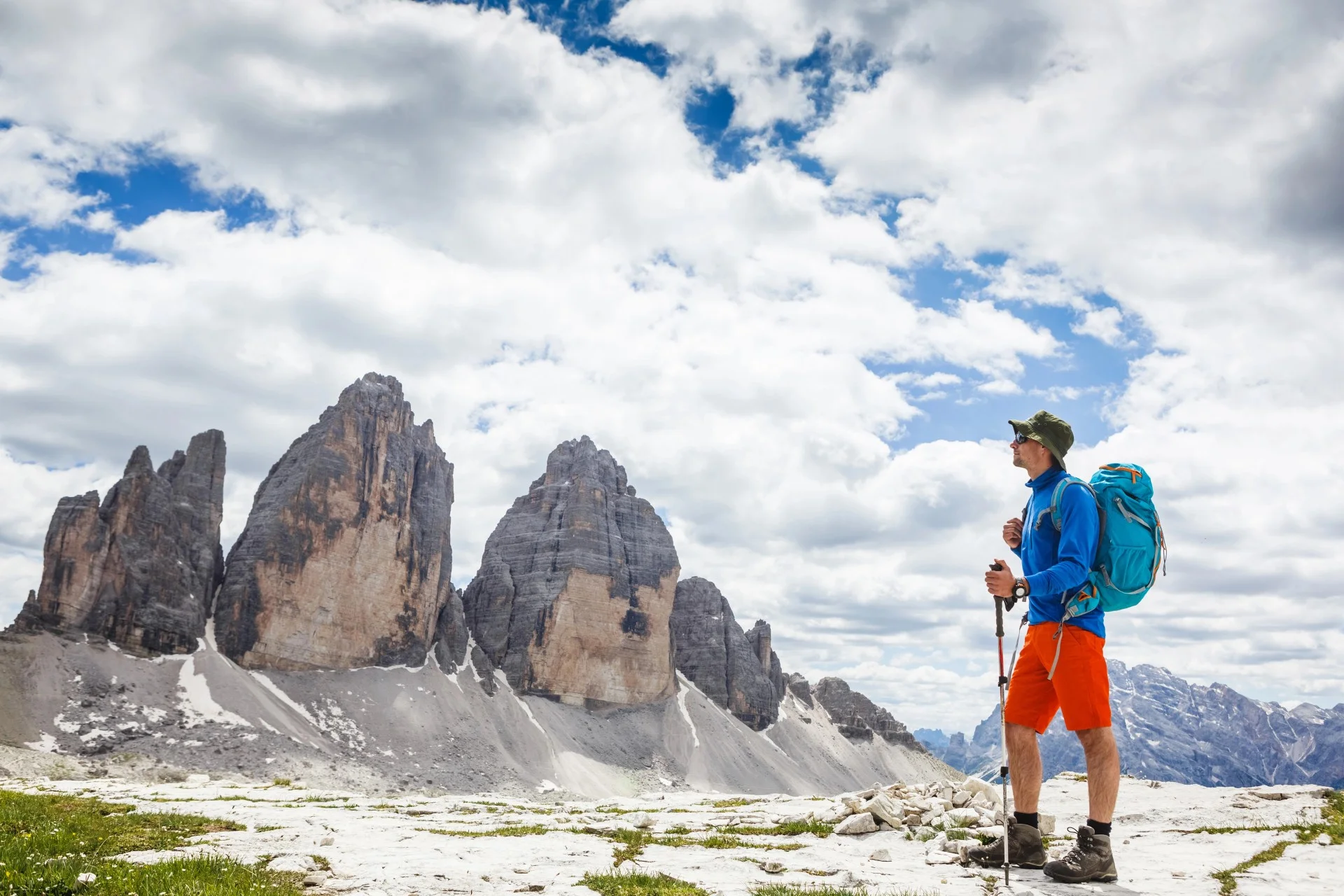
Rifugio Lagazuoi (2,752m) sits perched just a short distance from the summit of Lagazuoi mountain, and is accessible by cable car or foot.
The 360-degree panorama from its terrace is described by visitors as feeling like “sitting on the edge of the world”. You’ll be mesmerized by a vast landscape of peaks, including Cime di Fànes, the Tofane, the Odle, and the majestic Marmolada. Watching sunset paint the Dolomites in shades of gold and pink is genuinely unforgettable.
This rifugio is usually included in the Alta Via 1 hike, where guests have a full evening to soak in those views after the day hikers depart via cable car.
Best Rifugio for Food
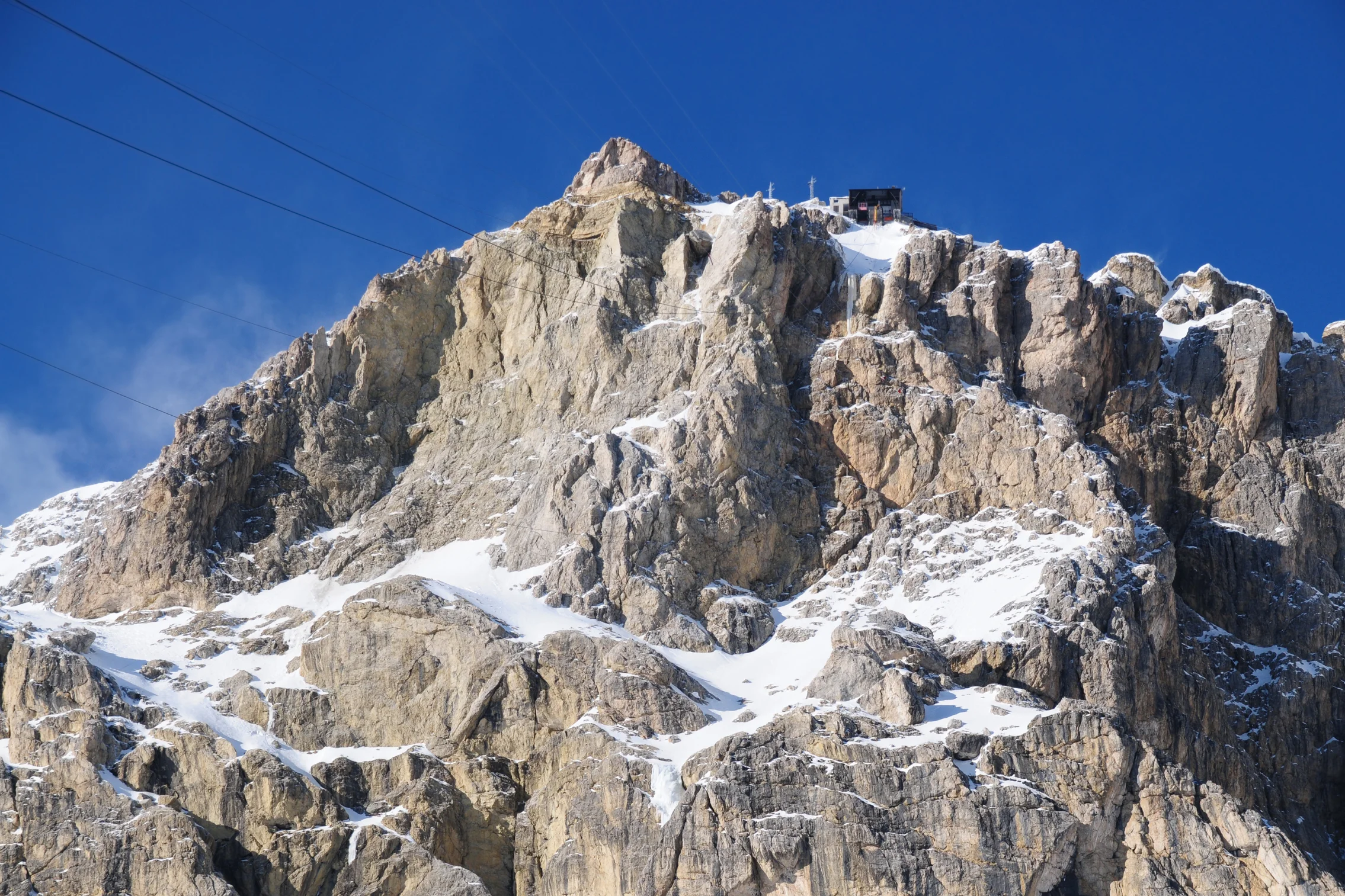
Rifugio Averau (in the Cinque Torri) near Cortina d’Ampezzo, has earned recognition from the British newspaper, The Sunday Times, as one of the ten best restaurants in the Alps. At 2,752 meters, this rifugio serves exceptional cuisine that goes beyond typical mountain fare – think refined local dishes paired with excellent wines.
The restaurant is accessible from the Fedare chairlift (at Giau Pass).
Best Rifugio for Easy Access
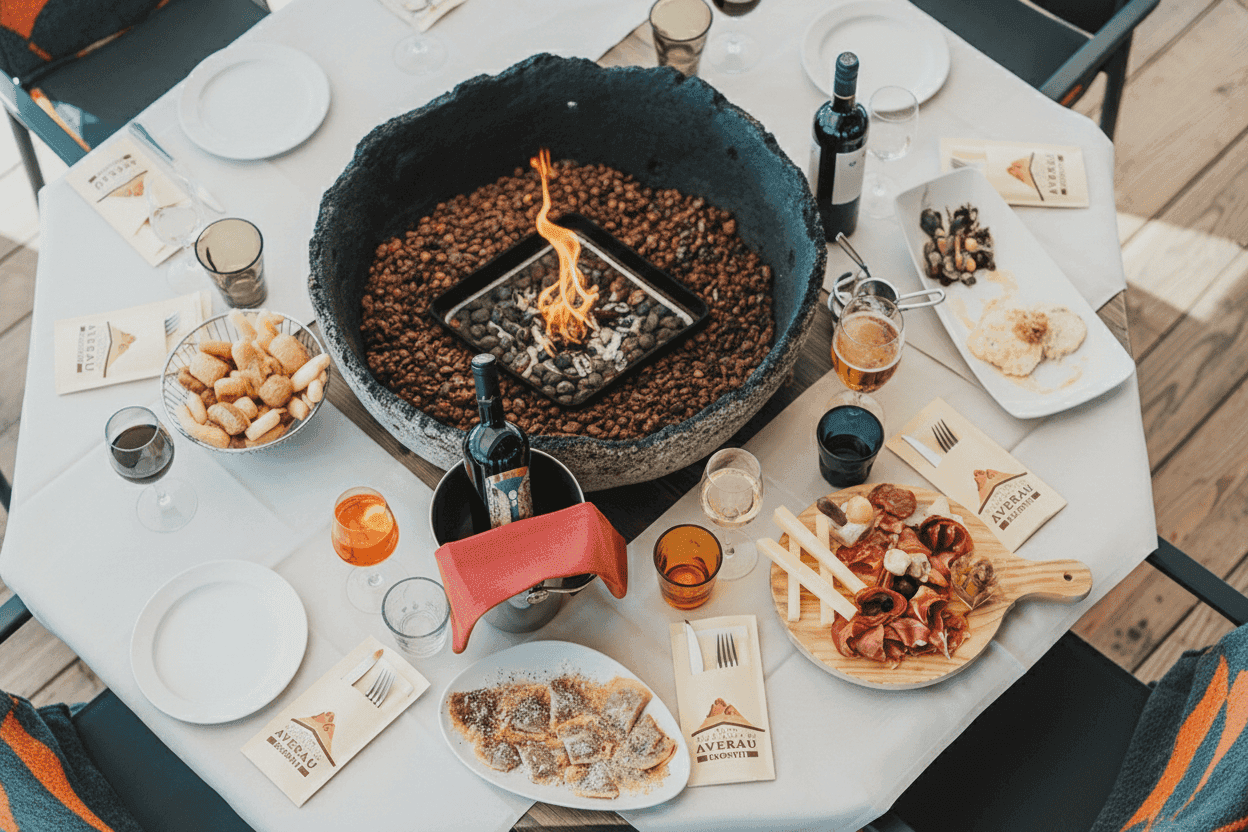
Baita Sofia (2,410m) at the top of Seceda offers the enticing combination of spectacular location and easy access – you can reach it by cable car direct from the town of Ortisei.
The panoramic terrace serves excellent Tyrolean specialties and renowned wines, making it perfect for a gourmet mountain lunch without the multi-hour hike.
Most Iconic Rifugio
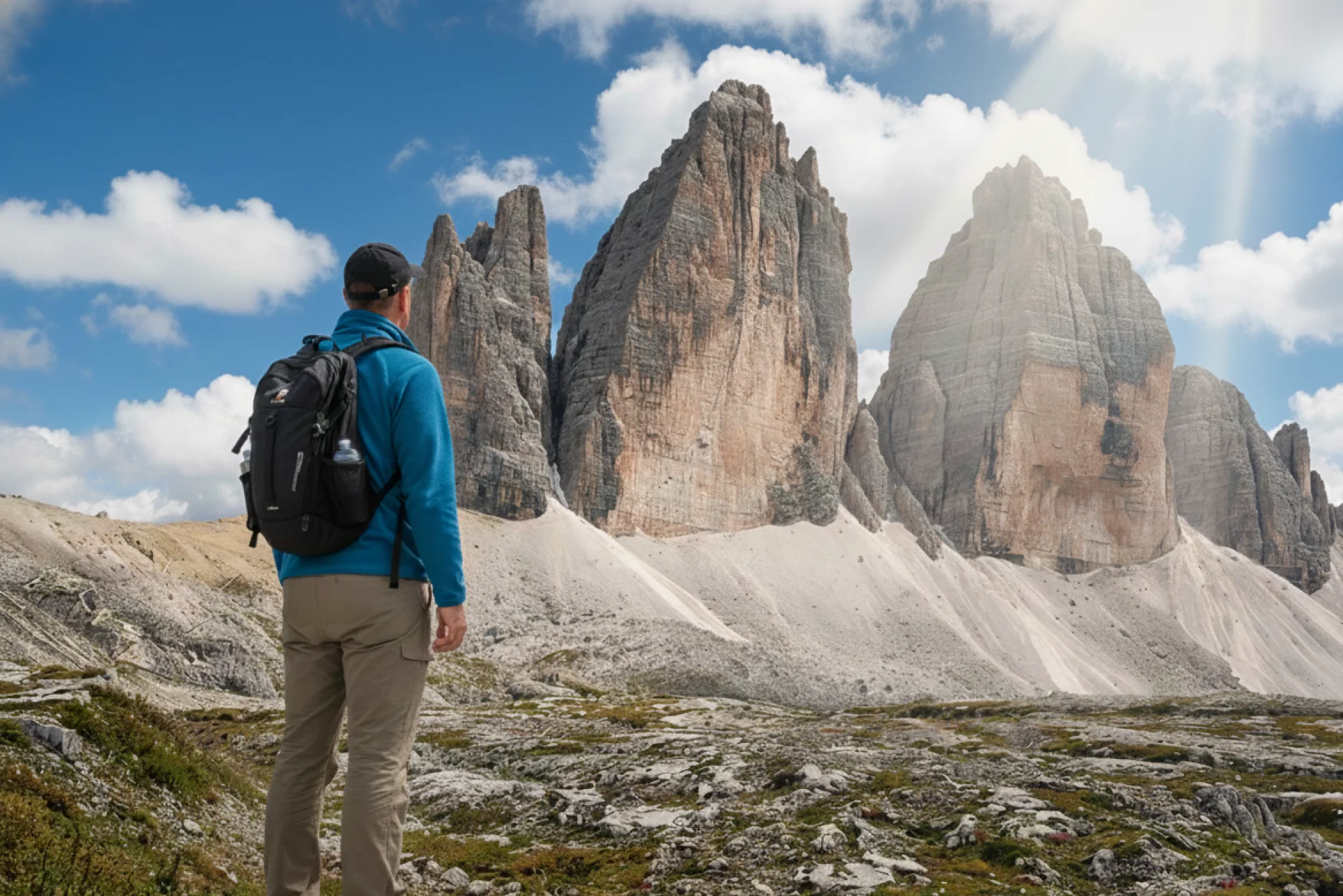
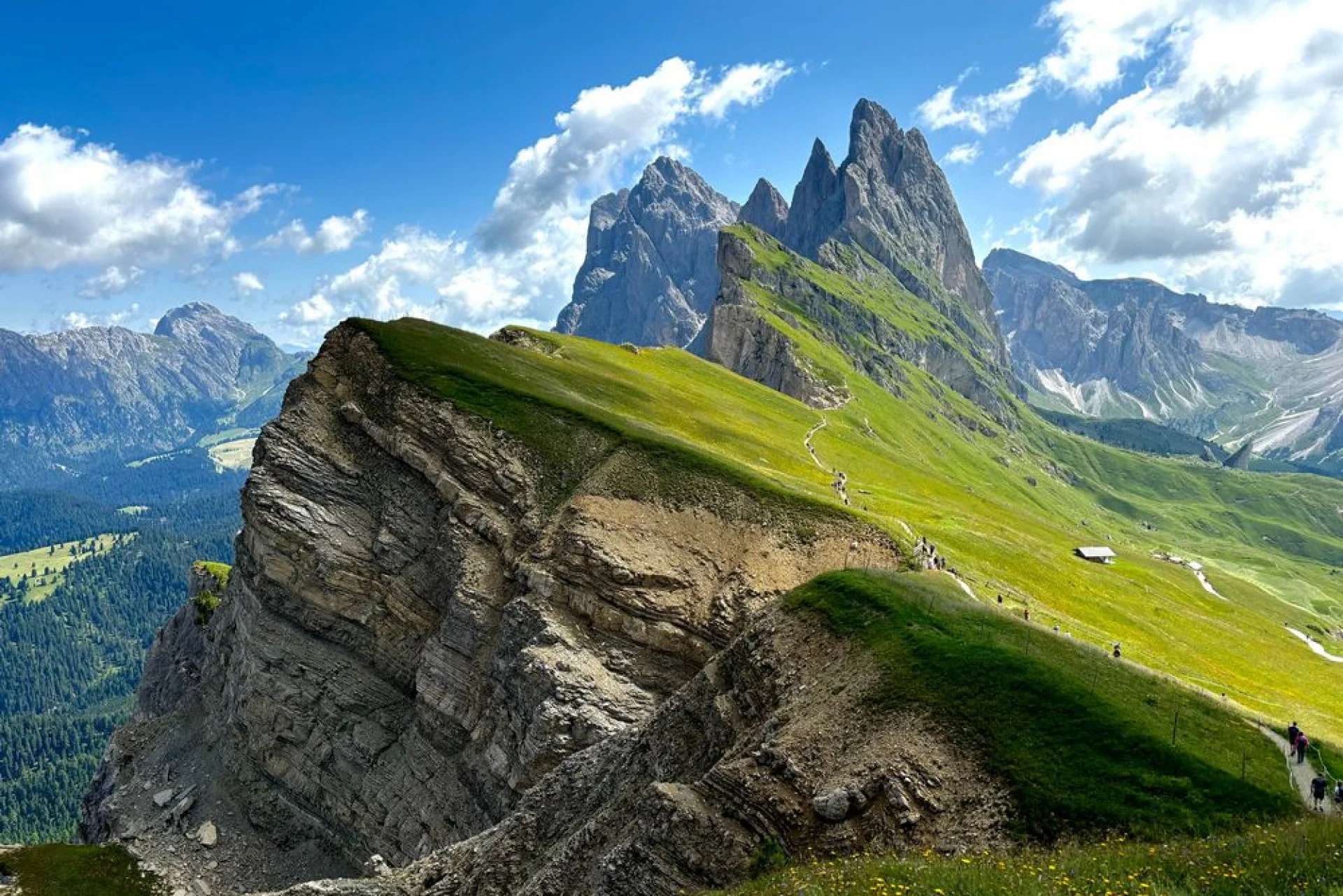
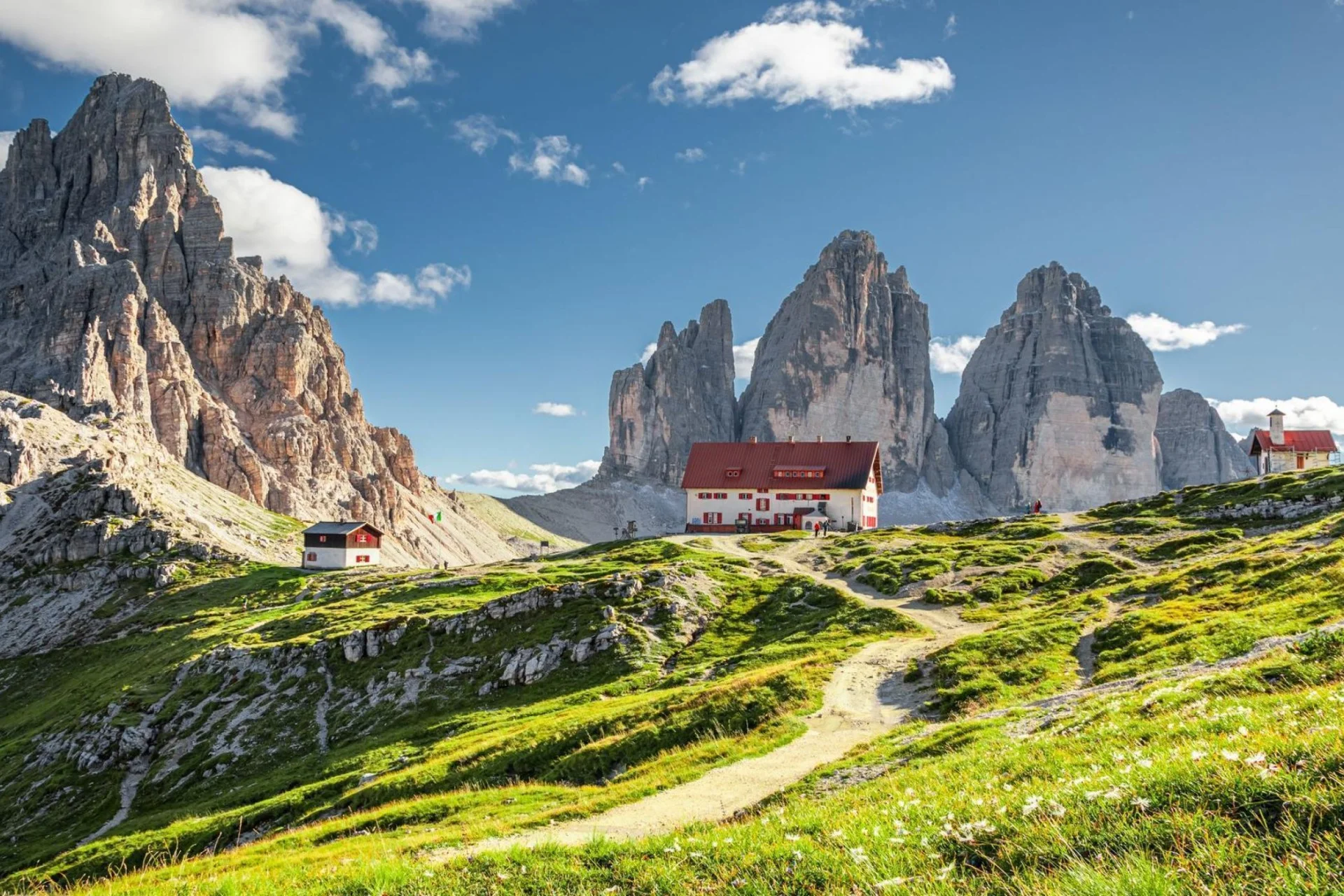
Rifugio Locatelli (Dreizinnenhütte, 2,405m) is arguably the most famous mountain hut in the Dolomites, offering front-row views of the legendary Tre Cime di Lavaredo (Three Peaks).
Yes, it gets VERY crowded during the day, but staying overnight means you’ll witness sunrise and sunset on those iconic spires with far fewer people around. The view from this rifugio is the highlight of the Tre Cime loop hike, where you’ll also have the opportunity to visit WWI bunkers, caves, and a couple of mountain chapels. The surrounding trails and vistas also offer more to see.
Highest Rifugio in the Dolomites
Rifugio Capanna Fassa sits at 3,152 meters on the summit of Piz Boè, the tallest peak in the Sella Group. The hike to reach it is challenging, but sleeping literally on top of a mountain with 360-degree views is an experience few forget.
In case you were wondering, Rifugio Bicchiere (mentioned earlier) sits higher at 3195m, but isn’t officially in the Dolomites!
Best Rifugio for Apple Strudel
According to locals and returning visitors, Rifugio Comici serves what many consider the best apple strudel in the region – warm, flaky, perfectly spiced, and served with vanilla cream or ice cream. Located at the foot of Sassolungo, this rifugio combines excellent food (including a surprising menu of seafood) with beautiful terrace views of the Sellaronda route.
You can reach the rifugio on foot; it’s an easy 40-minute hike from the Sella Pass.

Getting the Most from Your Rifugio Experience
A few practical tips will transform your rifugio stays from good to great. Here are my top tips
- Bring a headlamp for nighttime bathroom trips.
- A phone power bank will also prove useful since charging outlets are limited.
- Embrace the communal dining experience. Sitting at long tables with hikers from around the world is part of rifugio culture, and you’re expected to interact and share your adventure.
- Respect quiet hours (usually between 10pm and 7am) – remember everyone’s tired from hiking.
If you’re planning your first hut-to-hut trek, our “What to pack for a mountain hut stay in the Dolomites” is based on our real-life experience and will help you feel fully prepared for your adventure.
Your Mountain Home Awaits
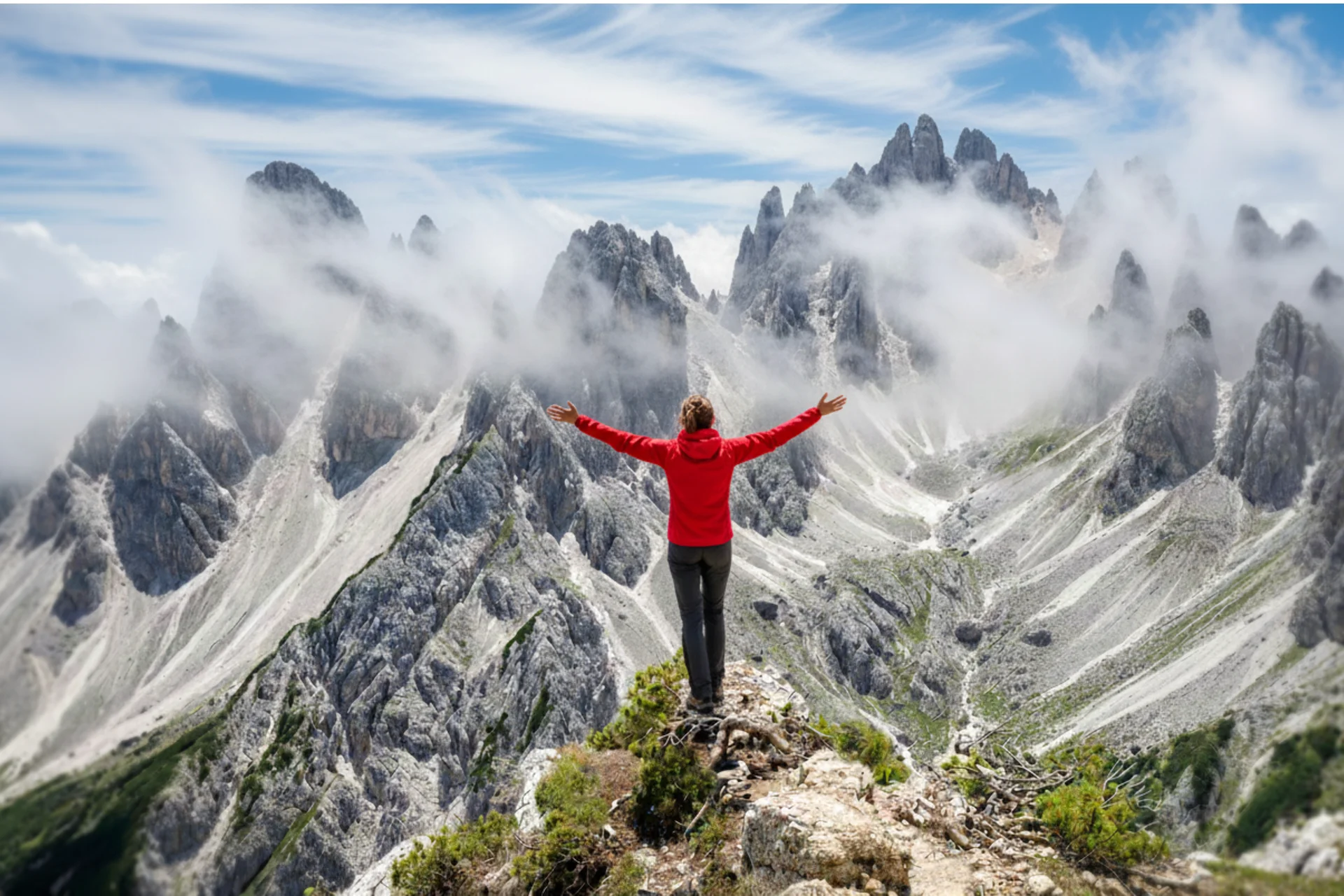
Staying in rifugios transforms Dolomites hiking from a daytime activity into a full mountain immersion. Once you successfully secure a reservation, the slight inconvenience of shared facilities and the inherent communal atmosphere give way to a unique experience: a direct and immersive engagement in the very heart of these spectacular mountains.
Ready to start planning your rifugio adventure? For comprehensive trail information and route planning, explore our ultimate guide to hiking in the Dolomites.
When you’re ready to turn those plans into reality without the booking stress, check out our range of self-guided and guided hiking tours – we’ll handle the logistics so you can focus on the adventure that drew you here.
See you in the mountains.


View Posts By Topic
FAQ
Most rifugios provide blankets and pillows. However, you must bring a sleeping bag liner. Liners are lightweight, pack small, and some rifugios charge €4-5 if you need to rent one. Private rooms occasionally provide sheets, but a liner is still recommended.
For peak season (July-August) on popular routes like the Alta Via 1 and Alta Via 2, start booking 5-6 months in advance – ideally in January for summer hiking.
Less popular routes or shoulder season (June and September) offer more flexibility, but 3-4 months ahead is still wise. If you’re booking last minute, check frequently for cancellations, especially at larger rifugios.
WiFi is rare at rifugios – some offer it, but it’s often slow or unreliable.
Cell service varies dramatically by location: popular, easily accessible rifugios may have decent coverage, while remote huts may have none. This can be considered part of the experience – embrace disconnecting from the digital world.
Download offline maps before your trek, bring a power bank for charging, and let friends/family know you’ll be out of contact.
Emergency communication is available through rifugio staff if needed.
Dealing with bad weather is part of mountain life. Don’t panic. Speak with rifugio staff about extending your stay – they understand mountain weather and will try to accommodate you. They will help you find a solution. It’s wise to carry extra cash for unplanned route changes or extra nights accommodation.
If you’re on one of our self guided tours, contact our 24/7 support line – we’ll help rearrange subsequent bookings and provide alternative route options.
Yes, all rifugios provide electricity for free charging of devices, though availability of plugs may be a problem. Therefore, it’s sensible to bring a fully charged power bank. Start each day with full batteries.
Pro tip: On longer group hikes, it’s good practice for one person to turn off their phone. So that you always have at least one fully charged phone.