
If you love long-distance mountain trekking, the Dolomites Alta Via routes are some of Europe’s most rewarding multi-day adventures. These high trails link dramatic passes, remote rifugi, and wide-open viewpoints that seem to change with every turn.
Whether you’re planning your first Dolomites Alta Via trek or you’re returning to tackle a new section, this guide gives you a clear, trustworthy overview of the Top 5 Alta Via routes, how they differ, and how to choose the right one for your fitness and hiking style.
Experience that matters: As a Dolomites-based tour agency, all information here is compiled based on our practical experience on the Alta Via and has been verified with certified UIAGM/UIMLA mountain guides who have decades of collective experience leading treks on every Alta Via route.
For more details on planning your hike, take a look at our Ultimate Guide to Hiking in the Dolomites.
What is the Dolomites Alta Via?
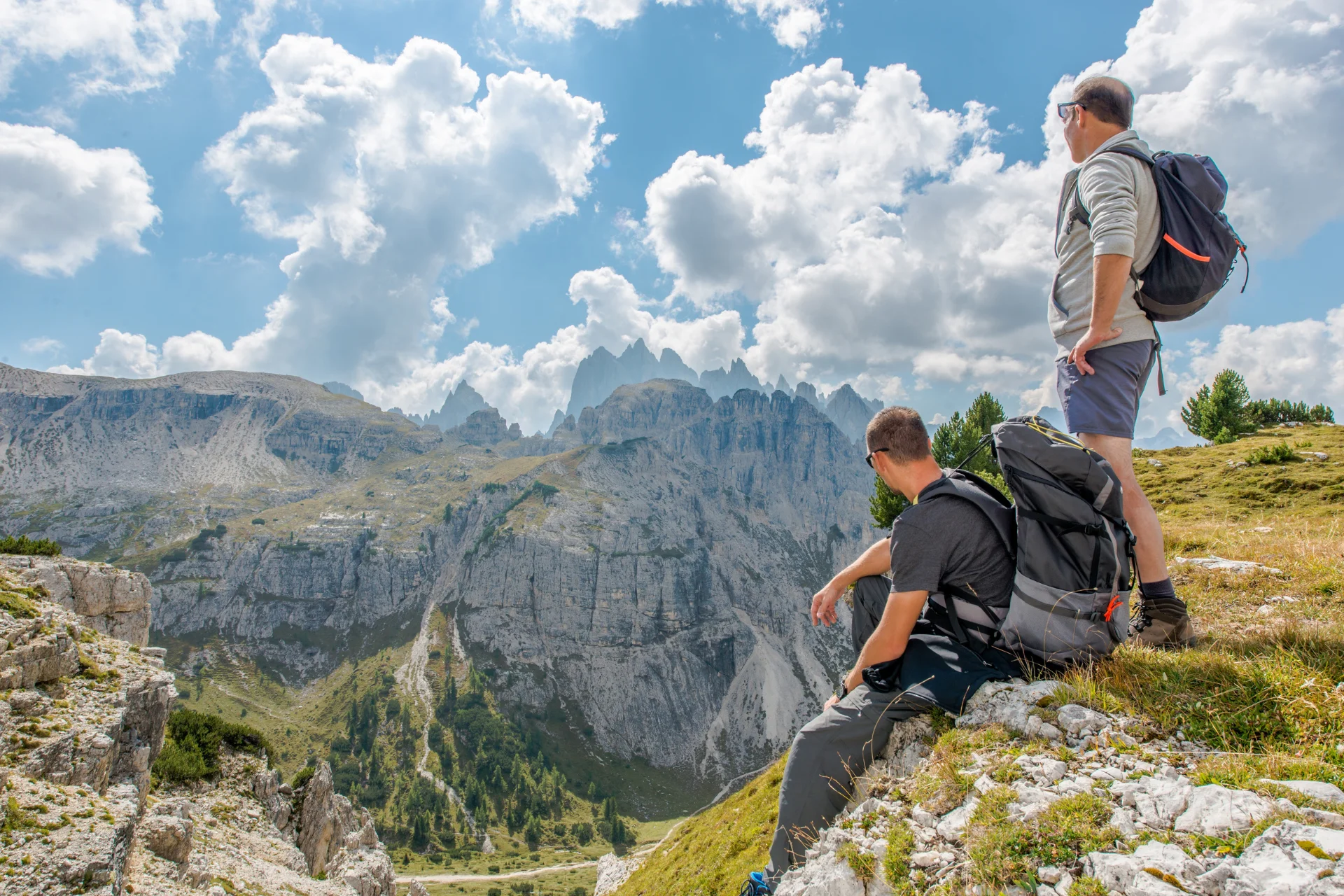
The term Alta Via means “High Route,” and it describes a network of long-distance trails that cross the Dolomites from north to south. There are 10 Alta Via routes in the Dolomites, each with its own personality, level of challenge, and geological character – from gentler scenic paths to rugged high-altitude terrain.
These routes often traverse areas of incredible geological importance, recognized globally for their dramatic beauty and unique composition as a UNESCO World Heritage Site.
If you’re new to multi-day trekking, you may want to read more about backpacking in the Dolomites, or browse our guide to the best hiking trails in the Dolomites for a broader overview of what makes this region ideal for mountain walking.
Dolomites Alta Via 1 to 5: A Quick Comparison
Alta Via 1: The Classic Dolomite Journey
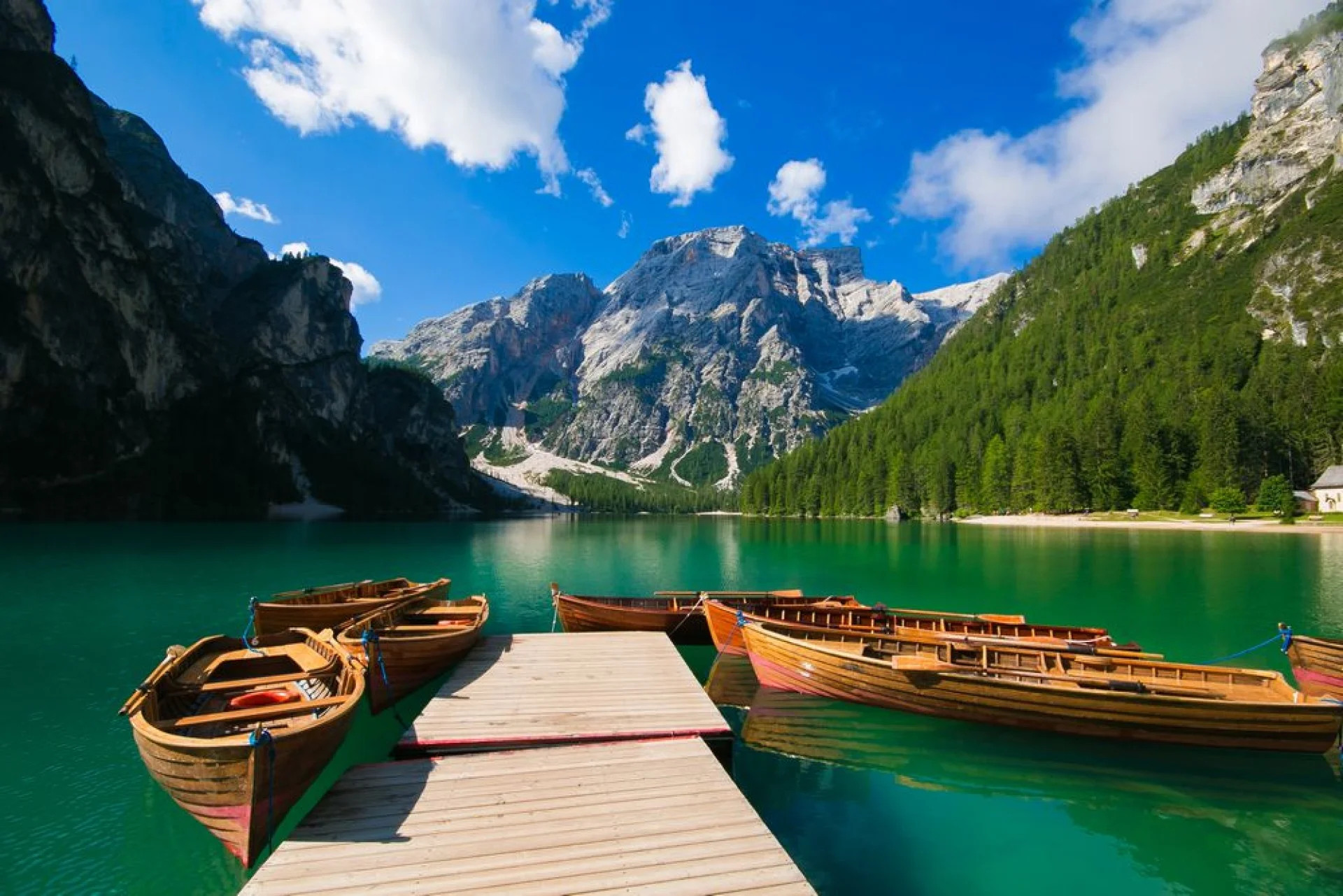
Alta Via 1 is often regarded as the most accessible of the major routes. It’s well waymarked, has regular rifugi, and features many of the landscapes people dream of when they picture the Dolomites, including wide valleys, dramatic cliffs, turquoise lakes, and rolling alpine meadows.
You’ll pass landmarks such as Lago di Braies, Fanes, Cinque Torri, and Monte Civetta, as well as some sections that feel remote and otherworldly.
Key Stats:
- 120 km route
- Typically requires 10 to 12 days, (depending on your fitness and pace)
- Elevation gain 7,300 m / Elevation loss 8,300 m
- Moderate difficulty
Of the Alta Vias, it is the ideal choice for a first hut-to-hut experience with over 80 accommodations (huts, B&Bs, chalets) available along the route.
Travel Tip: The Alta Via 1 is extremely popular, and accommodation gets booked months in advance. It’s not unheard of for huts to be booked out a year in advance.
Our guide to backpacking in the Dolomites breaks down how to plan a multi-day hike, what to take with you, and how to stay safe.
Dolomites Alta Via 2: The High Route of Legends
Alta Via 2 is a spectacular hike and AV1’s more challenging sibling. The trail is longer, steeper, wilder, and more remote in sections. You’ll move through dramatic terrain, including the Puez-Odle mountains, parts of the Sella Massif, and the immense Pale di San Martino range.
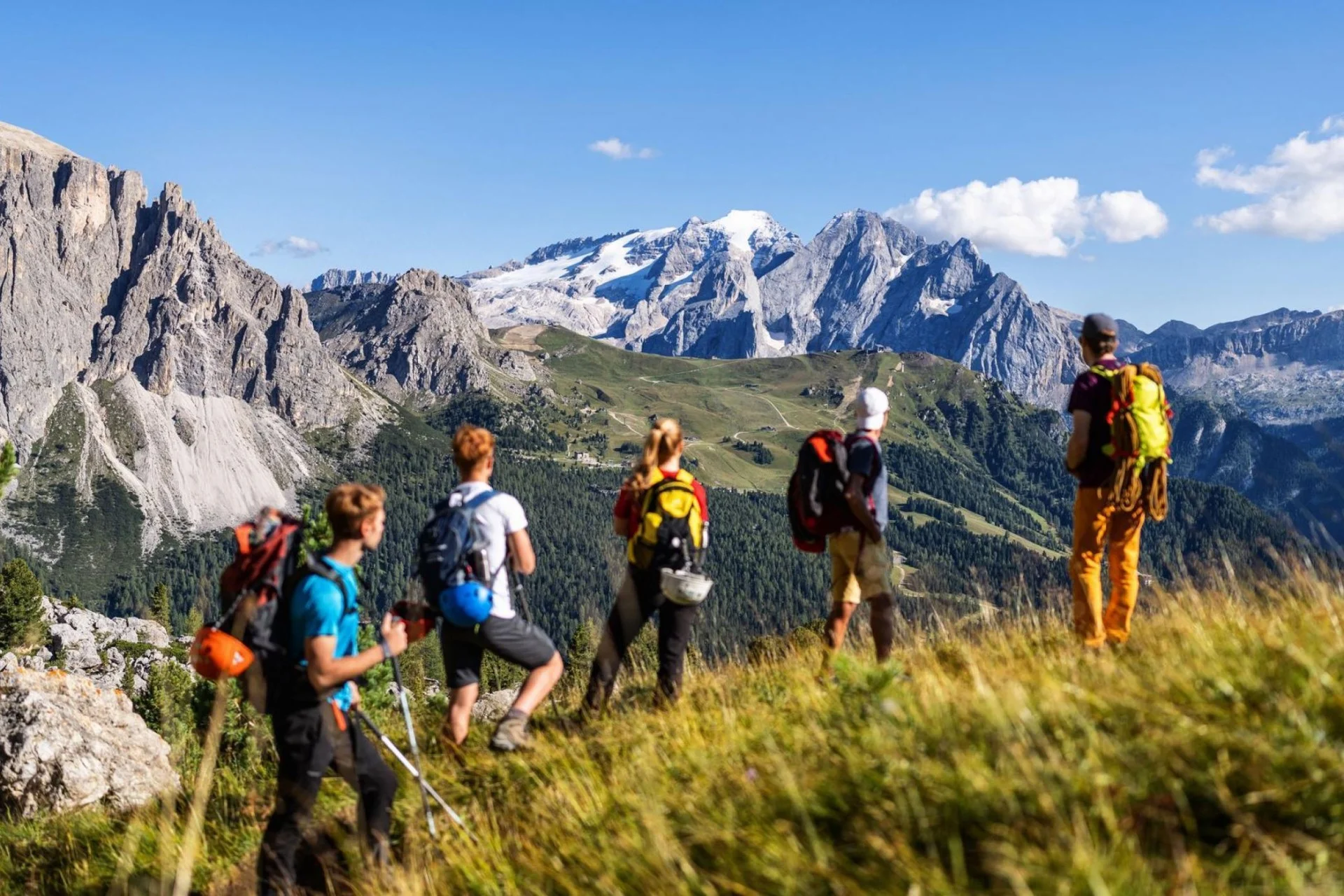
This route suits experienced hikers who already feel comfortable with long days, exposed paths, and via ferrata sections.
For those unsure of their skills, joining one of our guided group tours is the safest and most efficient way to navigate the more rugged and physically demanding routes.
Key Stats:
- 160 km route
- Typically requires 10 to 14 days (depending on your fitness and pace)
- Elevation gain 11,300 m / Elevation loss 11,200 m
- Moderate to challenging difficulty


Dolomites Alta Via 3: The Chamois Route
The AV3 is often referred to as the “Way of the Chamois”. It is significantly more demanding than both AV2 and AV1 and requires technical skills.
Route highlights include the Croda Rossa massif, Monte Cristallo, Lago di Sorapis, and Fanes-Sennes-Braies Nature Park.
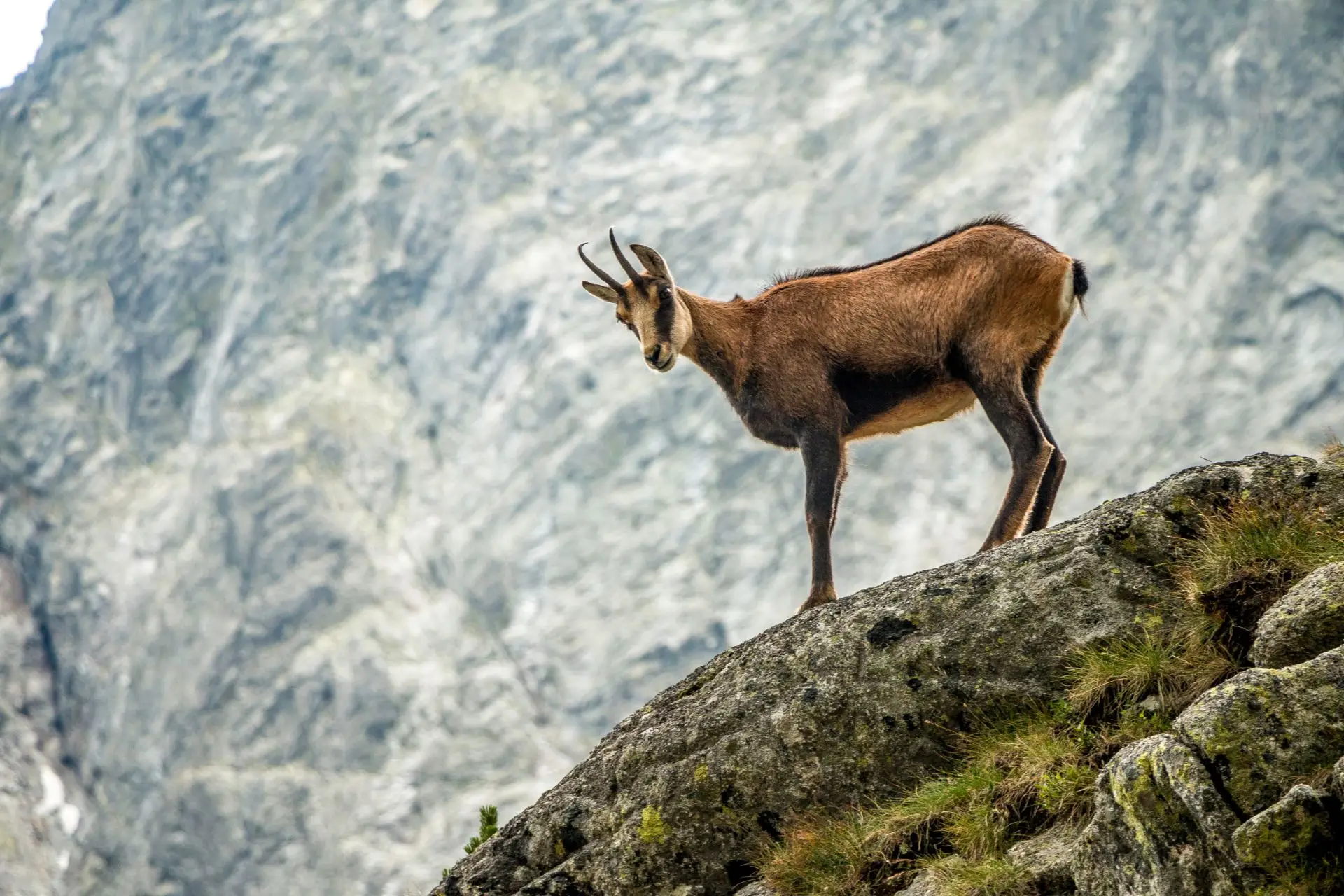
It includes numerous via ferrata sections that require technique, strength, and comfort with extreme exposure. As well as sections of scrambling on loose rocks (hence the name). This route is only suitable for seasoned mountaineers with proper gear and a head for heights.
Key Stats:
- 100 km route
- Typically requires 8 to 10 days
- Elevation gain 6,200 m / Elevation loss 6,800 m (route variations are available)
- Advanced and technical specialized difficulty
Dolomites Alta Via 4: The Great War Route
The AV4 runs from San Candido (South Tyrol) to Pieve di Cadore (Veneto) and is strongly linked to the history of the First World War, and you will pass by WWI Tunnels and Fortifications.
While it offers stunning views of the Marmolada glacier, Lago di Sorapis, and Tre Cime Lavaredo, there are sections that are remote, requiring advanced mountaineering and navigation skills, and technical skills for via ferrata.
Key Stats:
- 100 km route
- Typically requires 6 days
- Elevation gain 4,500 m / Elevation loss 4,500 m (route variations are available)
- Advanced – expert difficulty
Dolomites Alta Via 5: The Tiziano Route
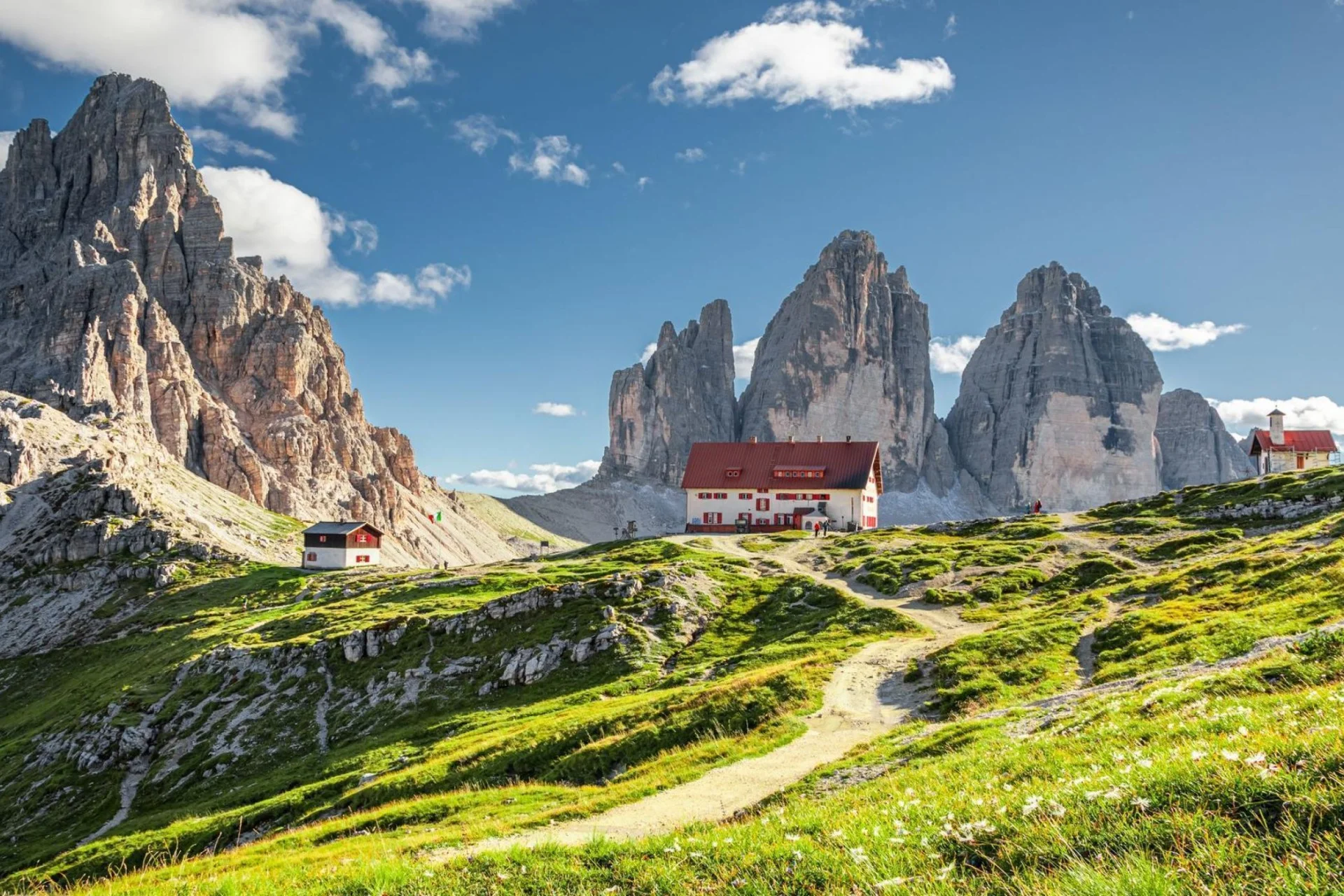
Running through the eastern Dolomites, AV5 is one of the least trodden routes. It is very remote, features high-level unmanned shelters known as bivouacs (bivacco in Italian), and requires advanced navigation skills.
It is highly demanding and recommended only for experienced trekkers who have via ferrata experience and are entirely self-sufficient in alpine environments. This route should be tackled with caution!
Key Stats:
- 90 km route
- Typically requires 7 days
- Elevation gain 5,700 m / Elevation loss 6,100 m (route variations are available)
- Expert difficulty
Alternative Multi-Day Hikes
The Alta Via routes in the Dolomites are a bucket-list experience, and spaces on guided and self-guided options book out early. If your desired dates are already full, a great alternative is the Six Peaks Hut-to-Hut Trek that features the most scenic section of Alta Via 2 through six distinct Dolomite ranges.
Or, if you prefer a different challenge, we offer other exceptional hut-to-hut options that deliver iconic, dramatic scenery and an authentic rifugio experience.
Not sure whether self-guided hiking is right for you? Our article on self-guided Dolomites hiking covers what it really looks like in practice – from rifugio culture and hiking freedom to what a supported trip includes and where its value lies.
Explore our range of Dolomites Self-Guided Hut-to-Hut Tours. These are highly sought-after multi-day packages that cover all logistics, from hut reservations to route maps, giving you a seamless, unforgettable experience in other stunning regions of the Dolomites.
Planning for the Alta Via
Hut-to-Hut (The Rifugio System)
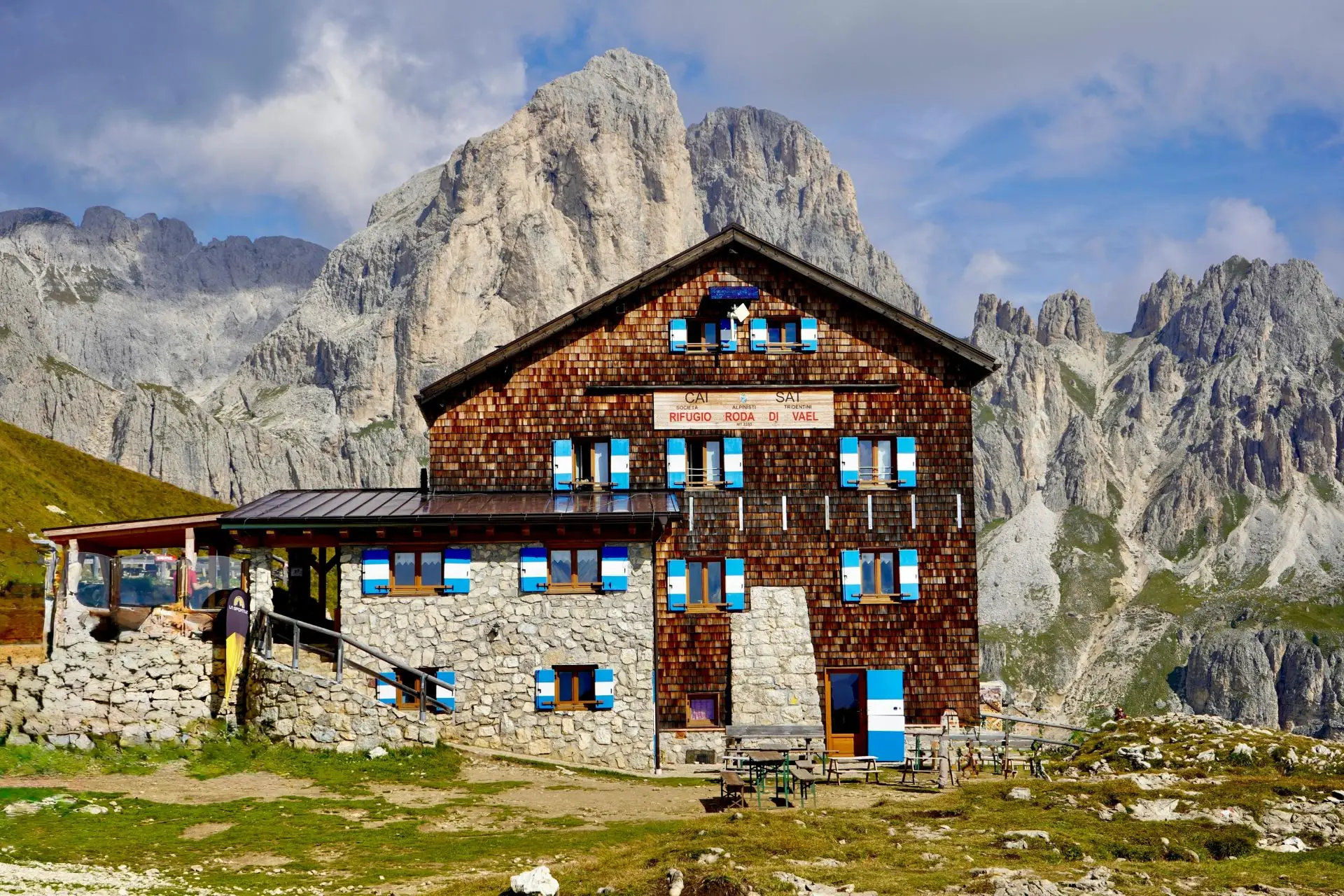
The cornerstone of the Alta Via experience is the stay in Rifugios (mountain huts). These are not rustic shelters but staffed, full-service lodges offering food, drinks, beds, and showers, allowing you to hike with a light pack.
Seasonal Considerations: The huts are open from mid-June to the end of September, but the optimal season for trekking is July to mid-September, and what you wear shifts considerably across those months.
What to Bring: A sleeping bag liner(or ‘sleep sack’) is mandatory at nearly all huts for hygiene purposes. You must bring your own, as the hut blankets and pillows are shared.
Travel Tip: I also recommend packing a pair of flip-flops, an eye mask, and earplugs!
Booking is Mandatory: The Alta Via routes, especially AV1, are incredibly popular. Turning up without a booking would be madness!
Find more details on staying at a rifugio in our Guide to the Rifugios of the Dolomites.
Planning Each Day
Effective daily planning is key to enjoying your trek without overexerting yourself. Your days will generally start early, with a chance to fill up on breakfast at the hut, and will finish late in the afternoon.
Food on the Trail: Thankfully, you don’t need to carry a week’s worth of food. Purchase a packed lunch (pranzo al sacco)from your rifugio each morning (€10-€15) or stop at a rifugio along your route for a warm lunch.
Average Distance: Aim for an average of 10 to 15 kilometers (6-9 miles) of walking per day. This distance allows for significant elevation gain and loss, which is the real challenge in the Dolomites. A typical hiking day will involve 5 to 8 hours of walking time, including breaks.
Maps & GPS: Use your maps to plan your daily. Even though many of the trails (and rifugios) are well marked, the mountains can be confusing, and it’s also wise to come prepared with a detailed map or GPS device.
Find more details on planning your trip in our Dolomites for First-Timers: Essential Tips Before You Go.
What to Pack
The mantra for hut-to-hut trekking is “Pack Light.” Since you don’t need a tent, sleeping bag, cooking gear, or a food stash, your pack should be small and lightweight.
A well-built first aid kit is equally non-negotiable; on most Alta Via stages, you’re hours from the nearest valley pharmacy, and small problems compound fast over consecutive days.
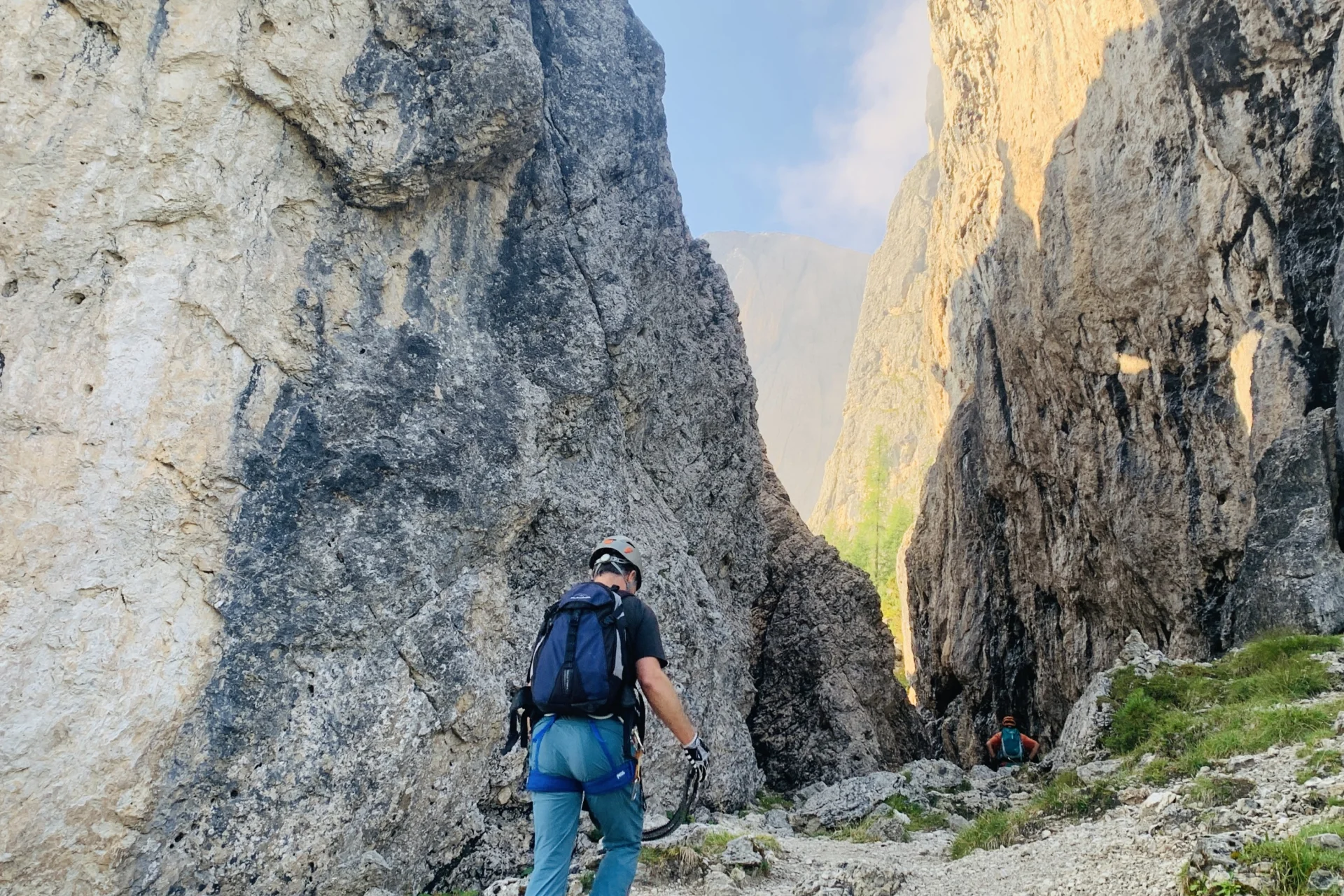
Travel Tip: If your itinerary includes via ferrata sections (common on AV2 to AV5), you must carry and know how to use a helmet, harness, and a via ferrata lanyard set.
Feel free to use our comprehensive packing list to help you prepare for your hiking trip.
Getting There
Getting to the start and from the end of your Alta Via is straightforward thanks to Italy’s reliable public transport network. Most people will use train connections from airports in Milan or Venice to the local towns and then buses or private transfers to the starting point.
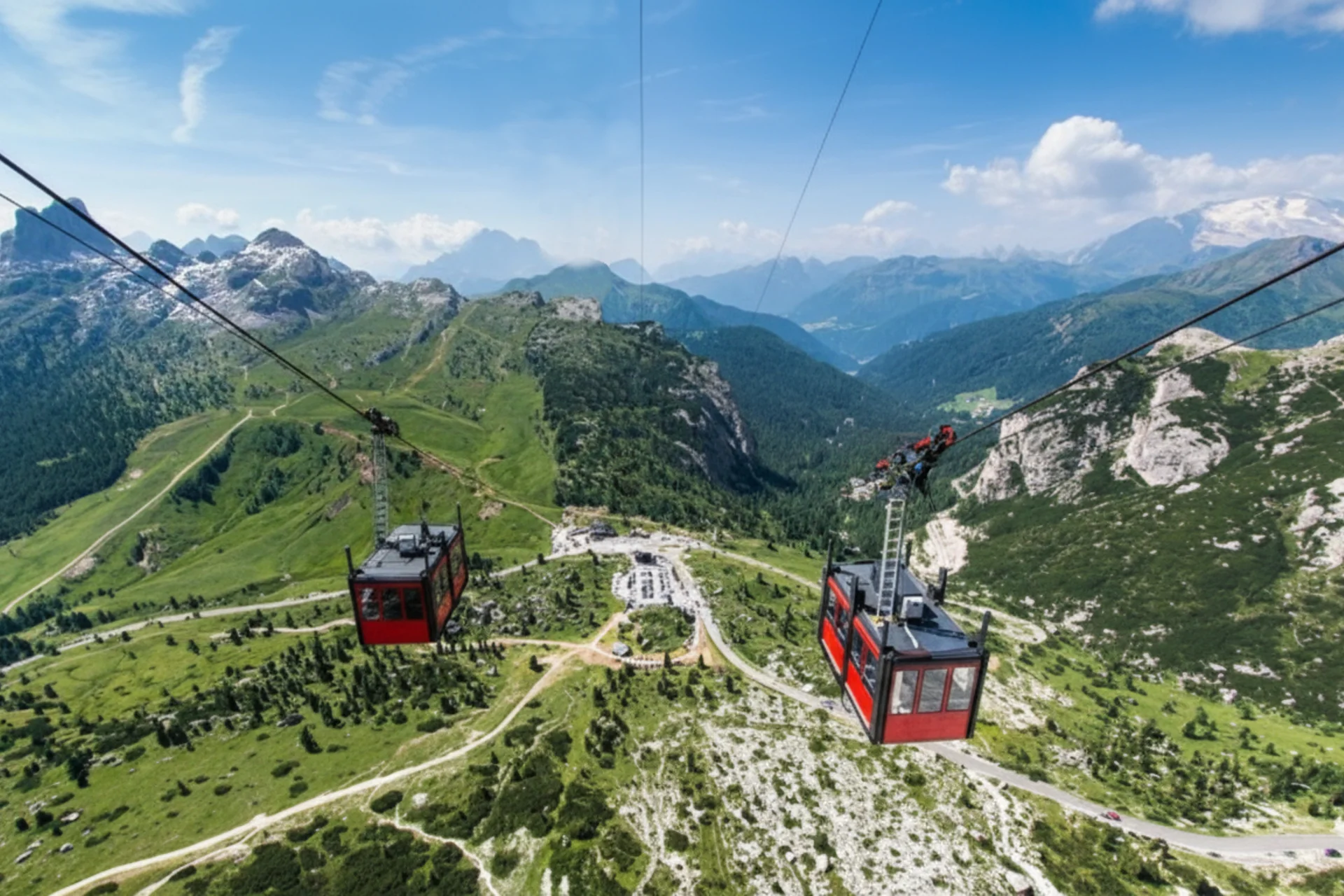
Transportation Along the Route: For certain sections, you may opt to skip ahead using public transport like local buses or cable cars/gondolas to save time, energy, or bypass poor weather.
For more details, refer to our How to Hike the Dolomites Without a Car: A Guide to Public Transit and Logistics.
What to Budget for an Alta Via Trek
Hiking is meant to be a low-cost activity, right? Wrong! After flights, transfers, insurance, and hiking gear, you still have to budget for accommodation and food.
The cost of an Alta Via trek can vary significantly based on your style of accommodation, meal choices, and use of public transport versus personal transfers.
The typical daily cost for hut-to-hut hiking in the Dolomites starts at €115 per person per day. Daily costs can be broken down as follows:
- Hut dormitory room with dinner and breakfast: €70 – €90
- Lunch, snacks & drinks: €40
- Hot shower: €5 – €10
- Optional route adjustments/summer chairlifts and buses: €20
- Extra pre and post-hike accommodation and food: €150
Embracing the Alta Via
The Dolomites Alta Via is more than just a hike; it is an immersive, hut-to-hut cultural experience in one of the world’s most spectacular mountain ranges.
The option of independent travel is both challenging and rewarding. By mastering the details, you are setting in place a plan for success.
But if you value expert leadership, local knowledge, and stress-free logistics, see our guided and self-guided tour options.