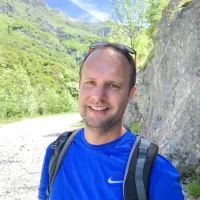
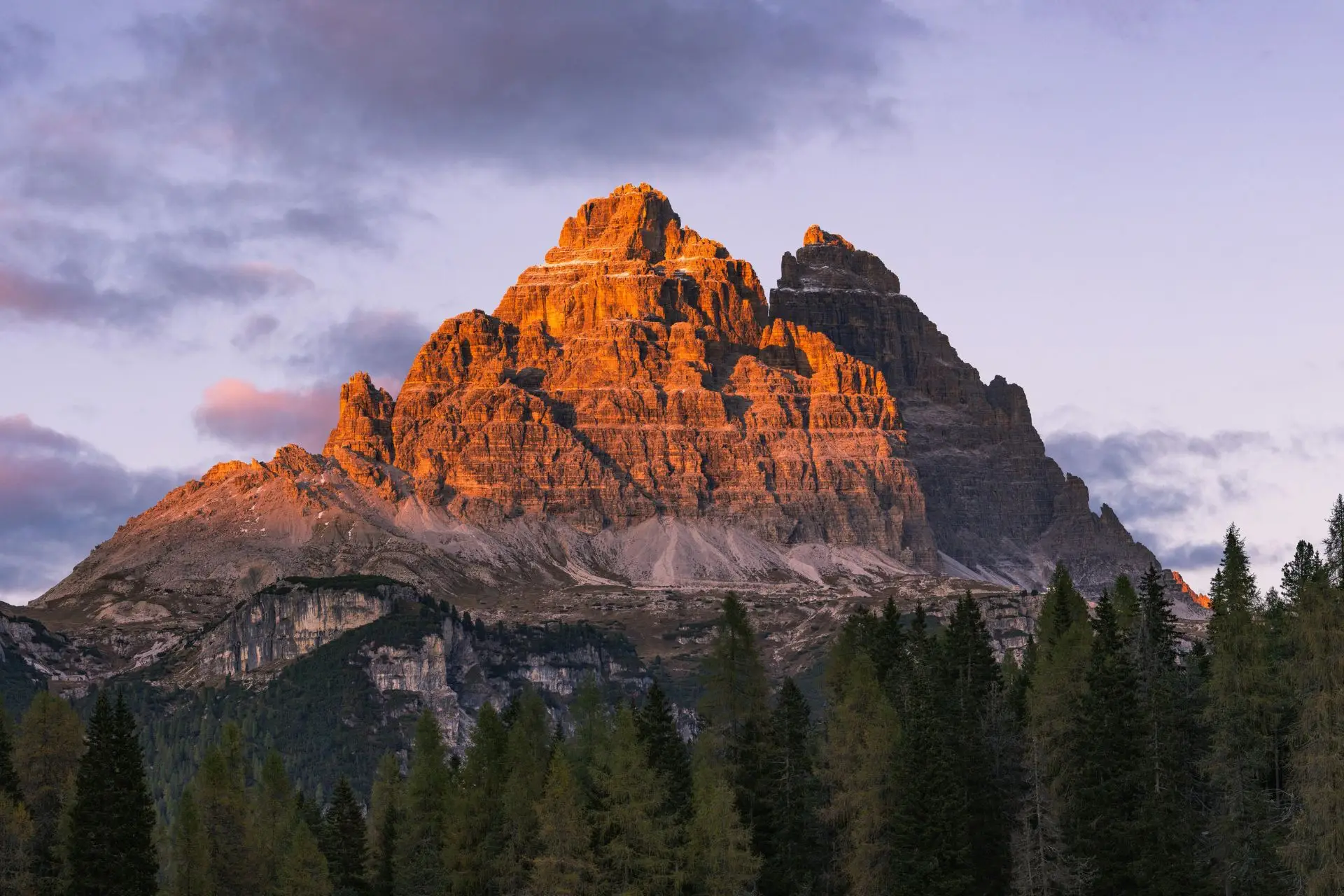
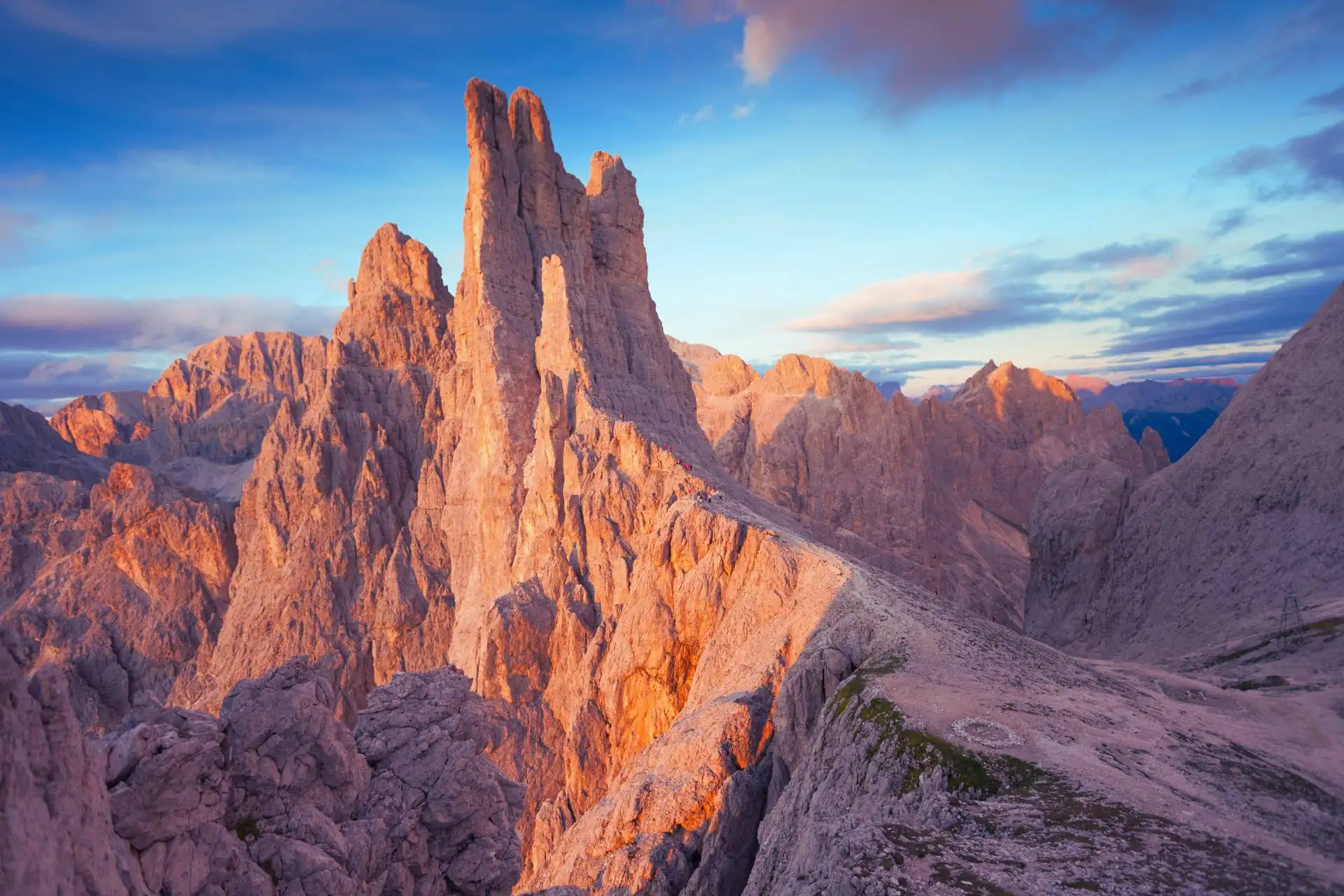
Picture this: you wake to sunrise painting jagged limestone towers in shades of pink and orange, lace up your boots, shoulder a surprisingly light pack, and step onto trails winding through some of Earth’s most spectacular mountain scenery.
By evening, you’re on a rifugio terrace eating a stew with a side of polenta and a refreshing drink, watching the famous enrosadira (sunset alpine glow) set the peaks ablaze.
That’s backpacking the Dolomites. Unlike hauling a tent and camp stove through the wilderness, the extensive rifugio network means you travel light while experiencing true mountain immersion. Trek from hut to hut, through landscapes that bring joy and wonder, then ending each day with a hot meal and a comfortable bed.
Whether you’re eyeing the famous Alta Via 1, planning a custom circuit, or simply curious about multi-day hiking, this guide covers everything you need to know about backpacking in the Dolomites and why backpackers return to these mountains year after year.
What Makes Backpacking the Dolomites Different
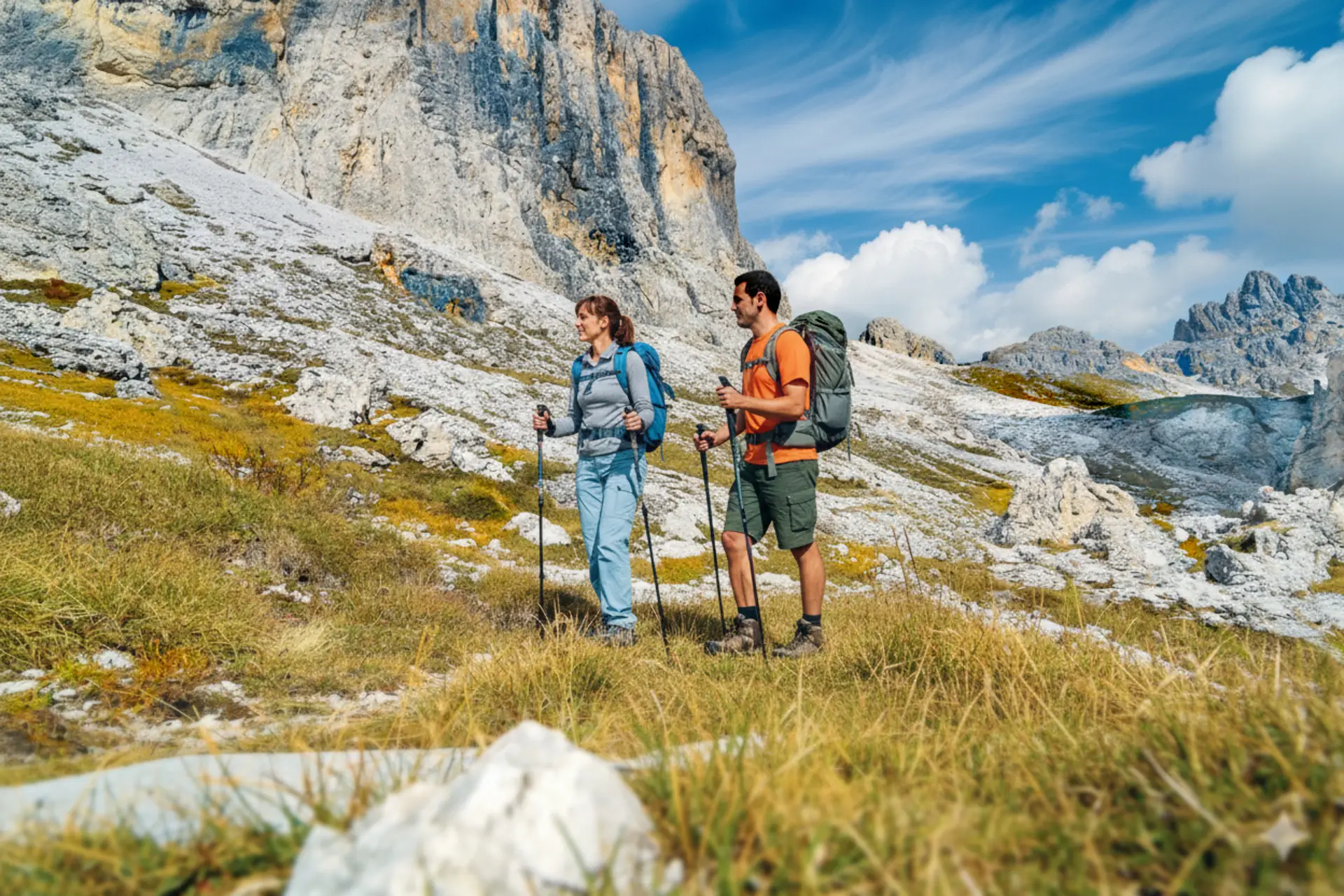
Backpacking in the Dolomites is revolutionary! Over 1,000 rifugios provide safety, meals, and beds – meaning your pack weighs 8-12 kg instead of the typical 15-20 kg for camping-based treks.
In addition, the trails here are remarkably well-maintained, many dating back centuries. In recent years, dedicated members of the local hiking club (CAI) have marked and restored many routes, making navigation straightforward.
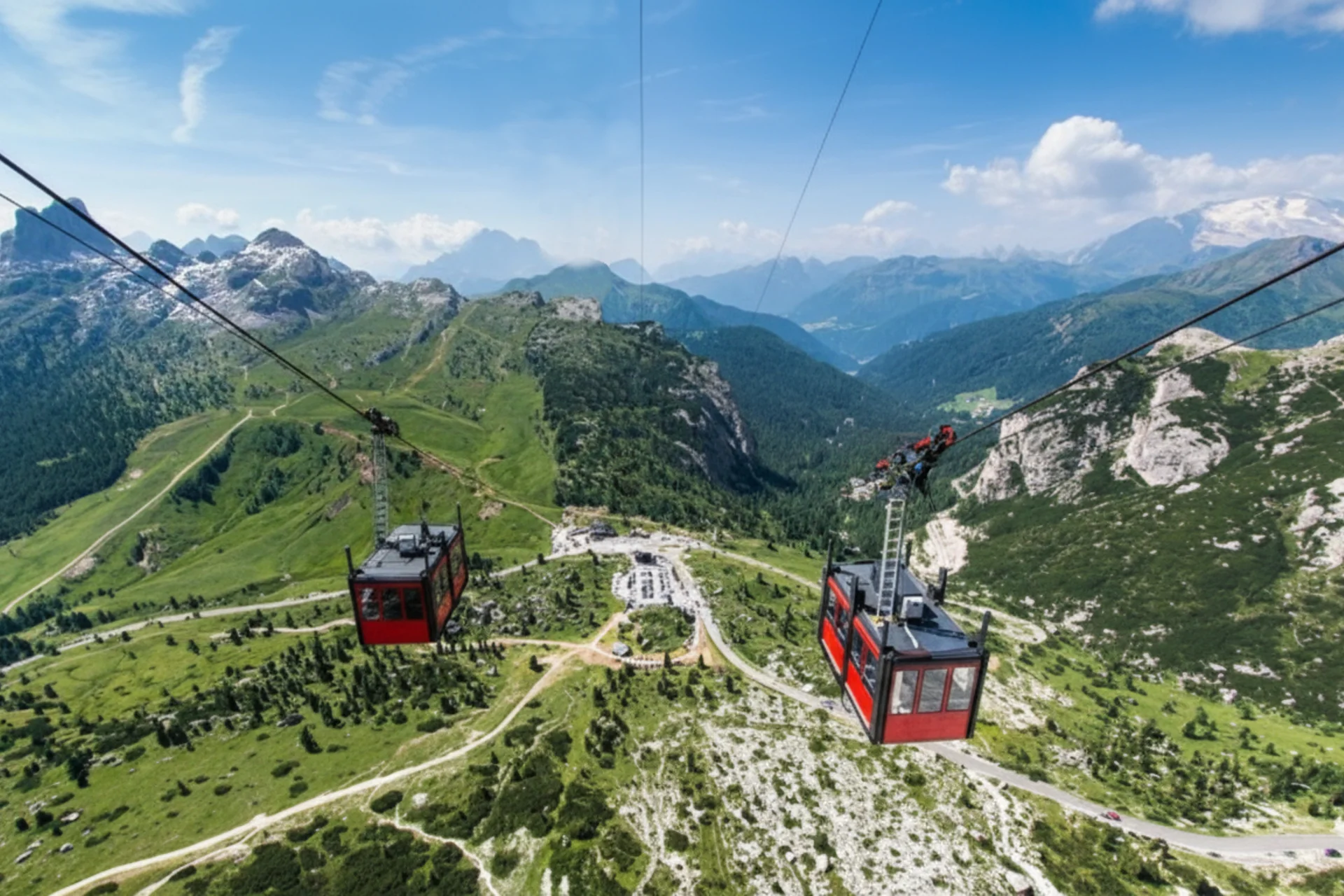
There is also a large network of chairlifts used by hikers to reach high-altitude trails with ease and speed. Most hiking occurs between 1,500-2,800 meters elevation – not extreme altitude, but enough to reach panoramic vistas and to experience drastic changes in mountain terrain and weather.
Best Routes for Backpacking in the Dolomites
When planning your backpacking in the Dolomites adventure, route choice matters.
The legendary Alta Via trails are popular for good reasons. Our guide to the Dolomites Alta Via compares the top 5 Alta Via routes. Including the popular AV1. A 120-kilometer trek from Lake Braies to Belluno, taking 8-10 days, and accumulating 6,700 meters of elevation gain.
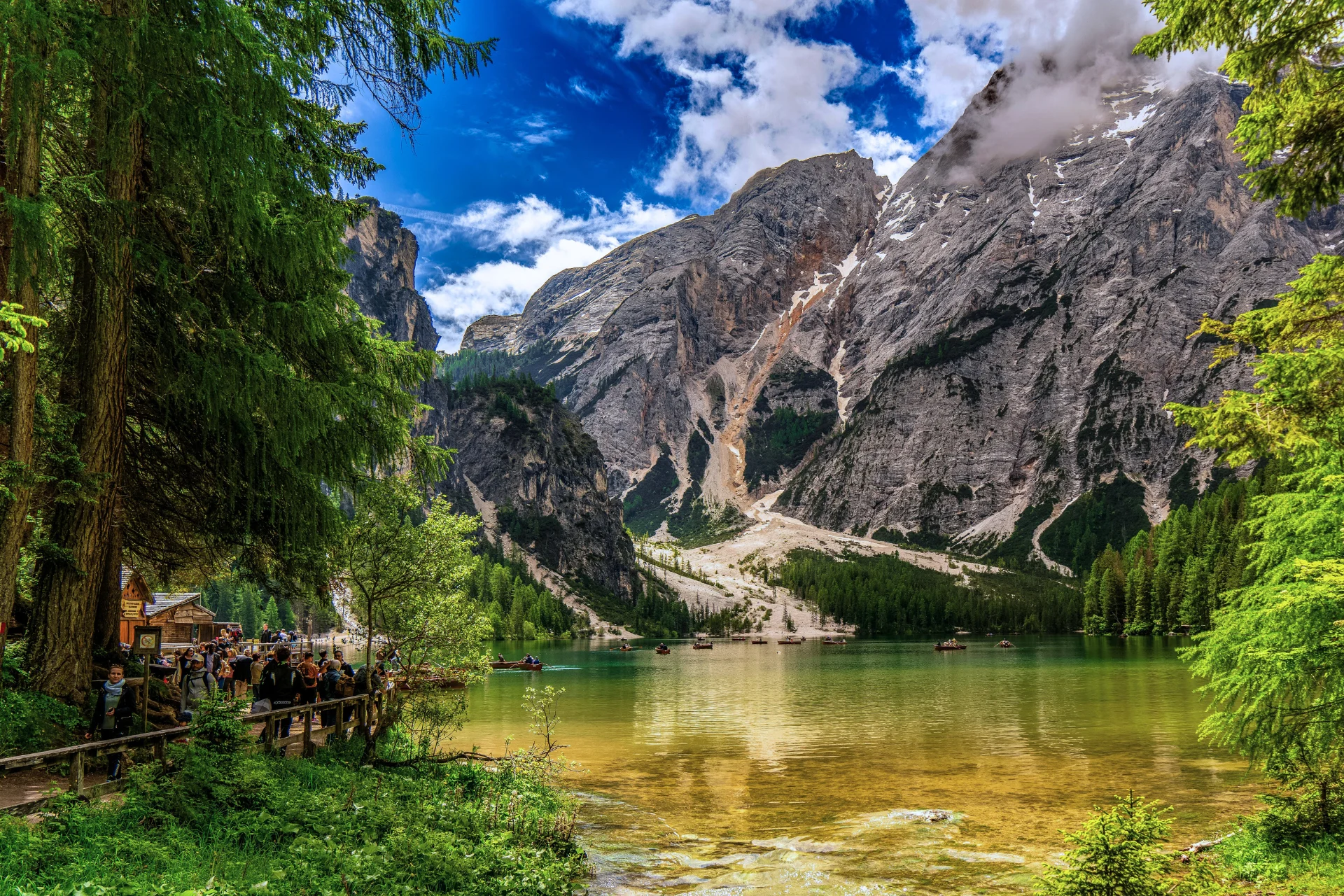
What makes the Alta Via special? Diversity. One day, you’re crossing high passes with lunar scree fields; the next, walking through lush wildflower valleys and spotting wildlife. You’ll pass WWI battlements carved into mountains and stay in rifugios ranging from basic Alpine Club huts to family-run lodges with surprising comforts.
Don’t have two weeks for your Dolomite backpacking adventure? This 3-day hiking in Val Gardena & Alpe di Siusi delivers stunning scenery around iconic massifs and peaks – approximately 36 kilometers over 15 hours (split across 3 days).
Or if the crowds on the Alta Via aren’t to your liking, then the Six Peaks Hut-to-Hut Trek is a great alternative that includes the most scenic section of Alta Via 2.
Read more about some of the best multi-day routes and hiking areas across the Dolomites – including Alta Via circuits, Tre Cime traverses, and Rosengarten loops, along with practical guidance on choosing the right route for your goals and fitness level.
Gear Essentials: Pack Smart, Hike Happy
A 30-liter pack is your sweet spot for a multiday Dolomite backpacking hike – smaller and you’ll struggle with layers and essentials; bigger tempts overpacking.
As for footwear, a decent pair of hiking boots is essential. The Dolomites throw everything at you: wet rock slabs, loose scree, steep descents, and near-vertical scrambling. Trail runners just won’t cut it. See our guide on footwear for Dolomites hiking to help you choose suitable footwear.

Your clothing should also be carefully selected. Mountain weather changes fast, and even in summer, it can be hot during the day, rainy in the afternoon, and cold at altitude. Layering is how you deal with the temperature fluctuations, and a waterproof shell is a must.
As a minimum, your pack should also include a sleeping bag insert (required at rifugios), headlamp, and basic first aid.
For the complete breakdown of what to pack for your Dolomites backpacking trip, check our day hiker’s rucksack packing list – which covers both day hiking and multi-day essentials.
A Day in the Life: The Rhythm of Hut-to-Hut Hiking
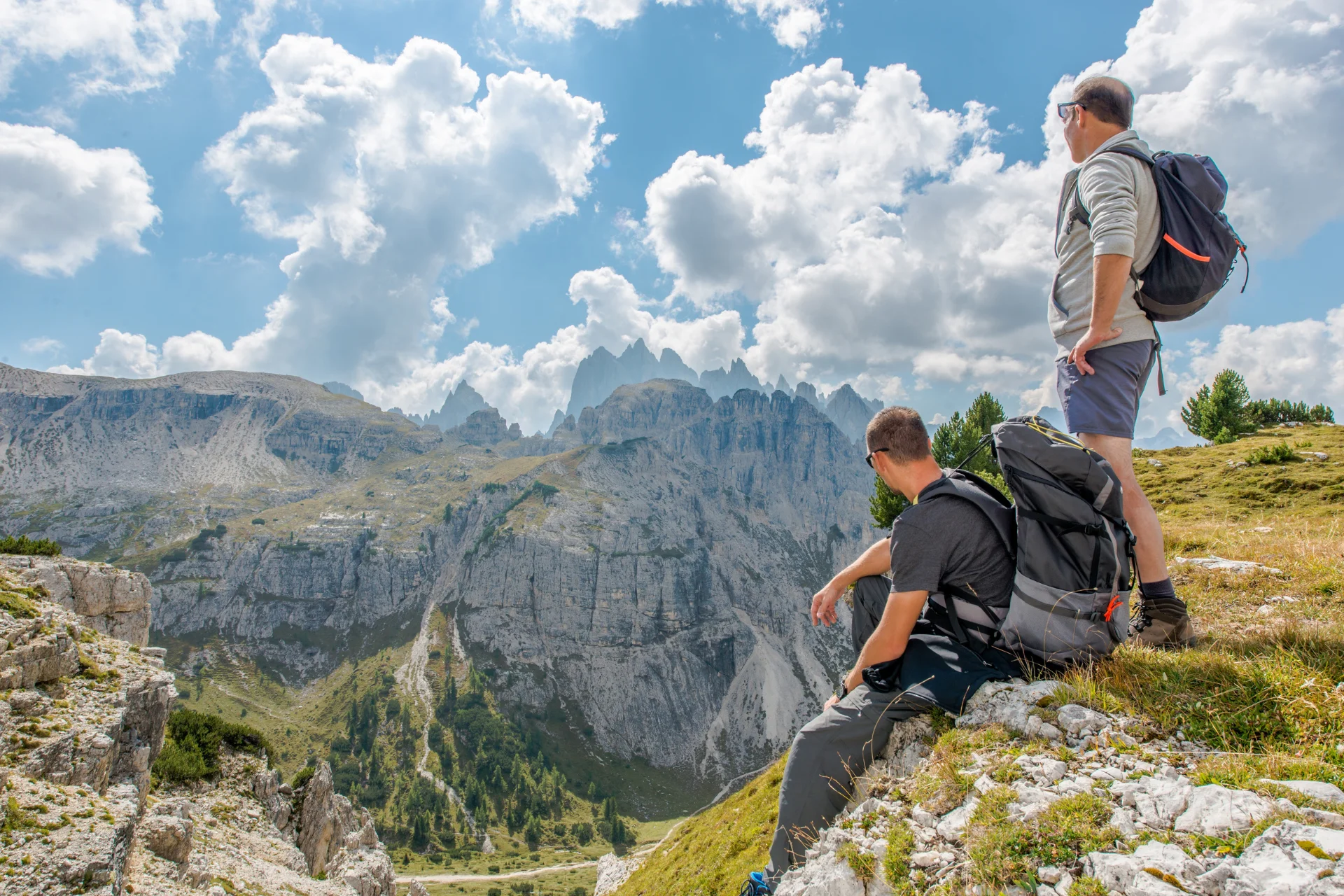
There’s something satisfying about the daily rhythm of hut-to-hut hiking.
You’ll wake early for a communal breakfast that typically includes a strong coffee, fresh bread, local cheese, and muesli. The morning routine is busy and quick. By 8am, hikers are refueled, packed, and ready to hit the trails.
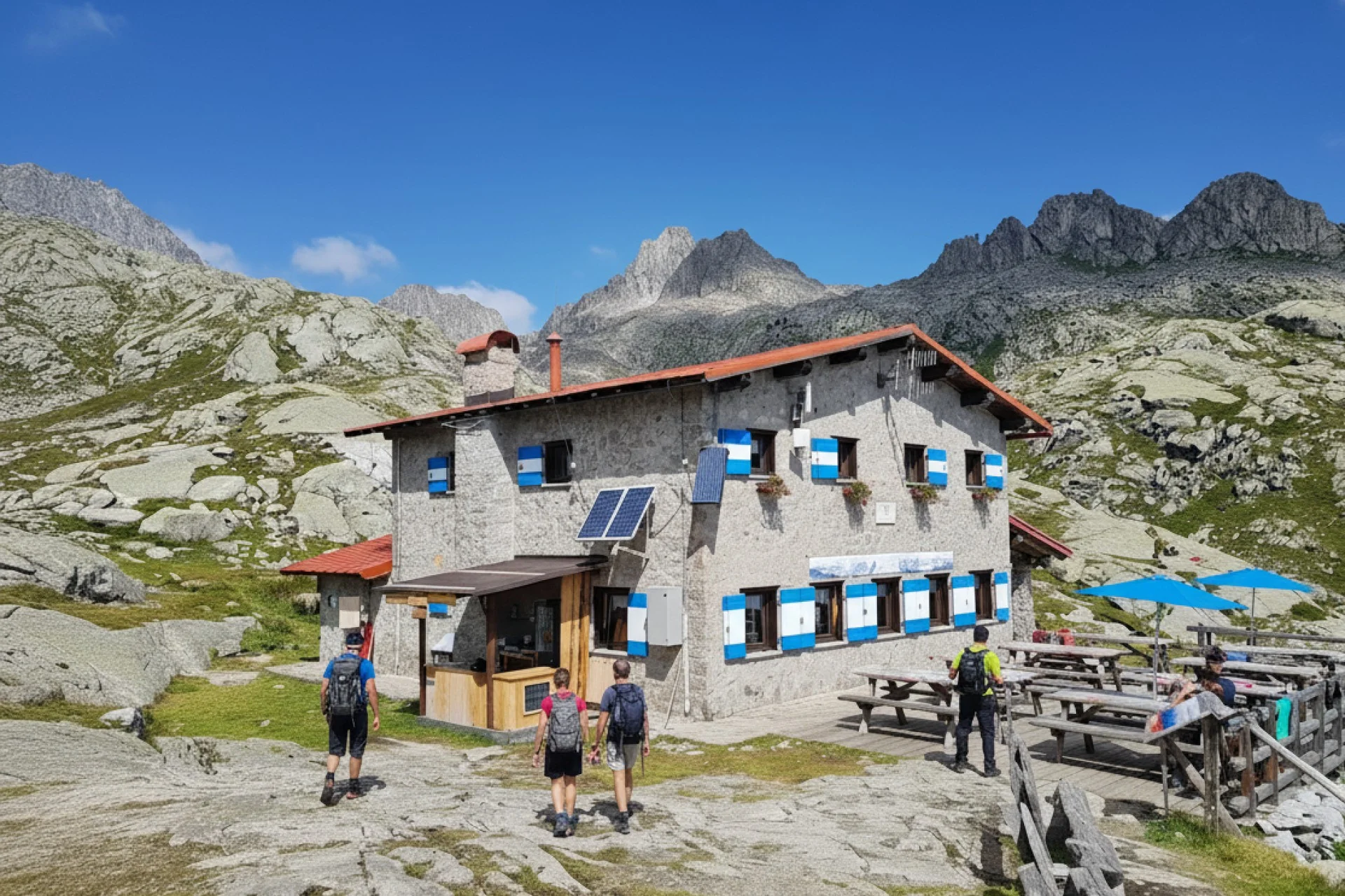
Most of the day involves maintaining a steady pace, tracking your progress, and keeping a close eye on the time. You’ll encounter other hikers, exchange trail conditions, and maybe share snacks at a high pass. By late afternoon, you’re within reach of your next rifugio, anticipating a cold drink on the terrace and a shower.
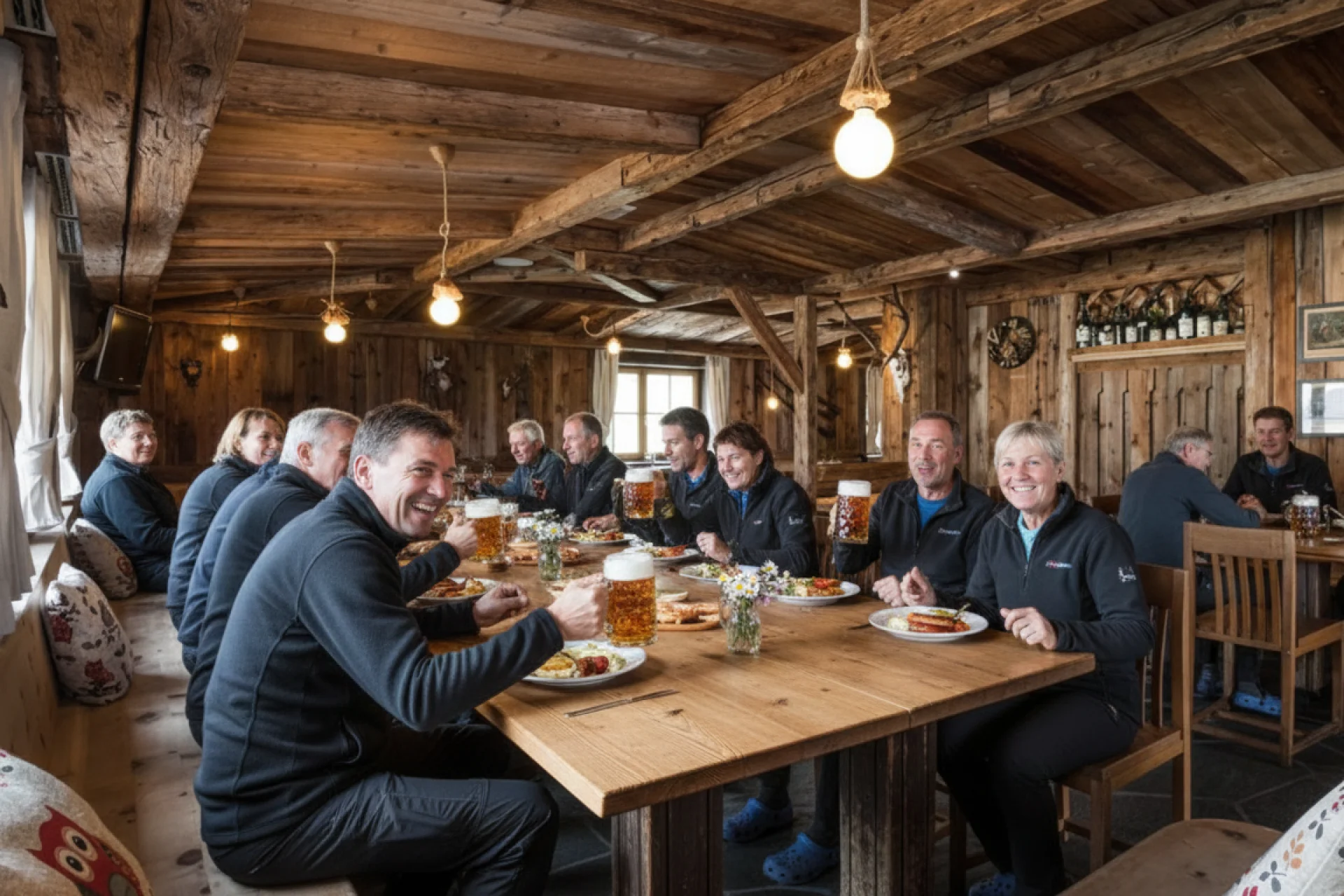
Evening involves jovial communal dinners at wooden tables, with hikers from a dozen countries sharing photos, stories, and excitement. You’ll gasp at the sunset enrosadria (alpine glow) and enjoy the satisfying ache of tired muscles.
Then in the dormitory bunks, you’ll drift pleasantly to sleep before tomorrow begins again.
Want to know exactly what to expect from rifugio life – from making reservations to shower coins to meal times to dormitory etiquette? Our guide to Dolomite rifugios walks you through every detail.
Planning Your Multi-Day Adventure
When to Go
Mid-June through mid-September is the weather window. This is also when the rifugios are open, and summer chairlifts are operating.
My favorite time? Mid-June to early July, when wildflowers bloom, and trails are less crowded, though you might encounter snow patches at high altitude.
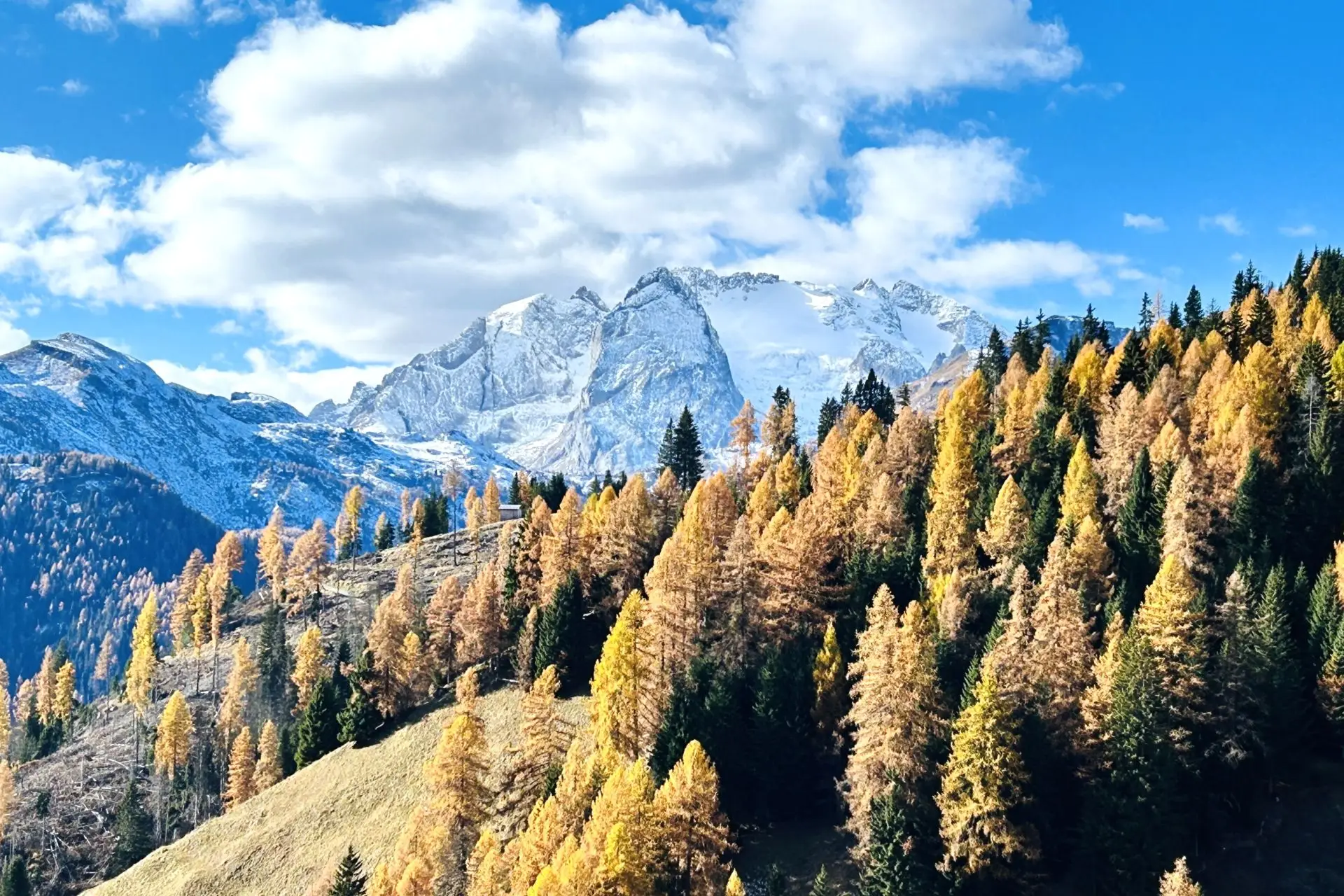
Late July through mid-August brings peak crowds but the most stable weather. September offers golden larches and incredible light, but the mornings and evenings are chilly, and many rifugios close by mid-month.
To weigh up your options, our seasonal guide to the Dolomites weather is a quick but informative read.
Booking Rifugios
Rifugio booking is tedious – no central system exists. Huts typically operate independently, and popular routes fill 5-6 months ahead for peak season.
If you prefer to have logistics taken care of, then take a look at our multi-day self-guided hiking tours. We handle rifugio reservations, route planning, and 24/7 multilingual support. while you focus on the experience.
Staying Safe
Red-and-white painted markers guide you along centuries-old paths, numbered signs estimate walking times, and you’ll rarely go more than a few hours without seeing other hikers. These ‘conveniences’ can lull you into a false sense of security.
Navigation feels straightforward – until the weather rolls in, visibility drops to meters, and that “obvious” path suddenly isn’t.
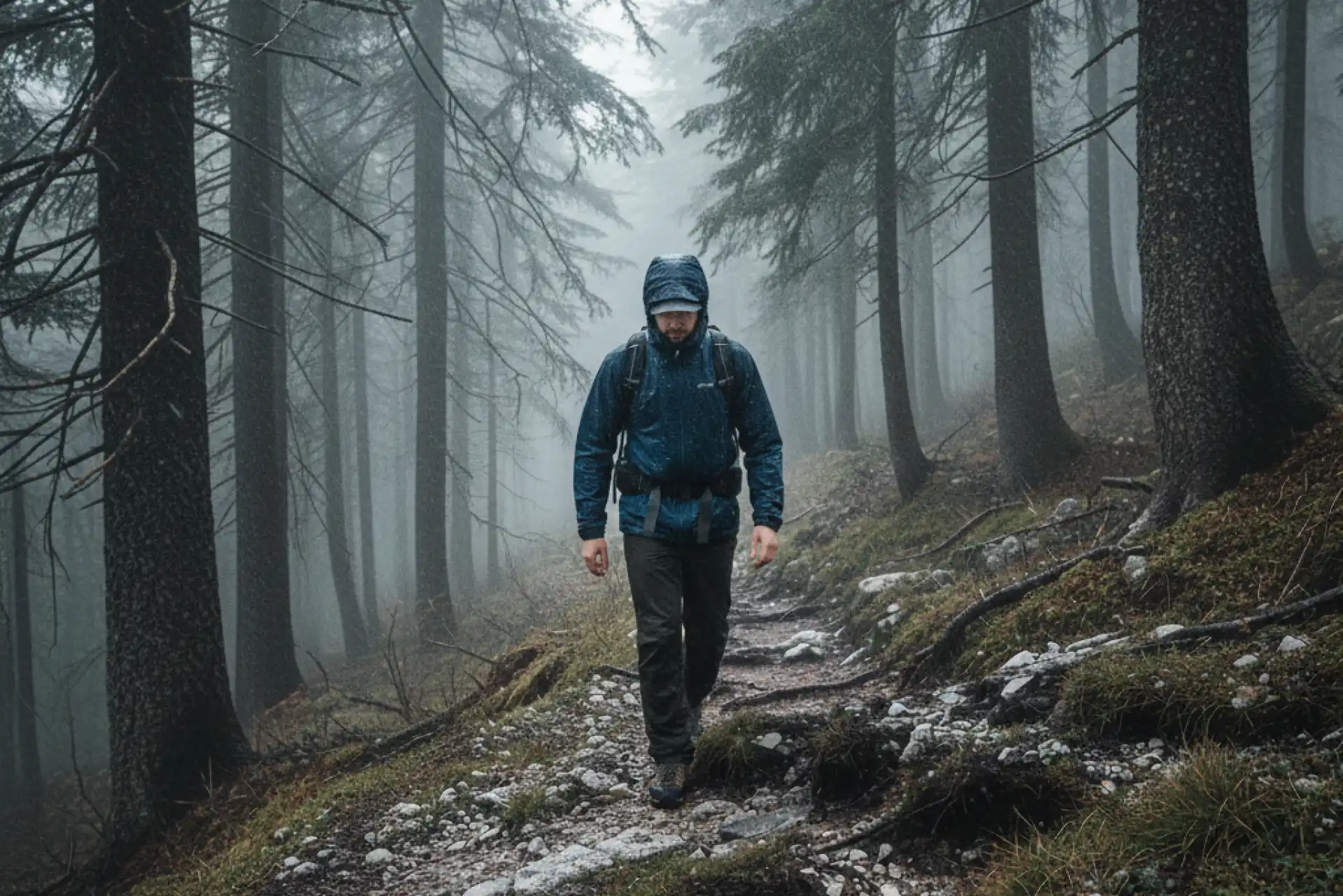
Mountain weather here moves fast. You may start hiking under blue skies, then, at the blink of an eye, the temperatures drop, and thunderheads build. Smart hikers plan accordingly – starting early to avoid the afternoon storms, carrying rain gear, and knowing when to turn back or hunker down.
The mountains are dangerous, and nature is wild and unpredictable. Every year, dozens of hikers need rescue. Staying safe is about staying smart. Here are my top tips for derisking your multi-day Dolomites backpacking hike:
- Plan with and carry proper maps (Tabacco 1:25,000 series), download offline GPS tracks
- Pack emergency gear and a first-aid kit
- Maintain realistic daily mileage that allows for weather delays
- Make smart decisions to modify routes when conditions demand it
- Listen to the advice of Rifugio staff
- Review the weather reports
- Tackle routes that are within your capabilities
- Stay humble – the mountains will make a fool of anyone who lets their ego run the show
Find more details on planning your trip in our Dolomites for First-Timers: Essential Tips Before You Go.
If an independent mountain adventure feels daunting, our multiday guided hiking tours provide certified mountain guides who handle route-finding and real-time safety decisions.
Getting There (Car Free)
Don’t let a lack of a car stop you. The Dolomites are surprisingly accessible by public transport – trains connect major cities like Venice, Bolzano, and Innsbruck to mountain towns, then excellent bus networks fan out to smaller villages and trailheads.
Our detailed guide on hiking the Dolomites without a car covers bus routes, ticketing, luggage transfers, and strategies for seamless car-free hiking across the region.
Are You Ready for Backpacking in the Dolomites?
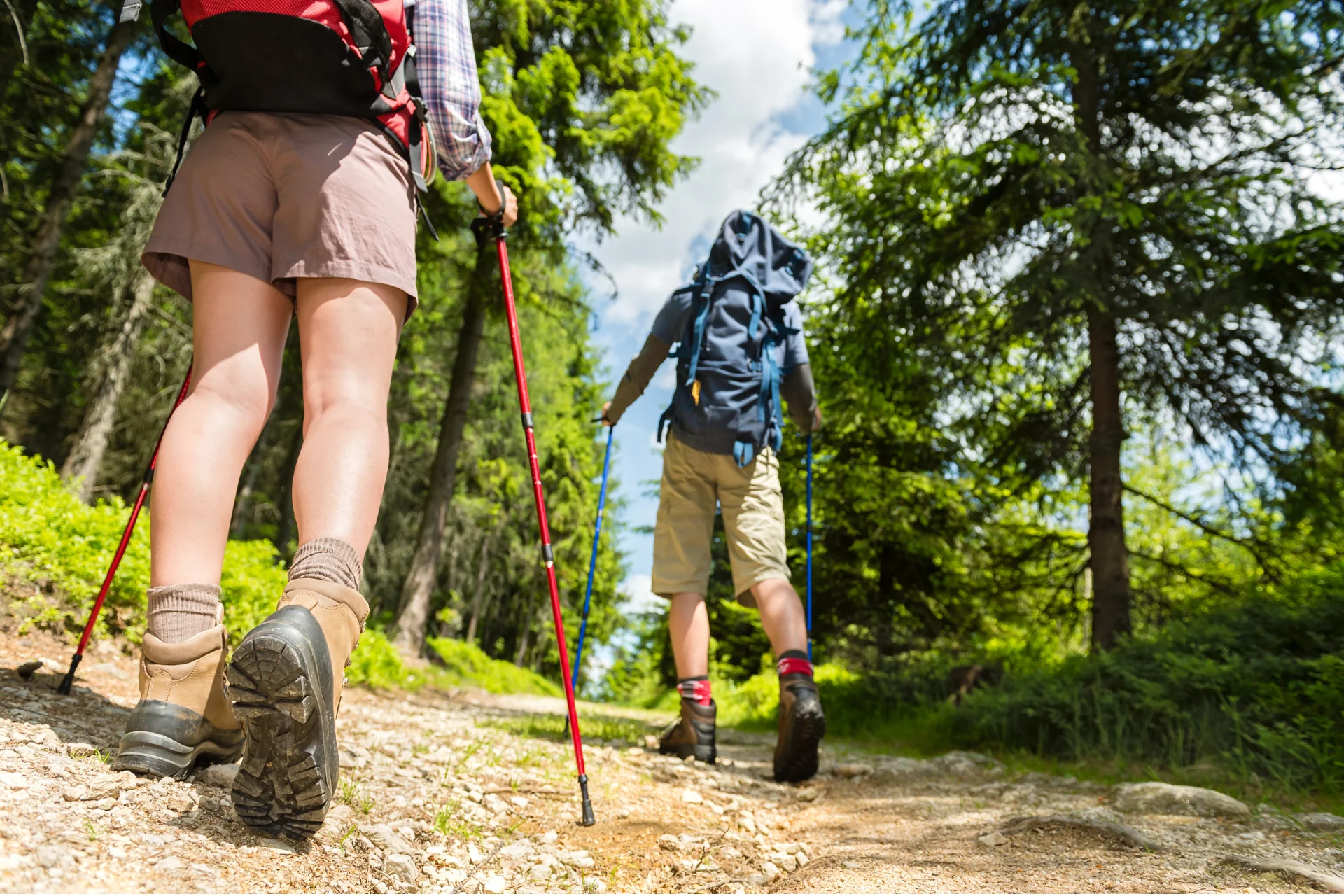
Multi-day hiking and backpacking in the Dolomites can be made as easy or as difficult as you like by choosing trails that are suitable for you. But as a minimum, it requires at least average fitness. You should comfortably hike 10 kilometers with a 10 kg pack and gain 500-1,000 meters of elevation without exhaustion. More importantly, maintain this for consecutive days!
Once you’re confident on the fitness side, the next question is how to structure the trip, whether full independence suits you, or whether a little professional support makes more sense.
Travel Tip: Wearing a weighted vest during your hill training will condition your legs and knees for a multi-day backpacking trek.
Why These Mountains Call People Back
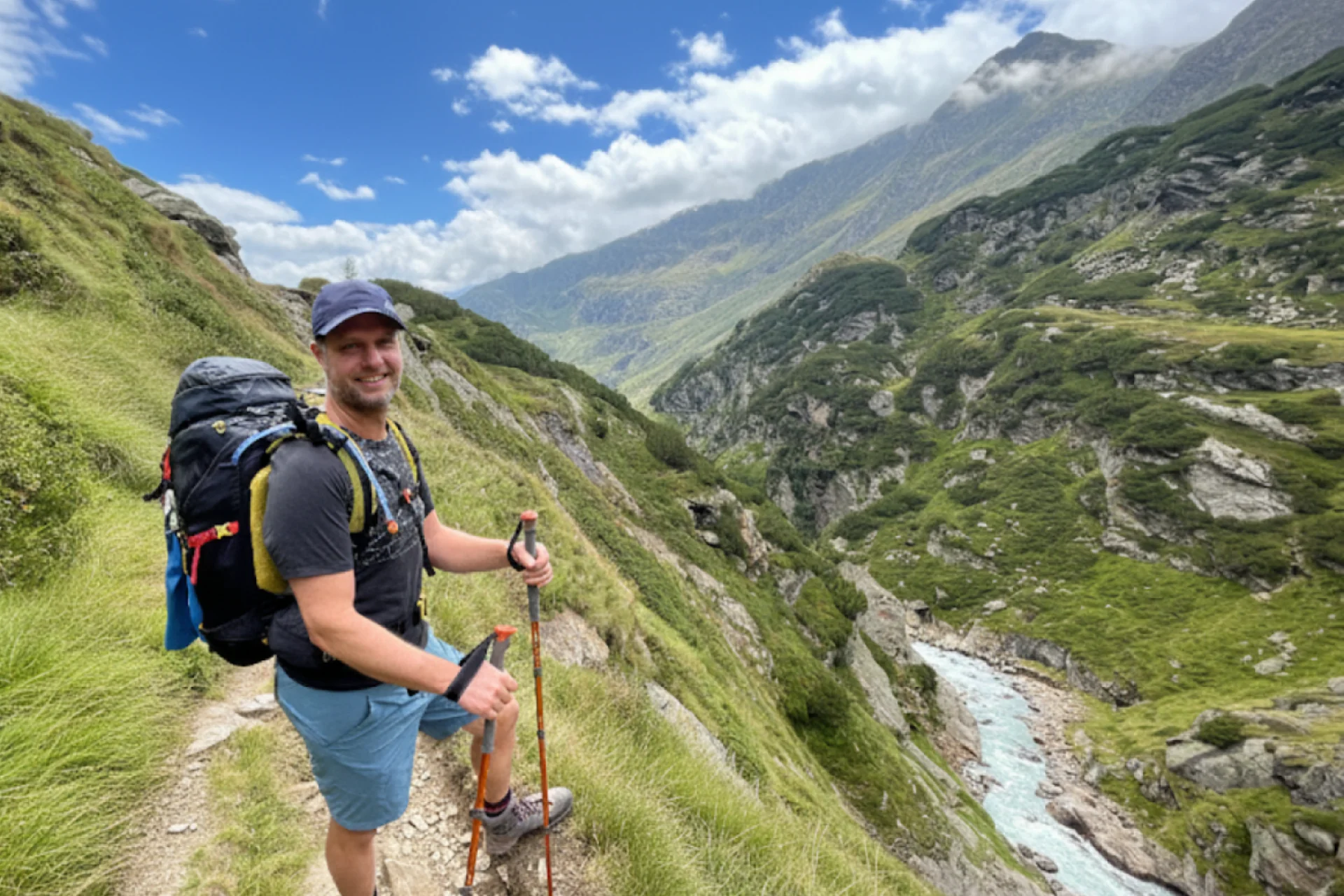
The Dolomites remain a favorite for many hikers. It’s not just the dramatic scenery – though that alone justifies the journey. It’s the complete package: the rifugio system making extended mountain travel comfortable without sacrificing wilderness immersion, centuries-old trails connecting peaks and valleys seamlessly, the cultural richness where Italian, German, and Ladin influences blend, and the simple satisfaction of enjoying the challenge that you have set yourself.
Yes, planning takes effort. Yes, fitness matters. Yes, Alpine weather challenges. But if you’re reading this, you’re already intrigued. Trust that feeling and book early, train properly, pack and plan smart.

Ready to start planning your backpacking adventure in the Dolomites? Explore our comprehensive guide to hiking in the Dolomites. When you’re ready to turn planning into reality, our range of multi-day hiking tours takes the stress out of logistics while preserving the adventure that is calling to you.
See you on the trail.
View Posts By Topic
FAQ
No. Wild camping is prohibited to protect the alpine environment. The extensive rifugio system provides accommodation throughout the mountains, letting you travel light (8-12 kg) with just clothing, safety gear, and daily essentials. The rifugio experience – communal meals, a warm bed, local insights and social connection – is integral to Dolomites hiking experience.
The refugio system is the key. Your lighter pack (no camping or cooking gear) and sleeping in beds makes backpacking in the Dolomites more accessible and easier than other mountain ranges.
For the physical component. If you regularly hike and can comfortably cover 12-15 kilometers with 800 meters gain in a day, you have good baseline fitness to tackle most of the ‘moderate’ level multi-day hikes.
Solo hiking is feasible on well-traveled routes like Alta Via 1 and Alta Via 2, where in peak season when you’ll encounter other hikers along the trail.
Routes are well-marked, rifugios frequent, and it’s safe to travel alone.
However, going solo requires greater self-reliance for navigation, weather decisions, and handling emergencies. If you’re experienced with mountain travel, go for it. New to alpine hiking? A guided group tour is a safer bet, before returning for a solo trip with increased experience and skills.
Budget €120 per person per day – including rifugio accommodation with half-board (€80), lunch snacks and incidentals (€40).
You may also want to add chairlifts to high altitude trails (€20 – €40) and pre and post hike accommodation (€120 per person, per night, twin share) and transfers (€120)
Always build in a bit of contingency funding (€100) in case weather affects your plans.
So a realistic budget for a 7 night hut-to-hut Dolomites backpacking trip (plus two nights pre and post hike) is around €1200 for all accommodation, food, 1 lift ticket, transfers and a small contigency fund.
Tip: You can get discounted hut accommodaton by joining the Italian Alpine Club (CAI).
The rifugio system provides support and advice for weather and route closures.
You can usually stay an extra night at your current hut or take alternate lower-elevation paths. Some sections have chairlift options or buses to help you connect you back onto your intended route.
Maintain flexibility in your itinerary and carry emergency cash for unplanned stays or extra transport.
Our self-guided tours include 24/7 support to help make alternative arranges when plans change.
Most rifugios serve hearty mountain fare – pasta, polenta, goulash, local meats.
Vegetarian options, gluten-free or dairy-free are often available with advance notice when booking.
Remote huts have limited supplies that arrive by helicopter and they can’t cater to highly specific diets. Serious food allergies or strict requirements need clear communication when booking, and you may need to supplement with your own food.